Here’s a statement that will make some spa managers uncomfortable: within five years, the spas delivering the most exceptional guest experiences and healthiest margins, will be run by artificial intelligence. Not assisted by it – run by it.
Before you dismiss that as tech-industry hyperbole, consider what’s already happening. AI agents are no longer experimental curiosities. They are autonomous decision-makers capable of processing vast operational datasets in real time, identifying patterns no human team could spot, and acting on them instantly. The spa industry is ripe for this revolution, and the operators who recognise it first will leave everyone else behind.

Steve Porter, co-founder, Trybe / vanessa valentine
"The human isn't removed from the picture; they become the strategist, the quality controller, the final green-button pusher"
Re-writing spa management
Let me be specific about what this looks like. The spa manager’s role as we know it is about to be fundamentally rewritten. The daily grind of scheduling, pricing, staffing, marketing, and guest communications won’t be 'supported' by software; it will be executed by AI agents making thousands of micro-decisions every hour. Dynamic pricing that shifts with real-time utilisation and demand trends. Personalised guest outreach that drives upsells with a sophistication no manual CRM workflow can match. Therapist rotas optimised not just for coverage, but for revenue per room per hour. All of it happening autonomously, all of it data-driven, all of it relentless.
The human isn’t removed from this picture. They become the strategist, the quality controller, the final green-button pusher. But the heavy lifting? That’s delegated – and the results will be transformative.
Software company evolution
The forward-thinking software companies powering this shift will look nothing like today’s platforms. They’ll evolve into consultative partners, not tools you log into. The goal will be system disengagement at a scale never seen before, operators spending less time clicking through dashboards and more time doing what they entered this industry to do: delivering extraordinary hospitality. Platforms will leverage their network data to define what “good” looks like across the industry, then proactively suggest the changes needed to get there. They won’t wait to be asked.
The future
Imagine this: it’s a Tuesday morning and your AI has already repriced your afternoon slots based on local weather data and a cancellation spike across your region. It's sent a tailored offer to fourteen guests who visited last quarter but haven’t rebooked, each message crafted around their treatment history and preferences. It’s flagged that your top therapist is underbooked on Fridays, restructured the rota, and projected the revenue impact. You arrive, review the summary over coffee, and approve. That’s your management meeting. Done.
This isn’t science fiction. The underlying technology exists today. The only question is how fast it gets packaged, refined, and deployed into our industry.
My prediction is five years for full maturity. But don’t be surprised if it’s here in half that time. The pace of change in AI isn’t linear; it’s exponential. The spas that wait to see proof will be the ones scrambling to catch up.

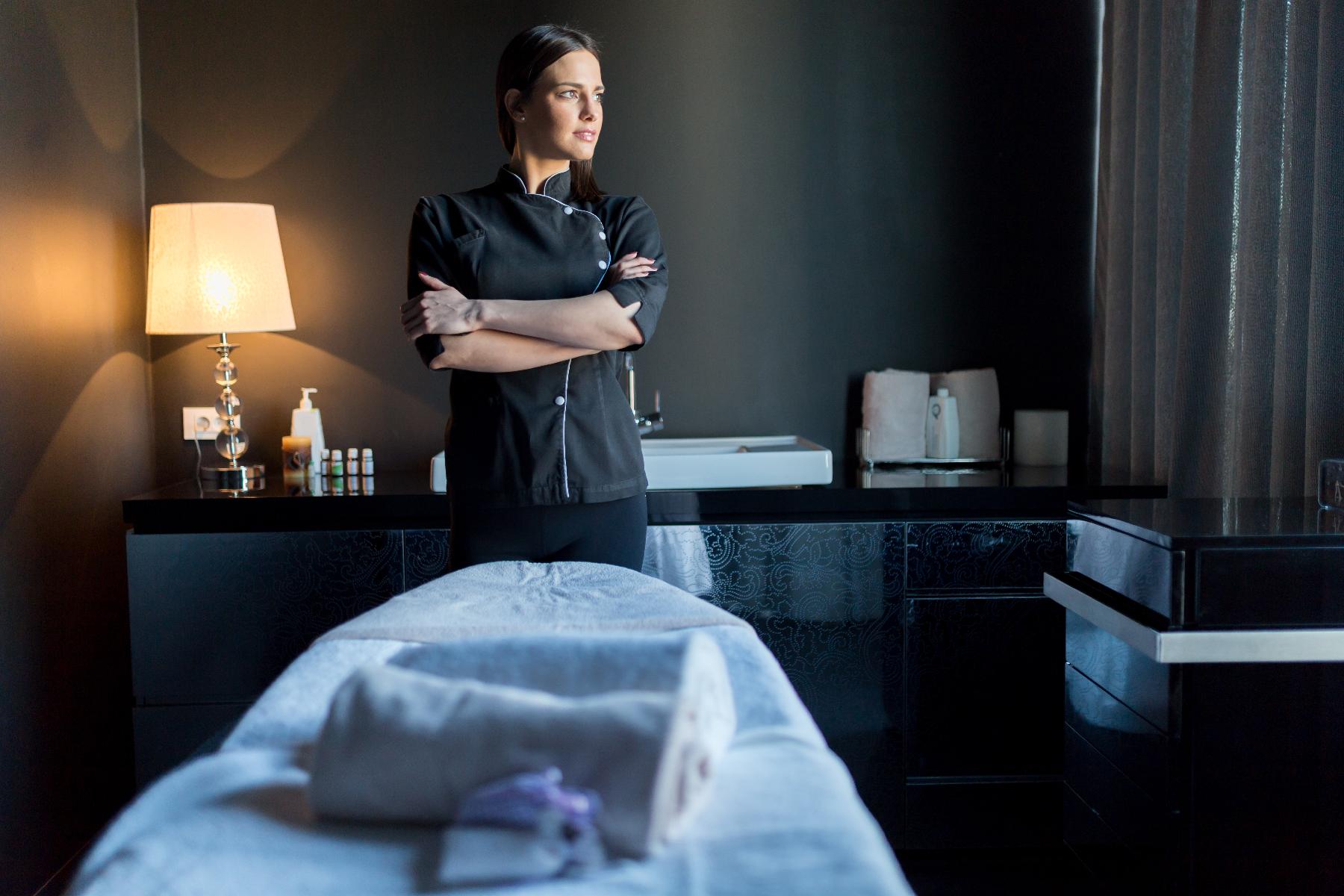
AI will send offers to guests that haven't re-booked to fill cancelled slots / Gabrielle Henderson