Throughout history, experts have based themselves in spa towns to measure and classify natural resources such as water, mud and gas, while also linking therapies to specific diseases and designing effective treatments.
Dr Bernard Adler experimented with mineralised peat in Františkovy Lázně (Czech Republic) at the end of the 18th century, while Dr Václav Payer published medical treatises on the internal use of thermal waters in 1522.
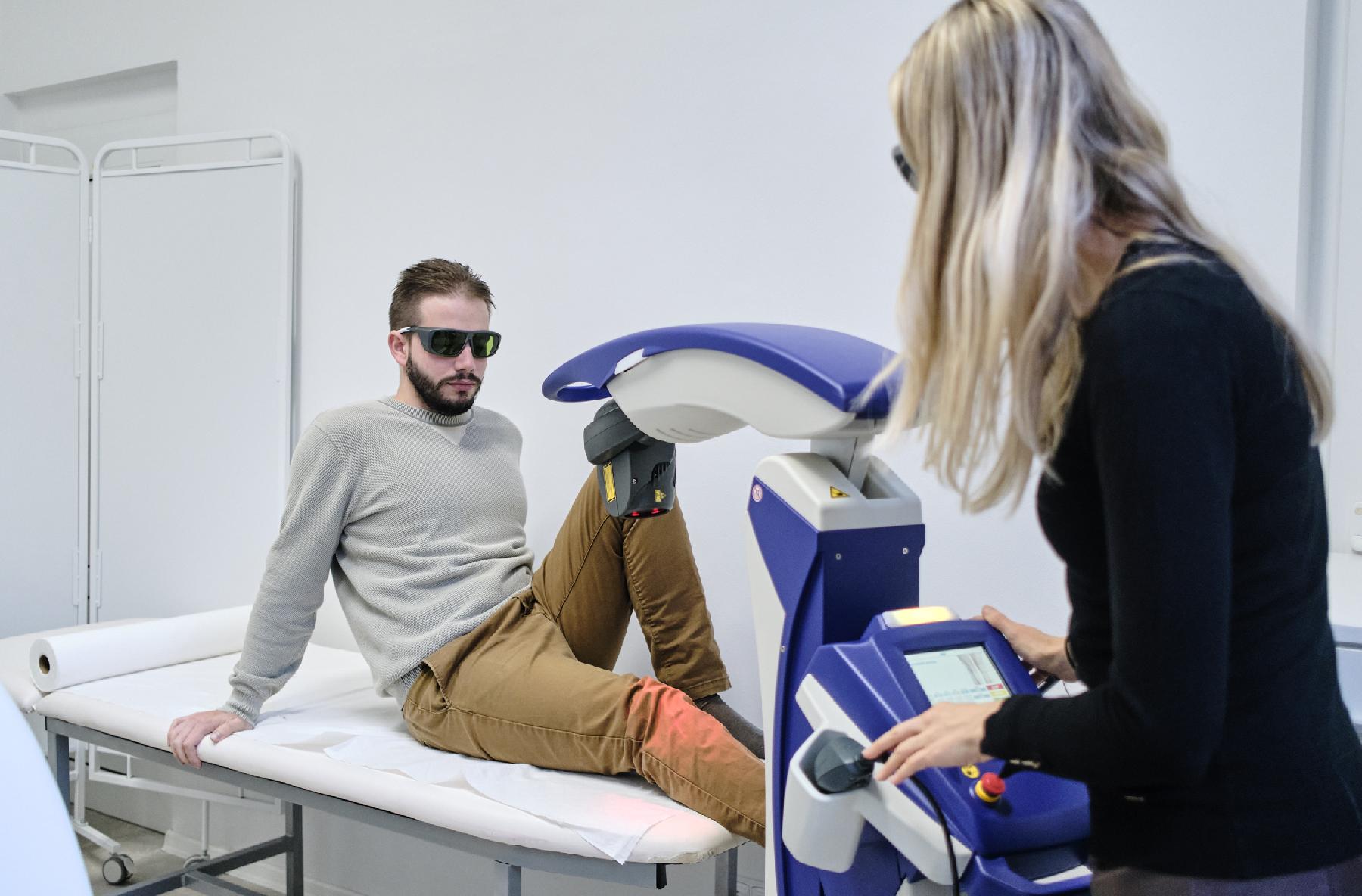
This tradition now continues as spa treatments are modernised. The Great Spa Towns of Europe, a transnational network of 11 historic European spa towns, marks its fifth year on the UNESCO World Heritage List on 24 July and some of its members are now using advanced technology to create new modalities.

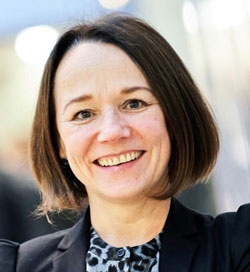
Magdaléna Vereskova, head of medical sciences, Institute of Spa and Balneology / Magdaléna Vereskova
Combining innovative approaches, such as VR for rehabilitation, with traditional spa therapies, can improve outcomes
Virtual reality
At the Institute of Spa and Balneology, the public research institution of the Czech Republic's Karlovy Vary region, we're demonstrating how VR can be used in spa rehabilitation. For example, one of the modules trains motor skills and strengthens shoulders by simulating fruit picking. Settings are colourful, engaging and therapeutic, helping patients immerse themselves in the virtual world. This enables them to detach from reality and partly dissociate from any discomfort that occurs.
Modern technologies are not a replacement for traditional balneotherapy, but a natural complement. They work alongside natural healing resources and the foundations of spa medicine, which remain unchanged: mineral waters, muds, gases, climatic conditions and the therapeutic landscape.
These resources are irreplaceable, but the benefit of modern technology is the data it provides to help us better understand and evidence their benefits.
Current research shows that combining innovative approaches, such as VR for rehabilitation, with traditional spa therapies can enhance outcomes, including pain reduction and improved functional capacity.
This combination can also make spa care more efficient, measurable, sustainable and accessible.
Technology and tradition are not opposing forces, they form a powerful alliance
Sustainable therapeutic model
Future studies will further explore the benefits of these technologies and their role in addressing sector challenges, including workforce shortages and more efficient delivery of care.
Equally important is the role of modern diagnostics, which enable continuous monitoring and precise evaluation of outcomes, supporting a shift towards evidence-based spa medicine.
By collecting and analysing objective data, the Institute demonstrates that spa therapies are not only a longstanding tradition, but also have measurable, scientifically verifiable effects on physical and mental health.
Beyond research, the Institute acts as a bridge between innovation and practice, presenting and demonstrating new approaches to spa representatives to support informed decision-making. In this way, it contributes to the modernisation, competitiveness and long-term sustainability of spa services while respecting their cultural heritage.
Technology and tradition are not opposing forces; together, they form a powerful alliance that ensures centuries-old healing practices remain relevant, effective and ready for the future.
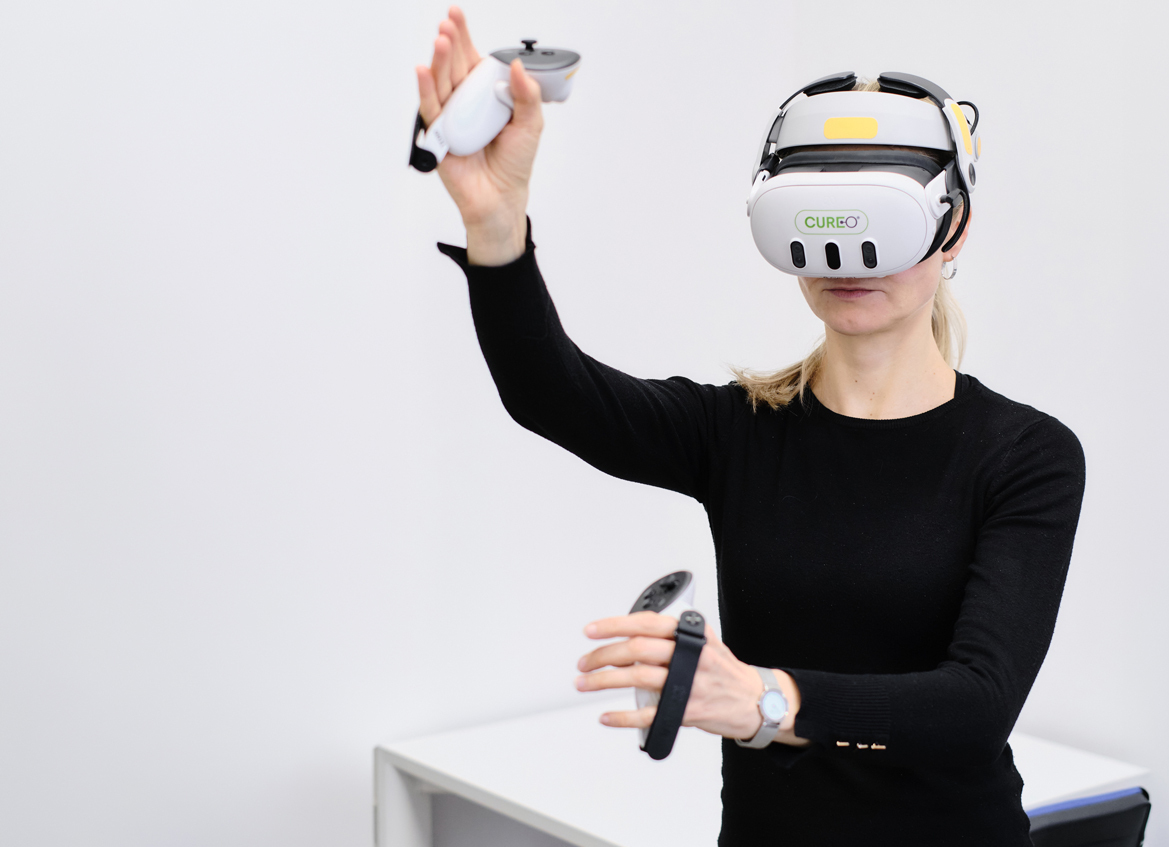
Rehabilitation exercises using engaging virtual reality tasks, such as picking fruit in a colourful scene, reduce pain / c/o ilab, Karlovy Vary