Luxury hospitality has embraced sleep as a pillar of wellbeing – and rightly so. Guests arrive exhausted, overstimulated and often jetlagged, hoping a beautiful room, a comfortable mattress and blackout curtains will restore them overnight.
But neuroscience suggests something important: most people who struggle with sleep are not lacking sleep amenities. They're experiencing nervous system dysregulation. In other words, the problem isn’t always the bed.
In my work with executives, athletes and resort guests, a consistent pattern appears. People arrive carrying a nervous system that has been running in a low-grade stress response all month or year. Cortisol, cognitive load, constant stimulation and irregular circadian cues leave the brain in a vigilant state that simply doesn’t switch off when someone lies down.
Opportunities
Hospitality has a far greater opportunity here than many realise and rather than focusing primarily on sleep “products”, the real opportunity is to design experiences that actively transition the nervous system from sympathetic activation (alert mode) into parasympathetic dominance – the physiological state required for deep, restorative sleep.
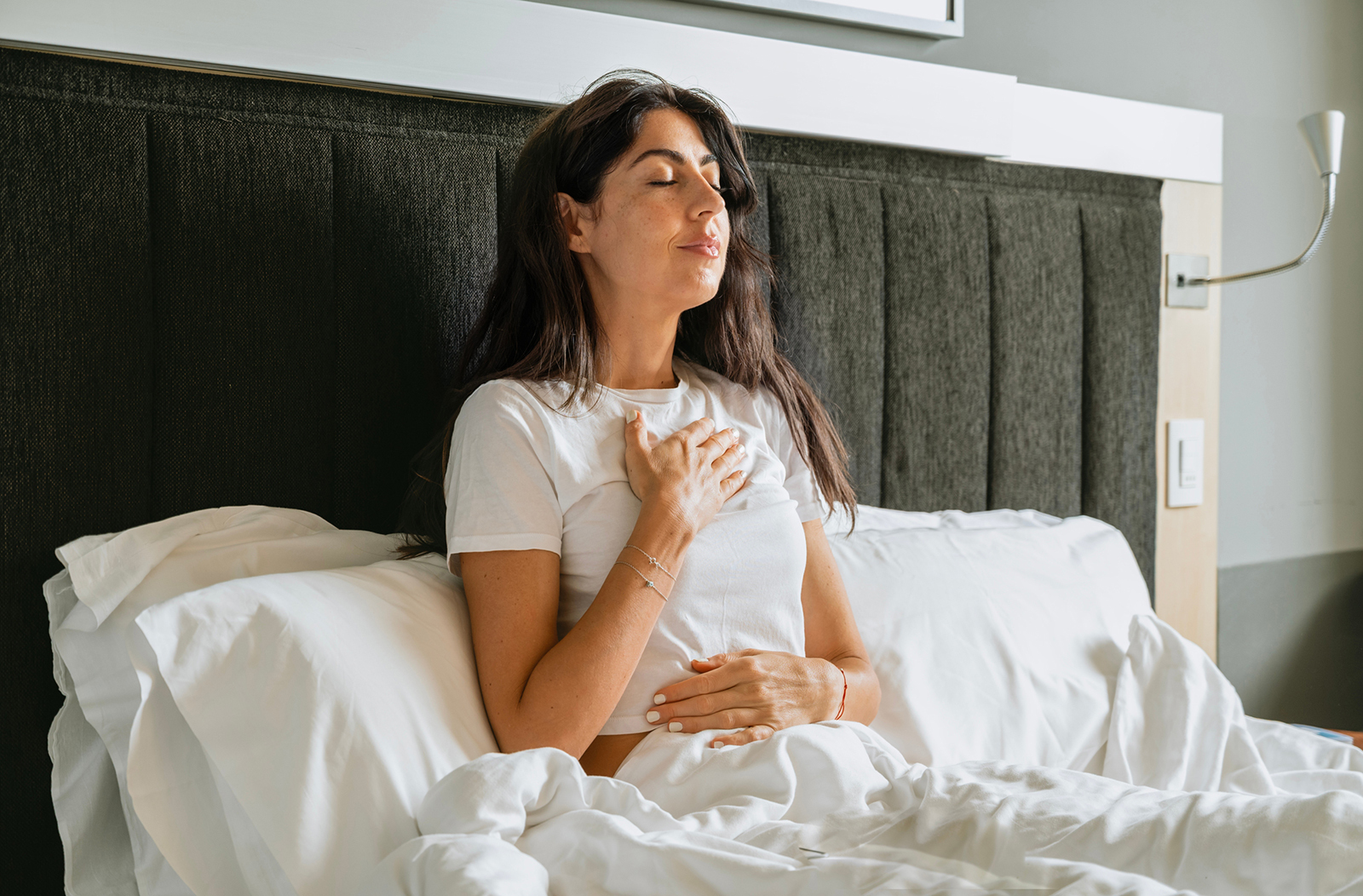
One technique that works remarkably well is guided vagal-tone activation before bed. The vagus nerve acts as the master regulator of the parasympathetic nervous system. Simple practices such as slow nasal breathing, extended exhalations, gentle humming, visualisation and specific facial and neck relaxation techniques can measurably reduce heart rate, quiet cognitive activity and signal safety to the brain.
These practices take less than ten minutes to complete and require no equipment. Yet when delivered intentionally within a spa or resort environment – for example, as a twilight 'sleep preparation ritual', a short guided session before bedtime, or a bedside audio practice – they can transform how quickly guests drop into restorative sleep.
Nervous system regulation
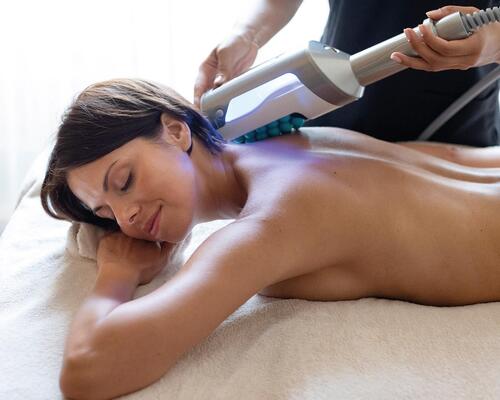
After my time working with guests at the five-star Reef House in Palm Cove, Australia, I began designing a neuroscience-informed sleep experience based on this principle: combining spa treatments with guided nervous system regulation techniques drawn from breathwork, meditation and somatic practices.
The idea was a simple but powerful one – help guests physiologically transition into sleep readiness in the time before they even reach their bed.
The process revealed something important for the industry: the most effective sleep experiences don't rely on amenities alone, but on helping the nervous system to shift state.
Forward-thinking hospitality leaders are beginning to explore things such as circadian lighting, sensory wind-down rituals and parasympathetic activation as part of their spa offering. These approaches are simple, scalable and grounded in neuroscience.
A guest may appreciate a premium pillow, but they'll always remember the place where they slept deeply for the first time in months.