Yes! Send me the FREE digital editions of Spa Business and Spa Business insider magazines and the FREE weekly Spa Business and Spa Business insider ezines and breaking news alerts!
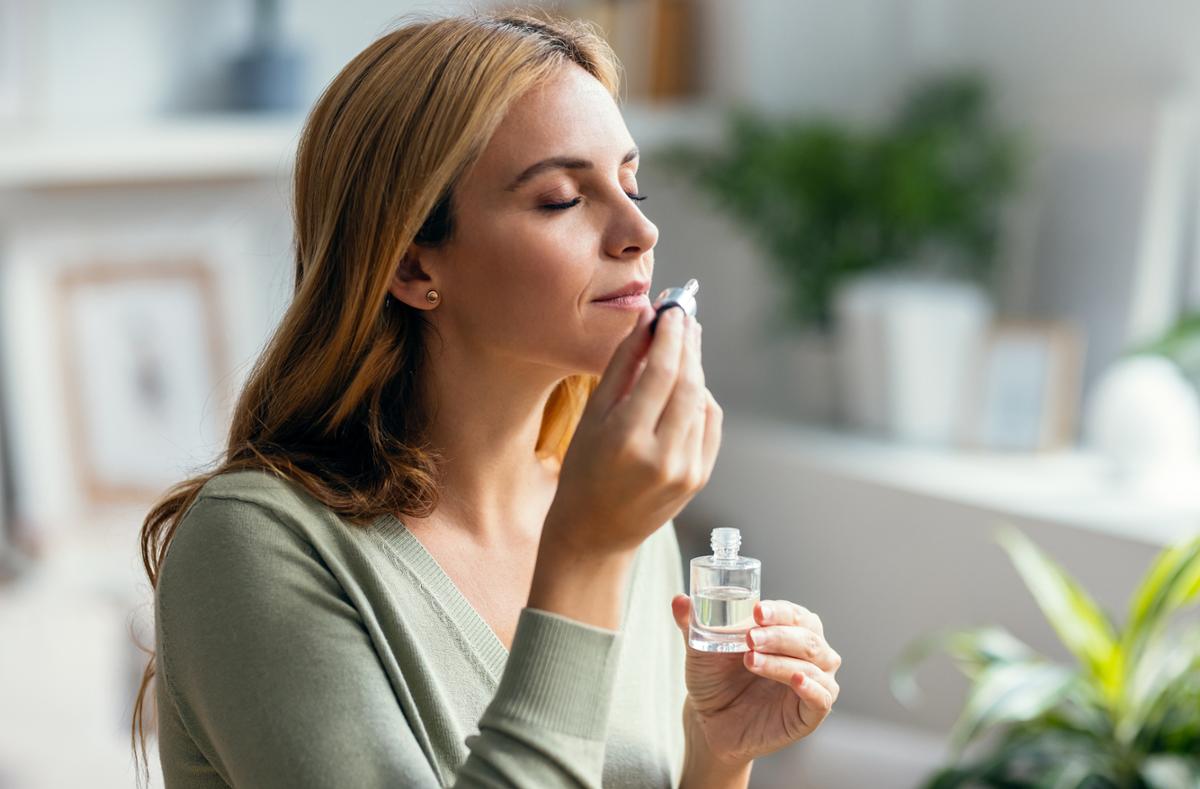
Aromatherapy interventions can reduce cortisol levels / photo: istock/ nensuria
Aromas have been used in human rituals, therapeutic practices and everyday life since before written records began, yet the profession faces the ongoing challenges of being seen as unscientific folk medicine or similar.
When French chemist René-Maurice Gattefossé coined the term ‘aromatherapy’ in 1937, he effectively named a new discipline – creating a category within which a wide range of practitioners could gather, work and find identity.
Today, millions of people practice aromatherapy in an industry estimated to be worth US$15 billion (€12.8 billion, £11.1 billion) a year by 2030.
Evidence is changing attitudes Scientists from the fields of medicine, psychology, biology, pharmacology and neuroscience are finally turning their attention to rigorous investigations of the potential therapeutic benefits of the aromas of essential oils.
The neuroscience is clear: the inhalation of aromas of essential oils changes the pattern of electrical signalling between nerve cells in the brain. This means purportedly sedative aromas, such as lavender, increase signalling associated with sleep. Arousing aromas such as rosemary, increase signalling associated with alert states of mind.
Cognitive effects The brain is a particularly greedy organ, using around 20 per cent of the body's energy production at rest, despite only accounting for about 2 per cent of the body’s weight.
Data recently collected in our lab has shown that aromas of essential oils can increase energy utilisation when completing challenging cognitive tasks, while improving performance on those tasks.
Some of the compounds in essential oils have also been assessed for neurochemical activity and affect levels of biochemical signalling between neurons in areas of the brain linked to memory.
Stress and anxiety Social anxiety and stress are linked to the level and daily variation of a number of hormones, particularly cortisol and aromatherapists often help people with stress and anxiety, with a growing body of research supporting the efficacy of these approaches.
Our research has shown that aromatherapy interventions can reduce cortisol levels and rebalance the daily cycle of cortisol after a two-week treatment regimen.
A major proposition of aromatherapists worldwide is that essential oils work together in synergy, producing a whole that is greater than the sum of its parts. Evidence from our lab supports this when the blending is purposeful and evidence-based.
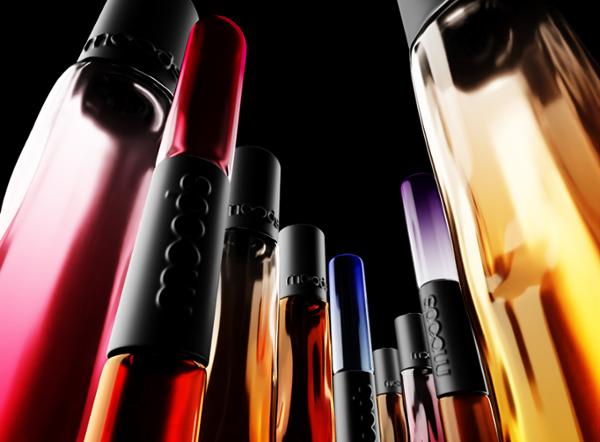
Data indicate the aroma of some blends, such as those we've tested by spa brand MoodsPro, out-perform single oil aromas in studies of cognitive performance, attention, anxiety and stress.
In conclusion, aromatherapy should not be considered as a panacea or a replacement for modern medicine. Rather it should be widely recognised as an complementary intervention in a truly integrated healthcare system.
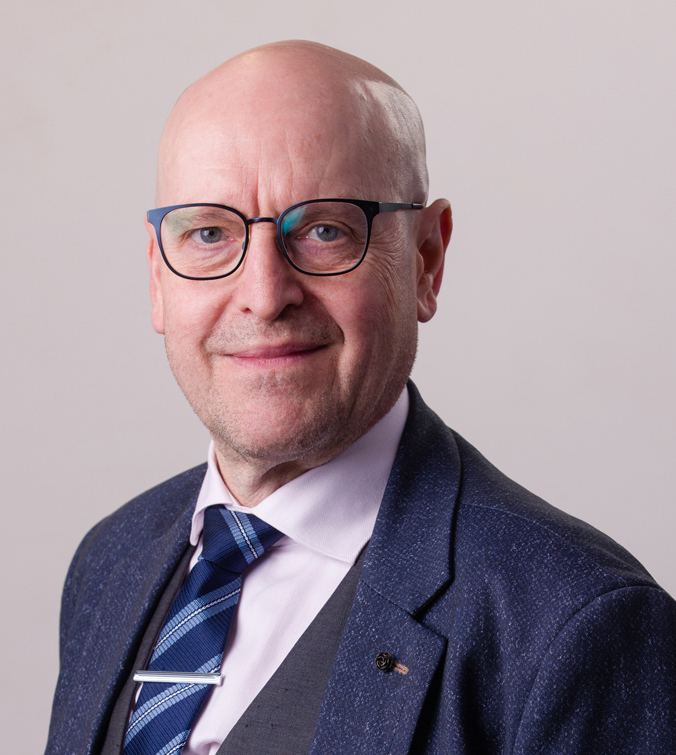
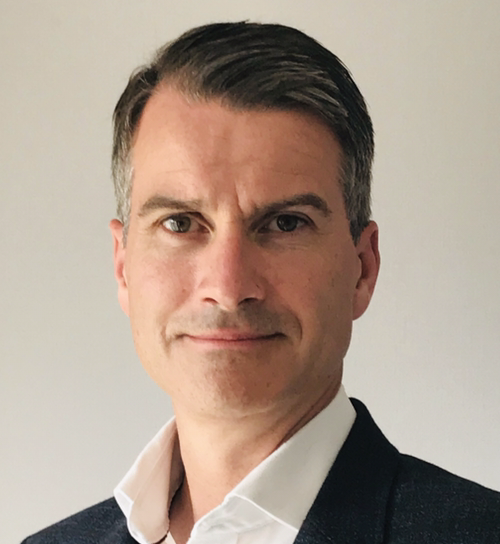
Professor Mark Moss is head of the department of psychology and a founding member of the Brain Performance and Nutrition Research Centre at Northumbria University.
• Professor Mark Moss is head of the department of psychology and a founding member of the Brain Performance and Nutrition Research Centre at Northumbria University.
"Aromatherapy should be a complementary intervention in a truly integrated healthcare system" –
Professor Mark Moss, head of the department of Psychology, University of Northumbria, UK
The MSpa Oslo series is a perennial bestseller in global markets. With innovative
engineering and premium performance, this completely portable spa line-up is expertly
designed to meet the needs of customers worldwide. [more...]
In the fast-paced world of fitness and wellness, where high-intensity workouts push us to
our limits and the sweat pours, the importance of efficient recovery cannot be overstated. [more...]
Aromatherapy interventions can reduce cortisol levels / photo: istock/ nensuria
Aromas have been used in human rituals, therapeutic practices and everyday life since before written records began, yet the profession faces the ongoing challenges of being seen as unscientific folk medicine or similar.
When French chemist René-Maurice Gattefossé coined the term ‘aromatherapy’ in 1937, he effectively named a new discipline – creating a category within which a wide range of practitioners could gather, work and find identity.
Today, millions of people practice aromatherapy in an industry estimated to be worth US$15 billion (€12.8 billion, £11.1 billion) a year by 2030.
Evidence is changing attitudes Scientists from the fields of medicine, psychology, biology, pharmacology and neuroscience are finally turning their attention to rigorous investigations of the potential therapeutic benefits of the aromas of essential oils.
The neuroscience is clear: the inhalation of aromas of essential oils changes the pattern of electrical signalling between nerve cells in the brain. This means purportedly sedative aromas, such as lavender, increase signalling associated with sleep. Arousing aromas such as rosemary, increase signalling associated with alert states of mind.
Cognitive effects The brain is a particularly greedy organ, using around 20 per cent of the body's energy production at rest, despite only accounting for about 2 per cent of the body’s weight.
Data recently collected in our lab has shown that aromas of essential oils can increase energy utilisation when completing challenging cognitive tasks, while improving performance on those tasks.
Some of the compounds in essential oils have also been assessed for neurochemical activity and affect levels of biochemical signalling between neurons in areas of the brain linked to memory.
Stress and anxiety Social anxiety and stress are linked to the level and daily variation of a number of hormones, particularly cortisol and aromatherapists often help people with stress and anxiety, with a growing body of research supporting the efficacy of these approaches.
Our research has shown that aromatherapy interventions can reduce cortisol levels and rebalance the daily cycle of cortisol after a two-week treatment regimen.
A major proposition of aromatherapists worldwide is that essential oils work together in synergy, producing a whole that is greater than the sum of its parts. Evidence from our lab supports this when the blending is purposeful and evidence-based.
Data indicate the aroma of some blends, such as those we've tested by spa brand MoodsPro, out-perform single oil aromas in studies of cognitive performance, attention, anxiety and stress.
In conclusion, aromatherapy should not be considered as a panacea or a replacement for modern medicine. Rather it should be widely recognised as an complementary intervention in a truly integrated healthcare system.
Professor Mark Moss is head of the department of psychology and a founding member of the Brain Performance and Nutrition Research Centre at Northumbria University.
• Professor Mark Moss is head of the department of psychology and a founding member of the Brain Performance and Nutrition Research Centre at Northumbria University.
"Aromatherapy should be a complementary intervention in a truly integrated healthcare system" –
Professor Mark Moss, head of the department of Psychology, University of Northumbria, UK
Aditya Saluja, an industry leader in luxury wellness hospitality, has been
appointed as
commercial director of spa and wellness for the spa management division of
Minor Hotels,
MSpa International.
Preidlhof Luxury DolceVita Resort, a destination resort and spa in Naturno, South Tyrol in Italy,
will reveal a new spa in February 2027, which has been designed by wellness expert and
consultant Patrizia Bortolin.
Private hotel owner and developer HVL Hotels will open a new luxury resort and tourism
destination called Laval Hunter Valley in the second half of 2027 in Pokolbin, Australia.
The annual wellness festival dedicated to wellbeing, culture, longevity and human connection,
called Alma, will be hosted by Rocco Forte hotel, Verdura Resort in Sicily, Italy.
Capella Hotel Group has appointed Feisal Jaffer as chief development officer as the company
ramps up its global expansion of both its Capella and Patina brands.
The MSpa Oslo series is a perennial bestseller in global markets. With innovative
engineering and premium performance, this completely portable spa line-up is expertly
designed to meet the needs of customers worldwide. [more...]
In the fast-paced world of fitness and wellness, where high-intensity workouts push us to
our limits and the sweat pours, the importance of efficient recovery cannot be overstated. [more...]