Yes! Send me the FREE digital editions of Spa Business and Spa Business insider magazines and the FREE weekly Spa Business and Spa Business insider ezines and breaking news alerts!
Florida and Cuba aquariums forge a partnership to protect and restore the Caribbean’s coral ecosystems, setting an example for other aquariums to follow
By Alice Davis | Published in Attractions Management 2015 issue 4
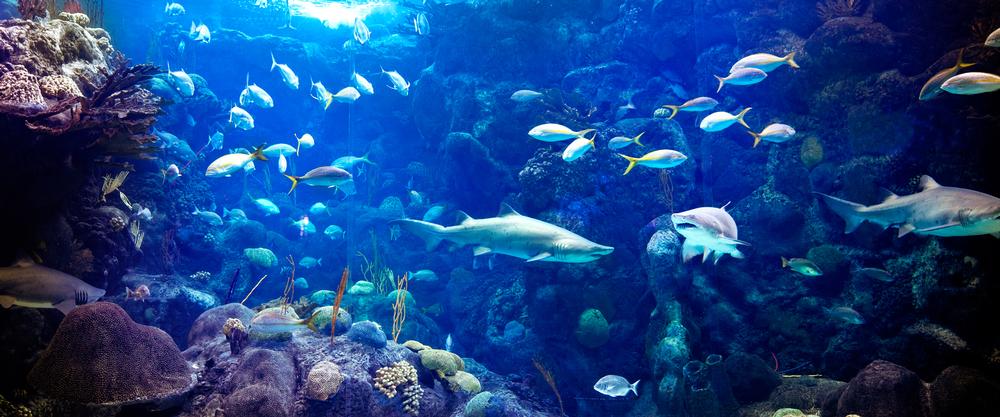
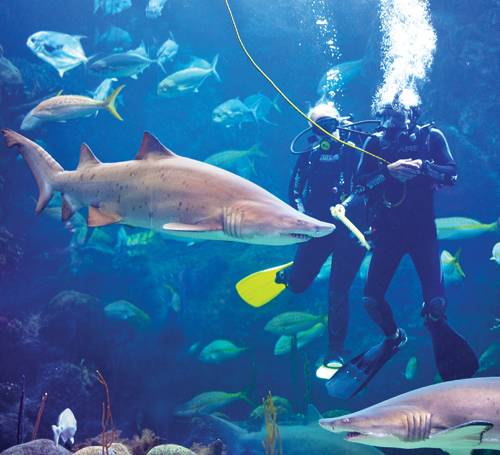
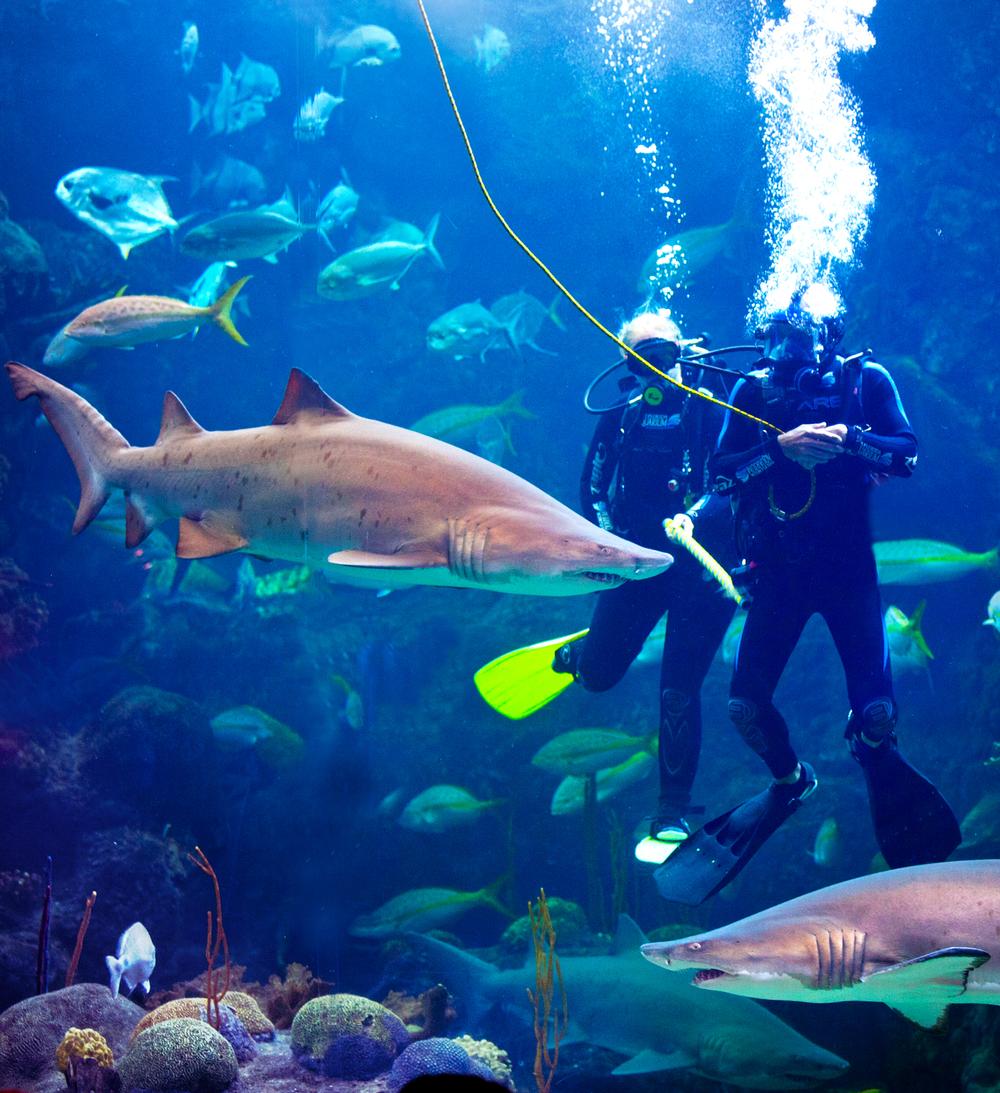
The Florida Aquarium and the National Aquarium of Cuba both work to protect coral, sea turtles and sharks
In August, the Florida Aquarium entered a bilateral agreement with Cuba’s National Aquarium in Havana, forming a mutually beneficial partnership aimed at working together on marine issues. Efforts to protect and preserve coral reefs were made a priority in the collaboration.
With less than 250 miles (400km) separating the two attractions, the Florida Aquarium believes studying Cuba’s underwater ecosystem – where the reefs are in far better condition – will help with the coral restoration process in the Florida Keys archipelago. In return, the Tampa Bay aquarium will share with the National Aquarium of Cuba (NAC) what it has learned about restoring coral reefs and growing coral in a controlled setting.
The aquariums agreed the partnership in 2014, deciding to keep a simple focus on education, research and conservation.
“It’s an opportunity to work with an aquarium that shares the exact same environment,” says Margo McKnight, vice president of biological operations at the Florida Aquarium. “Cuba has done a really great job protecting its reefs and that’s what we’re most interested in – Cuba’s ecosystems are in much better shape, whereas we are trying to restore ours.
“Observing Cuba’s reefs and collecting data on the biodiversity present on these healthy reefs will help us recreate the reefs in the Florida Keys. It’s like rolling back time – a snapshot of what our reefs likely looked like,” says McKnight.
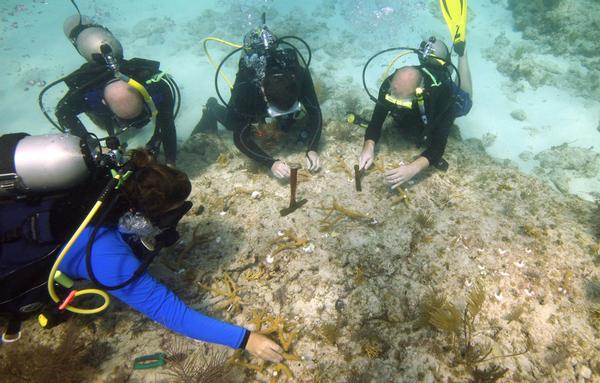
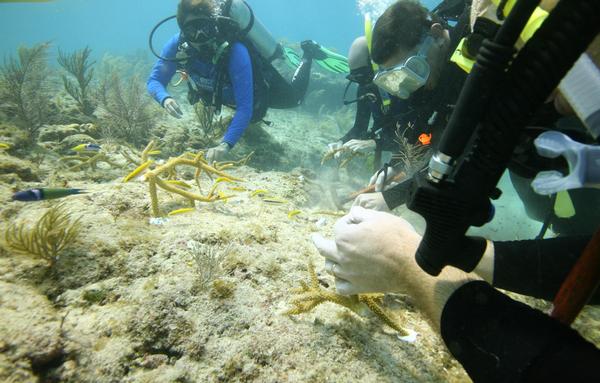
The Florida Aquarium works with the Coral Restoration Foundation (CRF), as well as other groups, planting fast-growing staghorn coral in the Keys. Monitoring the species and ecosystem in Cuba – which is famed for its Jardines de la Reina (Garden of the Queens) National Park in the southern waters off the provinces of Camagüey and Ciego de Ávila – will help the Florida mission focus its efforts to rebuild a productive and healthy reef.
“The Florida Aquarium is taking an active and progressive position on protecting and restoring coral reefs,” says Ken Nedimyer, founder and president of the CRF. “They are involved in some progressive research aimed at finding actionable solutions to some of the key problems on coral reefs.”
“Cuba has been exposed to the same big problems and events that have degraded most of the rest of the Caribbean – sea urchin loss, overfishing, coral diseases and bleaching, inadequate sewage treatment, poor storm water management, agricultural run-off and hurricanes – so I think the Florida Aquarium can bring the right balance of research, solutions and action to some of the problems facing Cuba’s coral reef ecosystems,” says Nedimyer.
With Cuba and the US making historic moves to normalise their relationship, more and more people are going to be visiting the island nation. Conservationists are pressing for responsible tourism that won’t have a negative impact on Cuba’s ecosystems. Aquariums can provide programmes directed at educating visitors about this – and even encouraging them to play a part.
Fernando Bretos, director for Cuba marine research and conservation at the Patricia and Phillip Frost Museum of Science in Miami, Florida, has been working with the NAC for over 10 years on coral reef and sea turtle conservation.
“Through exhibits and outreach programs, aquariums can introduce the public to the benefits of coral restoration,” Bretos says. “They also stand in a unique position to empower their constituents to get involved in coral restoration as citizen scientists. For all its value for restoring underwater ecosystems, coral restoration is limited by the number of volunteer divers that get involved in planting corals. In other words, the more volunteers involved, the more coral can be restored.”
The science of coral restoration has seen success in Florida, and by working in partnership the two aquariums will be able to share more information and cover more ground. With an influx of American tourists on the horizon, McKnight is optimistic that Cuba will be able to learn from environmental mistakes made elsewhere in the world, “rolling back time, but knowing what we know now. They can learn lessons that we are now having to fix.”
For Nedimyer, if attractions want to aid conservation efforts, it’s vital they select the right issues to focus on. Often that will be something in the local area, and if efforts directly benefit the local community, then fundraising will be easier.
“Most public aquariums have very active conservation programmes and are making a difference in the areas they have decided to focus on,” says Nedimyer. “They can’t do everything, so they must focus on an area that is strategic for them, their clientele and their donor base. The Florida Aquarium has chosen to focus on reefs and it makes sense based on their geographic location. I think they’ll be a key player in developing a public awareness programme in Cuba for coral reef protection and restoration.”
Read more from this issue of Spa Business magazine
Attractions: Gone, Not Forgotten
We find out what people thought of
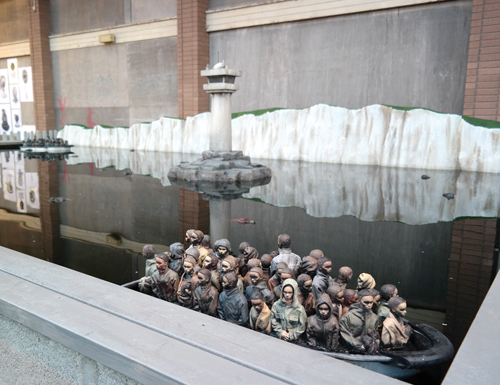
Dismaland, Banksy’s twisted theme park
and contemporary art attraction – and
talk to one of the Dismal Stewards
Promotional feature: IdeAttack
Mysteries of China’s rich culture are at the heart of IDEATTACK’s new mixed-used tourism destination
Zoos & Aquariums: Turn over a New Reef
The Florida Aquarium is teaming
up with the National Aquarium of
Cuba in a bid to save and restore
the region’s precious coral reefs
Florida and Cuba aquariums forge a partnership to protect and restore the Caribbean’s coral ecosystems, setting an example for other aquariums to follow
By Alice Davis | Published in Attractions Management 2015 issue 4
The Florida Aquarium and the National Aquarium of Cuba both work to protect coral, sea turtles and sharks
In August, the Florida Aquarium entered a bilateral agreement with Cuba’s National Aquarium in Havana, forming a mutually beneficial partnership aimed at working together on marine issues. Efforts to protect and preserve coral reefs were made a priority in the collaboration.
With less than 250 miles (400km) separating the two attractions, the Florida Aquarium believes studying Cuba’s underwater ecosystem – where the reefs are in far better condition – will help with the coral restoration process in the Florida Keys archipelago. In return, the Tampa Bay aquarium will share with the National Aquarium of Cuba (NAC) what it has learned about restoring coral reefs and growing coral in a controlled setting.
The aquariums agreed the partnership in 2014, deciding to keep a simple focus on education, research and conservation.
“It’s an opportunity to work with an aquarium that shares the exact same environment,” says Margo McKnight, vice president of biological operations at the Florida Aquarium. “Cuba has done a really great job protecting its reefs and that’s what we’re most interested in – Cuba’s ecosystems are in much better shape, whereas we are trying to restore ours.
“Observing Cuba’s reefs and collecting data on the biodiversity present on these healthy reefs will help us recreate the reefs in the Florida Keys. It’s like rolling back time – a snapshot of what our reefs likely looked like,” says McKnight.
The Florida Aquarium works with the Coral Restoration Foundation (CRF), as well as other groups, planting fast-growing staghorn coral in the Keys. Monitoring the species and ecosystem in Cuba – which is famed for its Jardines de la Reina (Garden of the Queens) National Park in the southern waters off the provinces of Camagüey and Ciego de Ávila – will help the Florida mission focus its efforts to rebuild a productive and healthy reef.
“The Florida Aquarium is taking an active and progressive position on protecting and restoring coral reefs,” says Ken Nedimyer, founder and president of the CRF. “They are involved in some progressive research aimed at finding actionable solutions to some of the key problems on coral reefs.”
“Cuba has been exposed to the same big problems and events that have degraded most of the rest of the Caribbean – sea urchin loss, overfishing, coral diseases and bleaching, inadequate sewage treatment, poor storm water management, agricultural run-off and hurricanes – so I think the Florida Aquarium can bring the right balance of research, solutions and action to some of the problems facing Cuba’s coral reef ecosystems,” says Nedimyer.
With Cuba and the US making historic moves to normalise their relationship, more and more people are going to be visiting the island nation. Conservationists are pressing for responsible tourism that won’t have a negative impact on Cuba’s ecosystems. Aquariums can provide programmes directed at educating visitors about this – and even encouraging them to play a part.
Fernando Bretos, director for Cuba marine research and conservation at the Patricia and Phillip Frost Museum of Science in Miami, Florida, has been working with the NAC for over 10 years on coral reef and sea turtle conservation.
“Through exhibits and outreach programs, aquariums can introduce the public to the benefits of coral restoration,” Bretos says. “They also stand in a unique position to empower their constituents to get involved in coral restoration as citizen scientists. For all its value for restoring underwater ecosystems, coral restoration is limited by the number of volunteer divers that get involved in planting corals. In other words, the more volunteers involved, the more coral can be restored.”
The science of coral restoration has seen success in Florida, and by working in partnership the two aquariums will be able to share more information and cover more ground. With an influx of American tourists on the horizon, McKnight is optimistic that Cuba will be able to learn from environmental mistakes made elsewhere in the world, “rolling back time, but knowing what we know now. They can learn lessons that we are now having to fix.”
For Nedimyer, if attractions want to aid conservation efforts, it’s vital they select the right issues to focus on. Often that will be something in the local area, and if efforts directly benefit the local community, then fundraising will be easier.
“Most public aquariums have very active conservation programmes and are making a difference in the areas they have decided to focus on,” says Nedimyer. “They can’t do everything, so they must focus on an area that is strategic for them, their clientele and their donor base. The Florida Aquarium has chosen to focus on reefs and it makes sense based on their geographic location. I think they’ll be a key player in developing a public awareness programme in Cuba for coral reef protection and restoration.”
Read more from this issue of Spa Business magazine
Attractions: Gone, Not Forgotten
We find out what people thought of
Dismaland, Banksy’s twisted theme park
and contemporary art attraction – and
talk to one of the Dismal Stewards
Promotional feature: IdeAttack
Mysteries of China’s rich culture are at the heart of IDEATTACK’s new mixed-used tourism destination
Zoos & Aquariums: Turn over a New Reef
The Florida Aquarium is teaming
up with the National Aquarium of
Cuba in a bid to save and restore
the region’s precious coral reefs
Global Wellness Day (GWD) will mark its 15th anniversary on Saturday 13 June 2026, with the
theme: #JoyMagenta – a celebration of the healing qualities of simple gestures and activities
that spark joy.
Global luxury hospitality brand, Six Senses, has partnered with longevity healthcare provider,
HUM2N, to launch a clinic at Six Senses London, at The Whiteley.
As part of its first hotel partnership, Mayrlife – the medical health resort company known for its
site in Altaussee, Austria – has launched a day clinic at the Rosewood Vienna.
Premium London health club, KX Chelsea, will imminently unveil its most significant
redevelopment since its launch in 2002 to create an integrated wellness model combining
training, recovery and relaxation.
Rosewood Le Guanahani St Barth, on the northeast coast of Saint Barthélemy in the French
West Indies, is offering a programme of ocean-inspired yoga classes between 8-14 June to
celebrate Global Wellness Day (GWD).
Hotel de France, located on the British Isle of Jersey, has created a wellness retreat package
that includes a hot yoga session that will take place in Jersey Zoo’s butterfly sanctuary.
The Ritz-Carlton, Langkawi, in Malaysia, has revealed a schedule for Global Wellness Day
(GWD) that includes guided rainforest walks, mindful movement and guided coastal meditation
experiences.
Longevitix, a clinical platform for preventive and longevity medicine, has launched its AI-
powered intelligence system to help physicians deliver continuous, personalised longevity-
focused care at scale.
Atmantan Wellness Centre, an integrative wellness destination in Mulshi, near Pune in India, is
expanding its portfolio by adding a new centre in Hyderabad that will launch between 2028 and
2029.
A recent survey by the UK Spa Association (UKSA) into the industry’s approach to cancer care
has revealed that almost half of participating respondents (46 per cent) are unaware that
cancer is a disability and guests with a cancer diagnosis must be given