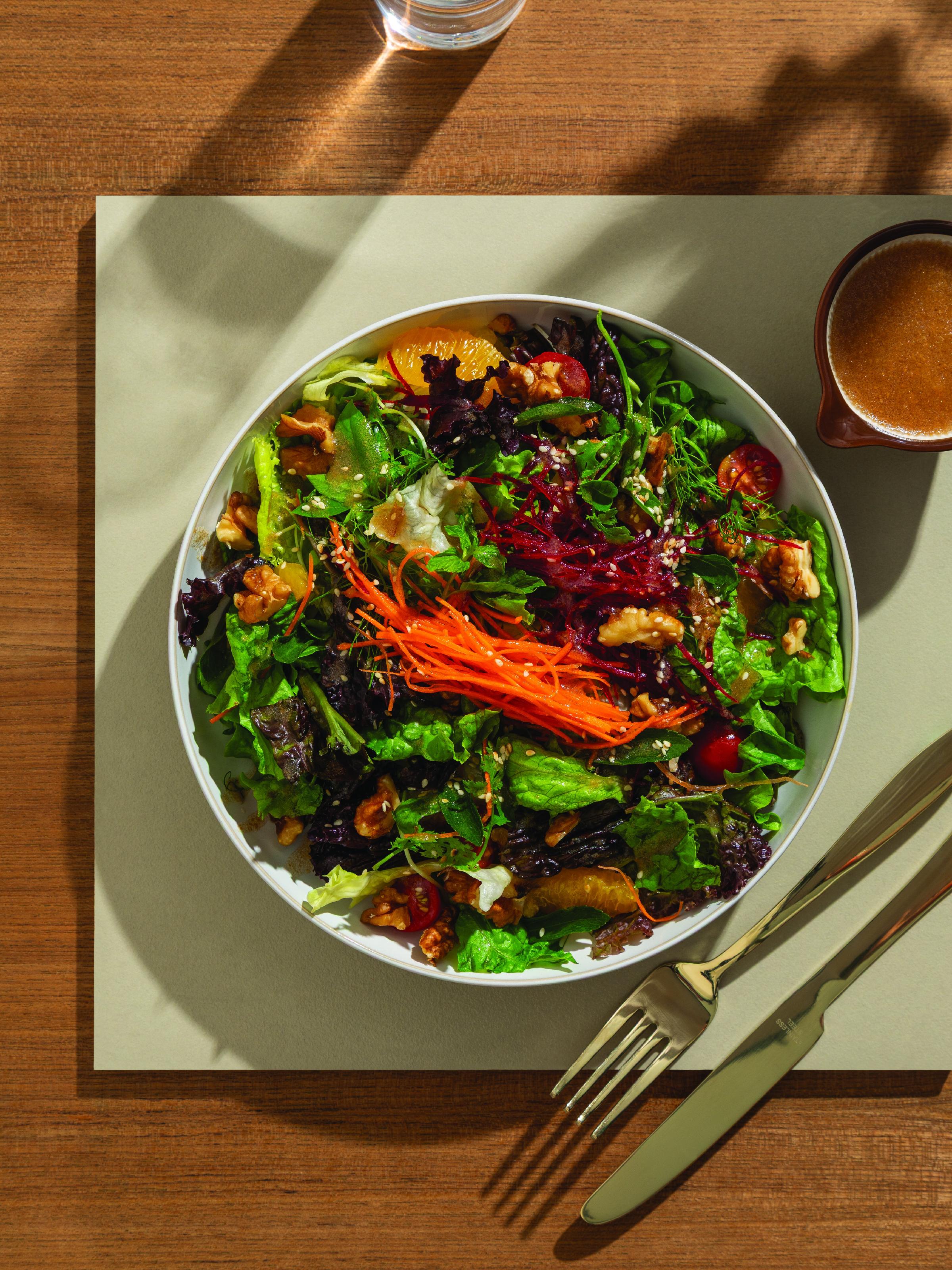
Rooted in Ayurvedic wisdom, the book is structured around eight pillars of modern wellbeing
The book describes food as a complete system of holistic care, rather than a collection of recipes
Readers will first complete a dosha self-assessment to understand how to prepare and eat the dishes based on their own constitutions
Ananda in the Himalayas, India, has published its first cookbook, built on the wellness retreat’s 25 years of Ayurvedic cuisine expertise.
The book, The Healing Plate, features more than 100 recipes developed by the destination’s chefs, many of which have not been shared before.
In addition to the recipes, the book contains a comprehensive guide to Ayurvedic nutrition. The content outlines how food affects people differently and in order to eat well, one must know one's own body and constitution.
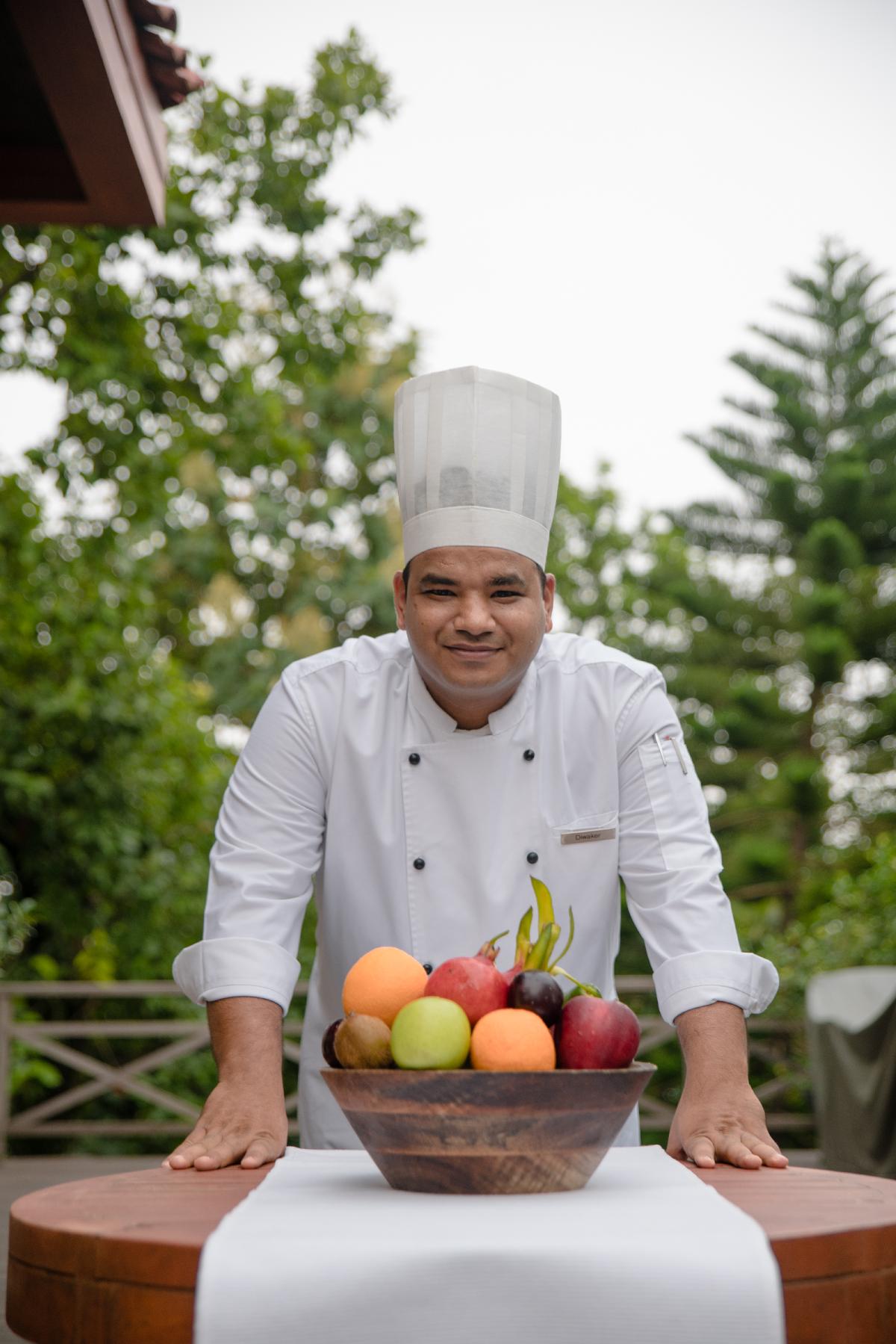
Diwaker Balodi, Ananda’s director of culinary and F&B chef, said: “At Ananda in the Himalayas, each day in the kitchen begins not as a routine, but as a journey of discovery and purpose. Our culinary inspiration is rooted in the time-honoured Ayurvedic wisdom that food is much more than sustenance – it is medicine, energy and art woven together in every plate that leaves our kitchen. That is the Ayurvedic kitchen. Cook with that understanding once and you will never want to cook one-size-fits-all food again.”
The book begins with a dosha self-assessment to help readers understand their own constitutions. Recipes then explain how to adapt the preparation of the food to each dosha.
The book is structured around eight pillars of modern wellbeing, designed to help readers understand food as a complete system of holistic care, rather than a collection of dishes. The pillars are:
- Energy
- Digestion
- Inflammation
- Immunity
- Detoxification
- Cognition
- Sleep
- Zero waste
There is also a chapter on the Ayurvedic science of seasonal living, known as Ritucharya. This section contains information on how to eat during the seasons, but also during transitions between seasons.
How to eat consciously is also covered in the book, emphasising the importance of the state of mind the person is in when a meal is eaten.