Latest
issue
Uniting the world of spa & wellness
Get Spa Business and Spa Business insider digital magazines FREE
Sign up here ▸
News   Features   Products   Company profilesProfiles   Press releasesProfiles   Magazine   Handbook   Advertise    Subscribe  
NEWS
Cut sugar consumption to less than 10 per cent of daily energy intake: WHO
POSTED 05 Mar 2015 . BY Helen Andrews
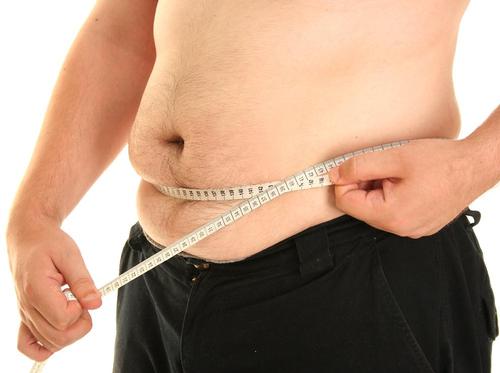
Cutting sugar to less than 5 per cent of one’s daily calorie intake would go even further to help prevent chronic diseases linked to poor diets including heart disease, cancer and diabetes, says the WHO Credit: Shutterstock / PathDoc
The World Health Organisation (WHO) has issued new guidelines on sugar consumption that say adults and children from most countries in the world should roughly halve the amount of sugar they eat to lower the risk of obesity and tooth decay.

The new advice suggests people should reduce their sugar consumption to less than 10 per cent of their daily energy intake. This is equivalent to about 50g or 12 teaspoons of sugar for adults. Based on a 2,000-calorie diet, this means no more than 200 calories should come from sugar, according to the new advice.

The organisation advocates that cutting sugar to less than 5 per cent of one’s daily calorie intake would go even further to help prevent chronic diseases linked to poor diets including heart disease, cancer and diabetes. In the 2,000-calorie diet scenario, this means just 100 calories can come from sugar.

These recommendations cover sugars such as glucose, fructose, sucrose or table sugar which are added to processed foods and drinks. They do not cover sugar found naturally in fresh fruit, vegetables and milk.

“The reason we are focusing on sugar is that we really have seen the important association with weight gain and obesity is a major public health concern for many countries – an increasing concern,” said the director of WHO’s department of nutrition for health and development, Dr Francesco Branca.

The current average consumption in South America is 130g per adult per day; in North and Central America it’s 95g; in Western Europe it’s about 101g; and in the Middle East it’s 90g – according to Branca. Equatorial and southern Africa has the lowest average consumption at just 30g.

“Actually, it is very easy to exceed the recommendation of 12 teaspoons if you think of maybe having a bowl of breakfast cereal in the morning, then maybe you have a can of soda sometime during the day, then you have for dinner a sweetened yogurt – you are already above the 10 per cent,” added Branca. “You are already at approximately 15 teaspoons.”

One can of sugar-sweetened soda contains up to 40g – around 10 teaspoons – of sugar, while orange and apple juices have between 24-26g.

The global beverage industry’s International Council of Beverages Association, including the American Beverage Association – which includes members such as Coca-Cola Co and PepsiCo – issued a statement saying it is disappointed by WHO’s recommendations “as it does not reflect scientific agreement on the totality of evidence.”

In March 2014, however, WHO warned that ‘obese’ and ‘overweight’ body shapes are set to become “the new norm” throughout Europe due to a “deadly” epidemic of physical inactivity and diets high in sugar.

The UK Health Forum, in collaboration with the WHO’s regional office for Europe, predicted – in May last year – three quarters of British men will be overweight or obese by 2030 because of current levels of inactivity and poor diets.

• To read an in-depth analysis of what the wellness industry can be doing to tackle the sugar epidemic – first published in the magazine, click
here.

RELATED STORIES
  Three quarters of British men to be overweight or obese by 2030: study


Three quarters of British men will be overweight or obese by 2030 because of current levels of inactivity and poor diets, according to a study conducted by the UK Health Forum with the World Health Organisation's Regional Office for Europe.
  Obesity to become ‘the new norm’ across Europe


The World Health Organisation (WHO) has warned that obesity and overweight are set to become “the new norm” throughout Europe due to a “deadly” epidemic of physical inactivity and diets high in sugar, fat and salt.
  WHO confirms 'Healthy City' status for Cork


The World Health Organisation (WHO) has announced that Cork, Ireland, has become one latest cities to receive "Healthy City" status for its work to promote healthier lifestyles.
MORE NEWS
Belgin Aksoy prepares to mark 15 years of Global Wellness Day on Saturday 13 June
Global Wellness Day (GWD) will mark its 15th anniversary on Saturday 13 June 2026, with the theme: #JoyMagenta – a celebration of the healing qualities of simple gestures and activities that spark joy.
HUM2N opens longevity clinic at Six Senses London
Global luxury hospitality brand, Six Senses, has partnered with longevity healthcare provider, HUM2N, to launch a clinic at Six Senses London, at The Whiteley.
Mayrlife opens first hotel day clinic in partnership with Rosewood Vienna
As part of its first hotel partnership, Mayrlife – the medical health resort company known for its site in Altaussee, Austria – has launched a day clinic at the Rosewood Vienna.
KX Chelsea invests £15 million to upgrade its wellness offering
Premium London health club, KX Chelsea, will imminently unveil its most significant redevelopment since its launch in 2002 to create an integrated wellness model combining training, recovery and relaxation.
+ More news   

FEATURED SUPPLIERS

Why future-ready in-house laundry is the new luxury spa essential
In today’s premium spa environment, every detail shapes the guest experience – right down to the softness of towels and the freshness of linens. [more...]

Glow beyond protection: meet Comfort Zone Hydramemory Hybrid Glow SPF 30
Sun protection is no longer just about shielding the skin – it's about enhancing it. [more...]
+ More featured suppliers  
COMPANY PROFILES
Balanced Body

Balanced Body is the global leader in Pilates equipment and education. Founded nearly 50 years ago, [more...]
Yon-Ka

As pioneers in aromatherapy since 1954 and founders of the Yon-Ka brand, the Multaler Laboratories, [more...]
+ More profiles  
CATALOGUE GALLERY
 

+ More catalogues  

DIRECTORY
+ More directory  
DIARY


21-23 Jun 2026

Spa Life International (UK)

Midlands (Venue TBA), Liphook, United Kingdom
22-22 Jun 2026

World Bathing Day

Worldwide,
+ More diary  
 
ABOUT LEISURE MEDIA
LEISURE MEDIA MAGAZINES
LEISURE MEDIA HANDBOOKS
LEISURE MEDIA WEBSITES
LEISURE MEDIA PRODUCT SEARCH
 
SPA BUSINESS
SPA OPPORTUNITIES
SPA BUSINESS HANDBOOK
PRINT SUBSCRIPTIONS
FREE DIGITAL SUBSCRIPTIONS
ADVERTISE . CONTACT US

Leisure Media
Tel: +44 (0)1462 431385

©Cybertrek 2026
Uniting the world of spa & wellness
Get Spa Business and Spa Business insider digital magazines FREE
Sign up here ▸
News   Products   Magazine   Subscribe
NEWS
Cut sugar consumption to less than 10 per cent of daily energy intake: WHO
POSTED 05 Mar 2015 . BY Helen Andrews
Cutting sugar to less than 5 per cent of one’s daily calorie intake would go even further to help prevent chronic diseases linked to poor diets including heart disease, cancer and diabetes, says the WHO Credit: Shutterstock / PathDoc
The World Health Organisation (WHO) has issued new guidelines on sugar consumption that say adults and children from most countries in the world should roughly halve the amount of sugar they eat to lower the risk of obesity and tooth decay.

The new advice suggests people should reduce their sugar consumption to less than 10 per cent of their daily energy intake. This is equivalent to about 50g or 12 teaspoons of sugar for adults. Based on a 2,000-calorie diet, this means no more than 200 calories should come from sugar, according to the new advice.

The organisation advocates that cutting sugar to less than 5 per cent of one’s daily calorie intake would go even further to help prevent chronic diseases linked to poor diets including heart disease, cancer and diabetes. In the 2,000-calorie diet scenario, this means just 100 calories can come from sugar.

These recommendations cover sugars such as glucose, fructose, sucrose or table sugar which are added to processed foods and drinks. They do not cover sugar found naturally in fresh fruit, vegetables and milk.

“The reason we are focusing on sugar is that we really have seen the important association with weight gain and obesity is a major public health concern for many countries – an increasing concern,” said the director of WHO’s department of nutrition for health and development, Dr Francesco Branca.

The current average consumption in South America is 130g per adult per day; in North and Central America it’s 95g; in Western Europe it’s about 101g; and in the Middle East it’s 90g – according to Branca. Equatorial and southern Africa has the lowest average consumption at just 30g.

“Actually, it is very easy to exceed the recommendation of 12 teaspoons if you think of maybe having a bowl of breakfast cereal in the morning, then maybe you have a can of soda sometime during the day, then you have for dinner a sweetened yogurt – you are already above the 10 per cent,” added Branca. “You are already at approximately 15 teaspoons.”

One can of sugar-sweetened soda contains up to 40g – around 10 teaspoons – of sugar, while orange and apple juices have between 24-26g.

The global beverage industry’s International Council of Beverages Association, including the American Beverage Association – which includes members such as Coca-Cola Co and PepsiCo – issued a statement saying it is disappointed by WHO’s recommendations “as it does not reflect scientific agreement on the totality of evidence.”

In March 2014, however, WHO warned that ‘obese’ and ‘overweight’ body shapes are set to become “the new norm” throughout Europe due to a “deadly” epidemic of physical inactivity and diets high in sugar.

The UK Health Forum, in collaboration with the WHO’s regional office for Europe, predicted – in May last year – three quarters of British men will be overweight or obese by 2030 because of current levels of inactivity and poor diets.

• To read an in-depth analysis of what the wellness industry can be doing to tackle the sugar epidemic – first published in the magazine, click
here.

RELATED STORIES
Three quarters of British men to be overweight or obese by 2030: study


Three quarters of British men will be overweight or obese by 2030 because of current levels of inactivity and poor diets, according to a study conducted by the UK Health Forum with the World Health Organisation's Regional Office for Europe.

Obesity to become ‘the new norm’ across Europe


The World Health Organisation (WHO) has warned that obesity and overweight are set to become “the new norm” throughout Europe due to a “deadly” epidemic of physical inactivity and diets high in sugar, fat and salt.

WHO confirms 'Healthy City' status for Cork


The World Health Organisation (WHO) has announced that Cork, Ireland, has become one latest cities to receive "Healthy City" status for its work to promote healthier lifestyles.
MORE NEWS
Belgin Aksoy prepares to mark 15 years of Global Wellness Day on Saturday 13 June
Global Wellness Day (GWD) will mark its 15th anniversary on Saturday 13 June 2026, with the theme: #JoyMagenta – a celebration of the healing qualities of simple gestures and activities that spark joy.
HUM2N opens longevity clinic at Six Senses London
Global luxury hospitality brand, Six Senses, has partnered with longevity healthcare provider, HUM2N, to launch a clinic at Six Senses London, at The Whiteley.
Mayrlife opens first hotel day clinic in partnership with Rosewood Vienna
As part of its first hotel partnership, Mayrlife – the medical health resort company known for its site in Altaussee, Austria – has launched a day clinic at the Rosewood Vienna.
KX Chelsea invests £15 million to upgrade its wellness offering
Premium London health club, KX Chelsea, will imminently unveil its most significant redevelopment since its launch in 2002 to create an integrated wellness model combining training, recovery and relaxation.
Rosewood Le Guanahani St Barth offers ocean-themed yoga for Global Wellness Day
Rosewood Le Guanahani St Barth, on the northeast coast of Saint Barthélemy in the French West Indies, is offering a programme of ocean-inspired yoga classes between 8-14 June to celebrate Global Wellness Day (GWD).
Butterfly sanctuary to host hot yoga during retreat at Jersey Zoo for Hotel de France
Hotel de France, located on the British Isle of Jersey, has created a wellness retreat package that includes a hot yoga session that will take place in Jersey Zoo’s butterfly sanctuary.
+ More news   
 
FEATURED SUPPLIERS

Why future-ready in-house laundry is the new luxury spa essential
In today’s premium spa environment, every detail shapes the guest experience – right down to the softness of towels and the freshness of linens. [more...]

Glow beyond protection: meet Comfort Zone Hydramemory Hybrid Glow SPF 30
Sun protection is no longer just about shielding the skin – it's about enhancing it. [more...]
+ More featured suppliers  
COMPANY PROFILES
Balanced Body

Balanced Body is the global leader in Pilates equipment and education. Founded nearly 50 years ago, [more...]
+ More profiles  
CATALOGUE GALLERY
+ More catalogues  

DIRECTORY
+ More directory  
DIARY


21-23 Jun 2026

Spa Life International (UK)

Midlands (Venue TBA), Liphook, United Kingdom
22-22 Jun 2026

World Bathing Day

Worldwide,
+ More diary  


ADVERTISE . CONTACT US

Leisure Media
Tel: +44 (0)1462 431385

©Cybertrek 2026

ABOUT LEISURE MEDIA
LEISURE MEDIA MAGAZINES
LEISURE MEDIA HANDBOOKS
LEISURE MEDIA WEBSITES
LEISURE MEDIA PRODUCT SEARCH
PRINT SUBSCRIPTIONS
FREE DIGITAL SUBSCRIPTIONS