Latest
issue
GET SPA BUSINESS
magazine
Yes! Send me the FREE digital editions of Spa Business and Spa Business insider magazines and the FREE weekly Spa Business and Spa Business insider ezines and breaking news alerts!
Not right now, thanksclose this window I've already subscribed.
Uniting the world of spa & wellness
Get Spa Business and Spa Business insider digital magazines FREE
Sign up here ▸
News   Features   Products   Company profilesProfiles   Press releasesProfiles   Magazine   Handbook   Advertise    Subscribe  
NEWS
Grassroots sport remains resilient – but 'requires further support' after losing 60 per cent of members
POSTED 12 May 2021 . BY Tom Walker
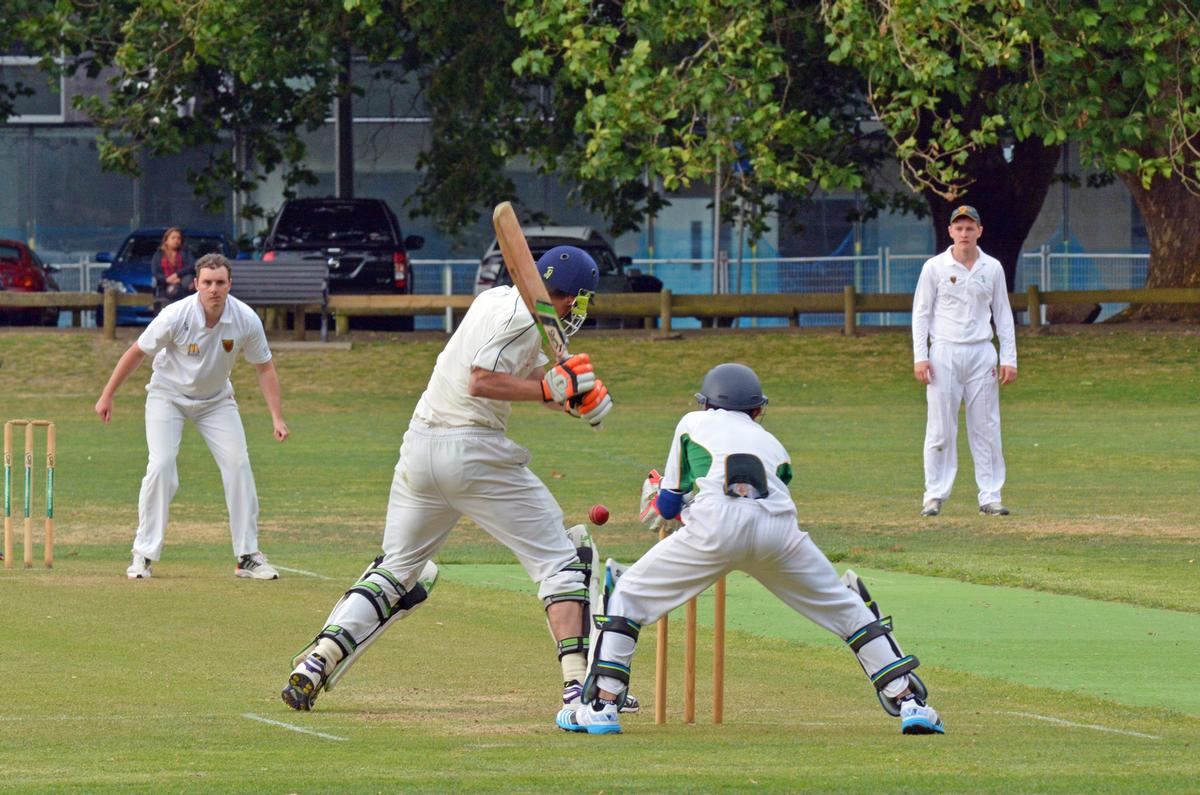
Clubs and sports providers have, on average, lost 60 per cent of their members during the pandemic Credit: Shutterstock/ChameleonsEye
There is "incredible resilience" in the sports and physical activity sector – but the industry requires further support to bounce back from the devastating effects of the pandemic.

That is the headline finding of a new report, based on a survey of more than 1,400 community sport providers involved in the delivery of more than 75 sports and activities across the UK.

Conducted in partnership between the Sport and Recreation Alliance (SRA) and the Sport Industry Research Group at Sheffield Hallam University, the survey found that volunteers were crucial in supporting clubs during lockdowns and that the lack of income during the pandemic has placed additional pressure on the financial reserves of community organisations.

Respondents to the survey were asked to consider their position prior to the onset of the pandemic, how this has changed since restrictions were imposed, and the effects of this experience on their ability to restart activity once restrictions had been eased.

When it comes to participation, the findings showed that virtually all participation opportunities organised by community sport providers ceased during lockdown and that organisations responding to the survey lost an average of 60 per cent of their members.

This figure is projected to recover to 75 per cent of pre-pandemic levels once restrictions are removed, with clubs and other providers expecting to deliver 90 per cent of their participation opportunities once restrictions are fully lifted.

This suggests that organisations believe that could deliver activity at, or close to, their pre-pandemic operating capacity.

Meanwhile, the pandemic has had an effect on the sector's workforce too.

Among the main concerns emerging from the study was the need to support the UK’s three million coaches, from elite down to grassroots.

Paid coaches were the individuals within the sport and physical activity workforce that suffered the most significant fall in numbers, dropping by 63 per cent during the pandemic.

Overall, the pandemic has had a huge effect on the finances of clubs and sports providers.

According to the survey results, around one in three providers now operate without any financial cushion.

During the pandemic period, those providers with cash reserves saw them decline by 18 per cent, while liabilities increased by an average of 20 per cent.

To mitigate the impact of lockdown on participation levels, most providers have reduced expenditure in line with this decrease in activity, although the 41 per cent reduction in expenditure was outpaced by a 51 per cent drop in income. Due to the shutdown in provision, the sparsity of new funding opportunities also presented a challenge for generating income for grassroots clubs.

The study also shows that the impact of the lockdown on providers’ financial viability, while broadly negative, may be reversed if organisations are able to return to delivering income generating activities at the earliest opportunity, with the availability of facilities a priority in this area.

Commenting on the report, SRA chief executive, Lisa Wainwright, said: “This research highlights how successfully our community clubs have coped in unprecedented times. The resilience, determination and passion shown is to be commended and this is why grassroots activity remains in a healthy position.

“As a sector, it is really important that we make being active the easy choice and one that is safe, enjoyable and beneficial to all.

“Any decline in the quantity or quality of coaching available is likely to have a negative impact on returning members and so it is crucial this is addressed to avoid a further decline in activity levels.

“The availability of facilities is also fundamental to the entire eco-system of delivery for sport and activity providers and is key to the restart process.

“We must make sure that facilities are opened as quickly and as widely as possible to encourage participants back and to allow our community organisations to start building their income once again and provide them with the financial sustainability to continue delivering their activity.

“This has taken on even greater significance following the latest Active Lives Adult Survey from Sport England which has shown a concerning drop in activity levels, with certain demographics harder hit than others.

“Community sport clubs are the lifeblood of cities, towns and village across the country and we must support them as the nation recovers, to allow everyone to take advantage of the incredible wellbeing benefits of sport and recreation.”

• To read the full report, based on the survey, click here.



RELATED STORIES
  Sport and Recreation Alliance's new strategy looks to help industry 'recover and achieve'


The Sport and Recreation Alliance (SRA) has published its new four-year strategy, outlining its vision to showcase the social, economic and health benefits of physical activity.
  House of Lords committee to scrutinise UK government's record on increasing participation in physical activity


The House of Lords' 'National Plan for Sport and Recreation committee' has invited sporting organisations and members of the public in the UK, to provide their views on how to tackle the barriers which prevent people from taking part in sport and physical activity, as part of an inquiry into the government's performance in relation to participation.
  Black Lives Matter: sports sector 'hasn't done enough' on inequalities


The sport and physical activity sector "hasn't done enough" to tackle persisting inequalities within the industry, according to a statement signed by more than 80 leading UK sports organisations.
  Industry reacts to childhood inactivity survey – figures branded 'shocking' and 'a national disgrace'


The figures revealed in today's Active Lives Children and Young People research have been described an "urgent wake-up call" and a "national disgrace".
MORE NEWS
Belgin Aksoy prepares to mark 15 years of Global Wellness Day on Saturday 13 June
Global Wellness Day (GWD) will mark its 15th anniversary on Saturday 13 June 2026, with the theme: #JoyMagenta – a celebration of the healing qualities of simple gestures and activities that spark joy.
HUM2N opens longevity clinic at Six Senses London
Global luxury hospitality brand, Six Senses, has partnered with longevity healthcare provider, HUM2N, to launch a clinic at Six Senses London, at The Whiteley.
Mayrlife opens first hotel day clinic in partnership with Rosewood Vienna
As part of its first hotel partnership, Mayrlife – the medical health resort company known for its site in Altaussee, Austria – has launched a day clinic at the Rosewood Vienna.
KX Chelsea invests £15 million to upgrade its wellness offering
Premium London health club, KX Chelsea, will imminently unveil its most significant redevelopment since its launch in 2002 to create an integrated wellness model combining training, recovery and relaxation.
+ More news   

FEATURED SUPPLIERS

Spa Life – where spa leaders grow together
The Spa Life UK Convention returns from 21–23 June 2026 at Whittlebury Park Hotel, Spa & Golf Resort, bringing together spa managers, directors and owners for two days of focused education, meaningful connection and commercial insight. [more...]

Meet Desert Therapy: Aromatherapy Associates' first new blend in seven years
There is a particular quality of stillness found only in the desert. [more...]
+ More featured suppliers  
COMPANY PROFILES
Kemitron GmbH

Our portfolio is divided into four product areas; Technology, Fragrances, Disinfectant and Cleaners [more...]
Robosculptor

Since its inception in 2019, roboSculptor has grown into an advanced, AI-powered platform that de [more...]
+ More profiles  
CATALOGUE GALLERY
 

+ More catalogues  

DIRECTORY
+ More directory  
DIARY


21-23 Jun 2026

Spa Life International (UK)

Midlands (Venue TBA), Liphook, United Kingdom
22-22 Jun 2026

World Bathing Day

Worldwide,
+ More diary  
 
ABOUT LEISURE MEDIA
LEISURE MEDIA MAGAZINES
LEISURE MEDIA HANDBOOKS
LEISURE MEDIA WEBSITES
LEISURE MEDIA PRODUCT SEARCH
 
SPA BUSINESS
SPA OPPORTUNITIES
SPA BUSINESS HANDBOOK
PRINT SUBSCRIPTIONS
FREE DIGITAL SUBSCRIPTIONS
ADVERTISE . CONTACT US

Leisure Media
Tel: +44 (0)1462 431385

©Cybertrek 2026
Uniting the world of spa & wellness
Get Spa Business and Spa Business insider digital magazines FREE
Sign up here ▸
News   Products   Magazine   Subscribe
NEWS
Grassroots sport remains resilient – but 'requires further support' after losing 60 per cent of members
POSTED 12 May 2021 . BY Tom Walker
Clubs and sports providers have, on average, lost 60 per cent of their members during the pandemic Credit: Shutterstock/ChameleonsEye
There is "incredible resilience" in the sports and physical activity sector – but the industry requires further support to bounce back from the devastating effects of the pandemic.

That is the headline finding of a new report, based on a survey of more than 1,400 community sport providers involved in the delivery of more than 75 sports and activities across the UK.

Conducted in partnership between the Sport and Recreation Alliance (SRA) and the Sport Industry Research Group at Sheffield Hallam University, the survey found that volunteers were crucial in supporting clubs during lockdowns and that the lack of income during the pandemic has placed additional pressure on the financial reserves of community organisations.

Respondents to the survey were asked to consider their position prior to the onset of the pandemic, how this has changed since restrictions were imposed, and the effects of this experience on their ability to restart activity once restrictions had been eased.

When it comes to participation, the findings showed that virtually all participation opportunities organised by community sport providers ceased during lockdown and that organisations responding to the survey lost an average of 60 per cent of their members.

This figure is projected to recover to 75 per cent of pre-pandemic levels once restrictions are removed, with clubs and other providers expecting to deliver 90 per cent of their participation opportunities once restrictions are fully lifted.

This suggests that organisations believe that could deliver activity at, or close to, their pre-pandemic operating capacity.

Meanwhile, the pandemic has had an effect on the sector's workforce too.

Among the main concerns emerging from the study was the need to support the UK’s three million coaches, from elite down to grassroots.

Paid coaches were the individuals within the sport and physical activity workforce that suffered the most significant fall in numbers, dropping by 63 per cent during the pandemic.

Overall, the pandemic has had a huge effect on the finances of clubs and sports providers.

According to the survey results, around one in three providers now operate without any financial cushion.

During the pandemic period, those providers with cash reserves saw them decline by 18 per cent, while liabilities increased by an average of 20 per cent.

To mitigate the impact of lockdown on participation levels, most providers have reduced expenditure in line with this decrease in activity, although the 41 per cent reduction in expenditure was outpaced by a 51 per cent drop in income. Due to the shutdown in provision, the sparsity of new funding opportunities also presented a challenge for generating income for grassroots clubs.

The study also shows that the impact of the lockdown on providers’ financial viability, while broadly negative, may be reversed if organisations are able to return to delivering income generating activities at the earliest opportunity, with the availability of facilities a priority in this area.

Commenting on the report, SRA chief executive, Lisa Wainwright, said: “This research highlights how successfully our community clubs have coped in unprecedented times. The resilience, determination and passion shown is to be commended and this is why grassroots activity remains in a healthy position.

“As a sector, it is really important that we make being active the easy choice and one that is safe, enjoyable and beneficial to all.

“Any decline in the quantity or quality of coaching available is likely to have a negative impact on returning members and so it is crucial this is addressed to avoid a further decline in activity levels.

“The availability of facilities is also fundamental to the entire eco-system of delivery for sport and activity providers and is key to the restart process.

“We must make sure that facilities are opened as quickly and as widely as possible to encourage participants back and to allow our community organisations to start building their income once again and provide them with the financial sustainability to continue delivering their activity.

“This has taken on even greater significance following the latest Active Lives Adult Survey from Sport England which has shown a concerning drop in activity levels, with certain demographics harder hit than others.

“Community sport clubs are the lifeblood of cities, towns and village across the country and we must support them as the nation recovers, to allow everyone to take advantage of the incredible wellbeing benefits of sport and recreation.”

• To read the full report, based on the survey, click here.



RELATED STORIES
Sport and Recreation Alliance's new strategy looks to help industry 'recover and achieve'


The Sport and Recreation Alliance (SRA) has published its new four-year strategy, outlining its vision to showcase the social, economic and health benefits of physical activity.

House of Lords committee to scrutinise UK government's record on increasing participation in physical activity


The House of Lords' 'National Plan for Sport and Recreation committee' has invited sporting organisations and members of the public in the UK, to provide their views on how to tackle the barriers which prevent people from taking part in sport and physical activity, as part of an inquiry into the government's performance in relation to participation.
Black Lives Matter: sports sector 'hasn't done enough' on inequalities


The sport and physical activity sector "hasn't done enough" to tackle persisting inequalities within the industry, according to a statement signed by more than 80 leading UK sports organisations.
Industry reacts to childhood inactivity survey – figures branded 'shocking' and 'a national disgrace'


The figures revealed in today's Active Lives Children and Young People research have been described an "urgent wake-up call" and a "national disgrace".
MORE NEWS
Belgin Aksoy prepares to mark 15 years of Global Wellness Day on Saturday 13 June
Global Wellness Day (GWD) will mark its 15th anniversary on Saturday 13 June 2026, with the theme: #JoyMagenta – a celebration of the healing qualities of simple gestures and activities that spark joy.
HUM2N opens longevity clinic at Six Senses London
Global luxury hospitality brand, Six Senses, has partnered with longevity healthcare provider, HUM2N, to launch a clinic at Six Senses London, at The Whiteley.
Mayrlife opens first hotel day clinic in partnership with Rosewood Vienna
As part of its first hotel partnership, Mayrlife – the medical health resort company known for its site in Altaussee, Austria – has launched a day clinic at the Rosewood Vienna.
KX Chelsea invests £15 million to upgrade its wellness offering
Premium London health club, KX Chelsea, will imminently unveil its most significant redevelopment since its launch in 2002 to create an integrated wellness model combining training, recovery and relaxation.
Rosewood Le Guanahani St Barth offers ocean-themed yoga for Global Wellness Day
Rosewood Le Guanahani St Barth, on the northeast coast of Saint Barthélemy in the French West Indies, is offering a programme of ocean-inspired yoga classes between 8-14 June to celebrate Global Wellness Day (GWD).
Butterfly sanctuary to host hot yoga during retreat at Jersey Zoo for Hotel de France
Hotel de France, located on the British Isle of Jersey, has created a wellness retreat package that includes a hot yoga session that will take place in Jersey Zoo’s butterfly sanctuary.
+ More news   
 
FEATURED SUPPLIERS

Spa Life – where spa leaders grow together
The Spa Life UK Convention returns from 21–23 June 2026 at Whittlebury Park Hotel, Spa & Golf Resort, bringing together spa managers, directors and owners for two days of focused education, meaningful connection and commercial insight. [more...]

Meet Desert Therapy: Aromatherapy Associates' first new blend in seven years
There is a particular quality of stillness found only in the desert. [more...]
+ More featured suppliers  
COMPANY PROFILES
Kemitron GmbH

Our portfolio is divided into four product areas; Technology, Fragrances, Disinfectant and Cleaners [more...]
+ More profiles  
CATALOGUE GALLERY
+ More catalogues  

DIRECTORY
+ More directory  
DIARY


21-23 Jun 2026

Spa Life International (UK)

Midlands (Venue TBA), Liphook, United Kingdom
22-22 Jun 2026

World Bathing Day

Worldwide,
+ More diary  


ADVERTISE . CONTACT US

Leisure Media
Tel: +44 (0)1462 431385

©Cybertrek 2026

ABOUT LEISURE MEDIA
LEISURE MEDIA MAGAZINES
LEISURE MEDIA HANDBOOKS
LEISURE MEDIA WEBSITES
LEISURE MEDIA PRODUCT SEARCH
PRINT SUBSCRIPTIONS
FREE DIGITAL SUBSCRIPTIONS