Latest
issue
GET SPA BUSINESS
magazine
Yes! Send me the FREE digital editions of Spa Business and Spa Business insider magazines and the FREE weekly Spa Business and Spa Business insider ezines and breaking news alerts!
Not right now, thanksclose this window I've already subscribed.
Uniting the world of spa & wellness
Get Spa Business and Spa Business insider digital magazines FREE
Sign up here ▸
News   Features   Products   Company profilesProfiles   Press releasesProfiles   Magazine   Handbook   Advertise    Subscribe  
NEWS
Mindfulness meditation shown to reduce pain: study
POSTED 30 Nov 2015 . BY Jane Kitchen
Brain scans showed that mindfulness meditation produced very different patterns of activity than those produced by placebo to reduce pain Credit: Shutterstock / IAKOBCHUK VIACHESLAV
Scientists at Wake Forest Baptist Medical Center in North Carolina, US, have found new evidence that mindfulness meditation reduces pain.

The research, published in the Journal of Neuroscience, showed that study participants who practiced mindfulness meditation reported greater pain relief than placebo.

Significantly, brain scans showed that mindfulness meditation produced very different patterns of activity than those produced by placebo to reduce pain.

“We were completely surprised by the findings,” said Fadel Zeidan, Ph.D., assistant professor of neurobiology and anatomy at Wake Forest Baptist and lead investigator of the study.

“While we thought that there would be some overlap in brain regions between meditation and placebo, the findings from this study provide novel and objective evidence that mindfulness meditation reduces pain in a unique fashion.”

The study used a two-pronged approach – pain ratings and brain imaging – to determine whether mindfulness meditation is merely a placebo effect.

Seventy-five healthy, pain-free participants were randomly assigned to one of four groups: mindfulness meditation, placebo meditation (“sham” meditation), placebo analgesic cream (petroleum jelly) or control.

Pain was induced by using a thermal probe to heat a small area of the participants’ skin to 49 degrees Centigrade (120.2 degrees Fahrenheit), a level of heat most people find very painful. Study participants then rated pain intensity (physical sensation) and pain unpleasantness (emotional response). The participants’ brains were scanned with arterial spin labelling magnetic resonance imaging (ASL MRI) before and after their respective four-day group interventions.

The mindfulness meditation group reported that pain intensity was reduced by 27 per cent and by 44 per cent for the emotional aspect of pain. In contrast, the placebo cream reduced the sensation of pain by 11 per cent and emotional aspect of pain by 13 per cent.

“The MRI scans showed for the first time that mindfulness meditation produced patterns of brain activity that are different than those produced by the placebo cream,” Zeidan said.

Mindfulness meditation reduced pain by activating brain regions associated with the self-control of pain, while the placebo cream lowered pain by reducing brain activity in pain-processing areas.

Another brain region, the thalamus – an area that serves as a gateway to determine if sensory information is allowed to reach higher brain centres – was deactivated during mindfulness meditation, but was activated during all other conditions.

By deactivating this area, mindfulness meditation may have caused signals about pain to simply fade away, Zeidan said.

Mindfulness meditation also was significantly better at reducing pain intensity and pain unpleasantness than the placebo meditation.

The placebo-meditation group had relatively small decreases in pain intensity (9 per cent) and pain unpleasantness (24 per cent). The study findings suggest that placebo meditation may have reduced pain through a relaxation effect that was associated with slower breathing.

“This study is the first to show that mindfulness meditation is mechanistically distinct and produces pain relief above and beyond the analgesic effects seen with either placebo cream or sham meditation,” Zeidan said.

“Based on our findings, we believe that as little as four 20-minute daily sessions of mindfulness meditation could enhance pain treatment in a clinical setting.”

However, Zeidan cautioned, given that the study examined healthy, pain-free volunteers, the findings cannot be generalised to cover chronic pain patients yet.

MORE NEWS
Accor reinvents its 1970s Thalassa hotel to launch Bel Hotel Oléron Thalasso and Spa
Bel Hotel Oléron Thalasso and Spa, MGallery Collection has opened on the French island Île d'Oléron off the country’s western coast with a 27-treatment-room spa.
Brain plasticity could be improved by manipulating the gut microbiome
Manipulating the gut microbiome could become a powerful tool for preserving brain health and resilience as people age, according to research led by Professor Paola Tognini, a neuroscientist at the Sant'Anna School of Advanced Studies in Pisa, Italy.
Jessica Sloyan establishes UK Academy of Sound and Therapeutic Arts
Jessica Sloyan, a wellness operations and training expert, has established an independent private training academy to provide professional qualifications for practitioners looking to offer immersive wellness experiences.
ISPA releases full 2026 US Spa Industry Study as annual industry revenue rises by US$1bn
The International Spa Association (ISPA) has published its full 2026 US Spa Industry Study, providing further insights into the region’s total US$1 billion (€855 million, £780 million) industry revenue increase from 2024 to 2025.
+ More news   

FEATURED SUPPLIERS

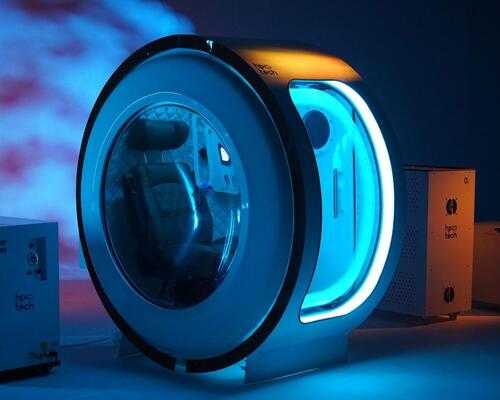
HPO Tech brings design-led hyperbaric systems to the spa floor
Hyperbaric oxygen therapy has moved well beyond the clinic and spa operators represent the fastest-growing market for the technology. [more...]

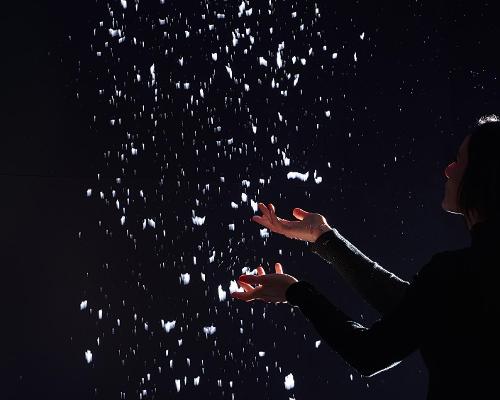
Embrace the chill: TechnoAlpin's Snowsky revolutionises post-fitness recovery with falling snow
In the fast-paced world of fitness and wellness, where high-intensity workouts push us to our limits and the sweat pours, the importance of efficient recovery cannot be overstated. [more...]
+ More featured suppliers  
COMPANY PROFILES
G.M. Collin

G.M. Collin develops superior skin care products, from preventive care to combating the first signs [more...]
AKT Group

AKT Group is built on Franco-Italian expertise in spa and hospitality design, the Group delivers des [more...]
+ More profiles  
CATALOGUE GALLERY
 

+ More catalogues  

DIRECTORY
+ More directory  
DIARY


23-26 Aug 2026

Elevate Spa Riviera Maya Edition

The Riviera Maya Edition Kanai, Playa del Carmen, Mexico
31 Aug - 02 Sep 2026

SpaTec North America

Pier Sixty Six, Fort Lauderdale, United States
+ More diary  
 
ABOUT LEISURE MEDIA
LEISURE MEDIA MAGAZINES
LEISURE MEDIA HANDBOOKS
LEISURE MEDIA WEBSITES
LEISURE MEDIA PRODUCT SEARCH
 
SPA BUSINESS
SPA OPPORTUNITIES
SPA BUSINESS HANDBOOK
PRINT SUBSCRIPTIONS
FREE DIGITAL SUBSCRIPTIONS
ADVERTISE . CONTACT US

Leisure Media
Tel: +44 (0)1462 431385

©Cybertrek 2026
Uniting the world of spa & wellness
Get Spa Business and Spa Business insider digital magazines FREE
Sign up here ▸
News   Products   Magazine   Subscribe
NEWS
Mindfulness meditation shown to reduce pain: study
POSTED 30 Nov 2015 . BY Jane Kitchen
Brain scans showed that mindfulness meditation produced very different patterns of activity than those produced by placebo to reduce pain Credit: Shutterstock / IAKOBCHUK VIACHESLAV
Scientists at Wake Forest Baptist Medical Center in North Carolina, US, have found new evidence that mindfulness meditation reduces pain.

The research, published in the Journal of Neuroscience, showed that study participants who practiced mindfulness meditation reported greater pain relief than placebo.

Significantly, brain scans showed that mindfulness meditation produced very different patterns of activity than those produced by placebo to reduce pain.

“We were completely surprised by the findings,” said Fadel Zeidan, Ph.D., assistant professor of neurobiology and anatomy at Wake Forest Baptist and lead investigator of the study.

“While we thought that there would be some overlap in brain regions between meditation and placebo, the findings from this study provide novel and objective evidence that mindfulness meditation reduces pain in a unique fashion.”

The study used a two-pronged approach – pain ratings and brain imaging – to determine whether mindfulness meditation is merely a placebo effect.

Seventy-five healthy, pain-free participants were randomly assigned to one of four groups: mindfulness meditation, placebo meditation (“sham” meditation), placebo analgesic cream (petroleum jelly) or control.

Pain was induced by using a thermal probe to heat a small area of the participants’ skin to 49 degrees Centigrade (120.2 degrees Fahrenheit), a level of heat most people find very painful. Study participants then rated pain intensity (physical sensation) and pain unpleasantness (emotional response). The participants’ brains were scanned with arterial spin labelling magnetic resonance imaging (ASL MRI) before and after their respective four-day group interventions.

The mindfulness meditation group reported that pain intensity was reduced by 27 per cent and by 44 per cent for the emotional aspect of pain. In contrast, the placebo cream reduced the sensation of pain by 11 per cent and emotional aspect of pain by 13 per cent.

“The MRI scans showed for the first time that mindfulness meditation produced patterns of brain activity that are different than those produced by the placebo cream,” Zeidan said.

Mindfulness meditation reduced pain by activating brain regions associated with the self-control of pain, while the placebo cream lowered pain by reducing brain activity in pain-processing areas.

Another brain region, the thalamus – an area that serves as a gateway to determine if sensory information is allowed to reach higher brain centres – was deactivated during mindfulness meditation, but was activated during all other conditions.

By deactivating this area, mindfulness meditation may have caused signals about pain to simply fade away, Zeidan said.

Mindfulness meditation also was significantly better at reducing pain intensity and pain unpleasantness than the placebo meditation.

The placebo-meditation group had relatively small decreases in pain intensity (9 per cent) and pain unpleasantness (24 per cent). The study findings suggest that placebo meditation may have reduced pain through a relaxation effect that was associated with slower breathing.

“This study is the first to show that mindfulness meditation is mechanistically distinct and produces pain relief above and beyond the analgesic effects seen with either placebo cream or sham meditation,” Zeidan said.

“Based on our findings, we believe that as little as four 20-minute daily sessions of mindfulness meditation could enhance pain treatment in a clinical setting.”

However, Zeidan cautioned, given that the study examined healthy, pain-free volunteers, the findings cannot be generalised to cover chronic pain patients yet.

MORE NEWS
Accor reinvents its 1970s Thalassa hotel to launch Bel Hotel Oléron Thalasso and Spa
Bel Hotel Oléron Thalasso and Spa, MGallery Collection has opened on the French island Île d'Oléron off the country’s western coast with a 27-treatment-room spa.
Brain plasticity could be improved by manipulating the gut microbiome
Manipulating the gut microbiome could become a powerful tool for preserving brain health and resilience as people age, according to research led by Professor Paola Tognini, a neuroscientist at the Sant'Anna School of Advanced Studies in Pisa, Italy.
Jessica Sloyan establishes UK Academy of Sound and Therapeutic Arts
Jessica Sloyan, a wellness operations and training expert, has established an independent private training academy to provide professional qualifications for practitioners looking to offer immersive wellness experiences.
ISPA releases full 2026 US Spa Industry Study as annual industry revenue rises by US$1bn
The International Spa Association (ISPA) has published its full 2026 US Spa Industry Study, providing further insights into the region’s total US$1 billion (€855 million, £780 million) industry revenue increase from 2024 to 2025.
Hot spring wellness community Ameyalli sells residences and breaks ground on resort and spa
Ameyalli, the 78-acre wellbeing resort and residential community in Midway in Utah, US, has broken ground on phase two of the hot spring development – the Ameyalli Resort and Spa – which is due to open in 2028.
AI firm Midjourney enters wellness with spa, fitness and body scanning concept
TLee Spas and Wellness has revealed the design concept for a high-tech spa with body mapping scanners to improve public health, for AI company Midjourney.
+ More news   
 
FEATURED SUPPLIERS

HPO Tech brings design-led hyperbaric systems to the spa floor
Hyperbaric oxygen therapy has moved well beyond the clinic and spa operators represent the fastest-growing market for the technology. [more...]

Embrace the chill: TechnoAlpin's Snowsky revolutionises post-fitness recovery with falling snow
In the fast-paced world of fitness and wellness, where high-intensity workouts push us to our limits and the sweat pours, the importance of efficient recovery cannot be overstated. [more...]
+ More featured suppliers  
COMPANY PROFILES
G.M. Collin

G.M. Collin develops superior skin care products, from preventive care to combating the first signs [more...]
+ More profiles  
CATALOGUE GALLERY
+ More catalogues  

DIRECTORY
+ More directory  
DIARY


23-26 Aug 2026

Elevate Spa Riviera Maya Edition

The Riviera Maya Edition Kanai, Playa del Carmen, Mexico
31 Aug - 02 Sep 2026

SpaTec North America

Pier Sixty Six, Fort Lauderdale, United States
+ More diary  


ADVERTISE . CONTACT US

Leisure Media
Tel: +44 (0)1462 431385

©Cybertrek 2026

ABOUT LEISURE MEDIA
LEISURE MEDIA MAGAZINES
LEISURE MEDIA HANDBOOKS
LEISURE MEDIA WEBSITES
LEISURE MEDIA PRODUCT SEARCH
PRINT SUBSCRIPTIONS
FREE DIGITAL SUBSCRIPTIONS