Latest
issue
GET SPA BUSINESS
magazine
Yes! Send me the FREE digital editions of Spa Business and Spa Business insider magazines and the FREE weekly Spa Business and Spa Business insider ezines and breaking news alerts!
Not right now, thanksclose this window I've already subscribed.
Uniting the world of spa & wellness
Get Spa Business and Spa Business insider digital magazines FREE
Sign up here ▸
News   Features   Products   Company profilesProfiles   Press releasesProfiles   Magazine   Handbook   Advertise    Subscribe  
NEWS
Immediate rewards can motivate people to exercise, finds new research
POSTED 24 Apr 2024 . BY Kath Hudson
Immediate reward promoted greater adherence to exercise, reducing cardiovascular risk Credit: Shutterstock/PeopleImages.com - Yuri A
US study shows immediate rewards are most effective in changing behaviours
Daily messages can up the step count and lower cardiovascular risk
Games and cash, or a combination of the two, are even better
Enlisting the support of family and friends is also helpful
Short-term incentives to exercise, such as using daily reminders, rewards or games, can lead to sustained increases in activity, according to new research.

Researchers found that even a simple daily reminder encouraged people to move more, while offering financial incentives or point-based rewards was even more effective. Combining the two was the most powerful and led to participants logging improvements in activity levels six months after the rewards stopped, suggesting the intervention helped to form habits.

Supported by the US National Institutes of Health (NIH), the study took place between 2019 and 2024 and was published in the journal Circulation. More than 1,000 adults, with an average age of 67, who were at elevated risk for major cardiovascular events were monitored via fitness trackers. Their daily step count increased by more than 1,500 a day after a year on the programme and they did an extra 40 minutes of moderate exercise each week.

This is sufficient for a 6 per cent reduced risk of premature death and a 10 per cent reduced risk of cardiovascular-related deaths.

“Even moderate exercise can drastically reduce cardiovascular risk, so finding low-cost ways to get people moving and stay in a fitness programme that they can do at home if needed is a huge win for public health,” said Alison Brown, a programme officer at the National Heart, Lung, and Blood Institute, part of NIH.

Participants set goals to increase their daily steps by 33 per cent, 40 per cent, 50 per cent, or any amount greater than 1,500 steps from their starting point and were divided into four groups. Three groups were offered incentives, including game-like rewards, financial rewards, or a combination of the two.

In the game group, participants received points for meeting their daily step goals and could move up a level. Those who missed their targets lost points and moved down a level. At the end of the study, adults who reached the highest levels by meeting their daily step goals received trophies.

In the financial group, each participant received US$14 each week, but lost US$2 a day if they did not meet their step targets. The third group received game-like and financial incentives.

The fourth group – a control group – received no incentives but got the fitness tracker, along with daily messages that noted their step count.

Participants could also enlist a support crew, such as family or friends, who would receive weekly updates about their progress.

Each intervention lasted for 12 months followed by a six-month follow-up period where all participants received the daily messages.

Prior to the study, all participants logged an average of around 5,000 daily steps, or 2.4 miles. After 12 months, they increased their daily step count, as previously explained, by more than 1,500, or three-quarters of a mile.

Compared to the control group, the game-incentive group walked an extra 538 steps from their baseline amount, while those who received financial incentives walked an extra 492. The group who received both incentives averaged 868 extra steps and maintained an average 576 more daily steps six months later.

Study author, Alexander Fanaroff, said: “This research shows it’s easier to think about today than the future, whether it’s exercising more to support long-term heart health or saving for a future goal, such as college or retirement.”

As a result, researchers recommend supporting people to change their behaviours by finding ways to give immediate benefits or rewards for movement, including using exercise apps that provide daily reminders, enlisting family and friends for support and even creating scenarios where they give money away if they don’t meet their targets.

The research, called Effect of gamification, financial incentives, or both to increase physical activity among patients at high risk of cardiovascular events: The be active randomized controlled trial was conducted by researchers Alexander Fanaroff, Mitesh S Patel, Neel Chokshi, Samantha Coratti, David Farraday, Laurie Norton, Charles Rareshide, Jingsan Zhu, Tamar Klaiman, Julia Szymczak, Louise Russell, Dylan Small and Kevin Volpp

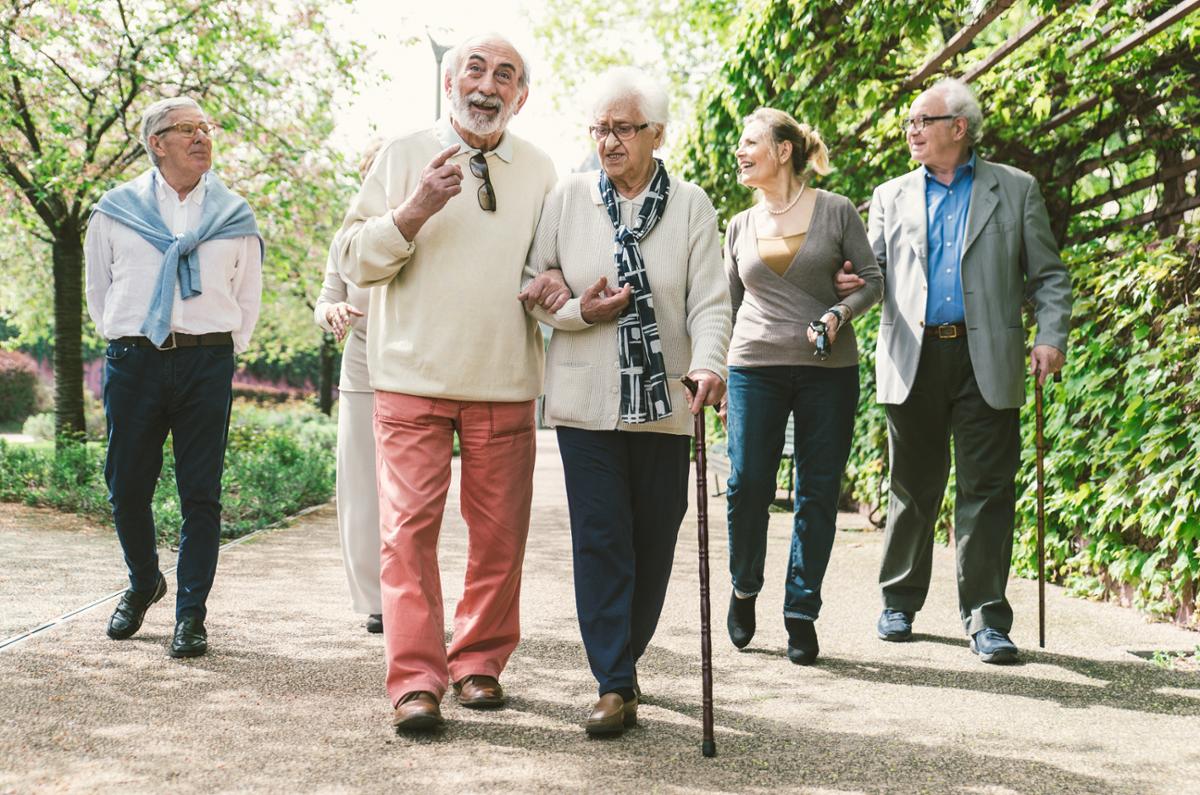
All steps count in reducing cardiovascular risk Credit: Shutterstock/oneinchpunch
RELATED STORIES
  Walking 10,000 steps a day confirmed to reduce the health risks of being sedentary


Research by the University of Sydney is the first to objectively measure whether daily steps are able to offset the health risks of sedentary behaviour.
MORE NEWS
HCM News: Taking GLP-1s is linked to a decline in physical activity
People taking GLP-1 weight loss medications such as Ozempic, Wegovy, Mounjaro and Zepbound may be losing weight, but they’re also becoming less physically active, according to new research presented at the ENDO 2026 annual meeting of the Endocrine Society
Mubadala makes €1 billion bid for Pierre and Vacances
Abu Dhabi-based investment firm Mubadala Capital has made a binding, fully financed €1 billion offer to acquire Pierre and Vacances SA, the European holiday resort operator behind the continental European Center Parcs business.
Synergy The Retreat Show launches resource for retreat business leaders to showcase specialisms
Global retreat trade show, Synergy The Retreat Show, has launched a resource called The Source, which hosts an open-access online Transformation Series programme.
The SATCC announces first five-day Living with Cancer and Beyond retreat
The Standards Authority for Touch in Cancer Care (SATCC) charity has announced its first five- day Living with Cancer and Beyond retreat, which will be held at Carden Park Hotel and Spa in Cheshire, UK, between 1 and 5 September.
+ More news   

FEATURED SUPPLIERS

Meet Desert Therapy: Aromatherapy Associates' first new blend in seven years
There is a particular quality of stillness found only in the desert. [more...]

Endospheres' new protocols are designed to meet real client needs
Spa professionals see it every day: clients are arriving with more complex expectations. [more...]
+ More featured suppliers  
COMPANY PROFILES
JK Group UK & Ireland Plc

A wholly owned UK and Ireland subsidiary of JK Group in Germany with an established heritage of 30+ [more...]
Klafs GmbH

Founded in 1928, Klafs is known as an award winning, world-leading trendsetter in wellness and spa. [more...]
+ More profiles  
CATALOGUE GALLERY
 

+ More catalogues  

DIRECTORY
+ More directory  
DIARY


03-05 Jul 2026

World Championship in Massage

Copenhagen, Copenhagen, Denmark
23-26 Aug 2026

Elevate Spa Riviera Maya Edition

The Riviera Maya Edition Kanai, Playa del Carmen, Mexico
+ More diary  
 
ABOUT LEISURE MEDIA
LEISURE MEDIA MAGAZINES
LEISURE MEDIA HANDBOOKS
LEISURE MEDIA WEBSITES
LEISURE MEDIA PRODUCT SEARCH
 
SPA BUSINESS
SPA OPPORTUNITIES
SPA BUSINESS HANDBOOK
PRINT SUBSCRIPTIONS
FREE DIGITAL SUBSCRIPTIONS
ADVERTISE . CONTACT US

Leisure Media
Tel: +44 (0)1462 431385

©Cybertrek 2026
Uniting the world of spa & wellness
Get Spa Business and Spa Business insider digital magazines FREE
Sign up here ▸
News   Products   Magazine   Subscribe
NEWS
Immediate rewards can motivate people to exercise, finds new research
POSTED 24 Apr 2024 . BY Kath Hudson
Immediate reward promoted greater adherence to exercise, reducing cardiovascular risk Credit: Shutterstock/PeopleImages.com - Yuri A
US study shows immediate rewards are most effective in changing behaviours
Daily messages can up the step count and lower cardiovascular risk
Games and cash, or a combination of the two, are even better
Enlisting the support of family and friends is also helpful
Short-term incentives to exercise, such as using daily reminders, rewards or games, can lead to sustained increases in activity, according to new research.

Researchers found that even a simple daily reminder encouraged people to move more, while offering financial incentives or point-based rewards was even more effective. Combining the two was the most powerful and led to participants logging improvements in activity levels six months after the rewards stopped, suggesting the intervention helped to form habits.

Supported by the US National Institutes of Health (NIH), the study took place between 2019 and 2024 and was published in the journal Circulation. More than 1,000 adults, with an average age of 67, who were at elevated risk for major cardiovascular events were monitored via fitness trackers. Their daily step count increased by more than 1,500 a day after a year on the programme and they did an extra 40 minutes of moderate exercise each week.

This is sufficient for a 6 per cent reduced risk of premature death and a 10 per cent reduced risk of cardiovascular-related deaths.

“Even moderate exercise can drastically reduce cardiovascular risk, so finding low-cost ways to get people moving and stay in a fitness programme that they can do at home if needed is a huge win for public health,” said Alison Brown, a programme officer at the National Heart, Lung, and Blood Institute, part of NIH.

Participants set goals to increase their daily steps by 33 per cent, 40 per cent, 50 per cent, or any amount greater than 1,500 steps from their starting point and were divided into four groups. Three groups were offered incentives, including game-like rewards, financial rewards, or a combination of the two.

In the game group, participants received points for meeting their daily step goals and could move up a level. Those who missed their targets lost points and moved down a level. At the end of the study, adults who reached the highest levels by meeting their daily step goals received trophies.

In the financial group, each participant received US$14 each week, but lost US$2 a day if they did not meet their step targets. The third group received game-like and financial incentives.

The fourth group – a control group – received no incentives but got the fitness tracker, along with daily messages that noted their step count.

Participants could also enlist a support crew, such as family or friends, who would receive weekly updates about their progress.

Each intervention lasted for 12 months followed by a six-month follow-up period where all participants received the daily messages.

Prior to the study, all participants logged an average of around 5,000 daily steps, or 2.4 miles. After 12 months, they increased their daily step count, as previously explained, by more than 1,500, or three-quarters of a mile.

Compared to the control group, the game-incentive group walked an extra 538 steps from their baseline amount, while those who received financial incentives walked an extra 492. The group who received both incentives averaged 868 extra steps and maintained an average 576 more daily steps six months later.

Study author, Alexander Fanaroff, said: “This research shows it’s easier to think about today than the future, whether it’s exercising more to support long-term heart health or saving for a future goal, such as college or retirement.”

As a result, researchers recommend supporting people to change their behaviours by finding ways to give immediate benefits or rewards for movement, including using exercise apps that provide daily reminders, enlisting family and friends for support and even creating scenarios where they give money away if they don’t meet their targets.

The research, called Effect of gamification, financial incentives, or both to increase physical activity among patients at high risk of cardiovascular events: The be active randomized controlled trial was conducted by researchers Alexander Fanaroff, Mitesh S Patel, Neel Chokshi, Samantha Coratti, David Farraday, Laurie Norton, Charles Rareshide, Jingsan Zhu, Tamar Klaiman, Julia Szymczak, Louise Russell, Dylan Small and Kevin Volpp

All steps count in reducing cardiovascular risk Credit: Shutterstock/oneinchpunch
RELATED STORIES
Walking 10,000 steps a day confirmed to reduce the health risks of being sedentary


Research by the University of Sydney is the first to objectively measure whether daily steps are able to offset the health risks of sedentary behaviour.
MORE NEWS
HCM News: Taking GLP-1s is linked to a decline in physical activity
People taking GLP-1 weight loss medications such as Ozempic, Wegovy, Mounjaro and Zepbound may be losing weight, but they’re also becoming less physically active, according to new research presented at the ENDO 2026 annual meeting of the Endocrine Society
Mubadala makes €1 billion bid for Pierre and Vacances
Abu Dhabi-based investment firm Mubadala Capital has made a binding, fully financed €1 billion offer to acquire Pierre and Vacances SA, the European holiday resort operator behind the continental European Center Parcs business.
Synergy The Retreat Show launches resource for retreat business leaders to showcase specialisms
Global retreat trade show, Synergy The Retreat Show, has launched a resource called The Source, which hosts an open-access online Transformation Series programme.
The SATCC announces first five-day Living with Cancer and Beyond retreat
The Standards Authority for Touch in Cancer Care (SATCC) charity has announced its first five- day Living with Cancer and Beyond retreat, which will be held at Carden Park Hotel and Spa in Cheshire, UK, between 1 and 5 September.
Palazzo di Varignana launches family wellbeing and longevity retreat in Emilia Romagna
Palazzo di Varignana, in the Emilia Romagna region of Italy, has created a new tailored health programme designed specifically for families.
Ansana Wellness and Spa debuts at Patmos Aktis as it joins Marriott
Patmos Aktis, a Luxury Collection Resort and Spa, has opened in Greece, with a renovated and rebranded wellness offering called Ansana Wellness and Spa.
+ More news   
 
FEATURED SUPPLIERS

Meet Desert Therapy: Aromatherapy Associates' first new blend in seven years
There is a particular quality of stillness found only in the desert. [more...]

Endospheres' new protocols are designed to meet real client needs
Spa professionals see it every day: clients are arriving with more complex expectations. [more...]
+ More featured suppliers  
COMPANY PROFILES
JK Group UK & Ireland Plc

A wholly owned UK and Ireland subsidiary of JK Group in Germany with an established heritage of 30+ [more...]
+ More profiles  
CATALOGUE GALLERY
+ More catalogues  

DIRECTORY
+ More directory  
DIARY


03-05 Jul 2026

World Championship in Massage

Copenhagen, Copenhagen, Denmark
23-26 Aug 2026

Elevate Spa Riviera Maya Edition

The Riviera Maya Edition Kanai, Playa del Carmen, Mexico
+ More diary  


ADVERTISE . CONTACT US

Leisure Media
Tel: +44 (0)1462 431385

©Cybertrek 2026

ABOUT LEISURE MEDIA
LEISURE MEDIA MAGAZINES
LEISURE MEDIA HANDBOOKS
LEISURE MEDIA WEBSITES
LEISURE MEDIA PRODUCT SEARCH
PRINT SUBSCRIPTIONS
FREE DIGITAL SUBSCRIPTIONS