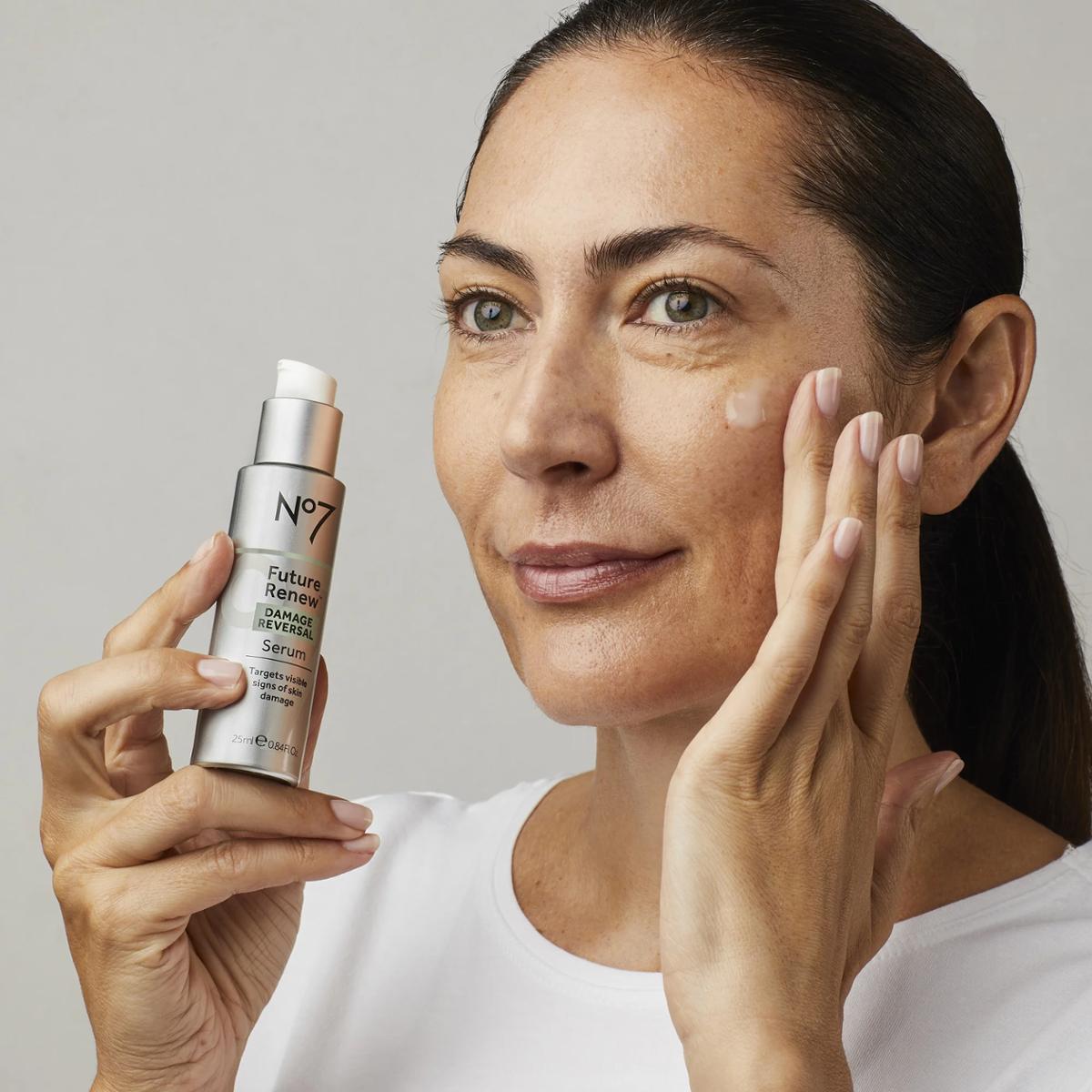
A new serum has been created in the University of Manchester’s chronobiology lab – a new field of science that examines circadian rhythms in living organisms
Researchers conducted the first living skin study, where 20 participants gave skin biopsies at four time points in 24 hours
Results showed genes for cellular repair were most active between 10.00pm and 7.00am, with 'rush hour' of activity between 2.00am and 4.00am.
The serum, made from extract of Ukaku root, signals damaged skin to trigger regeneration because the extract synchronises skin cell regeneration
Consumer skincare brand, No7, has worked with researchers at the University of Manchester, UK, to develop a serum that uses extracts of Uyaku root (
Lindera Strychnifolia), to help fight signs of ageing and fix damage caused by sun exposure.
The root, which is used in traditional Asian medicine to treat stomach and liver disease, has antioxidant properties and can also help restore circadian rhythms and reset the body’s own mechanisms for repairing damage.
A new skin cream formula, called Future Renew Night Serum, was created in the University’s chronobiology labs. This is a relatively new field of science that examines the body’s circadian rhythms and periodic processes in other living organisms.
The field of chronobiology has made significant advances in recent years, identifying physiological processes under circadian control and also exploring the potential for timed interventions. Examples include blood pressure pills, which are now given at night and chemotherapy drugs for cancer that are administered in the morning.
To develop the serum, researchers conducted the first living skin study, where 20 participants gave live skin biopsies at four time points in the day, including the middle of the night and early morning. Samples were taken from both sun-exposed and sun-protected areas of the skin.
The results showed that 64 per cent of 'rhythmic genes' which control circadian rhythms, were most active between 10.00pm and 7.00am, with a 'rush hour' of activity between 2.00am and 4.00am, when these rhythmic genes were peaking in their activity, remodelling the skin, producing collagen and repairing damage.
However, the circadian rhythms of sun-exposed skin was disrupted, including processes that involve cellular energy, cellular renewal and DNA repair.
When the shrub extract was added to the No7 peptide blend and used before bed, this signalled the damaged skin to trigger regeneration because the plant extract helped synchronise the rhythm of all skin cell regeneration.
The research also showed the importance of sun protection and using targeted skin treatments at night.
No7 is a consumer skincare brand developed by retailer Boot's.