Nearly 900 million adults around the world living with obesity, which is a known risk factor for at least 20 diseases or conditions
The researchers estimate 6.5 billion years of life will likely be lost globally due to premature deaths caused by obesity’s negative health effects.
The weight loss drugs could lead to a disruptive cross-industry collaboration to prevent obesity at a societal level and provide optimal individual metabolic health
The potential global uplift to healthy life years from addressing metabolic health risk factors in this way could be as many as 469 million
According to a new report by McKinsey Health Institute, the potential social and economic impacts of new weight management drugs extend beyond healthcare.
The authors say the positive potential for these drugs is fuelling investment and innovation across industries – including food production, retail and government.
They predict a global metabolic health revolution and improve longevity, if investment and cross-sector collaboration can prevent obesity and its health-related problems.
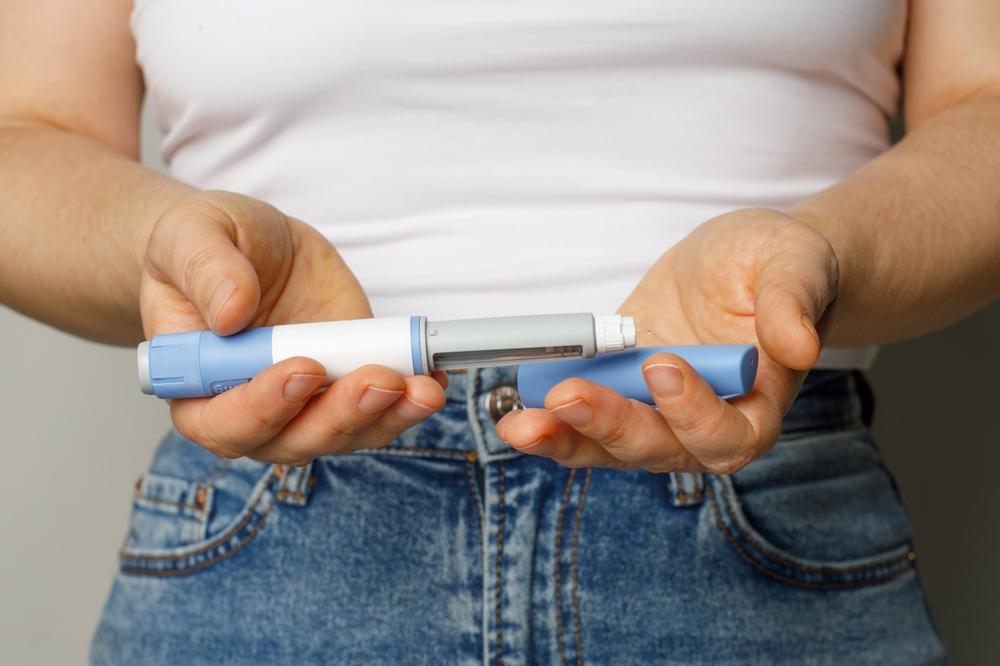
The weight management drugs, GLP-1 receptor agonists, are primarily used to treat type two diabetes, mimicking the hormone GLP-1 which plays a role in regulating blood sugar and appetite.
They work by stimulating a release of insulin, reducing the amount of glucose produced by the liver. This slows down digestion and increases feelings of fullness.
Examples of the drugs include Semaglutide (Wegovy and Ozempic), Liraglutide, Dulaglutide and Tirzepatide (Mounjaro). There are 11 approved drugs for weight loss and diabetes combined, with more than 40 in the pipeline, according to the report.
The researchers acknowledge that while the drugs help people lose weight, there are still many unknown factors regarding the long-term sustainability of their use, side effects, potential benefits and the way behaviours change once individuals take the drugs.
The drugs are in demand due to nearly 900 million adults around the world living with obesity, which is a known risk factor for at least 20 diseases or conditions. The researchers estimate 6.5 billion years of life will likely be lost globally due to premature deaths caused by obesity’s negative health effects.
Two pathways for human health improvementAccording to the researchers, there are two paths ahead that may improve human health.
Evolutionary pathwayThe first path is evolutionary – continuing to assist those living with obesity with further innovation in the wake of already-established solutions.
By treating people with obesity and those at high risk of developing it, the global economy could see a US$2.76 trillion (€2.37 trillion, £2.06 trillion) potential annual GDP impact in 2050.
The authors also say there could be a societal uplift of 132 million healthy years by addressing high BMI via this pathway.
Disruptive pathwayThe second path is disruptive and involves stakeholders working together to prevent obesity at a societal level and provide optimal individual metabolic health.
The potential annual GDP impact in 2050 for this pathway is US$5.65 trillion (€4.86 trillion, £4.22 trillion).
The potential global uplift to healthy life years from addressing metabolic health risk factors in this way could be as many as 469 million.
The second option requires significant investment, innovation and progress and requires five shifts in the following areas, according to the report:
•
Science – Scientists can advance the understanding and definition of metabolic health, such as achieving consensus on biomarkers.
•
Transparency – Rigorous systems that measure and track metabolic health for individuals and populations will be required.
•
Technology – New tools or innovations can enable individuals and communities to understand and optimise metabolic health, such as personalised nutrition and exercise solutions.
•
Economy – Economic incentives will need to be aligned to make metabolic health more appealing to investors, consequently making healthy choices more affordable, available and desirable.
•
Society Tailored interventions can provide communities with the confidence to make changes according to their needs and preferences, such as bespoke education programmes and grassroots initiatives.
The report compares the second path to the effort required to address climate change on a societal level, rather than funding just a few specific technologies related to carbon capture.
Read the full report
here.