Yes! Send me the FREE digital editions of Spa Business and Spa Business insider magazines and the FREE weekly Spa Business and Spa Business insider ezines and breaking news alerts!
Bombay Sapphire has set down roots at Laverstoke Mill, in Hampshire, UK, where
all its gin will now be distilled. Visitors are invited to make themselves at home
By Alice Davis | Published in Attractions Management 2015 issue 1
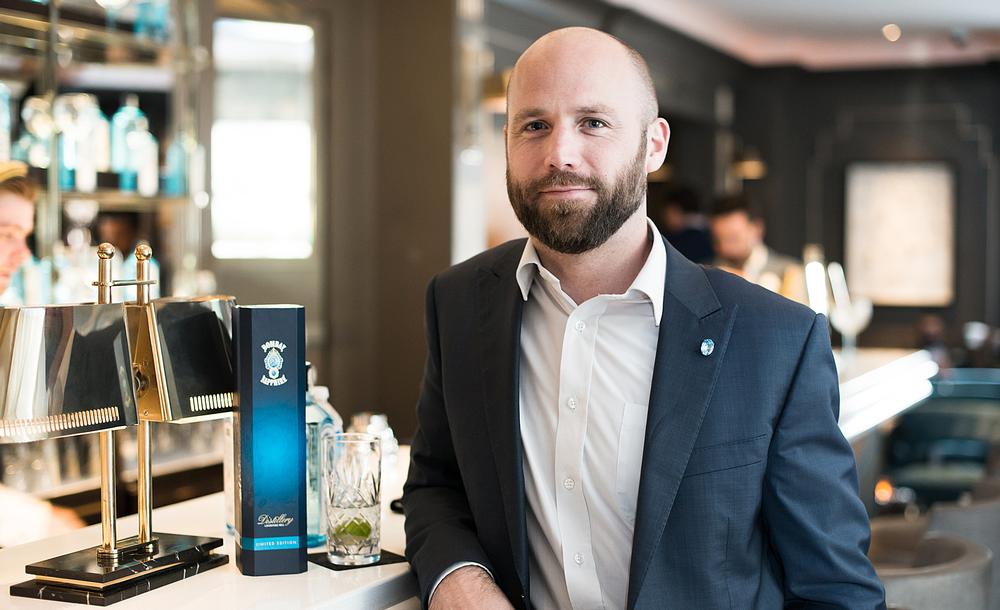
Estate manager Will Brix worked closely with Heatherwick Studio to create the attraction
Bombay Sapphire has founded a brandland in the heart of the English countryside. The site is surrounded by woodland, just an hour from London.
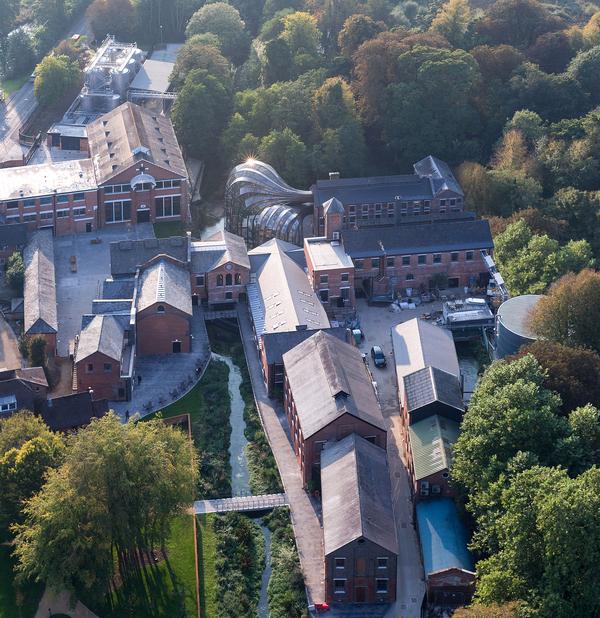
The Bombay Sapphire Distillery at Laverstoke Mill is indeed a working distillery, but the public is also invited to explore the production facility, the architecture and the picturesque site, which is on the banks of the River Test.
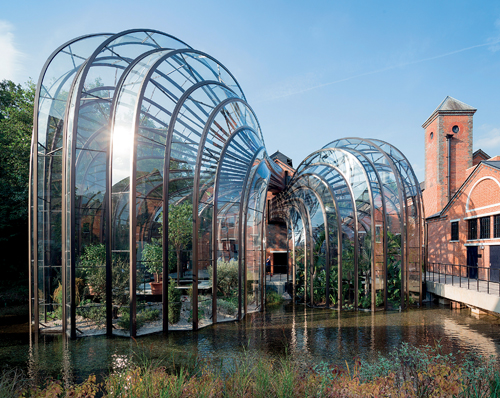
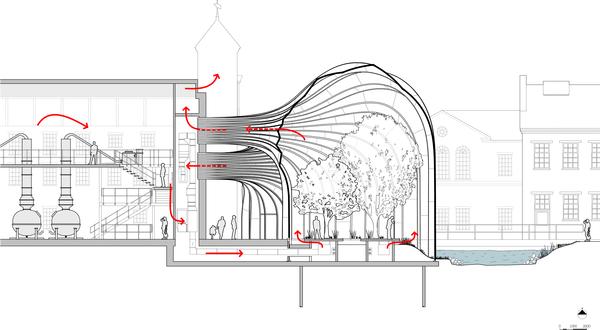
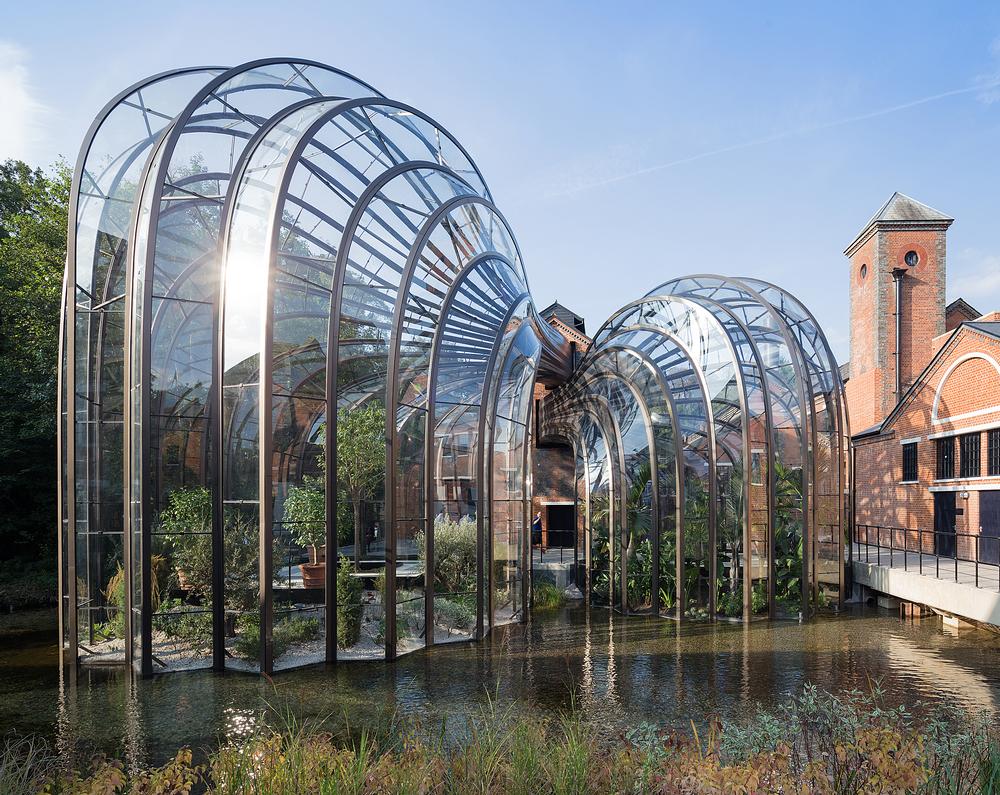
Central to the experience are the two striking glass houses, designed by award-winning designer Thomas Heatherwick. In a clever twist, the glass houses recycle the heat created by the distillation process to create the warmth needed for specimens of the gin’s botanicals to grow. Inside the glass houses, visitors learn about the plants and their origins, through the educational listening posts and interactive touch screen displays.
It’s interesting to see the Georgian and Victorian buildings and learn about their history – British bank notes used to be made here. Visitors can go inside the renovated buildings – only a few are off limits – and they’ll see two huge copper stills from the 1830s and learn about the distillation process in the Dakin House.
The heritage of the site is explained clearly through photographs and other artefacts, signs, and audio information.
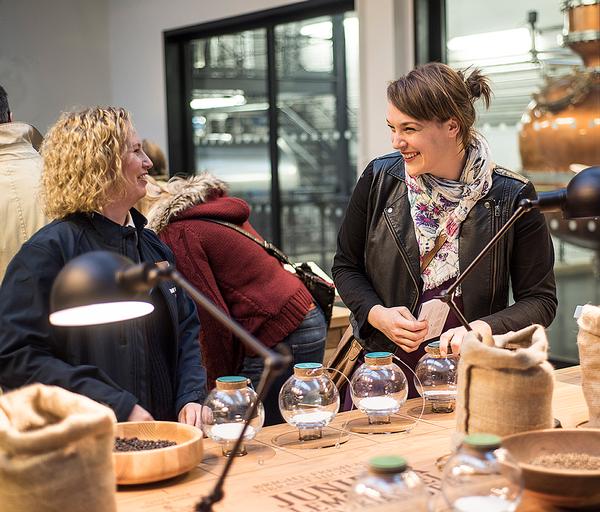
A highlight for the visitor is the interactive Tasting Adventure. Samples of the 10 botanicals are on display for visitors to sniff, taste and touch as they experiment with flavour and scent. This is enjoyable for children as well as adults.
The Self-Discovery Experience – £15 ($23, €20) for an adult and £10 ($15, €13) for a child – allows you to explore the whole riverside site and enjoy a complimentary cocktail in the bar. The experience takes a couple of hours. Visitors who do not wish to drink or who are driving are offered a soft drink in the Mill Bar, and receive a free takeaway cocktail kit for when they get home.
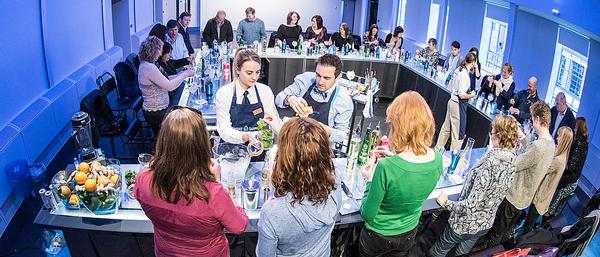
Tickets can be upgraded to include a gin workshop for £15 ($38, €34) or a cocktail masterclass for £35 ($54, €48).
When Heatherwick designed this multi-million-pound brandland, he made the visitor experience integral to the masterplan. His addition of tropical “greenhouses” got Bombay Sapphire instant publicity.
Meller, GWP, Arup and Giles Quarme heritage consultants and SKM Enviros were among others involved.
Will Brix, estate manager at Bombay Sapphire Distillery, says brandland attractions appeal to modern consumers. “They want to know and verify everything,” Brix says. “We want people to see the craftsmanship behind our gin because, whatever you make, if you say it’s high quality, people want to see it with their own eyes.”
Brix has been with Bacardi, the parent company, for 10 years and with Bombay Sapphire Spirits Company for the past seven. He talked to Attractions Management and gave us a facility tour.
What does your job entail? As estate manager I handle visitors and publicity. I work with the master distiller, Nik Fordham, who’s in charge of production – 25 million litres of gin a year.
Can you describe the visitor experience? It’s going behind the curtains of Bombay Sapphire, seeing the people and the place where it’s made, where all the ingredients come from. Visitors can come and see the distillery, the raw ingredients, the production process.
Beyond that, if you’re interested in history, architecture, sustainability, horticulture or ecology, then there’s something for everyone to come and have a look at. Laverstoke Mill is a fascinating place in its own right, but being the home of Bombay Sapphire is the jewel in the crown, if you’ll excuse the pun.
The site was already amazing, but the glass houses add a bit of modernity, and Bombay Sapphire has always been about the old and new juxtaposition, and I think this lives up to it perfectly.
How did the project come about? There was a fire in 2006 at the facility where Bombay Sapphire was produced by our contractor. After the fire we decided we were big enough to set up our own distillery. The operations side was trying to deal with rising demand while producing the gin as sustainably as possible. On the experiential and marketing side, we wanted to show the craftsmanship and skill that go into every drop of Bombay Sapphire. We also had huge traditional copper stills, dating back to 1831, to distil the gin, which we’ve made central to the new home.
How did you end up at this Victorian paper mill in the countryside? We wanted the English countryside to be the setting for our iconic English gin. We also wanted a site which was suitable for redevelopment. We were inspired by the Campaign for the Protection of Rural England, which says the English countryside is a finite resource that needs to be preserved. We wanted to repurpose or bring a building back to life instead of building fresh.
This Hampshire site dates back to 903. We achieved our commercial aspirations and restored a piece of English heritage.
How many visitors do you hope to attract? We have a visitor target of around 80,000 a year. We have a maximum daily capacity, but we have a well-considered system to restrict numbers as needs be.
Why did you commission Heatherwick Studio? We had a long-standing relationship with Thomas Heatherwick. He won a glass design competition we ran about 10 years ago and he’s judged competitions for us in the past. There was a natural tie-in with their ideas. Heatherwick Studio had that added insight about who we are and that was big for us. We didn’t want to just do it, we wanted to do it how Bombay Sapphire would do it. Thomas was part of the team who first came to this derelict site and he was as excited as we were.
The distillery received a BREEAM outstanding certification. What are its sustainable attributes? We generate hydroelectricity, we’ve got photovoltaic panels and at the heart of the operation we’ve got a sustainable biomass boiler. The boiler burns locally sourced renewable woodchip as well as the spent botanicals from the distillation process.
The site has such a long history. Did you work with heritage consultants? We worked with English Heritage and we worked extensively with the conservation office and the local community as well. As they made bank notes here, everything had to be destroyed for security reasons, so there was no archive. There was nothing here but a couple of artefacts.
We wanted to know what had happened. We’d heard stories but we had to verify them ourselves so we hired an archivist and she spoke to everyone in the local area. She probably got enough information to write a book, so we’ve built a dialogue with the local community. People were happy that we wanted to compile an archive and we’re going to introduce heritage tours later this year.
Was it important to have the local community on board? Before we acquired the site, a developer was planning to build 70 houses, which would have radically altered the character of the village. People favoured this return to industrial usage. It’s uncommon for a big project, but we had unanimous backing. We’re bringing high-quality goods manufacturing back to Laverstoke.
Are there any benefits for locals? There’s a season pass for locals. The bar, shop and Heritage Room are free of charge to all. We have regulars at the weekends who come in for cocktails. Everyone here has a connection to this place. One of our hosts is a fifth-generation mill worker. In the Heritage Room, people point out their great-great-grandfathers and great-great-aunts – it’s brilliant. They bring their friends and relatives to do the experience. They’re offered a loyalty card which means they pay once but can return as many times as they like.
It seems the visitor experience has been central to the design process from the beginning? It was designed from scratch with that in mind. We wanted it to be about self-discovery. We didn’t want it to be a didactic museum experience with a “visitor centre” at a working distillery. A visitor centre is often 50 per cent about the amenities and 50 per cent about the attraction. We wanted to be 90 per cent about the attraction. That’s a difficult brief to Heatherwick, who’s not the biggest fan of “visitor centres” as a concept, and I think he responded really well by building different elements into an experience.
Read more from this issue of Spa Business magazine
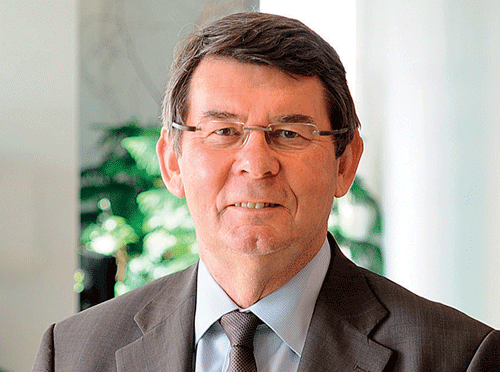
Interview: Dominique Cocquet
Euro Disney’s Villages Nature is
a next-generation approach to
park accommodation with leading
eco credentials. Resort manager
Dominque Cocquet tells all
Rides: The Ride Makers
In the second part of our series,
industry-leading manufacturers tell us
about the latest trends in family-friendly
coasters and child-friendly rides
Workplace Apps: Work Mates
Apps that manage an attraction’s
workforce make life easier for operators.
Could this software help you?
3D/4D/5D: New Dimensions
From zombie-themed dark rides to
3D films about supersonic cars, its the
latest news, products and launches
from the world of 3D/4D/5D
“A lovely thing about Bombay Sapphire is the crazy lengths they go to source their botanicals, from India, China and Spain. We loved that as part of their story. A quirk of the distillation process is that it produces a huge amount of excess heat. These two things came together and we saw an opportunity to create a couple of greenhouses that could use the excess energy to grow specimens of the botanicals that go into the gin. The hot air is circulated from the still building into the glass houses. We created a tropical and a Mediterranean glass house alongside the stills, right in the heart of the site.
There’s an amazing Victorian heritage of glass house engineering in the UK – like the Palm House at Kew Gardens. We brought that Victorian elegance to the 21st century by applying the most innovative glass technology. We created a very contemporary glass structure that isn’t afraid of the steel, using the steel to accentuate the form of the glass houses.”
Waste produced by the distillation process in the still house is recycled to warm the botanical glass houses
The Bombay visitor experience Visitors to the distillery at Laverstoke Mill are free to roam around much of the site. With a simple map and a number of gramophone-inspired listening points, with multilingual audio, visitors determine their own route and pace around the attraction.
The Heritage Room The room introduces the history of the site with artefacts and photographs
The Glass Houses Visitors learn about the different plants that form the ingredients of Bombay Sapphire in Heatherwick Studio’s glass houses
Botanical Dry Room In the dry room, visitors embark on a “tasting adventure” where they can sample and smell specimens of the botanics. If they record their preferences, a gin cocktail can be tailored to their tastes at the Mill Bar
Dakin Still House Visitors see the historic copper stills and learn about the vapour infusion process
The Mill Bar Visitors can enjoy a cocktail or two in the bar, which has no admission charge
The Gin Academy For an extra fee, take a gin workshop or a cocktail masterclass in this event space
The GIN SHOP The retail offering includes Bombay Sapphire limited-edition products ... and gin
In the dry room, visitors can try ingredients ranging from cubeb berry to cassia bark
The masterclass is an opportunity to practice making cocktails and learn about cocktail culture
In the fast-paced world of fitness and wellness, where high-intensity workouts push us to
our limits and the sweat pours, the importance of efficient recovery cannot be overstated. [more...]
In today’s premium spa environment, every detail shapes the guest experience – right down to
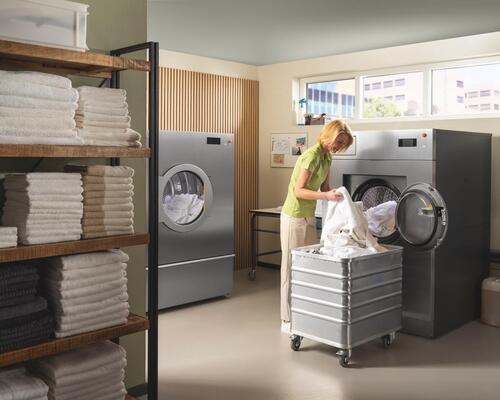
the softness of towels and the freshness of linens. [more...]
+ More featured suppliers
COMPANY PROFILES
Sothys Paris
Founded in 1946, Sothys is owned by the
Mas family. Chief executive Christian Mas
oversees the com [more...]
Living Earth Crafts
For over 50 years, LEC has been manufacturing award-winning spa equipment for the world’s finest spas [more...]
Bombay Sapphire has set down roots at Laverstoke Mill, in Hampshire, UK, where
all its gin will now be distilled. Visitors are invited to make themselves at home
By Alice Davis | Published in Attractions Management 2015 issue 1
Estate manager Will Brix worked closely with Heatherwick Studio to create the attraction
Bombay Sapphire has founded a brandland in the heart of the English countryside. The site is surrounded by woodland, just an hour from London.
The Bombay Sapphire Distillery at Laverstoke Mill is indeed a working distillery, but the public is also invited to explore the production facility, the architecture and the picturesque site, which is on the banks of the River Test.
Central to the experience are the two striking glass houses, designed by award-winning designer Thomas Heatherwick. In a clever twist, the glass houses recycle the heat created by the distillation process to create the warmth needed for specimens of the gin’s botanicals to grow. Inside the glass houses, visitors learn about the plants and their origins, through the educational listening posts and interactive touch screen displays.
It’s interesting to see the Georgian and Victorian buildings and learn about their history – British bank notes used to be made here. Visitors can go inside the renovated buildings – only a few are off limits – and they’ll see two huge copper stills from the 1830s and learn about the distillation process in the Dakin House.
The heritage of the site is explained clearly through photographs and other artefacts, signs, and audio information.
A highlight for the visitor is the interactive Tasting Adventure. Samples of the 10 botanicals are on display for visitors to sniff, taste and touch as they experiment with flavour and scent. This is enjoyable for children as well as adults.
The Self-Discovery Experience – £15 ($23, €20) for an adult and £10 ($15, €13) for a child – allows you to explore the whole riverside site and enjoy a complimentary cocktail in the bar. The experience takes a couple of hours. Visitors who do not wish to drink or who are driving are offered a soft drink in the Mill Bar, and receive a free takeaway cocktail kit for when they get home.
Tickets can be upgraded to include a gin workshop for £15 ($38, €34) or a cocktail masterclass for £35 ($54, €48).
When Heatherwick designed this multi-million-pound brandland, he made the visitor experience integral to the masterplan. His addition of tropical “greenhouses” got Bombay Sapphire instant publicity.
Meller, GWP, Arup and Giles Quarme heritage consultants and SKM Enviros were among others involved.
Will Brix, estate manager at Bombay Sapphire Distillery, says brandland attractions appeal to modern consumers. “They want to know and verify everything,” Brix says. “We want people to see the craftsmanship behind our gin because, whatever you make, if you say it’s high quality, people want to see it with their own eyes.”
Brix has been with Bacardi, the parent company, for 10 years and with Bombay Sapphire Spirits Company for the past seven. He talked to Attractions Management and gave us a facility tour.
What does your job entail? As estate manager I handle visitors and publicity. I work with the master distiller, Nik Fordham, who’s in charge of production – 25 million litres of gin a year.
Can you describe the visitor experience? It’s going behind the curtains of Bombay Sapphire, seeing the people and the place where it’s made, where all the ingredients come from. Visitors can come and see the distillery, the raw ingredients, the production process.
Beyond that, if you’re interested in history, architecture, sustainability, horticulture or ecology, then there’s something for everyone to come and have a look at. Laverstoke Mill is a fascinating place in its own right, but being the home of Bombay Sapphire is the jewel in the crown, if you’ll excuse the pun.
The site was already amazing, but the glass houses add a bit of modernity, and Bombay Sapphire has always been about the old and new juxtaposition, and I think this lives up to it perfectly.
How did the project come about? There was a fire in 2006 at the facility where Bombay Sapphire was produced by our contractor. After the fire we decided we were big enough to set up our own distillery. The operations side was trying to deal with rising demand while producing the gin as sustainably as possible. On the experiential and marketing side, we wanted to show the craftsmanship and skill that go into every drop of Bombay Sapphire. We also had huge traditional copper stills, dating back to 1831, to distil the gin, which we’ve made central to the new home.
How did you end up at this Victorian paper mill in the countryside? We wanted the English countryside to be the setting for our iconic English gin. We also wanted a site which was suitable for redevelopment. We were inspired by the Campaign for the Protection of Rural England, which says the English countryside is a finite resource that needs to be preserved. We wanted to repurpose or bring a building back to life instead of building fresh.
This Hampshire site dates back to 903. We achieved our commercial aspirations and restored a piece of English heritage.
How many visitors do you hope to attract? We have a visitor target of around 80,000 a year. We have a maximum daily capacity, but we have a well-considered system to restrict numbers as needs be.
Why did you commission Heatherwick Studio? We had a long-standing relationship with Thomas Heatherwick. He won a glass design competition we ran about 10 years ago and he’s judged competitions for us in the past. There was a natural tie-in with their ideas. Heatherwick Studio had that added insight about who we are and that was big for us. We didn’t want to just do it, we wanted to do it how Bombay Sapphire would do it. Thomas was part of the team who first came to this derelict site and he was as excited as we were.
The distillery received a BREEAM outstanding certification. What are its sustainable attributes? We generate hydroelectricity, we’ve got photovoltaic panels and at the heart of the operation we’ve got a sustainable biomass boiler. The boiler burns locally sourced renewable woodchip as well as the spent botanicals from the distillation process.
The site has such a long history. Did you work with heritage consultants? We worked with English Heritage and we worked extensively with the conservation office and the local community as well. As they made bank notes here, everything had to be destroyed for security reasons, so there was no archive. There was nothing here but a couple of artefacts.
We wanted to know what had happened. We’d heard stories but we had to verify them ourselves so we hired an archivist and she spoke to everyone in the local area. She probably got enough information to write a book, so we’ve built a dialogue with the local community. People were happy that we wanted to compile an archive and we’re going to introduce heritage tours later this year.
Was it important to have the local community on board? Before we acquired the site, a developer was planning to build 70 houses, which would have radically altered the character of the village. People favoured this return to industrial usage. It’s uncommon for a big project, but we had unanimous backing. We’re bringing high-quality goods manufacturing back to Laverstoke.
Are there any benefits for locals? There’s a season pass for locals. The bar, shop and Heritage Room are free of charge to all. We have regulars at the weekends who come in for cocktails. Everyone here has a connection to this place. One of our hosts is a fifth-generation mill worker. In the Heritage Room, people point out their great-great-grandfathers and great-great-aunts – it’s brilliant. They bring their friends and relatives to do the experience. They’re offered a loyalty card which means they pay once but can return as many times as they like.
It seems the visitor experience has been central to the design process from the beginning? It was designed from scratch with that in mind. We wanted it to be about self-discovery. We didn’t want it to be a didactic museum experience with a “visitor centre” at a working distillery. A visitor centre is often 50 per cent about the amenities and 50 per cent about the attraction. We wanted to be 90 per cent about the attraction. That’s a difficult brief to Heatherwick, who’s not the biggest fan of “visitor centres” as a concept, and I think he responded really well by building different elements into an experience.
Read more from this issue of Spa Business magazine
Interview: Dominique Cocquet
Euro Disney’s Villages Nature is
a next-generation approach to
park accommodation with leading
eco credentials. Resort manager
Dominque Cocquet tells all
Rides: The Ride Makers
In the second part of our series,
industry-leading manufacturers tell us
about the latest trends in family-friendly
coasters and child-friendly rides
Workplace Apps: Work Mates
Apps that manage an attraction’s
workforce make life easier for operators.
Could this software help you?
3D/4D/5D: New Dimensions
From zombie-themed dark rides to
3D films about supersonic cars, its the
latest news, products and launches
from the world of 3D/4D/5D
“A lovely thing about Bombay Sapphire is the crazy lengths they go to source their botanicals, from India, China and Spain. We loved that as part of their story. A quirk of the distillation process is that it produces a huge amount of excess heat. These two things came together and we saw an opportunity to create a couple of greenhouses that could use the excess energy to grow specimens of the botanicals that go into the gin. The hot air is circulated from the still building into the glass houses. We created a tropical and a Mediterranean glass house alongside the stills, right in the heart of the site.
There’s an amazing Victorian heritage of glass house engineering in the UK – like the Palm House at Kew Gardens. We brought that Victorian elegance to the 21st century by applying the most innovative glass technology. We created a very contemporary glass structure that isn’t afraid of the steel, using the steel to accentuate the form of the glass houses.”
Waste produced by the distillation process in the still house is recycled to warm the botanical glass houses
The Bombay visitor experience Visitors to the distillery at Laverstoke Mill are free to roam around much of the site. With a simple map and a number of gramophone-inspired listening points, with multilingual audio, visitors determine their own route and pace around the attraction.
The Heritage Room The room introduces the history of the site with artefacts and photographs
The Glass Houses Visitors learn about the different plants that form the ingredients of Bombay Sapphire in Heatherwick Studio’s glass houses
Botanical Dry Room In the dry room, visitors embark on a “tasting adventure” where they can sample and smell specimens of the botanics. If they record their preferences, a gin cocktail can be tailored to their tastes at the Mill Bar
Dakin Still House Visitors see the historic copper stills and learn about the vapour infusion process
The Mill Bar Visitors can enjoy a cocktail or two in the bar, which has no admission charge
The Gin Academy For an extra fee, take a gin workshop or a cocktail masterclass in this event space
The GIN SHOP The retail offering includes Bombay Sapphire limited-edition products ... and gin
In the dry room, visitors can try ingredients ranging from cubeb berry to cassia bark
The masterclass is an opportunity to practice making cocktails and learn about cocktail culture
Global Wellness Day (GWD) marked its 15th anniversary on Saturday 13 June 2026, with the
theme: #JoyMagenta – a celebration of the healing qualities of simple gestures and activities
that spark joy.
Global luxury hospitality brand, Six Senses, has partnered with longevity healthcare provider,
HUM2N, to launch a clinic at Six Senses London, at The Whiteley.
As part of its first hotel partnership, Mayrlife – the medical health resort company known for its
site in Altaussee, Austria – has launched a day clinic at the Rosewood Vienna.
Premium London health club, KX Chelsea, will imminently unveil its most significant
redevelopment since its launch in 2002 to create an integrated wellness model combining
training, recovery and relaxation.
Rosewood Le Guanahani St Barth, on the northeast coast of Saint Barthélemy in the French
West Indies, is offering a programme of ocean-inspired yoga classes between 8-14 June to
celebrate Global Wellness Day (GWD).
Hotel de France, located on the British Isle of Jersey, has created a wellness retreat package
that includes a hot yoga session that will take place in Jersey Zoo’s butterfly sanctuary.
The Ritz-Carlton, Langkawi, in Malaysia, has revealed a schedule for Global Wellness Day
(GWD) that includes guided rainforest walks, mindful movement and guided coastal meditation
experiences.
Longevitix, a clinical platform for preventive and longevity medicine, has launched its AI-
powered intelligence system to help physicians deliver continuous, personalised longevity-
focused care at scale.
Atmantan Wellness Centre, an integrative wellness destination in Mulshi, near Pune in India, is
expanding its portfolio by adding a new centre in Hyderabad that will launch between 2028 and
2029.
In the fast-paced world of fitness and wellness, where high-intensity workouts push us to
our limits and the sweat pours, the importance of efficient recovery cannot be overstated. [more...]
In today’s premium spa environment, every detail shapes the guest experience – right down to
the softness of towels and the freshness of linens. [more...]
+ More featured suppliers
COMPANY PROFILES
Sothys Paris Founded in 1946, Sothys is owned by the
Mas family. Chief executive Christian Mas
oversees the com [more...]