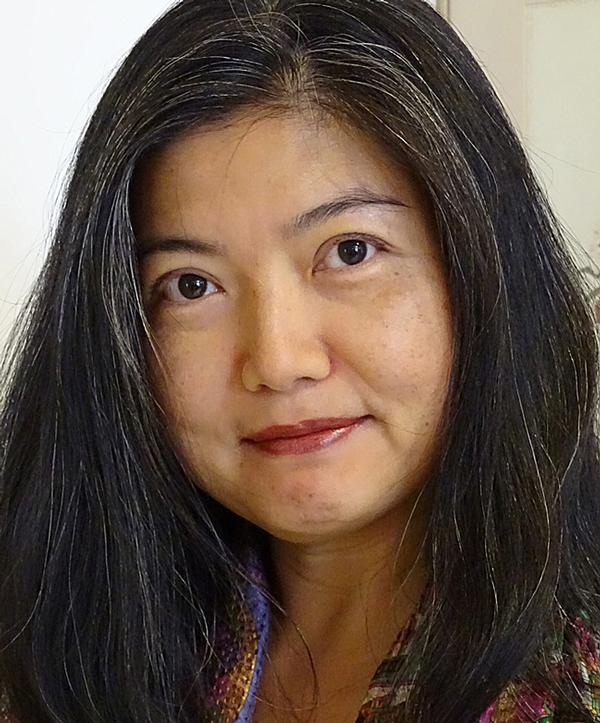
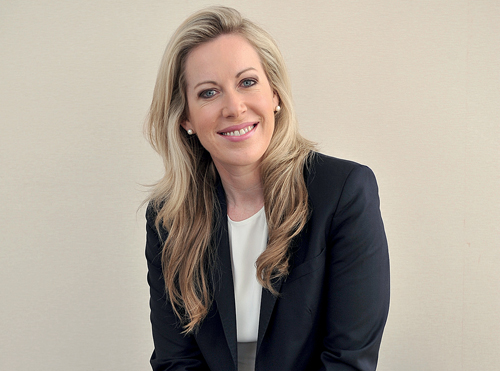
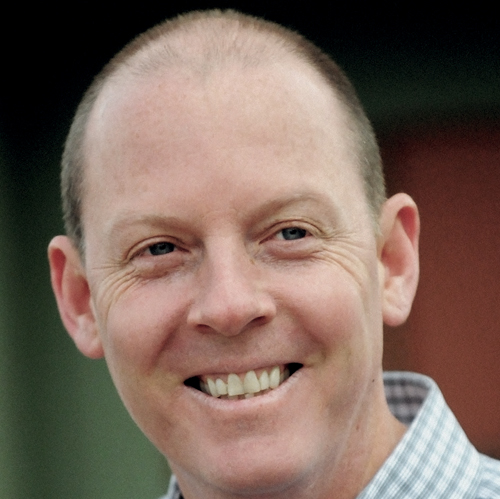
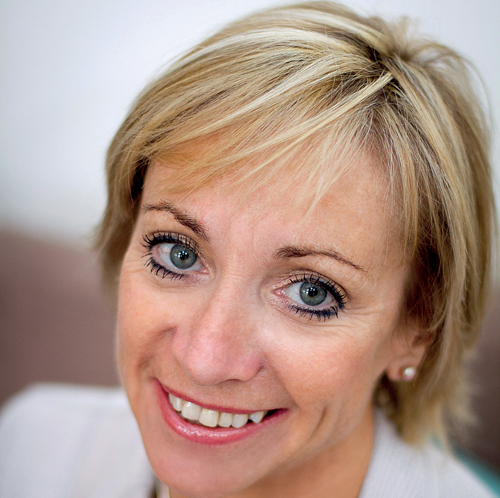
Kate Sim, Head of Spa
Operations for The Oberoi
Group, tells Judy Chapman
how an initiative created
by the Bhutanese
government has resulted
in more than a third of
its therapists originating
from the country
By Judy Chapman | Published in Spa Business 2016 issue 1
Lack of qualified therapists is one of the biggest challenges in our burgeoning industry and spa operators the world over struggle to find the right employees. However, since 2010, The Oberoi Group has managed to cleverly sidestep the issue by recruiting its talent through an initiative put forward by the Bhutanese government.
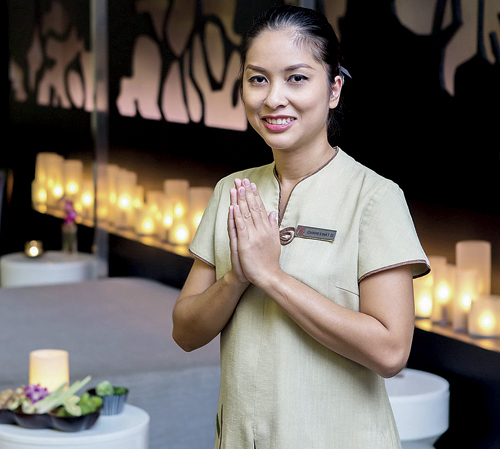
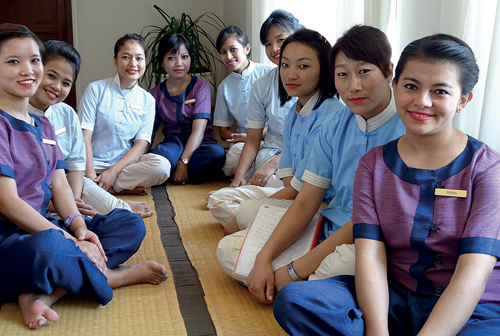
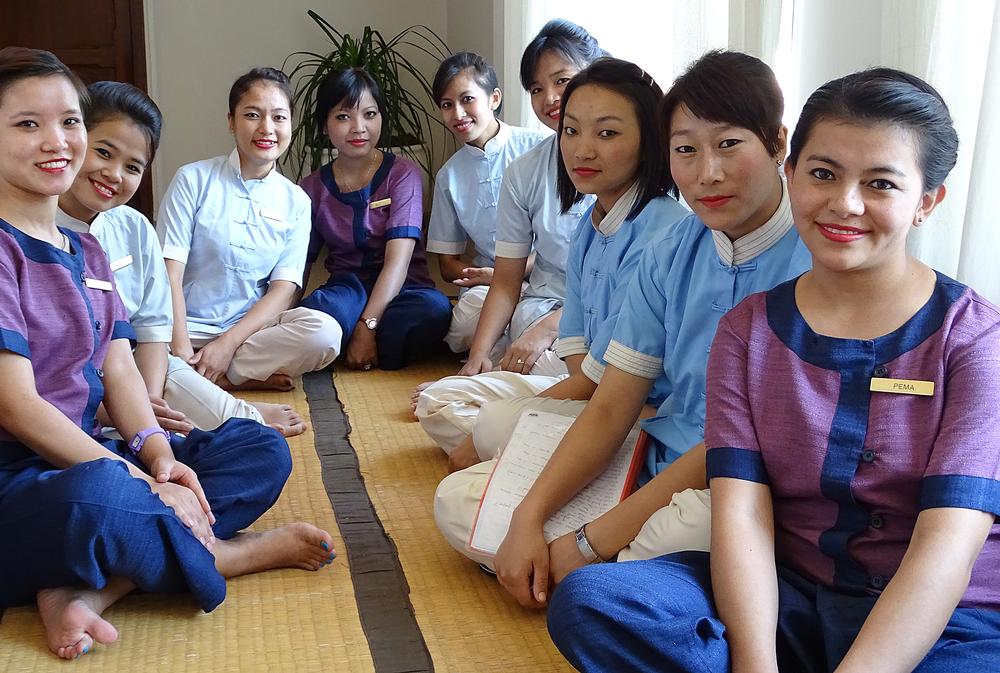
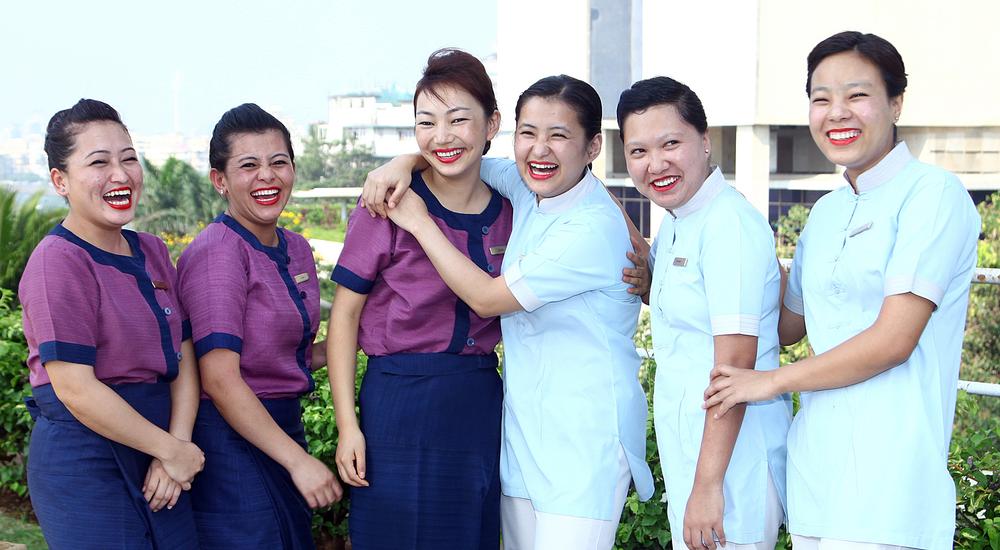
Kate Sim, who’s been head of spa operations at Oberoi for nearly two years, explains that through this programme, around 40 of its 110 therapists now originate from Bhutan. They work in spas across its 30 Oberoi- and Trident-branded properties, the majority of which are located in India.
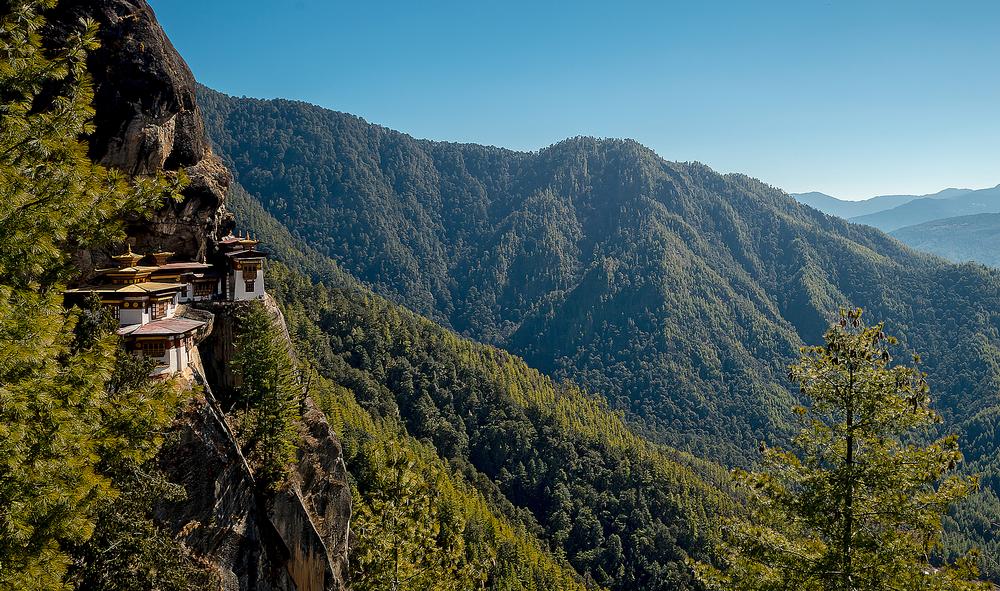
Helping its youth Bhutan is a majestically beautiful, mountainous country bordering Tibet and the majority of people live in rural areas. While undeniably idyllic there are, however, few opportunities for young people to find work outside farming, which is the main livelihood. It’s with this backdrop that the Bhutanese government set up a therapist training initiative, along with others in the fields of medicine, IT and engineering, to create meaningful employment opportunities for its youth.
Government officials first interview and recruit applicants for the programme, after which they undergo a three-month training course at the International Institute of Wellness Studies school near New Delhi, India. Around 400 go through the course a year. After training, they’re given job placements at major establishments in India, as well as abroad.
Five years on from its launch, the initiative has proven so successful that Bhutan is exploring similar programmes for other areas of hospitality, including F& B, front desk and housekeeping.
What’s encouraging is that the government funds the entire programme and doesn’t take any commission from placements. “They’re genuinely passionate about providing education and excellent working conditions for their people,” says Sim. On the latter point, she explains that they’re understandably cautious about which establishments they select. “Spa is not part of Bhutanese culture... The ministry of labour sends officers to inspect venues to ensure they’re dignified and will not hesitate to withdraw their appointment and bear the cost of sending them home to the safety of their family, if the spas are not professionally managed.”
She adds: “They’ll only send their youth to work in reputable and five-star establishments.” This is something which works in Oberoi’s favour because, due to its reputation, the group has priority in the selection of students during recruitment.
Tapping into the potential Sim inherited the Bhutanese training programme when she took over the head of spas role from Christine Hays in January 2014 (see p24 and SB11/2 p50).
Starting out as a therapist, Sim had entrepreneurial spirit which quickly drove her to open her own spa in Singapore. Prior to joining Oberoi, she spent several years with ESPA and also worked for other leading spa operators such as Peninsula, Ritz-Carlton and Mandarin Oriental. She personally interviews and skill tests the therapists at the training institute before deciding on a shortlist of 10 to 15 staff.
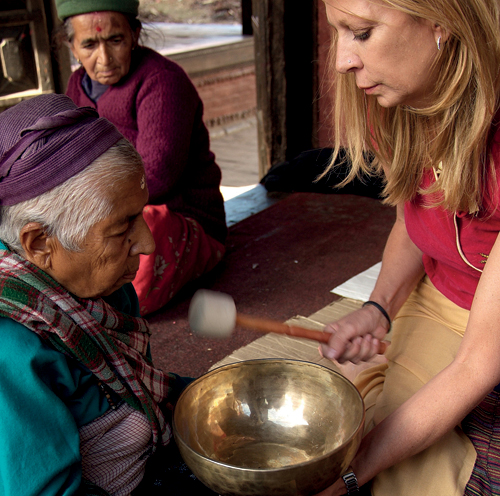
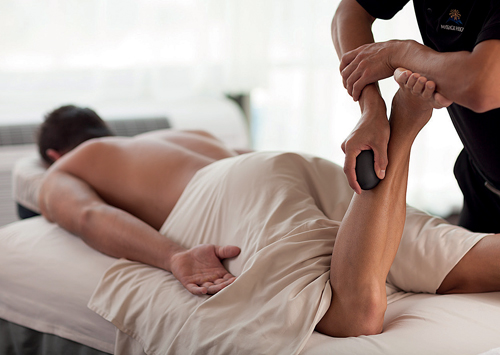
While the initial course covers the basics of anatomy and physiology, massage, reflexology, body scrubs, nails and skin, therapists don’t get a chance to practice on real guests. “There’s still much more training to be conducted after they graduate,” she says, explaining that the students undergo much deeper training with her. Even after they’re sent to various Oberoi properties, education continues, until they gain more confidence.
“I’m inspired to teach therapists how to tune in, stand properly during massage to protect themselves, apply the correct pressure,” she says. “These elements are crucial to being a good therapist with career longevity. I also focus on the soft skills, such as learning how to deal with difficult guests and the difference between service and servitude.”
One challenge she hadn’t anticipated, however, was that family always come first for the Bhutanese and there’s an expectation for the girls to get married. Sim explains: “If their elder at home is unwell, they’ll drop everything to return home to care for their family. The family bond is very strong.”
In response to this, Sim recently introduced a suspension contract so that if the therapists need to leave for family reasons they’re welcome to join back. This has proven successful and over 60 per cent of the Bhutanese therapists at Oberoi have stayed for more than their initial two-year contract. “Most will extend their contracts for another two years so we can continue to train and grow them.”
As the Bhutanese are predominantly Buddhist, giving is part of their culture, meaning the therapists have a head start in certain aspects of the role. “This can be seen in the way they communicate with guests and deliver their treatments,” she says. “They learn very quickly and are gifted in attitude and in aptitude.”
It’s also in their nature to behave respectfully to each other, which helps as well. “During my first ever training session, for example, I was amazed at how mature the girls were,” says Sim. “Normally when you have 20 young women in a room there are bound to be challenges – but not with the women from Bhutan.”
Creating a nurturing and inspiring work environment for the therapists is one of Sim’s main motivations. “One therapist who started on the programme is now a supervisor and we’re grooming her to become a manager. My passion is to help our therapists retain their uniqueness rather than follow a script. I find ways to celebrate their individuality.”
Spa image revamp Aside from her focus on training and three new openings this year (in India, UAE and Morocco), the exciting news is that Sim is now creating a spa identity for Oberoi.
While the group has had a successful relationship with Banyan Tree for a number of years – Banyan Tree previously ran its spas on a third-party basis before Oberoi took spa management in-house – Sim is now keen to establish an Oberoi identity. “The Banyan Tree brand has left a strong imprint so my goal is to redefine our spa image and infuse Indianese into our brand identity.”
Although she won’t share specifics, Sim hints at sari-style uniforms, a foot ritual based on traditional vedic practices and Indian fusion sufi-style music “to provide a more authentic experience for guests”.
On top of this, Sim is exploring a pilot project to conduct training in Bhutan. “I strongly believe that the girls will feel more comfortable training in their own country,” she says, adding that it will bring pride and honour to her senior Bhutanese therapists to lead some of the modules.
And while she doesn’t want to source all her therapists from Bhutan exclusively – it’s important to have variety, and Oberoi has successfully recruited talent from north India for a number of years – she can’t help but be impressed by the initiative. She concludes: “I’m overwhelmed by the commitment and integrity of the Bhutanese government and also how the Buddhist culture makes the Bhutanese therapists at heart. It’s in their nature to put others first. They’re outstanding people and I can’t tell you how happy I am working with them.”
Read more from this issue of Spa Business magazine
Interview: Kenneth Ryan
Marriott’s global head of spa talks exclusively to Katie Barnes about the new ‘game-changing’ Ritz-Carlton Spa brand and market domination
Promotional feature: Steve Kass Consulting
Steve Kass, founder and former CEO of American Leisure, has launched a new business, Steve Kass Consulting. The global leader explains his goals as an innovative concept and design creator
Research: Work it out
Ophelia Yeung gives a sneak preview of a new study on workplace wellness that debuts later this month
Fitness: Competitive edge
Could a touch of rivalry help spas to engage more people in fitness? Niamh Madigan finds out
Promotional feature: Ojmar
A growing number of spa operators across the UK are working with Ojmar to upgrade their traditional keyed locking systems to electronic solutions
In the fast-paced world of fitness and wellness, where high-intensity workouts push us to
our limits and the sweat pours, the importance of efficient recovery cannot be overstated. [more...]
Le Atelier by C.O.D.E. doesn't offer a standard bespoke service, it provides a highly
customised approach to designing massage beds and loungers in high-end wellness
environments. [more...]
+ More featured suppliers
COMPANY PROFILES
Seed To Skin
Founded by Jeanette Thottrup in 2018, in Tuscany, Seed to Skin is an award winning skincare line. [more...]
Cariitti Oy
Cariitti is a Finnish family business founded by Kari Ruokonen in 1998 that offers versatile lightin [more...]
Kate Sim, Head of Spa
Operations for The Oberoi
Group, tells Judy Chapman
how an initiative created
by the Bhutanese
government has resulted
in more than a third of
its therapists originating
from the country
By Judy Chapman | Published in Spa Business 2016 issue 1
Lack of qualified therapists is one of the biggest challenges in our burgeoning industry and spa operators the world over struggle to find the right employees. However, since 2010, The Oberoi Group has managed to cleverly sidestep the issue by recruiting its talent through an initiative put forward by the Bhutanese government.
Kate Sim, who’s been head of spa operations at Oberoi for nearly two years, explains that through this programme, around 40 of its 110 therapists now originate from Bhutan. They work in spas across its 30 Oberoi- and Trident-branded properties, the majority of which are located in India.
Helping its youth Bhutan is a majestically beautiful, mountainous country bordering Tibet and the majority of people live in rural areas. While undeniably idyllic there are, however, few opportunities for young people to find work outside farming, which is the main livelihood. It’s with this backdrop that the Bhutanese government set up a therapist training initiative, along with others in the fields of medicine, IT and engineering, to create meaningful employment opportunities for its youth.
Government officials first interview and recruit applicants for the programme, after which they undergo a three-month training course at the International Institute of Wellness Studies school near New Delhi, India. Around 400 go through the course a year. After training, they’re given job placements at major establishments in India, as well as abroad.
Five years on from its launch, the initiative has proven so successful that Bhutan is exploring similar programmes for other areas of hospitality, including F& B, front desk and housekeeping.
What’s encouraging is that the government funds the entire programme and doesn’t take any commission from placements. “They’re genuinely passionate about providing education and excellent working conditions for their people,” says Sim. On the latter point, she explains that they’re understandably cautious about which establishments they select. “Spa is not part of Bhutanese culture... The ministry of labour sends officers to inspect venues to ensure they’re dignified and will not hesitate to withdraw their appointment and bear the cost of sending them home to the safety of their family, if the spas are not professionally managed.”
She adds: “They’ll only send their youth to work in reputable and five-star establishments.” This is something which works in Oberoi’s favour because, due to its reputation, the group has priority in the selection of students during recruitment.
Tapping into the potential Sim inherited the Bhutanese training programme when she took over the head of spas role from Christine Hays in January 2014 (see p24 and SB11/2 p50).
Starting out as a therapist, Sim had entrepreneurial spirit which quickly drove her to open her own spa in Singapore. Prior to joining Oberoi, she spent several years with ESPA and also worked for other leading spa operators such as Peninsula, Ritz-Carlton and Mandarin Oriental. She personally interviews and skill tests the therapists at the training institute before deciding on a shortlist of 10 to 15 staff.
While the initial course covers the basics of anatomy and physiology, massage, reflexology, body scrubs, nails and skin, therapists don’t get a chance to practice on real guests. “There’s still much more training to be conducted after they graduate,” she says, explaining that the students undergo much deeper training with her. Even after they’re sent to various Oberoi properties, education continues, until they gain more confidence.
“I’m inspired to teach therapists how to tune in, stand properly during massage to protect themselves, apply the correct pressure,” she says. “These elements are crucial to being a good therapist with career longevity. I also focus on the soft skills, such as learning how to deal with difficult guests and the difference between service and servitude.”
One challenge she hadn’t anticipated, however, was that family always come first for the Bhutanese and there’s an expectation for the girls to get married. Sim explains: “If their elder at home is unwell, they’ll drop everything to return home to care for their family. The family bond is very strong.”
In response to this, Sim recently introduced a suspension contract so that if the therapists need to leave for family reasons they’re welcome to join back. This has proven successful and over 60 per cent of the Bhutanese therapists at Oberoi have stayed for more than their initial two-year contract. “Most will extend their contracts for another two years so we can continue to train and grow them.”
As the Bhutanese are predominantly Buddhist, giving is part of their culture, meaning the therapists have a head start in certain aspects of the role. “This can be seen in the way they communicate with guests and deliver their treatments,” she says. “They learn very quickly and are gifted in attitude and in aptitude.”
It’s also in their nature to behave respectfully to each other, which helps as well. “During my first ever training session, for example, I was amazed at how mature the girls were,” says Sim. “Normally when you have 20 young women in a room there are bound to be challenges – but not with the women from Bhutan.”
Creating a nurturing and inspiring work environment for the therapists is one of Sim’s main motivations. “One therapist who started on the programme is now a supervisor and we’re grooming her to become a manager. My passion is to help our therapists retain their uniqueness rather than follow a script. I find ways to celebrate their individuality.”
Spa image revamp Aside from her focus on training and three new openings this year (in India, UAE and Morocco), the exciting news is that Sim is now creating a spa identity for Oberoi.
While the group has had a successful relationship with Banyan Tree for a number of years – Banyan Tree previously ran its spas on a third-party basis before Oberoi took spa management in-house – Sim is now keen to establish an Oberoi identity. “The Banyan Tree brand has left a strong imprint so my goal is to redefine our spa image and infuse Indianese into our brand identity.”
Although she won’t share specifics, Sim hints at sari-style uniforms, a foot ritual based on traditional vedic practices and Indian fusion sufi-style music “to provide a more authentic experience for guests”.
On top of this, Sim is exploring a pilot project to conduct training in Bhutan. “I strongly believe that the girls will feel more comfortable training in their own country,” she says, adding that it will bring pride and honour to her senior Bhutanese therapists to lead some of the modules.
And while she doesn’t want to source all her therapists from Bhutan exclusively – it’s important to have variety, and Oberoi has successfully recruited talent from north India for a number of years – she can’t help but be impressed by the initiative. She concludes: “I’m overwhelmed by the commitment and integrity of the Bhutanese government and also how the Buddhist culture makes the Bhutanese therapists at heart. It’s in their nature to put others first. They’re outstanding people and I can’t tell you how happy I am working with them.”
Read more from this issue of Spa Business magazine
Interview: Kenneth Ryan
Marriott’s global head of spa talks exclusively to Katie Barnes about the new ‘game-changing’ Ritz-Carlton Spa brand and market domination
Promotional feature: Steve Kass Consulting
Steve Kass, founder and former CEO of American Leisure, has launched a new business, Steve Kass Consulting. The global leader explains his goals as an innovative concept and design creator
Research: Work it out
Ophelia Yeung gives a sneak preview of a new study on workplace wellness that debuts later this month
Fitness: Competitive edge
Could a touch of rivalry help spas to engage more people in fitness? Niamh Madigan finds out
Promotional feature: Ojmar
A growing number of spa operators across the UK are working with Ojmar to upgrade their traditional keyed locking systems to electronic solutions
A recent survey by the UK Spa Association (UKSA) into the industry’s approach to cancer care
has revealed that almost half of participating respondents (46 per cent) are unaware that
cancer is a disability and guests with a cancer diagnosis must be given
Mexican operator, Solmar Hotels and Resorts, is hosting a series of events in celebration of
Global Wellness Day, including a Temazcal ceremony at its Playa Grande Resort and Spa in Los
Cabos.
Mandarin Oriental has announced a standalone residence brand, Mansions, which will debut at
Emirates Palace, Mandarin Oriental Mansions, Abu Dhabi, in 2029.
Four Seasons Resort The Nam Hai in Hoi An, Vietnam, has put together a Global Wellness Day
(GWD) agenda with activations rooted in nature and shaped by four pillars of Joy – in
alignment with the day’s theme #JoyMagenta.
The Global Wellness Summit (GWS) will celebrate its 20th anniversary at the 2026 event in
Phuket, Thailand, later this year with the theme: The Science, Art and Soul of Wellness.
Auko, an all-inclusive development, is opening in Phong Nha in Vietnam in Q3 2026, with a
series of 30 tented eco-lodges and wellness hospitality operations by Lumina Wellbeing.
Therme Manchester’s 28-acre development, which will include interconnected glass pavilions
that measure 65,000sq m, will be the largest bathing and wellbeing attraction in the world once
complete, according to prof David Russell, CEO of Therme UK.
Naples Beach Club, a Four Seasons Resort, has opened a 2,800sq m spa called The Sanctuary,
with the design and concept inspired by the Native American people that populated Florida’s
Southwest coast – the Calusa.
Swire Hotels’ luxury hospitality brand Upper House has revealed it will roll out its two-day
House of Healing retreats at its three hotels in Hong Kong, Chengdu and Shanghai.
In the fast-paced world of fitness and wellness, where high-intensity workouts push us to
our limits and the sweat pours, the importance of efficient recovery cannot be overstated. [more...]
Le Atelier by C.O.D.E. doesn't offer a standard bespoke service, it provides a highly
customised approach to designing massage beds and loungers in high-end wellness
environments. [more...]
+ More featured suppliers
COMPANY PROFILES
Seed To Skin Founded by Jeanette Thottrup in 2018, in Tuscany, Seed to Skin is an award winning skincare line. [more...]