Yes! Send me the FREE digital editions of Spa Business and Spa Business insider magazines and the FREE weekly Spa Business and Spa Business insider ezines and breaking news alerts!
Do you have a strong opinion, or disagree with somebody else’s point of view on topics related to the spa industry? If so, Spa Business would love to hear from you. Email your letters, thoughts and suggestions to [email protected]
Interview: Kenneth Ryan
Marriott’s global head of spa talks exclusively to Katie Barnes about the new ‘game-changing’ Ritz-Carlton Spa brand and market domination
Promotional feature: Steve Kass Consulting
Steve Kass, founder and former CEO of American Leisure, has launched a new business, Steve Kass Consulting. The global leader explains his goals as an innovative concept and design creator
Research: Work it out
Ophelia Yeung gives a sneak preview of a new study on workplace wellness that debuts later this month
Fitness: Competitive edge
Could a touch of rivalry help spas to engage more people in fitness? Niamh Madigan finds out
Promotional feature: Ojmar
A growing number of spa operators across the UK are working with Ojmar to upgrade their traditional keyed locking systems to electronic solutions
l Hanrahan has raised capture rates in a number of ways
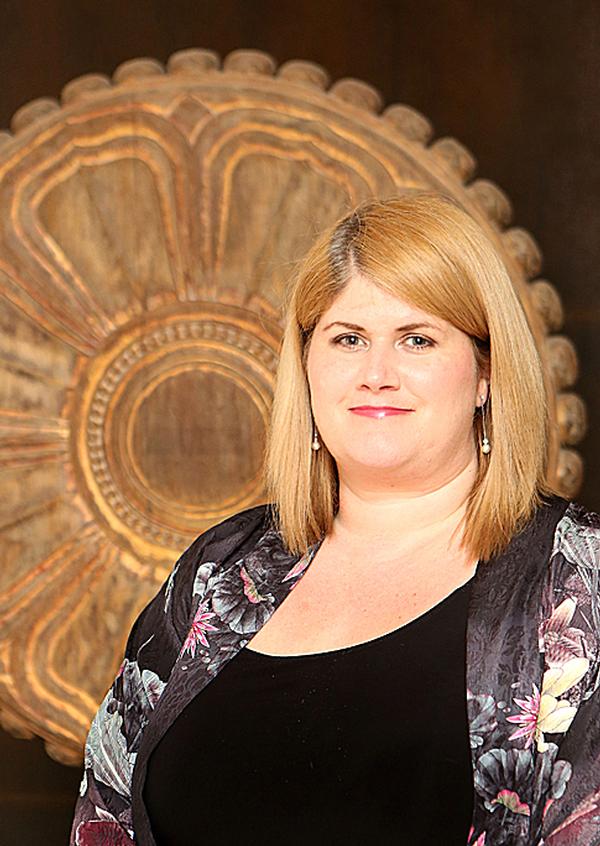
Tara HanrahanGroup Director of Spa Operations,Centara Hotels & Resorts
In the majority of cases, I’ve found that the reason why a resort or hotel spa doesn’t achieve top-line is simply due to a lack of customers. Many managers are effective in internal operations, which ensures guest satisfaction once they’re at the spa – but what strategies are in place to persuade guests to come to the spa to begin with?
I recommend breaking the hotel journey down into three sections and then ensuring that the spa has a presence at each stage.
Pre-arrival: What contact does your spa have with the guest prior to hotel arrival? Are guests able to pre-book treatments, and if so, how do you communicate this to them? Can you reach out via reservations with a spa tagline or special offer? The sooner you can let your guests know about the spa the better.
Hotel arrival: What’s happening at check-in? An arrival offer, valid for only 24 hours, could help. What script is the front office staff using to describe the spa? Consider giving them a commission to book guests on the arrival spa offer. One of my spas had a 40 per cent capture rate purely because the front office team was given a great incentive.
Throughout the stay: Breakfast is a key time to proactively engage and up-sell spa, as it’s the one time that the majority of hotel guests are in one place. Set up a booking table near the entrance to restaurant and have lots of treatment samples, signage, and therapists showcasing treatments. Ensure you have the appointment calendar ready – expect that guests will book. I’ve seen spas turn around just with this one tactic.
Ultimately, increasing the number of customers is all about taking the spa to the customers. Don’t wait for them to come to you – make it as easy as possible to book. I have a rule in my spas that if a therapist has down-time, 50 per cent of that time must be spent external to the spa – out in the resort and engaging with guests. This is the ultimate goal – be pro-active, go out there and get them!
If a therapist has down-time, send them into the hotel to engage with guests
THE CHALLENGES OF CUSTOMISED TREATMENTS
l Therapists need lifestyle training too says Aleksandrowvicz
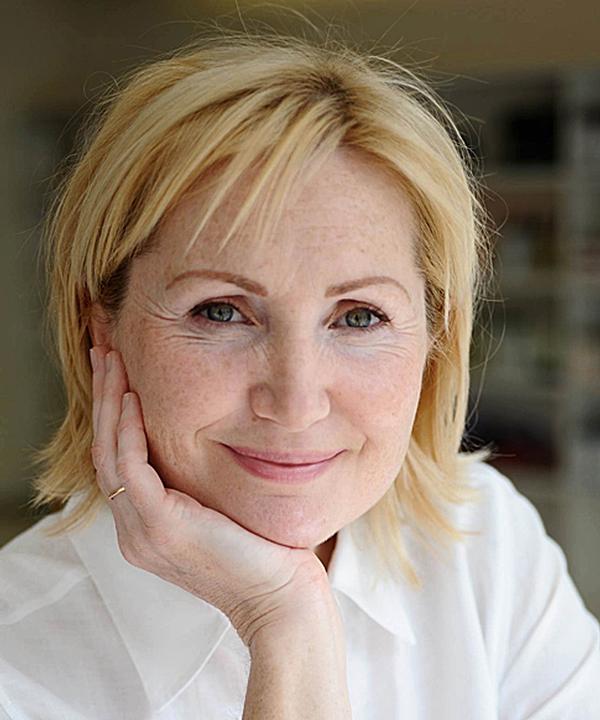
Beata AleksandrowviczFounderPure Massage
Katie Barnes sums the dilemma of offering bespoke spa treatments very well in the last issue of Spa Business (see SB15/4 p46) when she asks how can brands protect quality without having standard operating procedures in place?
Offering thoughtful, personalised rituals is exactly how it should be, but these rituals need boundaries for safety, therapeutic and cost efficiency purposes.
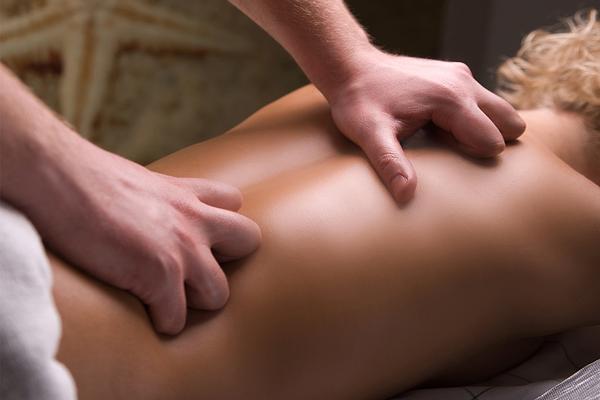
I believe it’s possible to customise the standard massage. Massage equates to 80 per cent of all treatments booked. However the problem is that often therapists are not properly trained to give the client what they want/expect. Spas need to invest more in massage training that will allow them to offer quality and consistency. Not only because customers demand it, but also because it allows you to have a team of real spa professionals, who all work within the same ethos and values of your spa.
Taking customisation a step further, I believe today’s clients want more simplicity and more advice – not necessarily medical advice, just help with fitness, nutrition, relaxation and stress management. This means that it’s now also important for a professional therapist to believe in a healthy lifestyle; give advice about it; get excited about the changes they can contribute to; and for them to want to make a difference in the world.
This means a totally new revolutionary approach to training that includes not only techniques and communication, but also life coaching elements because you need awareness to deliver a personalised massage or indeed any customised service. The good news is that this kind of massage training can be delivered in modules, adapted to time schedules and form part of the educational budget. This ultimately will benefit all customised treatments.
Spas need to invest more in training so therapists can offer quality, bespoke massage
CHINESE MARKET NEEDS ACCREDITED TRAINING COURSES
Students want accredited diplomas says Mossel
Jannita MosselFounderSpaTree
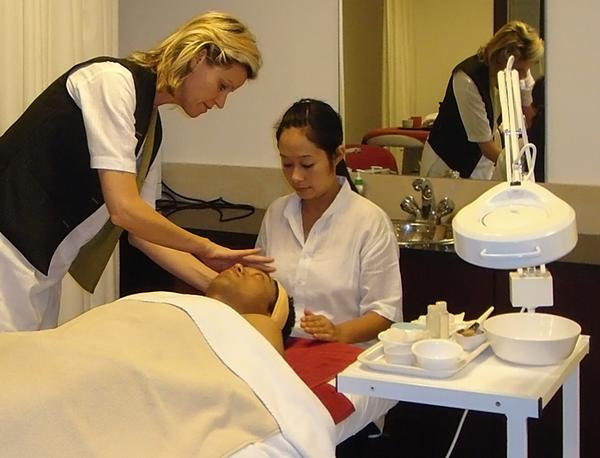
The Chinese spa sector is lacking professional trained people who are qualified to work in an international spa environment. There’s an urgent need for accredited spa studies in the country.
There are several factors exacerbating the problem including the rapid expansion of foreign spa operators and major hotel brands in China and the fact the Chinese consumers themselves ‘vote with their wallet’ and demand the newest and most unique spa therapies. Also, there’s a strong growth in the field of traditional Chinese therapies, which have been gaining wide acceptance around the world.
Our spa education consultancy conducted a survey among 64 students about career planning and opportunities in the spa industry. Currently, 90 per cent of spa training in China is conducted by in-house or product-house training.
When asking students about the selection they make in further studies, all 64 students (100 per cent) said they are looking for accredited diploma studies, since they feel an accredited diploma will guarantee a strong career in the near future – while a certificate will not.
It’s clear that the Chinese spa industry is facing major challenges in recruiting enough spa talent, and finds itself in a situation where the market has to compete with international best practices.
More training companies, organisations and schools need to fill the gap by setting an accredited spa academies across the country.
In a world where imbalance often accumulates quietly, Wildsmith unveils its newest
wellbeing innovation: Silent Loads, an approach designed to meet the needs of modern spa
guests with precision and depth. [more...]
Do you have a strong opinion, or disagree with somebody else’s point of view on topics related to the spa industry? If so, Spa Business would love to hear from you. Email your letters, thoughts and suggestions to [email protected]
Interview: Kenneth Ryan
Marriott’s global head of spa talks exclusively to Katie Barnes about the new ‘game-changing’ Ritz-Carlton Spa brand and market domination
Promotional feature: Steve Kass Consulting
Steve Kass, founder and former CEO of American Leisure, has launched a new business, Steve Kass Consulting. The global leader explains his goals as an innovative concept and design creator
Research: Work it out
Ophelia Yeung gives a sneak preview of a new study on workplace wellness that debuts later this month
Fitness: Competitive edge
Could a touch of rivalry help spas to engage more people in fitness? Niamh Madigan finds out
Promotional feature: Ojmar
A growing number of spa operators across the UK are working with Ojmar to upgrade their traditional keyed locking systems to electronic solutions
l Hanrahan has raised capture rates in a number of ways
Tara HanrahanGroup Director of Spa Operations,Centara Hotels & Resorts
In the majority of cases, I’ve found that the reason why a resort or hotel spa doesn’t achieve top-line is simply due to a lack of customers. Many managers are effective in internal operations, which ensures guest satisfaction once they’re at the spa – but what strategies are in place to persuade guests to come to the spa to begin with?
I recommend breaking the hotel journey down into three sections and then ensuring that the spa has a presence at each stage.
Pre-arrival: What contact does your spa have with the guest prior to hotel arrival? Are guests able to pre-book treatments, and if so, how do you communicate this to them? Can you reach out via reservations with a spa tagline or special offer? The sooner you can let your guests know about the spa the better.
Hotel arrival: What’s happening at check-in? An arrival offer, valid for only 24 hours, could help. What script is the front office staff using to describe the spa? Consider giving them a commission to book guests on the arrival spa offer. One of my spas had a 40 per cent capture rate purely because the front office team was given a great incentive.
Throughout the stay: Breakfast is a key time to proactively engage and up-sell spa, as it’s the one time that the majority of hotel guests are in one place. Set up a booking table near the entrance to restaurant and have lots of treatment samples, signage, and therapists showcasing treatments. Ensure you have the appointment calendar ready – expect that guests will book. I’ve seen spas turn around just with this one tactic.
Ultimately, increasing the number of customers is all about taking the spa to the customers. Don’t wait for them to come to you – make it as easy as possible to book. I have a rule in my spas that if a therapist has down-time, 50 per cent of that time must be spent external to the spa – out in the resort and engaging with guests. This is the ultimate goal – be pro-active, go out there and get them!
If a therapist has down-time, send them into the hotel to engage with guests
THE CHALLENGES OF CUSTOMISED TREATMENTS
l Therapists need lifestyle training too says Aleksandrowvicz
Beata AleksandrowviczFounderPure Massage
Katie Barnes sums the dilemma of offering bespoke spa treatments very well in the last issue of Spa Business (see SB15/4 p46) when she asks how can brands protect quality without having standard operating procedures in place?
Offering thoughtful, personalised rituals is exactly how it should be, but these rituals need boundaries for safety, therapeutic and cost efficiency purposes.
I believe it’s possible to customise the standard massage. Massage equates to 80 per cent of all treatments booked. However the problem is that often therapists are not properly trained to give the client what they want/expect. Spas need to invest more in massage training that will allow them to offer quality and consistency. Not only because customers demand it, but also because it allows you to have a team of real spa professionals, who all work within the same ethos and values of your spa.
Taking customisation a step further, I believe today’s clients want more simplicity and more advice – not necessarily medical advice, just help with fitness, nutrition, relaxation and stress management. This means that it’s now also important for a professional therapist to believe in a healthy lifestyle; give advice about it; get excited about the changes they can contribute to; and for them to want to make a difference in the world.
This means a totally new revolutionary approach to training that includes not only techniques and communication, but also life coaching elements because you need awareness to deliver a personalised massage or indeed any customised service. The good news is that this kind of massage training can be delivered in modules, adapted to time schedules and form part of the educational budget. This ultimately will benefit all customised treatments.
Spas need to invest more in training so therapists can offer quality, bespoke massage
CHINESE MARKET NEEDS ACCREDITED TRAINING COURSES
Students want accredited diplomas says Mossel
Jannita MosselFounderSpaTree
The Chinese spa sector is lacking professional trained people who are qualified to work in an international spa environment. There’s an urgent need for accredited spa studies in the country.
There are several factors exacerbating the problem including the rapid expansion of foreign spa operators and major hotel brands in China and the fact the Chinese consumers themselves ‘vote with their wallet’ and demand the newest and most unique spa therapies. Also, there’s a strong growth in the field of traditional Chinese therapies, which have been gaining wide acceptance around the world.
Our spa education consultancy conducted a survey among 64 students about career planning and opportunities in the spa industry. Currently, 90 per cent of spa training in China is conducted by in-house or product-house training.
When asking students about the selection they make in further studies, all 64 students (100 per cent) said they are looking for accredited diploma studies, since they feel an accredited diploma will guarantee a strong career in the near future – while a certificate will not.
It’s clear that the Chinese spa industry is facing major challenges in recruiting enough spa talent, and finds itself in a situation where the market has to compete with international best practices.
More training companies, organisations and schools need to fill the gap by setting an accredited spa academies across the country.
A recent survey by the UK Spa Association (UKSA) into the industry’s approach to cancer care
has revealed that almost half of participating respondents (46 per cent) are unaware that
cancer is a disability and guests with a cancer diagnosis must be given
Mexican operator, Solmar Hotels and Resorts, is hosting a series of events in celebration of
Global Wellness Day, including a Temazcal ceremony at its Playa Grande Resort and Spa in Los
Cabos.
Mandarin Oriental has announced a standalone residence brand, Mansions, which will debut at
Emirates Palace, Mandarin Oriental Mansions, Abu Dhabi, in 2029.
Four Seasons Resort The Nam Hai in Hoi An, Vietnam, has put together a Global Wellness Day
(GWD) agenda with activations rooted in nature and shaped by four pillars of Joy – in
alignment with the day’s theme #JoyMagenta.
The Global Wellness Summit (GWS) will celebrate its 20th anniversary at the 2026 event in
Phuket, Thailand, later this year with the theme: The Science, Art and Soul of Wellness.
Auko, an all-inclusive development, is opening in Phong Nha in Vietnam in Q3 2026, with a
series of 30 tented eco-lodges and wellness hospitality operations by Lumina Wellbeing.
Therme Manchester’s 28-acre development, which will include interconnected glass pavilions
that measure 65,000sq m, will be the largest bathing and wellbeing attraction in the world once
complete, according to prof David Russell, CEO of Therme UK.
Naples Beach Club, a Four Seasons Resort, has opened a 2,800sq m spa called The Sanctuary,
with the design and concept inspired by the Native American people that populated Florida’s
Southwest coast – the Calusa.
Swire Hotels’ luxury hospitality brand Upper House has revealed it will roll out its two-day
House of Healing retreats at its three hotels in Hong Kong, Chengdu and Shanghai.
In a world where imbalance often accumulates quietly, Wildsmith unveils its newest
wellbeing innovation: Silent Loads, an approach designed to meet the needs of modern spa
guests with precision and depth. [more...]