Latest
issue
Uniting the world of spa & wellness
Get Spa Business and Spa Business insider digital magazines FREE
Sign up here ▸
News   Features   Products   Company profilesProfiles   Press releasesProfiles   Magazine   Handbook   Advertise    Subscribe  
NEWS
Global pandemic – research shows how the fitness sector is responding
POSTED 17 Apr 2020 . BY Tom Walker
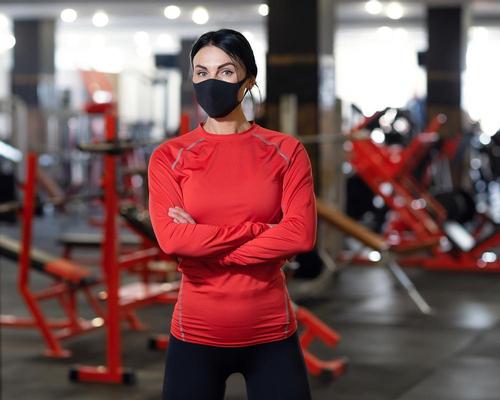
Digital fitness content is emerging as a critical value driver for health club operators during the shutdown Credit: Shutterstock
Providing digital fitness content is emerging as a critical value driver for health club operators during the coronavirus (COVID-19) shutdown, according to a wide-ranging study on the effects of the pandemic on the global fitness industry.

The study, by brand and consumer insight firm ClubIntel, looked at how operators were reacting to challenges posed by the pandemic in three key areas of fitness operations – employees, members and the community.

Based on an online survey, the report – titled The Fitness Industry’s Response to COVID-19: Insights into the Collective Improvisation, Innovation and Resilience of Global Fitness Operators – collated the responses from a total of 195 operators across the globe.

Approximately 46 per cent of the responding clubs and studios had been forced to close their doors due to COVID-19.

One of the headline findings was that less than half of operators affected by closures were offering membership freezes and in-club credits.

While the survey captured responses from every major geographic region, the US and Australia/New Zealand represented 72 per cent of all respondents. Canada and Europe also had strong representation.

"The reason the geographic distribution is skewed toward the US, Australia/New Zealand and Canada is likely due to the survey only being in English," the report's authors say.

Commercial fitness facilities were responsible for 49 per cent of all responses, followed by boutique fitness studios at 20 per cent and non-profit facilities at 14 per cent.

Here, HCM presents some of the key findings from the report:

How are operators supporting members during club closures?

Around 75 per cent of closed facilities are offering members streaming and/or on-demand group fitness content through a virtual platform and/or offering tips on staying healthy through digital platforms. Approximately 60 per cent are extending virtual fitness coaching content to members.

"The leading engagement strategy being implemented by facility operators while closed (74 per cent of all closed operators) is offering on-demand and/or streaming group fitness content," the report states.

"A second key engagement strategy has been to introduce instructional/coaching content.

"The leading platform for providing virtual content to members is a brand-based mobile app (51 per cent). In this instance, the vast majority are providing this virtual content for a nominal fee.

"Operators stated that the reason these services tend to be delivered for a small fee is to retain some revenue generation during closure. The two virtual platforms operators have leveraged the most are Les Mills at 31 per cent (group fitness-driven platform) and Virtuagym at 39 per cent (coaching and instructional oriented)."

When it comes to providing members with home-equipment bundles, only 20 per cent of operators have considered this, and fewer than 5 per cent have reached out to vendors to arrange special discounts on home equipment for their members.

Some operators commented that they are renting facility equipment to members for home use.

When it comes to ensuring continued contact with members, 78 per cent of closed clubs regularly post tips on staying healthy and active on a club blog, social media pages and/or websites. A further 9 per cent plan to do so over the next three months. Only 6 per cent of the clubs that have closed their doors have no plans to undertake such contact with members.

Membership collections and payment freezes – what are operators doing?

One of the key issues – and a potentially contentious one – is the way clubs deal with their membership payments while their facilities remain shut.

According to the ClubIntel data, less than half (44 per cent) of operators reported offering members a membership or subscription freeze during the time their facility is closed.

Among those facilities offering a membership freeze, 57 per cent report freezing the entire value of the membership (100 per cent), while 22 per cent are freezing dues somewhere between 50 per cent and 100 per cent.

Close to 40 per cent of facilities aren’t offering any freezes on memberships and subscriptions.

In its commentary, ClubIntel says operators who aren't offering any freezes on memberships could be jeopardising the goodwill of their customers.

"When facilities reopen, this (no-freezes) approach to handling dues during closure may generate less than favourable sentiment from existing members, giving cause for not returning to a facility once it reopens," the report's authors say.

What steps are facilities taking to support employees during closures?

The leading strategy adopted by operators to support employees economically seems to be the guarantee of employment once their facility re-opens.

Just a third (37 per cent) are offering staff paid sick leave, while 33 per cent are providing partial compensation to full-time and/or part-time employees during closure.

In respect to other economic benefits for employees, a minority of operators are extending benefits such as extended healthcare coverage, financial incentives to cover basic employee needs or severance compensation for those terminated.

"Considering most fitness operators are small business owners the data gels with the economic reality of nearly all small business owners," the report states.

"Those operators who are offering extended healthcare coverage, financial incentives and/or partial compensation are most likely to be the operators to experience the greatest success upon reopening."

What steps are operators taking to address the needs of the community?

The report shows that the main focus for most operators is to stem the loss of revenues by expanding the base of online subscribers – at the expense of their communities.

"It is evident from the responses that most fitness operators are not focused on serving the community during this crisis, other than reaching out to their communities to offer access to virtual fitness content," the report states.

"Very few operators indicate they are reaching out to support the community by donating time/money to charitable organizations addressing the public need for assistance during then pandemic (14 per cent), and even fewer are offering their facilities to healthcare providers to use for testing or triage (8 per cent). Few if any operators indicate they are considering community-centric actions beyond 90 days."

• To download and read the full report, click here.

RELATED STORIES
  US Army suspends combat fitness tests as soldiers struggle to train amid gym closures


The US Army has put its new Army Combat Fitness Test (ACFT) programme on hold, due to widespread gyms closures caused by the COVID-19 outbreak.
  After the pandemic: what will the European fitness sector look like?


Club closures, a squeeze on consumer spending and facilitating social distancing within a gym environment are just some of the issues European fitness operators are likely to face once the COVID-19 restrictions begin to lift.
MORE NEWS
Barons Eden rebrands to Hiddenwell ahead of spa hotel portfolio expansion
Barons Eden, the UK parent company that operates luxury destination properties in England, has rebranded to become Hiddenwell.
Belgin Aksoy marks 15 years of Global Wellness Day
Global Wellness Day (GWD) marked its 15th anniversary on Saturday 13 June 2026, with the theme: #JoyMagenta – a celebration of the healing qualities of simple gestures and activities that spark joy.
HUM2N launches longevity clinic at Six Senses London
Global luxury hospitality brand, Six Senses, has partnered with longevity healthcare provider, HUM2N, to launch a clinic at Six Senses London, at The Whiteley.
Mayrlife opens first hotel day clinic in partnership with Rosewood Vienna
As part of its first hotel partnership, Mayrlife – the medical health resort company known for its site in Altaussee, Austria – has launched a day clinic at the Rosewood Vienna.
+ More news   

FEATURED SUPPLIERS

Meet Desert Therapy: Aromatherapy Associates' first new blend in seven years
There is a particular quality of stillness found only in the desert. [more...]

Le Atelier by C.O.D.E. - bespoke means moving beyond the catalogue to delivering contextual design responses
Le Atelier by C.O.D.E. doesn't offer a standard bespoke service, it provides a highly customised approach to designing massage beds and loungers in high-end wellness environments. [more...]
+ More featured suppliers  
COMPANY PROFILES
Yon-Ka

As pioneers in aromatherapy since 1954 and founders of the Yon-Ka brand, the Multaler Laboratories, [more...]
Hydrafacial

Founded in 1997, Hydrafacial has grown to become one of the world’s leading skin health brands. [more...]
+ More profiles  
CATALOGUE GALLERY
 

+ More catalogues  

DIRECTORY
+ More directory  
DIARY


21-23 Jun 2026

Spa Life International (UK)

Midlands (Venue TBA), Liphook, United Kingdom
22-22 Jun 2026

World Bathing Day

Worldwide,
+ More diary  
 
ABOUT LEISURE MEDIA
LEISURE MEDIA MAGAZINES
LEISURE MEDIA HANDBOOKS
LEISURE MEDIA WEBSITES
LEISURE MEDIA PRODUCT SEARCH
 
SPA BUSINESS
SPA OPPORTUNITIES
SPA BUSINESS HANDBOOK
PRINT SUBSCRIPTIONS
FREE DIGITAL SUBSCRIPTIONS
ADVERTISE . CONTACT US

Leisure Media
Tel: +44 (0)1462 431385

©Cybertrek 2026
Uniting the world of spa & wellness
Get Spa Business and Spa Business insider digital magazines FREE
Sign up here ▸
News   Products   Magazine   Subscribe
NEWS
Global pandemic – research shows how the fitness sector is responding
POSTED 17 Apr 2020 . BY Tom Walker
Digital fitness content is emerging as a critical value driver for health club operators during the shutdown Credit: Shutterstock
Providing digital fitness content is emerging as a critical value driver for health club operators during the coronavirus (COVID-19) shutdown, according to a wide-ranging study on the effects of the pandemic on the global fitness industry.

The study, by brand and consumer insight firm ClubIntel, looked at how operators were reacting to challenges posed by the pandemic in three key areas of fitness operations – employees, members and the community.

Based on an online survey, the report – titled The Fitness Industry’s Response to COVID-19: Insights into the Collective Improvisation, Innovation and Resilience of Global Fitness Operators – collated the responses from a total of 195 operators across the globe.

Approximately 46 per cent of the responding clubs and studios had been forced to close their doors due to COVID-19.

One of the headline findings was that less than half of operators affected by closures were offering membership freezes and in-club credits.

While the survey captured responses from every major geographic region, the US and Australia/New Zealand represented 72 per cent of all respondents. Canada and Europe also had strong representation.

"The reason the geographic distribution is skewed toward the US, Australia/New Zealand and Canada is likely due to the survey only being in English," the report's authors say.

Commercial fitness facilities were responsible for 49 per cent of all responses, followed by boutique fitness studios at 20 per cent and non-profit facilities at 14 per cent.

Here, HCM presents some of the key findings from the report:

How are operators supporting members during club closures?

Around 75 per cent of closed facilities are offering members streaming and/or on-demand group fitness content through a virtual platform and/or offering tips on staying healthy through digital platforms. Approximately 60 per cent are extending virtual fitness coaching content to members.

"The leading engagement strategy being implemented by facility operators while closed (74 per cent of all closed operators) is offering on-demand and/or streaming group fitness content," the report states.

"A second key engagement strategy has been to introduce instructional/coaching content.

"The leading platform for providing virtual content to members is a brand-based mobile app (51 per cent). In this instance, the vast majority are providing this virtual content for a nominal fee.

"Operators stated that the reason these services tend to be delivered for a small fee is to retain some revenue generation during closure. The two virtual platforms operators have leveraged the most are Les Mills at 31 per cent (group fitness-driven platform) and Virtuagym at 39 per cent (coaching and instructional oriented)."

When it comes to providing members with home-equipment bundles, only 20 per cent of operators have considered this, and fewer than 5 per cent have reached out to vendors to arrange special discounts on home equipment for their members.

Some operators commented that they are renting facility equipment to members for home use.

When it comes to ensuring continued contact with members, 78 per cent of closed clubs regularly post tips on staying healthy and active on a club blog, social media pages and/or websites. A further 9 per cent plan to do so over the next three months. Only 6 per cent of the clubs that have closed their doors have no plans to undertake such contact with members.

Membership collections and payment freezes – what are operators doing?

One of the key issues – and a potentially contentious one – is the way clubs deal with their membership payments while their facilities remain shut.

According to the ClubIntel data, less than half (44 per cent) of operators reported offering members a membership or subscription freeze during the time their facility is closed.

Among those facilities offering a membership freeze, 57 per cent report freezing the entire value of the membership (100 per cent), while 22 per cent are freezing dues somewhere between 50 per cent and 100 per cent.

Close to 40 per cent of facilities aren’t offering any freezes on memberships and subscriptions.

In its commentary, ClubIntel says operators who aren't offering any freezes on memberships could be jeopardising the goodwill of their customers.

"When facilities reopen, this (no-freezes) approach to handling dues during closure may generate less than favourable sentiment from existing members, giving cause for not returning to a facility once it reopens," the report's authors say.

What steps are facilities taking to support employees during closures?

The leading strategy adopted by operators to support employees economically seems to be the guarantee of employment once their facility re-opens.

Just a third (37 per cent) are offering staff paid sick leave, while 33 per cent are providing partial compensation to full-time and/or part-time employees during closure.

In respect to other economic benefits for employees, a minority of operators are extending benefits such as extended healthcare coverage, financial incentives to cover basic employee needs or severance compensation for those terminated.

"Considering most fitness operators are small business owners the data gels with the economic reality of nearly all small business owners," the report states.

"Those operators who are offering extended healthcare coverage, financial incentives and/or partial compensation are most likely to be the operators to experience the greatest success upon reopening."

What steps are operators taking to address the needs of the community?

The report shows that the main focus for most operators is to stem the loss of revenues by expanding the base of online subscribers – at the expense of their communities.

"It is evident from the responses that most fitness operators are not focused on serving the community during this crisis, other than reaching out to their communities to offer access to virtual fitness content," the report states.

"Very few operators indicate they are reaching out to support the community by donating time/money to charitable organizations addressing the public need for assistance during then pandemic (14 per cent), and even fewer are offering their facilities to healthcare providers to use for testing or triage (8 per cent). Few if any operators indicate they are considering community-centric actions beyond 90 days."

• To download and read the full report, click here.

RELATED STORIES
US Army suspends combat fitness tests as soldiers struggle to train amid gym closures


The US Army has put its new Army Combat Fitness Test (ACFT) programme on hold, due to widespread gyms closures caused by the COVID-19 outbreak.

After the pandemic: what will the European fitness sector look like?


Club closures, a squeeze on consumer spending and facilitating social distancing within a gym environment are just some of the issues European fitness operators are likely to face once the COVID-19 restrictions begin to lift.
MORE NEWS
Barons Eden rebrands to Hiddenwell ahead of spa hotel portfolio expansion
Barons Eden, the UK parent company that operates luxury destination properties in England, has rebranded to become Hiddenwell.
Belgin Aksoy marks 15 years of Global Wellness Day
Global Wellness Day (GWD) marked its 15th anniversary on Saturday 13 June 2026, with the theme: #JoyMagenta – a celebration of the healing qualities of simple gestures and activities that spark joy.
HUM2N launches longevity clinic at Six Senses London
Global luxury hospitality brand, Six Senses, has partnered with longevity healthcare provider, HUM2N, to launch a clinic at Six Senses London, at The Whiteley.
Mayrlife opens first hotel day clinic in partnership with Rosewood Vienna
As part of its first hotel partnership, Mayrlife – the medical health resort company known for its site in Altaussee, Austria – has launched a day clinic at the Rosewood Vienna.
KX Chelsea invests £15 million to upgrade its wellness offering
Premium London health club, KX Chelsea, will imminently unveil its most significant redevelopment since its launch in 2002 to create an integrated wellness model combining training, recovery and relaxation.
Rosewood Le Guanahani St Barth offers ocean-themed yoga for Global Wellness Day
Rosewood Le Guanahani St Barth, on the northeast coast of Saint Barthélemy in the French West Indies, is offering a programme of ocean-inspired yoga classes between 8-14 June to celebrate Global Wellness Day (GWD).
+ More news   
 
FEATURED SUPPLIERS

Meet Desert Therapy: Aromatherapy Associates' first new blend in seven years
There is a particular quality of stillness found only in the desert. [more...]

Le Atelier by C.O.D.E. - bespoke means moving beyond the catalogue to delivering contextual design responses
Le Atelier by C.O.D.E. doesn't offer a standard bespoke service, it provides a highly customised approach to designing massage beds and loungers in high-end wellness environments. [more...]
+ More featured suppliers  
COMPANY PROFILES
Yon-Ka

As pioneers in aromatherapy since 1954 and founders of the Yon-Ka brand, the Multaler Laboratories, [more...]
+ More profiles  
CATALOGUE GALLERY
+ More catalogues  

DIRECTORY
+ More directory  
DIARY


21-23 Jun 2026

Spa Life International (UK)

Midlands (Venue TBA), Liphook, United Kingdom
22-22 Jun 2026

World Bathing Day

Worldwide,
+ More diary  


ADVERTISE . CONTACT US

Leisure Media
Tel: +44 (0)1462 431385

©Cybertrek 2026

ABOUT LEISURE MEDIA
LEISURE MEDIA MAGAZINES
LEISURE MEDIA HANDBOOKS
LEISURE MEDIA WEBSITES
LEISURE MEDIA PRODUCT SEARCH
PRINT SUBSCRIPTIONS
FREE DIGITAL SUBSCRIPTIONS