Latest
issue
Uniting the world of spa & wellness
Get Spa Business and Spa Business insider digital magazines FREE
Sign up here ▸
News   Features   Products   Company profilesProfiles   Press releasesProfiles   Magazine   Handbook   Advertise    Subscribe  
NEWS
Preventable lifestyle diseases are driving COVID-19 and we need a radical change of direction to deal with it, says The Lancet
POSTED 20 Oct 2020 . BY Tom Walker
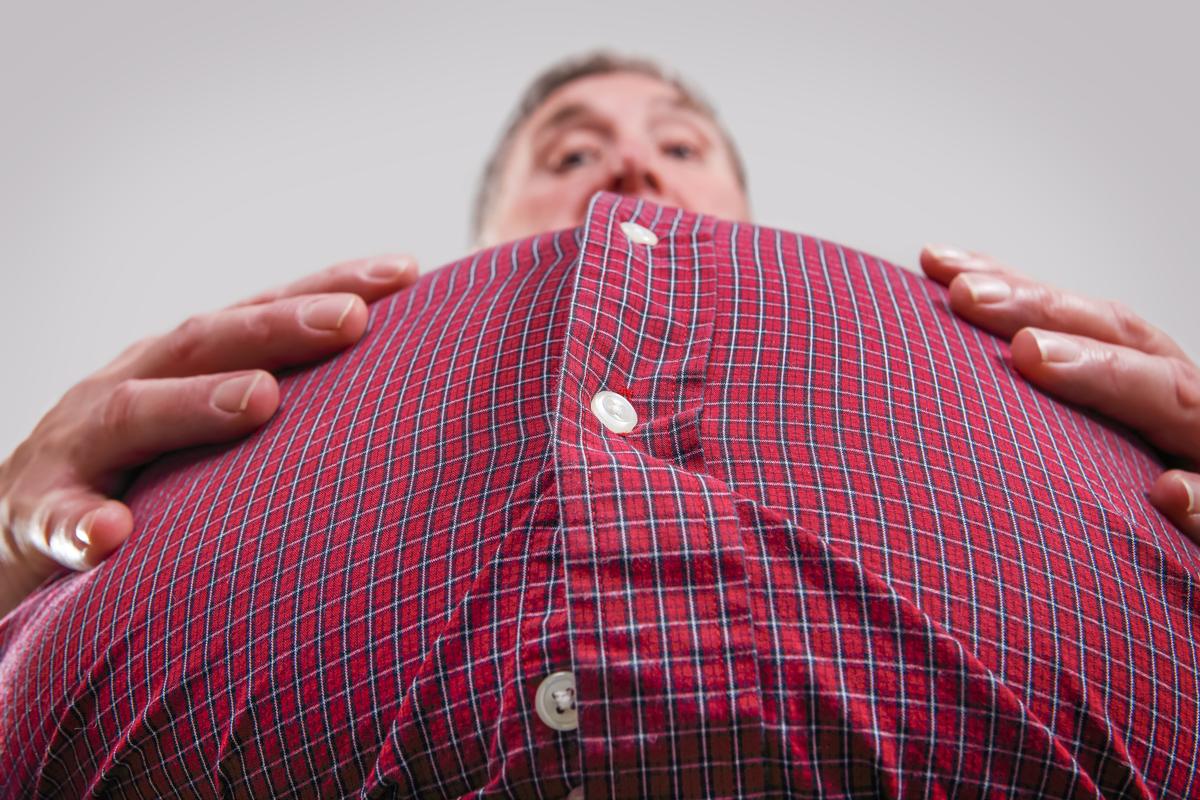
Preventable diseases such as obesity, high blood pressure and type 2 diabetes have made the world 'more vulnerable' to the virus Credit: SHUTTERSTOCK/SUZANNE TUCKER
Persistent and rising levels of lifestyle disease across the world have exacerbated the effects of the COVID-19 pandemic, according to Richard Horton, editor-in-chief of The Lancet.

Published in the latest issue of the journal, data from the Global Burden of Disease report shows that preventable diseases such as obesity, high blood pressure and type 2 diabetes have made the world more vulnerable to the virus.

According to the World Health Organization (WHO), The global prevalence of obesity nearly trebled between 1975 and 2016.

Estimates show 13 per cent of the world’s adult population (11 per cent of men and 15 per cent of women) are now obese.

Meanwhile, the official NHS guidance lists those with diabetes and obese as "clinically vulnerable" to
Coronavirus – alongside those aged 70 or older, people with asthma and those suffering from heart failure.

Writing in The Lancet, editor-in-chief Horton said the three-decade rise in preventable diseases had led to a situation where governments and public health organisations should reassess the way they are attempting to tackle the pandemic.

"As the world has passed one million deaths from COVID-19, we must confront the fact that we are taking a far too narrow approach when it comes to managing this outbreak of a new coronavirus," Horton writes.

"We've viewed the cause of this crisis as an infectious disease. All of our interventions have focused on cutting lines of viral transmission, thereby controlling the spread of the pathogen.

"The “science” that has guided governments has been driven mostly by epidemic modellers and infectious disease specialists, who understandably frame the present health emergency in centuries-old terms of plague.

"But what we have learned so far tells us that the story of COVID-19 is not so simple.

"Two categories of disease are interacting within specific populations – infection with severe acute respiratory syndrome coronavirus 2 (SARS-CoV-2) and an array of non-communicable diseases (NCDs). These conditions are clustering within social groups according to patterns of inequality deeply embedded in our societies.

"The aggregation of these diseases on a background of social and economic disparity exacerbates the adverse effects of each separate disease."

Horton calls for the pandemic to be 're-labelled' – and for there to be a fresh approach to tackling the outbreak.

"COVID-19 is not a pandemic, it's a syndemic," he writes.

"The syndemic nature of the threat we face means that a more nuanced approach is needed if we are to protect the health of our communities.

"Limiting the harm caused by SARS-CoV-2 will demand far greater attention to NCDs and socioeconomic inequality than has hitherto been admitted.

"The total number of people living with chronic diseases is growing.

"Addressing COVID-19 means addressing hypertension, obesity, diabetes, cardiovascular and chronic respiratory diseases, and cancer."

RELATED STORIES
  EuropeActive publishes Horizon 2025 – sectoral manifesto for European fitness


Industry body EuropeActive has published a sectoral manifesto which outlines the aims and objectives of the "entire ecosystem of the European fitness and physical activity sector" for the next five years.
  Genetic insights from 50,000 people being used to help understand lifestyle diseases


A ground-breaking project is using Genomic data from 50,000 people to deepen the understanding of how genetics and life-style factors contribute to the development of conditions such as diabetes and arthritis.
  FEATURE: Talking Point: Transforming the UK's leisure centres


Five experts discuss whether turning leisure centres into wellness hubs could reduce strain on the NHS
MORE NEWS
Almost half of spa survey respondents are unaware cancer is a disability and not adapting treatments is discrimination
A recent survey by the UK Spa Association (UKSA) into the industry’s approach to cancer care has revealed that almost half of participating respondents (46 per cent) are unaware that cancer is a disability and guests with a cancer diagnosis must be given
Solmar Hotels and Resorts offers Temazcal ceremony for Global Wellness Day
Mexican operator, Solmar Hotels and Resorts, is hosting a series of events in celebration of Global Wellness Day, including a Temazcal ceremony at its Playa Grande Resort and Spa in Los Cabos.
Mandarin Oriental announces standalone Mansions-branded residences for Abu Dhabi
Mandarin Oriental has announced a standalone residence brand, Mansions, which will debut at Emirates Palace, Mandarin Oriental Mansions, Abu Dhabi, in 2029.
Healing sanctuary Tulah Clinical Wellness opens in Kerala
Tulah Clinical Wellness, a holistic wellness destination, has officially opened in the hills of northern Kerala, India.
+ More news   

FEATURED SUPPLIERS

Le Atelier by C.O.D.E. - bespoke means moving beyond the catalogue to delivering contextual design responses
Le Atelier by C.O.D.E. doesn't offer a standard bespoke service, it provides a highly customised approach to designing massage beds and loungers in high-end wellness environments. [more...]

Why future-ready in-house laundry is the new luxury spa essential
In today’s premium spa environment, every detail shapes the guest experience – right down to the softness of towels and the freshness of linens. [more...]
+ More featured suppliers  
COMPANY PROFILES
Comfort Zone

Comfort Zone’s comprehensive face and body professional and retail range allows clients to experien [more...]
Aromatherapy Associates

Aromatherapy Associates is a world-leading British wellness brand, harnessing the power of essential [more...]
+ More profiles  
CATALOGUE GALLERY
 

+ More catalogues  

DIRECTORY
+ More directory  
DIARY


09-11 Jun 2026

World Sauna Forum 2026

Savutuvan Apaja, Haapaniemi, Finland
09-12 Jun 2026

W3Spa EMEA

Hotel Cascais Miragem Health & Spa, Portugal
+ More diary  
 
ABOUT LEISURE MEDIA
LEISURE MEDIA MAGAZINES
LEISURE MEDIA HANDBOOKS
LEISURE MEDIA WEBSITES
LEISURE MEDIA PRODUCT SEARCH
 
SPA BUSINESS
SPA OPPORTUNITIES
SPA BUSINESS HANDBOOK
PRINT SUBSCRIPTIONS
FREE DIGITAL SUBSCRIPTIONS
ADVERTISE . CONTACT US

Leisure Media
Tel: +44 (0)1462 431385

©Cybertrek 2026
Uniting the world of spa & wellness
Get Spa Business and Spa Business insider digital magazines FREE
Sign up here ▸
News   Products   Magazine   Subscribe
NEWS
Preventable lifestyle diseases are driving COVID-19 and we need a radical change of direction to deal with it, says The Lancet
POSTED 20 Oct 2020 . BY Tom Walker
Preventable diseases such as obesity, high blood pressure and type 2 diabetes have made the world 'more vulnerable' to the virus Credit: SHUTTERSTOCK/SUZANNE TUCKER
Persistent and rising levels of lifestyle disease across the world have exacerbated the effects of the COVID-19 pandemic, according to Richard Horton, editor-in-chief of The Lancet.

Published in the latest issue of the journal, data from the Global Burden of Disease report shows that preventable diseases such as obesity, high blood pressure and type 2 diabetes have made the world more vulnerable to the virus.

According to the World Health Organization (WHO), The global prevalence of obesity nearly trebled between 1975 and 2016.

Estimates show 13 per cent of the world’s adult population (11 per cent of men and 15 per cent of women) are now obese.

Meanwhile, the official NHS guidance lists those with diabetes and obese as "clinically vulnerable" to
Coronavirus – alongside those aged 70 or older, people with asthma and those suffering from heart failure.

Writing in The Lancet, editor-in-chief Horton said the three-decade rise in preventable diseases had led to a situation where governments and public health organisations should reassess the way they are attempting to tackle the pandemic.

"As the world has passed one million deaths from COVID-19, we must confront the fact that we are taking a far too narrow approach when it comes to managing this outbreak of a new coronavirus," Horton writes.

"We've viewed the cause of this crisis as an infectious disease. All of our interventions have focused on cutting lines of viral transmission, thereby controlling the spread of the pathogen.

"The “science” that has guided governments has been driven mostly by epidemic modellers and infectious disease specialists, who understandably frame the present health emergency in centuries-old terms of plague.

"But what we have learned so far tells us that the story of COVID-19 is not so simple.

"Two categories of disease are interacting within specific populations – infection with severe acute respiratory syndrome coronavirus 2 (SARS-CoV-2) and an array of non-communicable diseases (NCDs). These conditions are clustering within social groups according to patterns of inequality deeply embedded in our societies.

"The aggregation of these diseases on a background of social and economic disparity exacerbates the adverse effects of each separate disease."

Horton calls for the pandemic to be 're-labelled' – and for there to be a fresh approach to tackling the outbreak.

"COVID-19 is not a pandemic, it's a syndemic," he writes.

"The syndemic nature of the threat we face means that a more nuanced approach is needed if we are to protect the health of our communities.

"Limiting the harm caused by SARS-CoV-2 will demand far greater attention to NCDs and socioeconomic inequality than has hitherto been admitted.

"The total number of people living with chronic diseases is growing.

"Addressing COVID-19 means addressing hypertension, obesity, diabetes, cardiovascular and chronic respiratory diseases, and cancer."

RELATED STORIES
EuropeActive publishes Horizon 2025 – sectoral manifesto for European fitness


Industry body EuropeActive has published a sectoral manifesto which outlines the aims and objectives of the "entire ecosystem of the European fitness and physical activity sector" for the next five years.

Genetic insights from 50,000 people being used to help understand lifestyle diseases


A ground-breaking project is using Genomic data from 50,000 people to deepen the understanding of how genetics and life-style factors contribute to the development of conditions such as diabetes and arthritis.
FEATURE: Talking Point: Transforming the UK's leisure centres


Five experts discuss whether turning leisure centres into wellness hubs could reduce strain on the NHS
MORE NEWS
Almost half of spa survey respondents are unaware cancer is a disability and not adapting treatments is discrimination
A recent survey by the UK Spa Association (UKSA) into the industry’s approach to cancer care has revealed that almost half of participating respondents (46 per cent) are unaware that cancer is a disability and guests with a cancer diagnosis must be given
Solmar Hotels and Resorts offers Temazcal ceremony for Global Wellness Day
Mexican operator, Solmar Hotels and Resorts, is hosting a series of events in celebration of Global Wellness Day, including a Temazcal ceremony at its Playa Grande Resort and Spa in Los Cabos.
Mandarin Oriental announces standalone Mansions-branded residences for Abu Dhabi
Mandarin Oriental has announced a standalone residence brand, Mansions, which will debut at Emirates Palace, Mandarin Oriental Mansions, Abu Dhabi, in 2029.
Healing sanctuary Tulah Clinical Wellness opens in Kerala
Tulah Clinical Wellness, a holistic wellness destination, has officially opened in the hills of northern Kerala, India.
Four Seasons Resort The Nam Hai creates Global Wellness Day programme rooted in nature
Four Seasons Resort The Nam Hai in Hoi An, Vietnam, has put together a Global Wellness Day (GWD) agenda with activations rooted in nature and shaped by four pillars of Joy – in alignment with the day’s theme #JoyMagenta.
Wellness care hospital opens in Vilnius with innovative spa and hospitality concept
Lithuanian care operator Addere Care has launched a new “wellness care hospital” in Vilnius.
+ More news   
 
FEATURED SUPPLIERS

Le Atelier by C.O.D.E. - bespoke means moving beyond the catalogue to delivering contextual design responses
Le Atelier by C.O.D.E. doesn't offer a standard bespoke service, it provides a highly customised approach to designing massage beds and loungers in high-end wellness environments. [more...]

Why future-ready in-house laundry is the new luxury spa essential
In today’s premium spa environment, every detail shapes the guest experience – right down to the softness of towels and the freshness of linens. [more...]
+ More featured suppliers  
COMPANY PROFILES
Comfort Zone

Comfort Zone’s comprehensive face and body professional and retail range allows clients to experien [more...]
+ More profiles  
CATALOGUE GALLERY
+ More catalogues  

DIRECTORY
+ More directory  
DIARY


09-11 Jun 2026

World Sauna Forum 2026

Savutuvan Apaja, Haapaniemi, Finland
09-12 Jun 2026

W3Spa EMEA

Hotel Cascais Miragem Health & Spa, Portugal
+ More diary  


ADVERTISE . CONTACT US

Leisure Media
Tel: +44 (0)1462 431385

©Cybertrek 2026

ABOUT LEISURE MEDIA
LEISURE MEDIA MAGAZINES
LEISURE MEDIA HANDBOOKS
LEISURE MEDIA WEBSITES
LEISURE MEDIA PRODUCT SEARCH
PRINT SUBSCRIPTIONS
FREE DIGITAL SUBSCRIPTIONS