A snapshot survey looking at the impact of the pandemic
on the spa market across Ireland shows that revenue is down,
but no facilities experienced an outbreak of COVID-19.
Anita Murray shares further insights with Megan Whitby
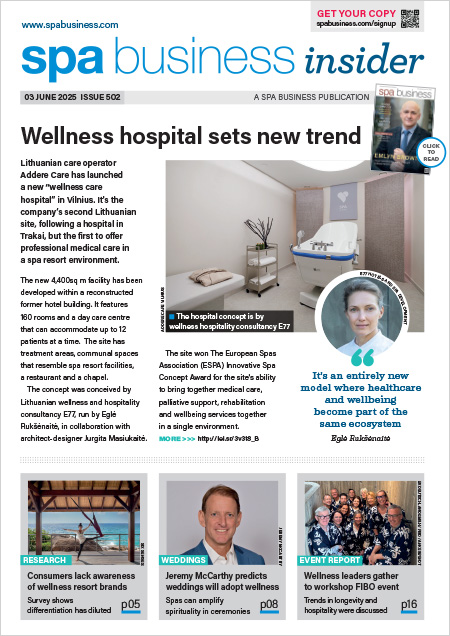
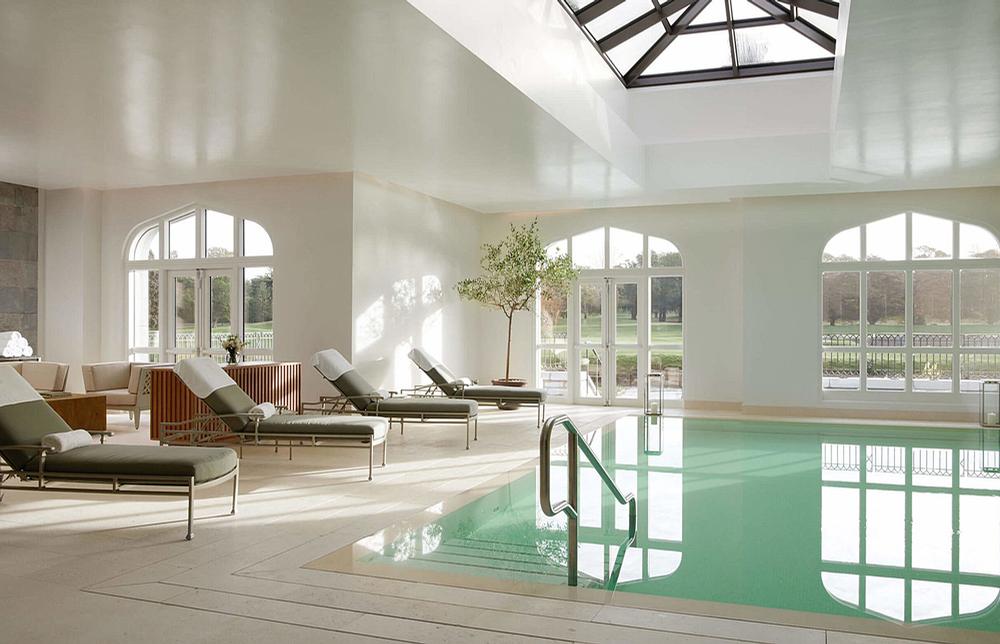
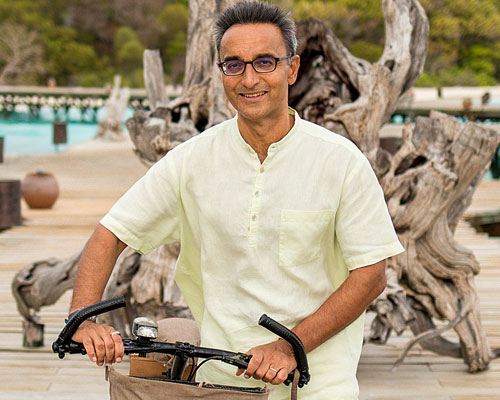
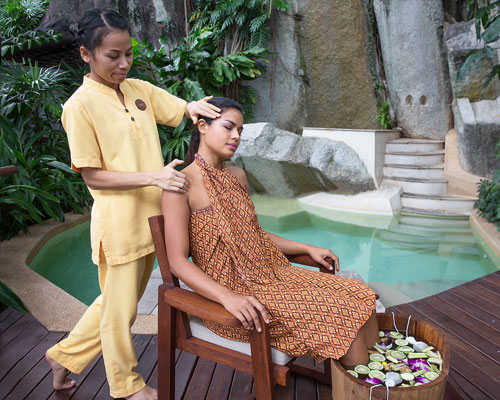
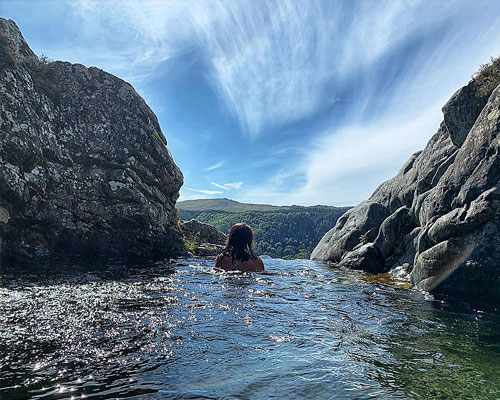
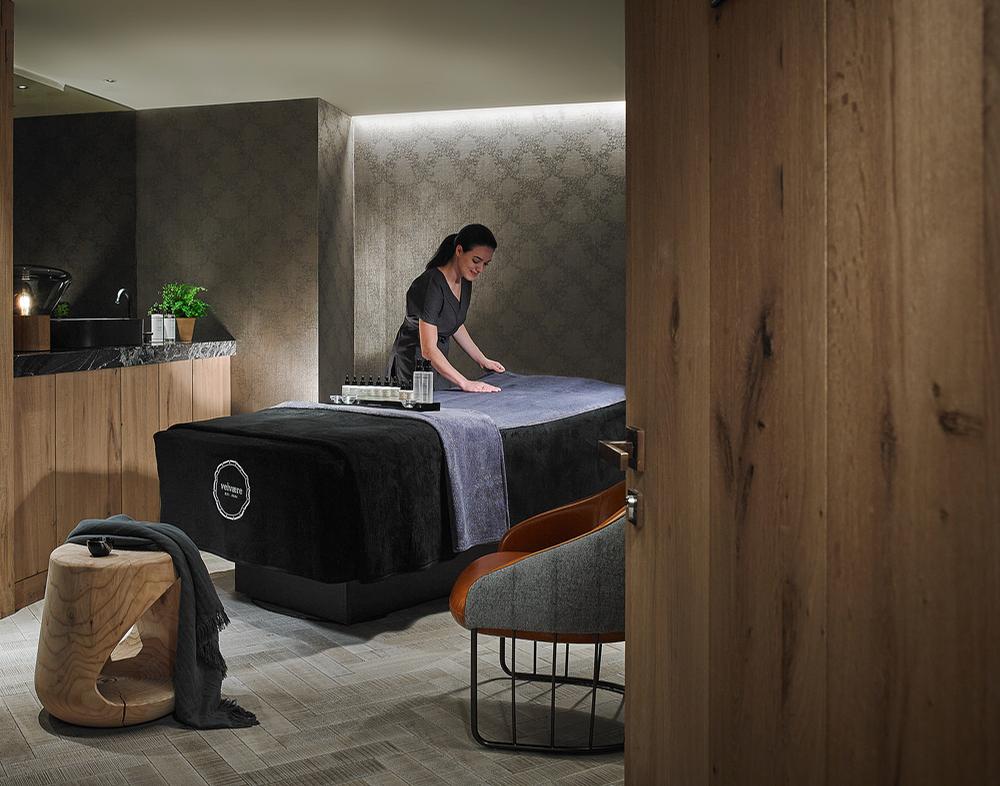
Just over 100 Irish spa and salon operators shared their data / photo: Adare Manor spa
Late last year, the Irish Spa Association (ISA) surveyed facilities across Northern Ireland and the Republic of Ireland to get a better understanding of how COVID-19 has affected business.
Just over 100 operators shared their data. Respondents were from day spas and beauty salons, destination spas and hotel and resort spas, employing more than 3,000 people combined.
Irish spas first went into lockdown on 24 March 2020. They reopened on 29 June but faced more closures from 21 October until 1 December and then again from 24 December with no confirmed opening date for 2021 yet. This means businesses will have been shut for a total of 250 days by the end of March.
Like the majority of businesses in the hospitality industry, spas witnessed a decline in revenue in 2020, with 77 per cent of respondents reporting losses. This is something ISA was expecting. “We knew revenues would be hugely impacted because COVID-19 measures and physical distancing come at a cost,” says ISA co-founder Anita Murray.
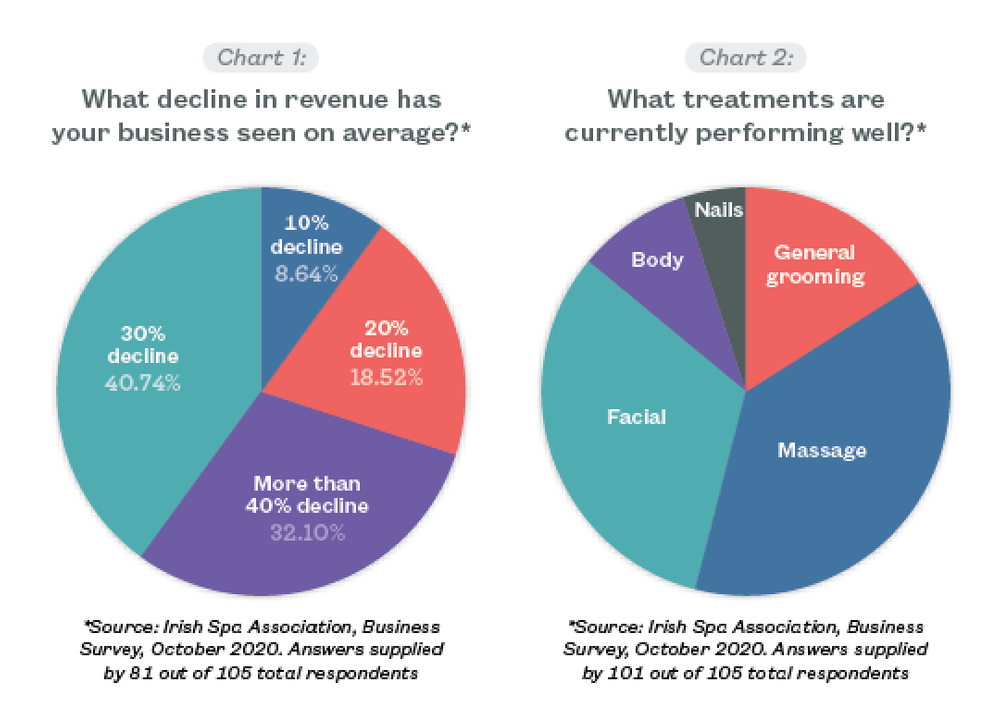
Eighty-one businesses gave more detail on this, with 26 specifying a decrease of 40 per cent or more and 33 spas and salons reporting a 30 per cent loss (see Chart 1). Murray adds: “The ISA is urging governments to offer ongoing support to our members with liquidity and financial aid, but until we’re in a safe position to relax safety measures, occupancy will be limited and typical seasonal trading patterns will continue to be disrupted.”
When asked what treatments were performing well, massage came out on top, closely followed by facials (see Chart 2). Meanwhile, general grooming and nail services – maintenance services which were predicted by some to be in more demand, as they’re seen as more of a regular necessity – didn’t do so well. “Mass closures around hospitality and restrictions around social gatherings and travel all played a part in the impact on personal care services,” Murray thinks. “Seasonal services such as waxing and sunless tanning also experienced a decline.”
It’s notable that 22 of the 81 spas and salons surveyed had reductions in revenue of 20 per cent or less and that 20 per cent of all respondents didn’t record reductions in income during the times they were open between lockdowns.
“It’s difficult to believe there are any businesses whose revenues have not been impacted,” ventures Murray, “we do know Irish spas and salons have been disproportionately affected. Those centrally located in cities and densely populated areas have been a little more resilient in contrast to those in rural Ireland or those that would have hosted a lot of overseas customers. According to the Irish Hotel Federation, 9.5 million bed nights were lost last year as annual room occupancy dropped to 30 per cent.”
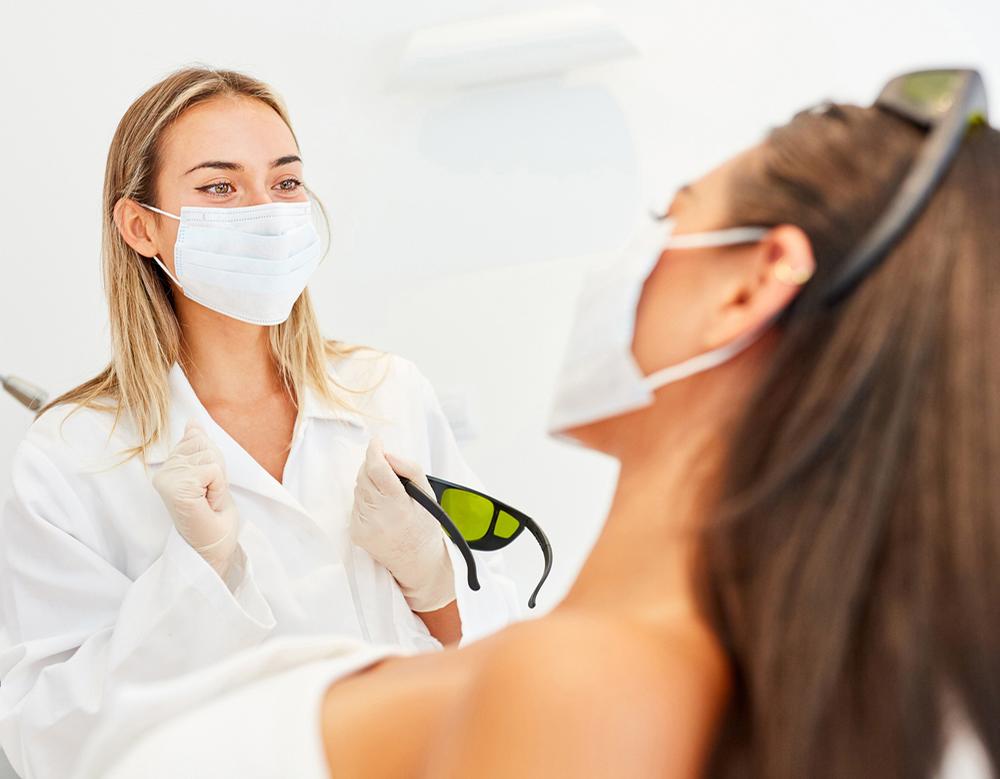
Highly capable A big takeaway, says Murray, is that Ireland’s spa industry is demonstrating that it’s highly capable of taking the difficult decisions needed to avoid the spread of COVID-19 and ensure business continuity. The ISA’s PPE recommendation include face masks and a visor if COVID-19 screens are not in place. It also suggests customers wear a face mask, have temperature checks and fill out declaration forms, plus provide contact details for track and trace.
All respondents reported compliance and – most significantly – no facilities had any confirmed COVID-19 outbreaks.
Findings also included encouraging figures around responsible self-isolation, says Murray. Thirty-five per cent of facilities said a member of staff had to self-isolate as a precaution and they all said this measure was practised without exception if a staff member or family member had any symptoms. “It’s a real testimony to our industry professionals to record such healthy outcomes,” says Murray. “This has reassured us we can continue to trade throughout the pandemic, keep people employed, take care of communities and minimise the impacts of COVID-19 on people’s wellbeing and mental health.”
She adds: “It’s suggested we’ll have another year of restrictions, but as more people are vaccinated we hope the local authorities will continue to recognise how successful our sector has been in maintaining safety for staff, guests and clients and allow us to continue to provide our services, even if some restrictions are reintroduced.”
Murray believes the key to the Irish sector’s successful reopening will be to continue working with the global community to keep up to date with COVID-19 best operating practices and understand what’s working in other markets. Combine this with working towards common goals, robust spa/supplier relationships, and strong communication she says, and the industry will be prepared to emerge stronger than ever post-lockdown and answer the anticipated public demand for health and wellness.
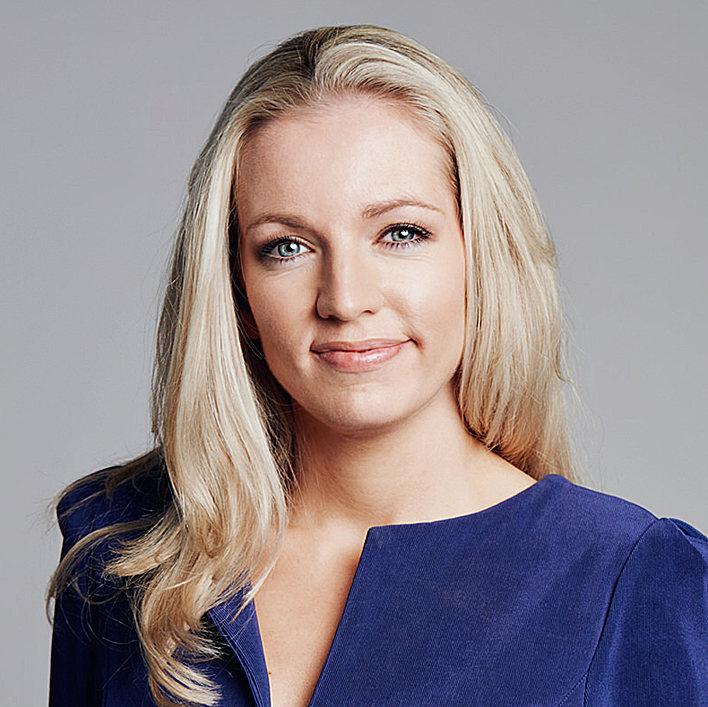
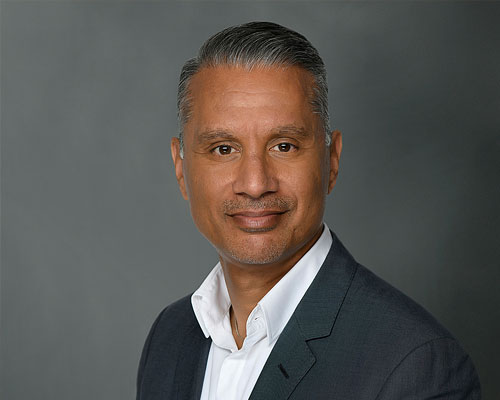
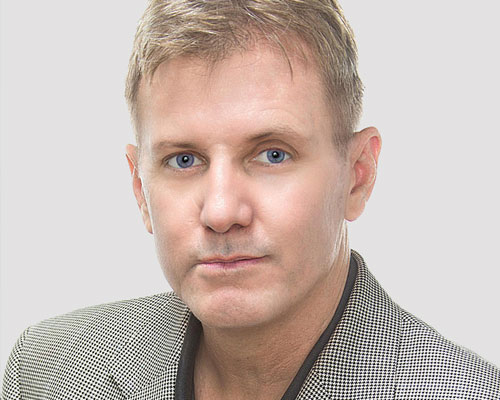
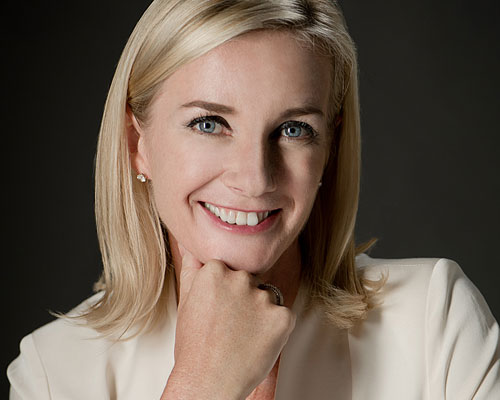
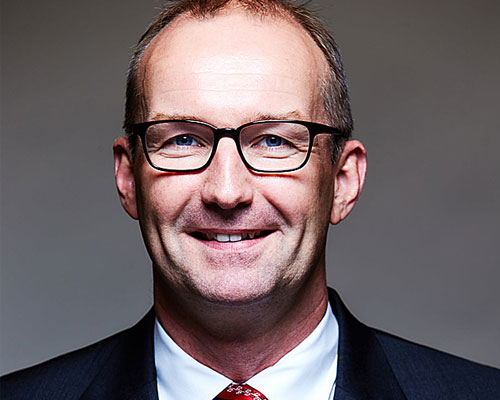
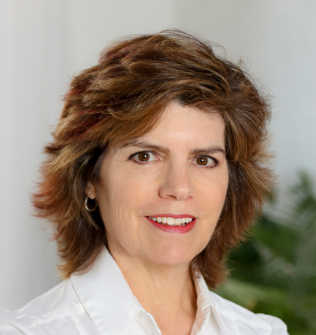
photo: Anita Murray
"Spas located
centrally in cities
and in densely
populated areas
proved more resilient" – Anita Murray
About the Irish Spa Association
The Irish Spa Association (ISA) was launched by industry veterans Peigin Crowley and Anita Murray in June 2019. Crowley has worked in the sector since 2002 and became a spa consultant in 2014, while Murray’s background is in business development, training and distribution.
It was created to foster professionalism and growth and also aims to “impact change at a government and policy level by being an authoritative voice” and by championing the value of the industry.
It was one of the first spa associations to jump to action following the coronavirus outbreak by launching a webinar series dedicated to industry re-activation just weeks after lockdown. Last April, it also published a Business Continuity Workbook – a guide for spa businesses on how to take this time to housekeep and review business in order to prepare smarter working solutions in advance of re-opening.
Megan Whitby is assistant editor of Spa Business magazine
[email protected]
Read more from this issue of Spa Business magazine
View contents of Spa Business 2021 issue 1
Editor's letter: Healing the world
With the impact of COVID-19 affecting millions of people globally, spas have a special role to play in the recovery movement
Spa Programmes: On the menu
Healing heartache retreats at Chablé Mexico and Czech spas using mineral water to treat long COVID feature in our latest programming highlights
Programming: Kevin Kelly
Four Seasons’ Sensei retreat in Hawaii taps into wearable tech and biometric data
Programming: Jeremy McCarthy
Mandarin Oriental rolls out it Inner Strength Outer Strength mental wellness course to guests
Interview: Emlyn Brown
Accor’s global vice-president of wellbeing talks to Katie Barnes about business strategies following COVID
Everyone’s talking about: Local markets
How are spas adapting their business model to attract locals? And what happens when international tourists return? Spa Business magazine reports
Trends: Spa Foresight™ 20/21
Touch hunger, lung health, resilience and COVID cool spots all feature in future predictions from the Spa Business team
Sponsored: G.M. COLLIN: New partnerships
Skincare brand GM Collin is
re-energising its sales network and looking
for new distributors from across the globe
to drive its business network
Insight: Hindsight 2020
Mia Kyricos looks at the harsh lessons that spas can learn from the last year
Analysis: On your marks
Analyst Jan Freitag suggests a timescale for global hotel recovery and hotel spas
Research: Eyes on Ireland
An Irish Spa Association snapshot survey shows the impact of COVID on spas across country
Promotion: Artofcryo.com: Chill factor
Artofcryo.com provides evidence-based whole body cryotherapy solutions,
offering effective solutions for guests and an attractive ROI for investors
Fitness: Harley Pasternak
The celebrity trainer and nutritionist shares his vision of fitness and health in the age of coronavirus
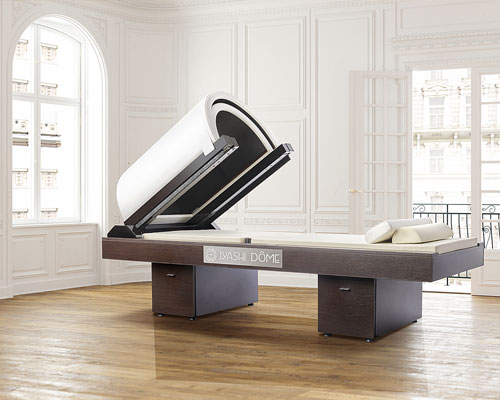
Promotion: Iyashi Dôme: Optimal solution
Iyashi Dôme Japanese saunas offer a versatile treatment solution for spas searching for quality touchless treatments backed by science and Japanese technology
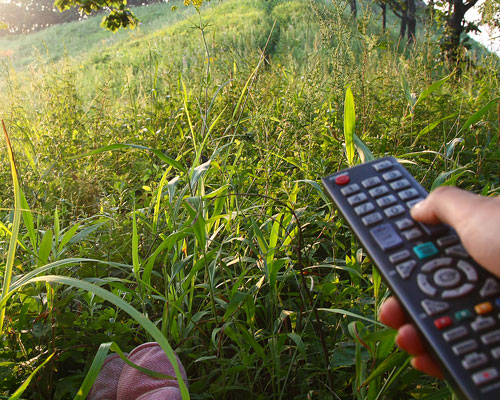
Finishing touch: Watch out
UK researchers launch a new study to explore how digital nature experiences can be good for us
In a world where imbalance often accumulates quietly, Wildsmith unveils its newest
wellbeing innovation: Silent Loads, an approach designed to meet the needs of modern spa
guests with precision and depth. [more...]
The Spa Life UK Convention returns from 21–23 June 2026 at Whittlebury Park Hotel, Spa &
Golf Resort, bringing together spa managers, directors and owners for two days of focused
education, meaningful connection and commercial insight. [more...]
+ More featured suppliers
COMPANY PROFILES
RKF Luxury Linen
RKF Luxury Linen, established in the East of France for several decades, owns an artisanal know-how [more...]
A snapshot survey looking at the impact of the pandemic
on the spa market across Ireland shows that revenue is down,
but no facilities experienced an outbreak of COVID-19.
Anita Murray shares further insights with Megan Whitby
Just over 100 Irish spa and salon operators shared their data / photo: Adare Manor spa
Late last year, the Irish Spa Association (ISA) surveyed facilities across Northern Ireland and the Republic of Ireland to get a better understanding of how COVID-19 has affected business.
Just over 100 operators shared their data. Respondents were from day spas and beauty salons, destination spas and hotel and resort spas, employing more than 3,000 people combined.
Irish spas first went into lockdown on 24 March 2020. They reopened on 29 June but faced more closures from 21 October until 1 December and then again from 24 December with no confirmed opening date for 2021 yet. This means businesses will have been shut for a total of 250 days by the end of March.
Like the majority of businesses in the hospitality industry, spas witnessed a decline in revenue in 2020, with 77 per cent of respondents reporting losses. This is something ISA was expecting. “We knew revenues would be hugely impacted because COVID-19 measures and physical distancing come at a cost,” says ISA co-founder Anita Murray.
Eighty-one businesses gave more detail on this, with 26 specifying a decrease of 40 per cent or more and 33 spas and salons reporting a 30 per cent loss (see Chart 1). Murray adds: “The ISA is urging governments to offer ongoing support to our members with liquidity and financial aid, but until we’re in a safe position to relax safety measures, occupancy will be limited and typical seasonal trading patterns will continue to be disrupted.”
When asked what treatments were performing well, massage came out on top, closely followed by facials (see Chart 2). Meanwhile, general grooming and nail services – maintenance services which were predicted by some to be in more demand, as they’re seen as more of a regular necessity – didn’t do so well. “Mass closures around hospitality and restrictions around social gatherings and travel all played a part in the impact on personal care services,” Murray thinks. “Seasonal services such as waxing and sunless tanning also experienced a decline.”
It’s notable that 22 of the 81 spas and salons surveyed had reductions in revenue of 20 per cent or less and that 20 per cent of all respondents didn’t record reductions in income during the times they were open between lockdowns.
“It’s difficult to believe there are any businesses whose revenues have not been impacted,” ventures Murray, “we do know Irish spas and salons have been disproportionately affected. Those centrally located in cities and densely populated areas have been a little more resilient in contrast to those in rural Ireland or those that would have hosted a lot of overseas customers. According to the Irish Hotel Federation, 9.5 million bed nights were lost last year as annual room occupancy dropped to 30 per cent.”
Highly capable A big takeaway, says Murray, is that Ireland’s spa industry is demonstrating that it’s highly capable of taking the difficult decisions needed to avoid the spread of COVID-19 and ensure business continuity. The ISA’s PPE recommendation include face masks and a visor if COVID-19 screens are not in place. It also suggests customers wear a face mask, have temperature checks and fill out declaration forms, plus provide contact details for track and trace.
All respondents reported compliance and – most significantly – no facilities had any confirmed COVID-19 outbreaks.
Findings also included encouraging figures around responsible self-isolation, says Murray. Thirty-five per cent of facilities said a member of staff had to self-isolate as a precaution and they all said this measure was practised without exception if a staff member or family member had any symptoms. “It’s a real testimony to our industry professionals to record such healthy outcomes,” says Murray. “This has reassured us we can continue to trade throughout the pandemic, keep people employed, take care of communities and minimise the impacts of COVID-19 on people’s wellbeing and mental health.”
She adds: “It’s suggested we’ll have another year of restrictions, but as more people are vaccinated we hope the local authorities will continue to recognise how successful our sector has been in maintaining safety for staff, guests and clients and allow us to continue to provide our services, even if some restrictions are reintroduced.”
Murray believes the key to the Irish sector’s successful reopening will be to continue working with the global community to keep up to date with COVID-19 best operating practices and understand what’s working in other markets. Combine this with working towards common goals, robust spa/supplier relationships, and strong communication she says, and the industry will be prepared to emerge stronger than ever post-lockdown and answer the anticipated public demand for health and wellness.
photo: Anita Murray
"Spas located
centrally in cities
and in densely
populated areas
proved more resilient" – Anita Murray
About the Irish Spa Association
The Irish Spa Association (ISA) was launched by industry veterans Peigin Crowley and Anita Murray in June 2019. Crowley has worked in the sector since 2002 and became a spa consultant in 2014, while Murray’s background is in business development, training and distribution.
It was created to foster professionalism and growth and also aims to “impact change at a government and policy level by being an authoritative voice” and by championing the value of the industry.
It was one of the first spa associations to jump to action following the coronavirus outbreak by launching a webinar series dedicated to industry re-activation just weeks after lockdown. Last April, it also published a Business Continuity Workbook – a guide for spa businesses on how to take this time to housekeep and review business in order to prepare smarter working solutions in advance of re-opening.
Megan Whitby is assistant editor of Spa Business magazine
[email protected]
Read more from this issue of Spa Business magazine
View contents of Spa Business 2021 issue 1
Editor's letter: Healing the world
With the impact of COVID-19 affecting millions of people globally, spas have a special role to play in the recovery movement
Spa Programmes: On the menu
Healing heartache retreats at Chablé Mexico and Czech spas using mineral water to treat long COVID feature in our latest programming highlights
Programming: Kevin Kelly
Four Seasons’ Sensei retreat in Hawaii taps into wearable tech and biometric data
Programming: Jeremy McCarthy
Mandarin Oriental rolls out it Inner Strength Outer Strength mental wellness course to guests
Interview: Emlyn Brown
Accor’s global vice-president of wellbeing talks to Katie Barnes about business strategies following COVID
Everyone’s talking about: Local markets
How are spas adapting their business model to attract locals? And what happens when international tourists return? Spa Business magazine reports
Trends: Spa Foresight™ 20/21
Touch hunger, lung health, resilience and COVID cool spots all feature in future predictions from the Spa Business team
Sponsored: G.M. COLLIN: New partnerships
Skincare brand GM Collin is
re-energising its sales network and looking
for new distributors from across the globe
to drive its business network
Insight: Hindsight 2020
Mia Kyricos looks at the harsh lessons that spas can learn from the last year
Analysis: On your marks
Analyst Jan Freitag suggests a timescale for global hotel recovery and hotel spas
Research: Eyes on Ireland
An Irish Spa Association snapshot survey shows the impact of COVID on spas across country
Promotion: Artofcryo.com: Chill factor
Artofcryo.com provides evidence-based whole body cryotherapy solutions,
offering effective solutions for guests and an attractive ROI for investors
Fitness: Harley Pasternak
The celebrity trainer and nutritionist shares his vision of fitness and health in the age of coronavirus
Promotion: Iyashi Dôme: Optimal solution
Iyashi Dôme Japanese saunas offer a versatile treatment solution for spas searching for quality touchless treatments backed by science and Japanese technology
Finishing touch: Watch out
UK researchers launch a new study to explore how digital nature experiences can be good for us
A recent survey by the UK Spa Association (UKSA) into the industry’s approach to cancer care
has revealed that almost half of participating respondents (46 per cent) are unaware that
cancer is a disability and guests with a cancer diagnosis must be given
Mexican operator, Solmar Hotels and Resorts, is hosting a series of events in celebration of
Global Wellness Day, including a Temazcal ceremony at its Playa Grande Resort and Spa in Los
Cabos.
Mandarin Oriental has announced a standalone residence brand, Mansions, which will debut at
Emirates Palace, Mandarin Oriental Mansions, Abu Dhabi, in 2029.
Four Seasons Resort The Nam Hai in Hoi An, Vietnam, has put together a Global Wellness Day
(GWD) agenda with activations rooted in nature and shaped by four pillars of Joy – in
alignment with the day’s theme #JoyMagenta.
The Global Wellness Summit (GWS) will celebrate its 20th anniversary at the 2026 event in
Phuket, Thailand, later this year with the theme: The Science, Art and Soul of Wellness.
Auko, an all-inclusive development, is opening in Phong Nha in Vietnam in Q3 2026, with a
series of 30 tented eco-lodges and wellness hospitality operations by Lumina Wellbeing.
Therme Manchester’s 28-acre development, which will include interconnected glass pavilions
that measure 65,000sq m, will be the largest bathing and wellbeing attraction in the world once
complete, according to prof David Russell, CEO of Therme UK.
Naples Beach Club, a Four Seasons Resort, has opened a 2,800sq m spa called The Sanctuary,
with the design and concept inspired by the Native American people that populated Florida’s
Southwest coast – the Calusa.
In a world where imbalance often accumulates quietly, Wildsmith unveils its newest
wellbeing innovation: Silent Loads, an approach designed to meet the needs of modern spa
guests with precision and depth. [more...]
The Spa Life UK Convention returns from 21–23 June 2026 at Whittlebury Park Hotel, Spa &
Golf Resort, bringing together spa managers, directors and owners for two days of focused
education, meaningful connection and commercial insight. [more...]
+ More featured suppliers
COMPANY PROFILES
RKF Luxury Linen RKF Luxury Linen, established in the East of France for several decades, owns an artisanal know-how [more...]