Yes! Send me the FREE digital editions of Spa Business and Spa Business insider magazines and the FREE weekly Spa Business and Spa Business insider ezines and breaking news alerts!
Jodie Lock and Margreet Papamichael explore how well the attractions industry is performing today compared with 2009 recession levels, and take a look at the increasingly dynamic EMEA waterpark sector
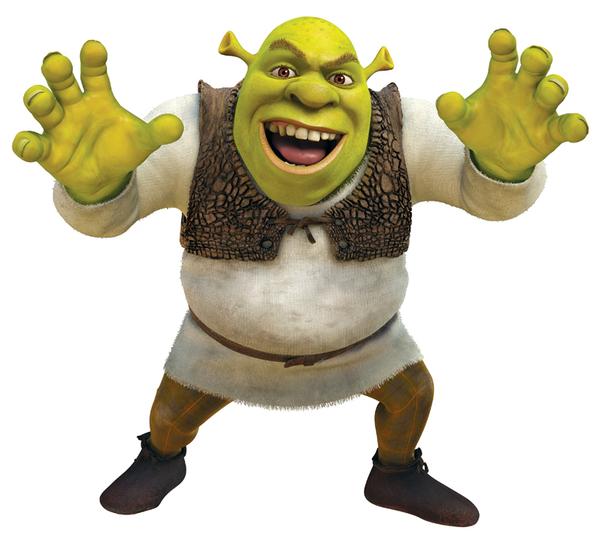
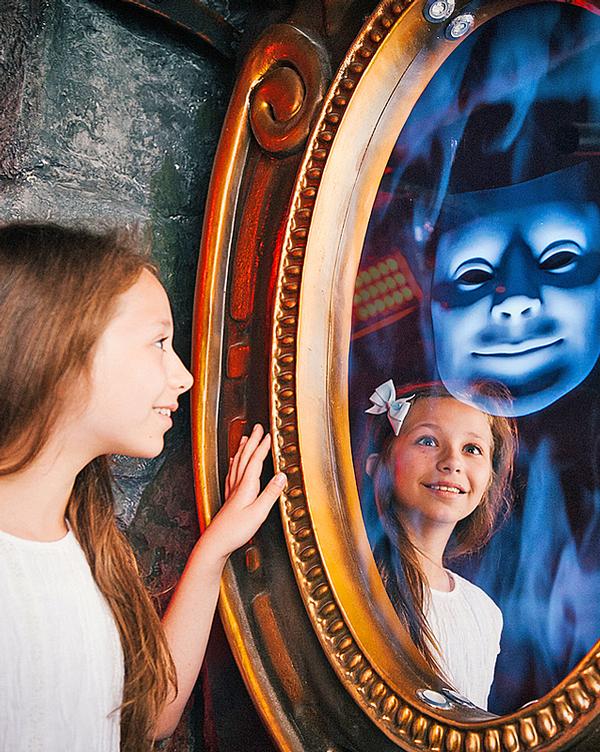
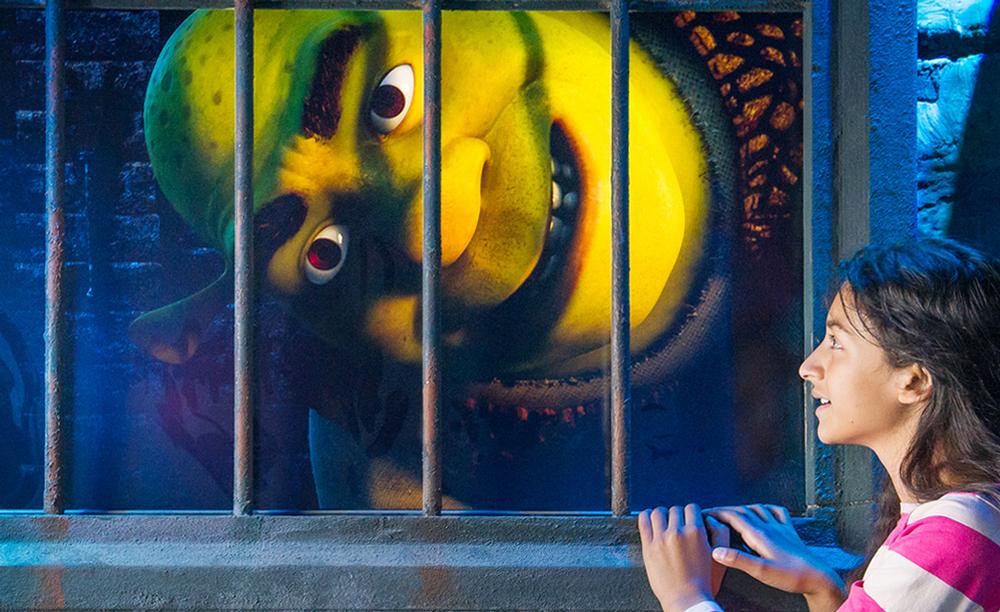
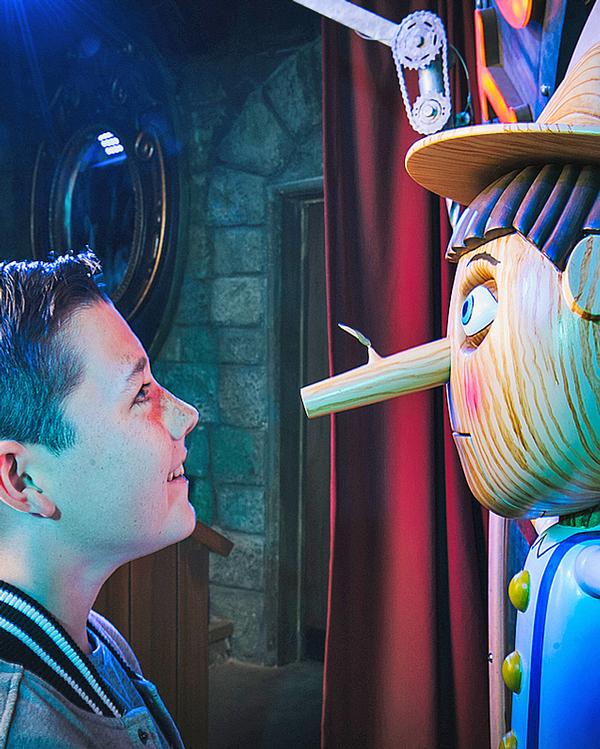
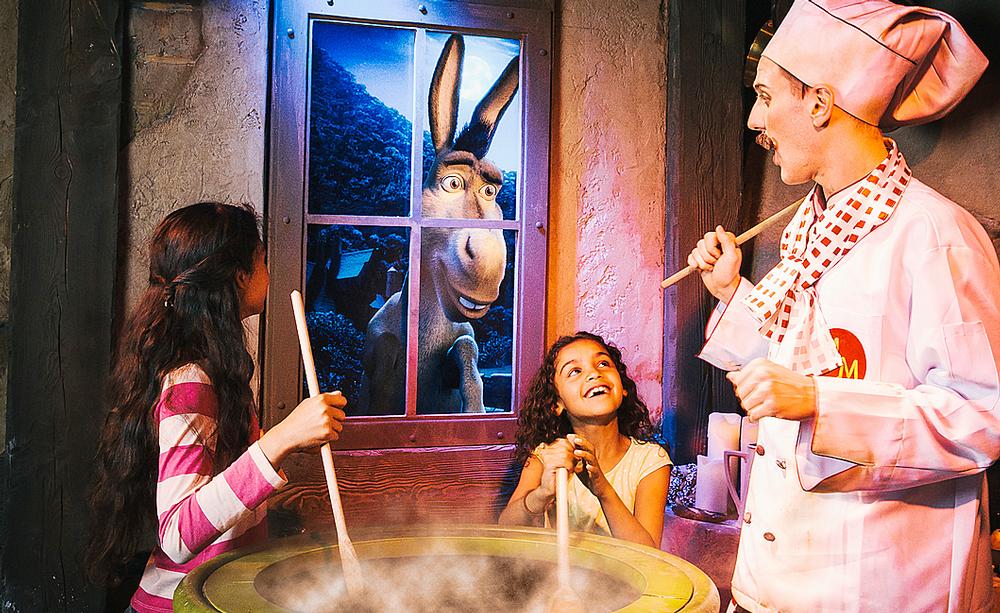
Shrek’s Adventure! London – Merlin’s latest attraction
The TEA/AECOM Theme Index and Museum Index is a collaboration of the Themed Entertainment Association (TEA) and the economics practice at AECOM, a global provider of technical-professional and management-support services.
This calendar-year study of global attractions attendance is a free resource for park operators, land developers and the travel industry. Top worldwide theme parks, amusement parks, waterparks, museums and theme park group operators are named, ranked by attendance, and industry trends are identified. The global market is studied as a whole, and each of its main regions is also studied separately: the Americas, Europe and Asia. There is also a league table of the top waterparks in the world and in the United States, and of the top global chain operators.
This article provides a focus on the EMEA (Europe, the Middle East and Africa) region and comparisons with the 2009 listings.
Global Overview Last year was one of global growth for the attractions industry. With aggregate attendance across the Top 10 leading operator groups increasing by more than five per cent during the course of 2014 to around 392 million visits, it is clear that there has been a continuation of the sector’s post-recession recovery.
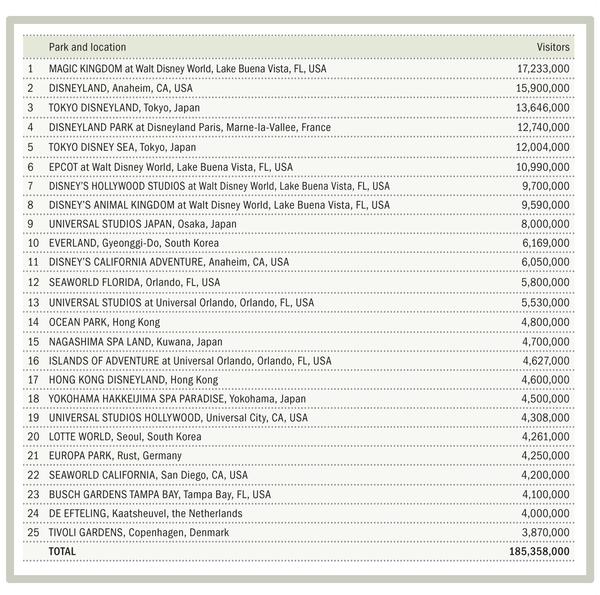
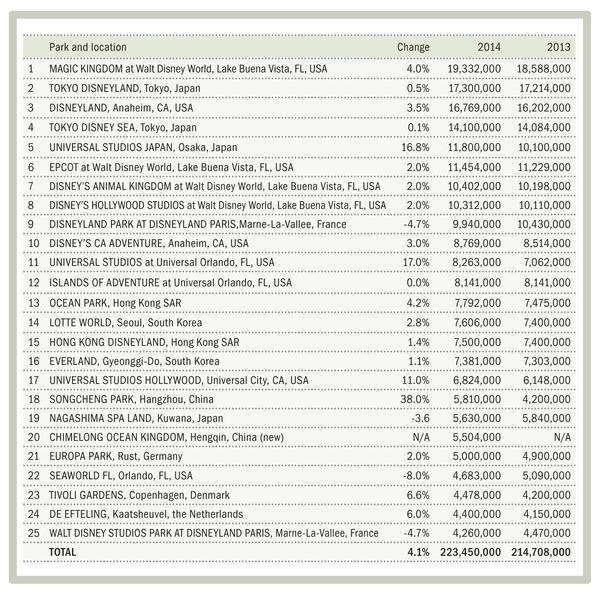
The Top 25 Global Theme Parks list has reshuffled over the past five years, with the larger Asian parks moving up the list and pushing some of the others further down the list. Having said that, overall the list is very comparable with that of five years ago with only three of the original parks being replaced. The Top 25 Global Theme Parks in 2009 (Table 1) accounted for a total of 185,568,000 visitors, whereas the Top 25 this year (Table 2) accounts for a total of 223,450,000 – an overall impressive 20 per cent increase (3.8 per cent annual growth). Evidence of a global growing industry.
EMEA The European theme park market witnessed a return to growth in 2014, with attendance levels rebounding three per cent following a recession-driven lull. Whilst in 2013 we observed a clear North-South divide in terms of attendance performance, this year no such divergence was apparent. In fact, attendance hikes were seen at all parks aside from those operated by Disney.
Operators cite the improved economic climate, better weather conditions, and reinvestment in attractions as the three main reasons underpinning attendance increases. The impressive 13.7 per cent increase in attendance at Futuroscope last year was attributed to the award-winning new ride ‘Raving Rabbids, The Time Machine’, a testament to the importance of renewed investment.
With governmental backing and private sector support highly visible in the Middle East, and a young, increasingly affluent local population supplemented with an increasing tourist base, we anticipate this region to feature more heavily in the Index over the next few years as several hotly anticipated mega-projects enter the market.
Whilst five years ago European operators claimed four of the Top 10 Operators spots, as of 2014 only Merlin Entertainments and Parques Reunidos remain. Europe represents a mature, relatively stable marketplace, thus growth prospects are likely stronger in Asia and the Middle East – both regions benefitting from booming populations and increasing disposable incomes.
When comparing the aggregate attendance to EMEA’s 10 most visited theme parks in 2009 with the recent figures released for 2014, we see overall attendance has increased by just 2.5 per cent from 41.2 million to 42.2 million. A clear illustration of the impact of the financial downturn in Europe over the last five years.
The majority of the Top 10 EMEA theme parks in 2014 remain the same as five years ago, with only one new entry – Legoland Windsor, which Merlin is currently rolling out worldwide.
Operator News The Top 10 operator groups have reshuffled over the past five years, reflective of a shift in gravity to the East. Asian operators, such as OCT Parks China and Chimelong Group, are now biting at the heels of industry giants Universal, Merlin and Disney. Despite this, Disney still sits head and shoulders above the rest, boasting more than double the attendance achieved at second-place Merlin, and a stronghold on the Top 10 Global Theme Parks chart, with nine parks featured.
Merlin continued along its upwards trajectory throughout the course of the year, buoyed by its strong performing Legoland parks, to achieve an aggregate attendance level of 62.8 million and maintain its position as the world’s second largest theme park group. Other leading European operators Parques Renuidos and Compagnies des Alpes have taken the opportunity to streamline their portfolios in light of the improving economic climate, with the former having disposed of 14 Family Entertainment Centres and one waterpark, and the latter Walibi Sud-Ouest and Dolfinarium. These groups are focussing on their core assets and anticipate rolling out new leisure parks in emerging destinations benefitting from a growing middle class.
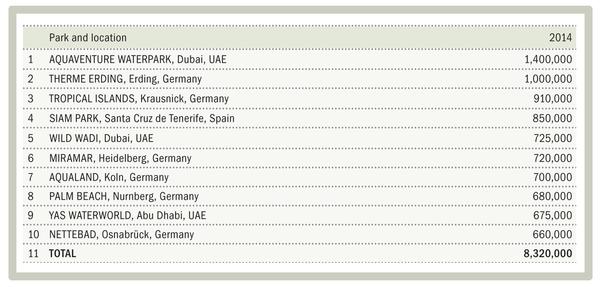
EMEA WaterParks This year’s Theme Index includes EMEA waterparks for the first time, a sector envisaged to see strong growth in coming years (Table 3). We fully anticipate uncovering more waterparks performing well in the European market as a result of this year’s Theme Index.
Indoor facilities capture a significant market share in Northern Europe, unsurprising given uncertainties surrounding weather! Germany reigns supreme, dominating the Top 10 chart with six parks and claiming the home of Europe’s biggest waterslide, located at Therme Erding near Munich. Germany has a long history of creating water-based attractions, traditionally focused on the healing qualities of water. Over time these have increasingly turned to incorporate active play and fun waterparks. The parks listed in the EMEA Top 10 Waterparks are all fun parks that have a minimum of three waterslides/flumes, a wave pool, retail, food and beverage areas, and at least two other fun elements (e.g. tube rides, free-form pool, lazy river, children’s waterplay area).
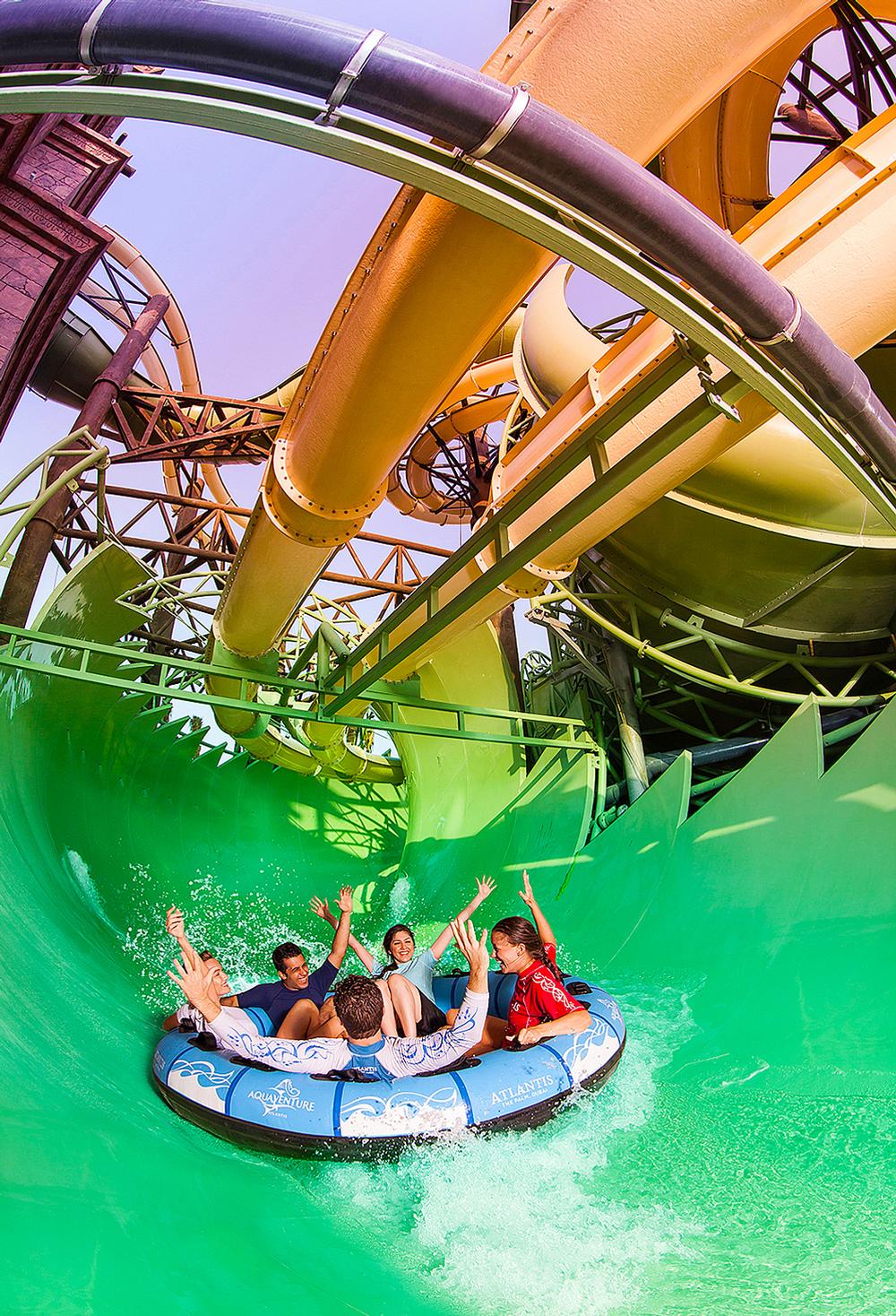
The UAE features three times on our EMEA Top 10 Waterpark list, with Aquaventure, visited by 1.4 million people in 2014, named as the most visited waterpark in EMEA. The latest of these parks is Yas Waterworld, an example of a successful, highly themed and culturally relevant attraction, whose home-grown Intellectual Property (IP) has been well-received by the local market. In contrast to many European waterparks, those located in the Middle East tend to be outdoor parks and benefit from year-round operations, which has clear positive implications on attendance.
A number of waterparks operate with associated lodging, for example Splash Landings at Alton Towers in the UK, and Aquaventure in Dubai. On-site accommodation can prolong length of stay (particularly for clustered attractions), allow for land use synergies (ticketing packages, increased footfall site-wide) and broaden the appeal of the destination. Lodging packages can, however, have a detrimental impact on admission yields for the individual attraction itself. Nevertheless, the composite benefit for the destination as a whole is important and is generally positive.
To IP – or not to IP The important role that Intellectual Property (IP) rights play in the success of a theme park is a hotly debated issue and an important question for new theme parks or significant extensions to existing theme parks.
The European attractions market, for the most part, has grown organically over time. Although group operators feature to a greater extent these days, parks across Europe remain culturally relevant to the markets in which they operate. As a result, there are many strong examples of home-grown IP across the continent. Indeed, three of the top five European theme parks, Europa Park, Tivoli and De Efteling, have succeeded without international branding and have created their own story lines and associated Intellectual Property.
Conversely, the theme parks planned for the Middle East are planned large developments with a combination of resort uses right from the day of opening. These parks are aimed not only at the domestic market, but the expectation is that they will attract large swathes of tourists to the region. To be able to achieve this, many of the planned parks are teaming up with globally recognised IP providers that have proven track records. This approach minimises risk and projects a clear message to the market.
So, to IP or not to IP remains a question that can only be answered by looking at the target market of the planned attraction.
In a world where imbalance often accumulates quietly, Wildsmith unveils its newest
wellbeing innovation: Silent Loads, an approach designed to meet the needs of modern spa
guests with precision and depth. [more...]
+ More featured suppliers
COMPANY PROFILES
Gharieni Group
For 35 years, the Gharieni Group has
redefined wellness, spa and medical
equipment, setting global [more...]
Jodie Lock and Margreet Papamichael explore how well the attractions industry is performing today compared with 2009 recession levels, and take a look at the increasingly dynamic EMEA waterpark sector
Shrek’s Adventure! London – Merlin’s latest attraction
The TEA/AECOM Theme Index and Museum Index is a collaboration of the Themed Entertainment Association (TEA) and the economics practice at AECOM, a global provider of technical-professional and management-support services.
This calendar-year study of global attractions attendance is a free resource for park operators, land developers and the travel industry. Top worldwide theme parks, amusement parks, waterparks, museums and theme park group operators are named, ranked by attendance, and industry trends are identified. The global market is studied as a whole, and each of its main regions is also studied separately: the Americas, Europe and Asia. There is also a league table of the top waterparks in the world and in the United States, and of the top global chain operators.
This article provides a focus on the EMEA (Europe, the Middle East and Africa) region and comparisons with the 2009 listings.
Global Overview Last year was one of global growth for the attractions industry. With aggregate attendance across the Top 10 leading operator groups increasing by more than five per cent during the course of 2014 to around 392 million visits, it is clear that there has been a continuation of the sector’s post-recession recovery.
The Top 25 Global Theme Parks list has reshuffled over the past five years, with the larger Asian parks moving up the list and pushing some of the others further down the list. Having said that, overall the list is very comparable with that of five years ago with only three of the original parks being replaced. The Top 25 Global Theme Parks in 2009 (Table 1) accounted for a total of 185,568,000 visitors, whereas the Top 25 this year (Table 2) accounts for a total of 223,450,000 – an overall impressive 20 per cent increase (3.8 per cent annual growth). Evidence of a global growing industry.
EMEA The European theme park market witnessed a return to growth in 2014, with attendance levels rebounding three per cent following a recession-driven lull. Whilst in 2013 we observed a clear North-South divide in terms of attendance performance, this year no such divergence was apparent. In fact, attendance hikes were seen at all parks aside from those operated by Disney.
Operators cite the improved economic climate, better weather conditions, and reinvestment in attractions as the three main reasons underpinning attendance increases. The impressive 13.7 per cent increase in attendance at Futuroscope last year was attributed to the award-winning new ride ‘Raving Rabbids, The Time Machine’, a testament to the importance of renewed investment.
With governmental backing and private sector support highly visible in the Middle East, and a young, increasingly affluent local population supplemented with an increasing tourist base, we anticipate this region to feature more heavily in the Index over the next few years as several hotly anticipated mega-projects enter the market.
Whilst five years ago European operators claimed four of the Top 10 Operators spots, as of 2014 only Merlin Entertainments and Parques Reunidos remain. Europe represents a mature, relatively stable marketplace, thus growth prospects are likely stronger in Asia and the Middle East – both regions benefitting from booming populations and increasing disposable incomes.
When comparing the aggregate attendance to EMEA’s 10 most visited theme parks in 2009 with the recent figures released for 2014, we see overall attendance has increased by just 2.5 per cent from 41.2 million to 42.2 million. A clear illustration of the impact of the financial downturn in Europe over the last five years.
The majority of the Top 10 EMEA theme parks in 2014 remain the same as five years ago, with only one new entry – Legoland Windsor, which Merlin is currently rolling out worldwide.
Operator News The Top 10 operator groups have reshuffled over the past five years, reflective of a shift in gravity to the East. Asian operators, such as OCT Parks China and Chimelong Group, are now biting at the heels of industry giants Universal, Merlin and Disney. Despite this, Disney still sits head and shoulders above the rest, boasting more than double the attendance achieved at second-place Merlin, and a stronghold on the Top 10 Global Theme Parks chart, with nine parks featured.
Merlin continued along its upwards trajectory throughout the course of the year, buoyed by its strong performing Legoland parks, to achieve an aggregate attendance level of 62.8 million and maintain its position as the world’s second largest theme park group. Other leading European operators Parques Renuidos and Compagnies des Alpes have taken the opportunity to streamline their portfolios in light of the improving economic climate, with the former having disposed of 14 Family Entertainment Centres and one waterpark, and the latter Walibi Sud-Ouest and Dolfinarium. These groups are focussing on their core assets and anticipate rolling out new leisure parks in emerging destinations benefitting from a growing middle class.
EMEA WaterParks This year’s Theme Index includes EMEA waterparks for the first time, a sector envisaged to see strong growth in coming years (Table 3). We fully anticipate uncovering more waterparks performing well in the European market as a result of this year’s Theme Index.
Indoor facilities capture a significant market share in Northern Europe, unsurprising given uncertainties surrounding weather! Germany reigns supreme, dominating the Top 10 chart with six parks and claiming the home of Europe’s biggest waterslide, located at Therme Erding near Munich. Germany has a long history of creating water-based attractions, traditionally focused on the healing qualities of water. Over time these have increasingly turned to incorporate active play and fun waterparks. The parks listed in the EMEA Top 10 Waterparks are all fun parks that have a minimum of three waterslides/flumes, a wave pool, retail, food and beverage areas, and at least two other fun elements (e.g. tube rides, free-form pool, lazy river, children’s waterplay area).
The UAE features three times on our EMEA Top 10 Waterpark list, with Aquaventure, visited by 1.4 million people in 2014, named as the most visited waterpark in EMEA. The latest of these parks is Yas Waterworld, an example of a successful, highly themed and culturally relevant attraction, whose home-grown Intellectual Property (IP) has been well-received by the local market. In contrast to many European waterparks, those located in the Middle East tend to be outdoor parks and benefit from year-round operations, which has clear positive implications on attendance.
A number of waterparks operate with associated lodging, for example Splash Landings at Alton Towers in the UK, and Aquaventure in Dubai. On-site accommodation can prolong length of stay (particularly for clustered attractions), allow for land use synergies (ticketing packages, increased footfall site-wide) and broaden the appeal of the destination. Lodging packages can, however, have a detrimental impact on admission yields for the individual attraction itself. Nevertheless, the composite benefit for the destination as a whole is important and is generally positive.
To IP – or not to IP The important role that Intellectual Property (IP) rights play in the success of a theme park is a hotly debated issue and an important question for new theme parks or significant extensions to existing theme parks.
The European attractions market, for the most part, has grown organically over time. Although group operators feature to a greater extent these days, parks across Europe remain culturally relevant to the markets in which they operate. As a result, there are many strong examples of home-grown IP across the continent. Indeed, three of the top five European theme parks, Europa Park, Tivoli and De Efteling, have succeeded without international branding and have created their own story lines and associated Intellectual Property.
Conversely, the theme parks planned for the Middle East are planned large developments with a combination of resort uses right from the day of opening. These parks are aimed not only at the domestic market, but the expectation is that they will attract large swathes of tourists to the region. To be able to achieve this, many of the planned parks are teaming up with globally recognised IP providers that have proven track records. This approach minimises risk and projects a clear message to the market.
So, to IP or not to IP remains a question that can only be answered by looking at the target market of the planned attraction.
A recent survey by the UK Spa Association (UKSA) into the industry’s approach to cancer care
has revealed that almost half of participating respondents (46 per cent) are unaware that
cancer is a disability and guests with a cancer diagnosis must be given
Mexican operator, Solmar Hotels and Resorts, is hosting a series of events in celebration of
Global Wellness Day, including a Temazcal ceremony at its Playa Grande Resort and Spa in Los
Cabos.
Mandarin Oriental has announced a standalone residence brand, Mansions, which will debut at
Emirates Palace, Mandarin Oriental Mansions, Abu Dhabi, in 2029.
Four Seasons Resort The Nam Hai in Hoi An, Vietnam, has put together a Global Wellness Day
(GWD) agenda with activations rooted in nature and shaped by four pillars of Joy – in
alignment with the day’s theme #JoyMagenta.
The Global Wellness Summit (GWS) will celebrate its 20th anniversary at the 2026 event in
Phuket, Thailand, later this year with the theme: The Science, Art and Soul of Wellness.
Auko, an all-inclusive development, is opening in Phong Nha in Vietnam in Q3 2026, with a
series of 30 tented eco-lodges and wellness hospitality operations by Lumina Wellbeing.
Therme Manchester’s 28-acre development, which will include interconnected glass pavilions
that measure 65,000sq m, will be the largest bathing and wellbeing attraction in the world once
complete, according to prof David Russell, CEO of Therme UK.
Naples Beach Club, a Four Seasons Resort, has opened a 2,800sq m spa called The Sanctuary,
with the design and concept inspired by the Native American people that populated Florida’s
Southwest coast – the Calusa.
Swire Hotels’ luxury hospitality brand Upper House has revealed it will roll out its two-day
House of Healing retreats at its three hotels in Hong Kong, Chengdu and Shanghai.
In a world where imbalance often accumulates quietly, Wildsmith unveils its newest
wellbeing innovation: Silent Loads, an approach designed to meet the needs of modern spa
guests with precision and depth. [more...]
+ More featured suppliers
COMPANY PROFILES
Gharieni Group For 35 years, the Gharieni Group has
redefined wellness, spa and medical
equipment, setting global [more...]