Yes! Send me the FREE digital editions of Spa Business and Spa Business insider magazines and the FREE weekly Spa Business and Spa Business insider ezines and breaking news alerts!
Bringing together a passionate community of explorers, Wheel the World is opening new doors for disability tourism. Its co-founder, Alvaro Silberstein, speaks to Attractions Management about the company, his story and the organisation’s grand plans to bring accessible tourism to the mainstream
By Tom Anstey | Published in Attractions Management 2019 issue 2
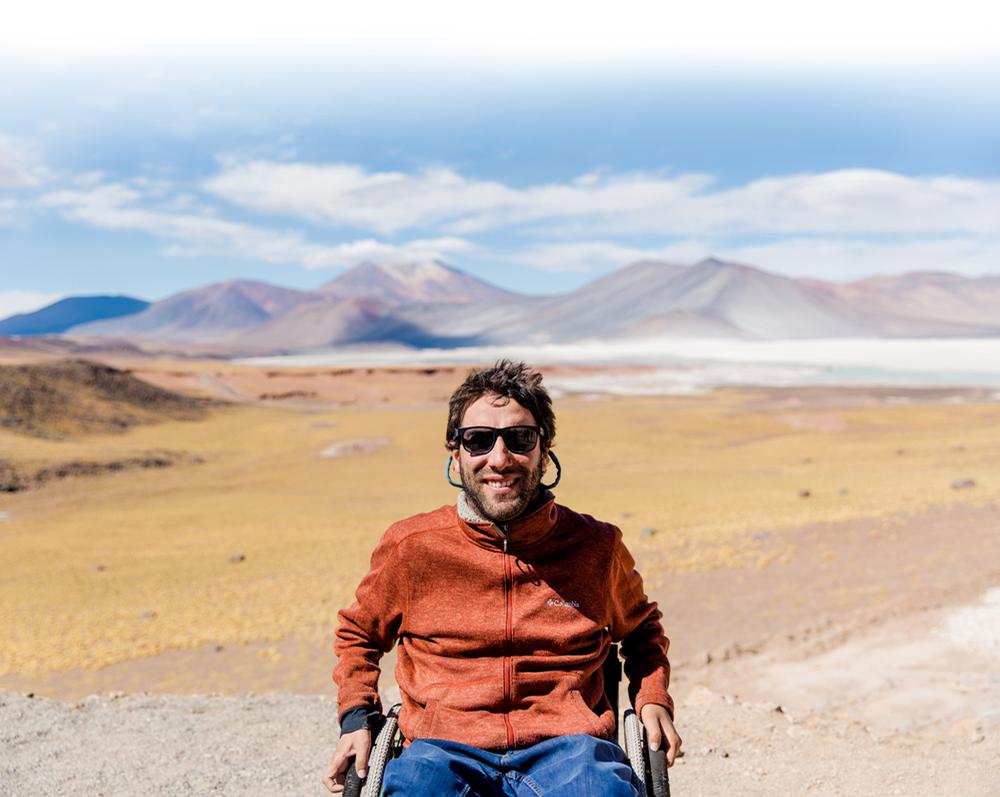
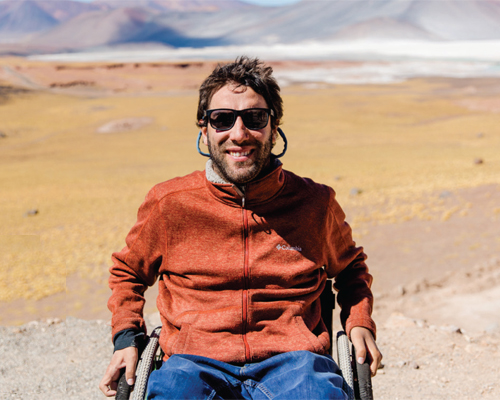
Alvaro Silberstein, a wheelchair user himself, founded Wheel the World as a way to offer accessible tourism to all
Alvaro Silberstein has been a wheelchair user since the age of 18. Now 33 years old, the Chilean says he’s always pushed himself to make his life as normal as possible.
Wanting to explore the world and visit wild tourist destinations, one location – Torres del Paine National Park in Patagonia, Chile – had always been a special dream of his.
A few years ago, his best friend, Camillo Navarro, approached him to see if the pair could feasibly organise a trip to the destination. They contacted several tour operators and local travel services, who told them they had never seen a wheelchair being used in the park.
To make their dream a reality, the duo would have to do some extended research, which led to the discovery of a specially manufactured wheelchair specifically for traversing rough terrain – the Joëlette.
“The technology would allow us to do the W Trek – a five-day hike along Torres del Paine’s most famous route,” says Alvaro. “But it was expensive, costing US$8,000 to buy and ship it there and we didn’t have that kind of money.”
To raise the necessary funds, Silberstein and Navarro decided to transform the trip into a project, fundraising the venture through a series of sponsors. Setting out with a plan to purchase and leave the equipment behind, also training local guides on how to use the technology so the experience could be repeated, Silberstein and Navarro went on the life-changing adventure.
“It was amazing for me, for my friends and for people who worked in the travel industry in Patagonia because we didn’t know if it would be possible,” he says.
“We filmed a low-cost documentary telling our story. As a result, our plans went viral on social media and we started receiving requests from people all over the world wanting to take the trip themselves.
“We started organising trips for others purely because we wanted them to enjoy the amazing experience we did. Not long after, we co-founded Wheel the World.”
Empowering expansion With a goal to “empower people with disabilities to explore the world without limits”, in 2018, Wheel the World started replicating what Silberstein and Navarro had done in Patagonia, repeating the process with other wild travel destinations in South America – starting with Easter Island.
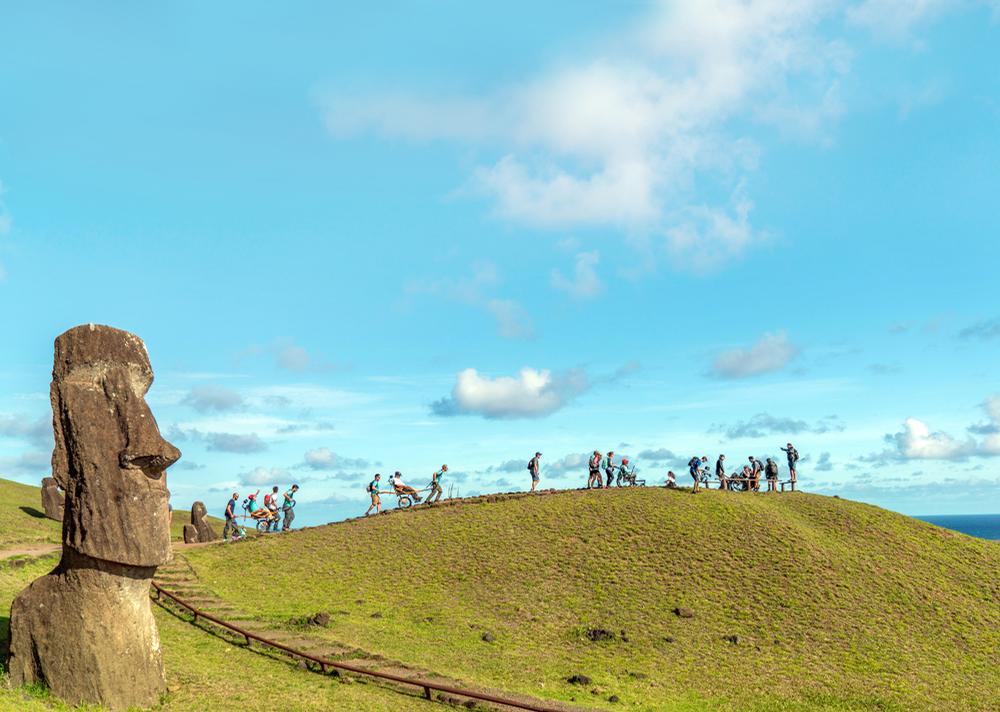
“We looked at how tourists would normally explore the island, which included a bike ride, hikes to archaeological sites, trips to the beach and scuba diving. We then established how we could enable all these experiences for people with disabilities,” explains Silberstein.
“We took a range of equipment to the island, including special bikes, a hiking chair and beach-compatible wheelchairs. We then trained two scuba diving instructors on how to assist people with different disabilities to take part.
“We also found accessible accommodation and ways to transport our customers to locations around the island.”
From there, the company expanded its reach across the Americas, with trips across both continents to Chile, Mexico, Peru, Hawaii and California. Wheel the World would later introduce a safari experience in Tanzania.
“The goal for us is to become the marketplace for accessible travel and to connect people with disabilities,” says Silberstein. “We’re continuing to create experiences from scratch as we have done in multiple locations now and we’re also partnering with local operators who already offer services to people with disabilities so we can promote these things as well.”
Life-changing Depending on the experience, costs can range anywhere from US$100 to US$8,000, though the average cost works out at around US$1,000 per person. According to Silberstein, the experiences are worth every penny.
“It’s very emotional for our clients,” he says. “From first-hand experience with my trip to Patagonia, you never think that kind of experience will be available to you. To have an adventure in somewhere like that, realising that it’s possible and being there in the middle of nature exploring that beautiful place with your friends, it’s super special and that’s why I committed full time to building this organisation.”
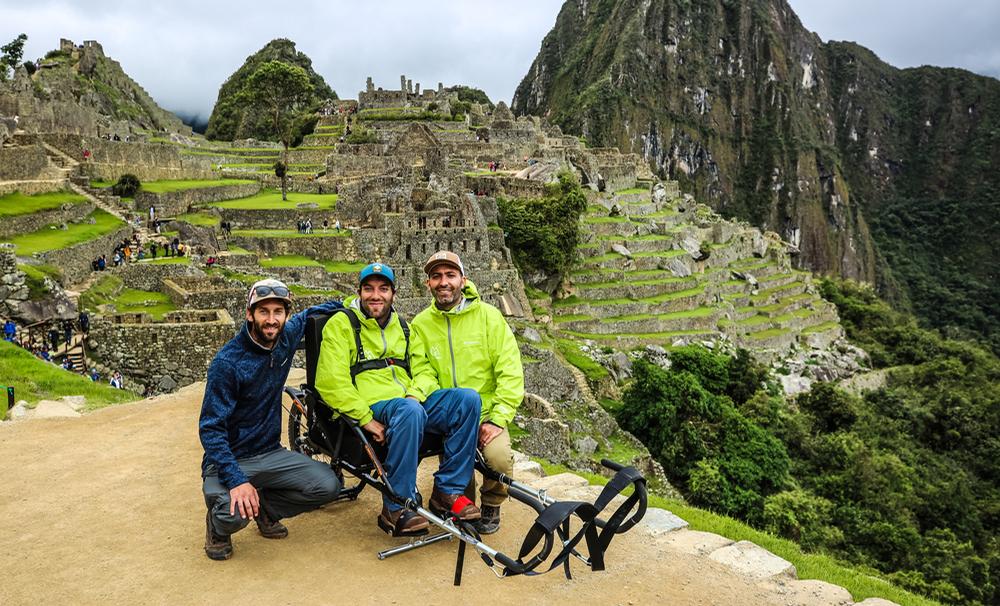
Eye in the sky Wheel the World recently made headlines by creating an accessible tour set high in the Andes Mountains of Peru to the ancient Incan citadel of Machu Picchu.
One of the seven wonders of the world, the Unesco World Heritage Site was previously very difficult or impossible to access for many disabled visitors. The experience created by Wheel the World means the site is more accessible than ever before to disabled visitors, with the tour allowing them to explore the sanctuary in places that would have previously proved impossible.
The entire experience lasts a total of five days, starting with an accessible tour of Cusco city on day one.
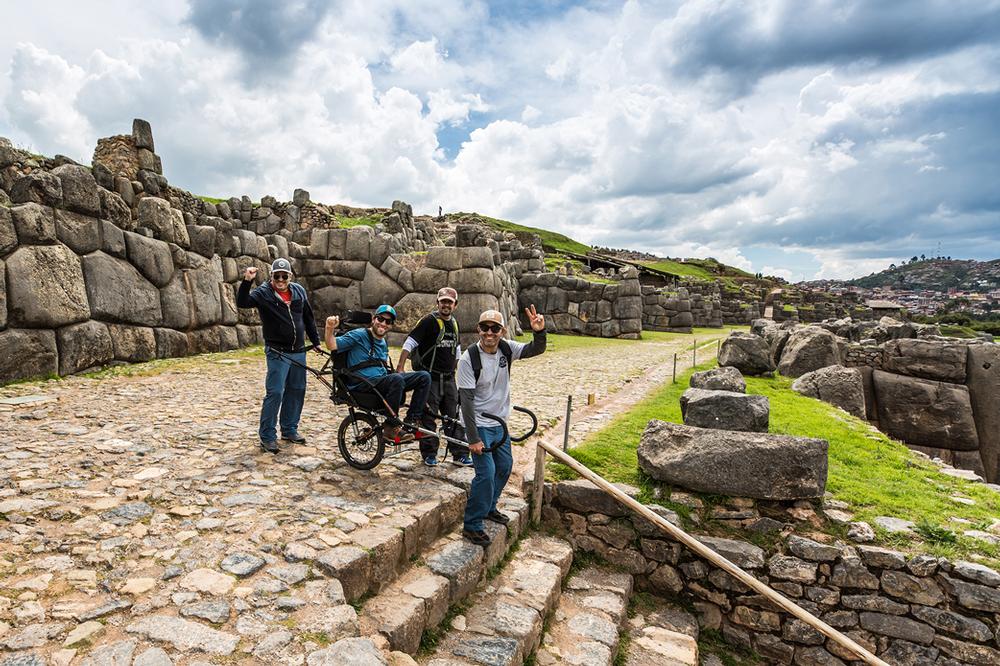
On the second day, guests travel to the Inca Ceremonial Center of Sacsayhuaman. Using the special hiking wheelchair to travel to the top of the citadel with trained tour operators. From there, they can observe a special view of Cusco from high up in the surrounding hills.
For day three, visitors explore the Sacred Valley for a day using accessible bikes, ending their journey with a stay in an accessible hotel in the valley.
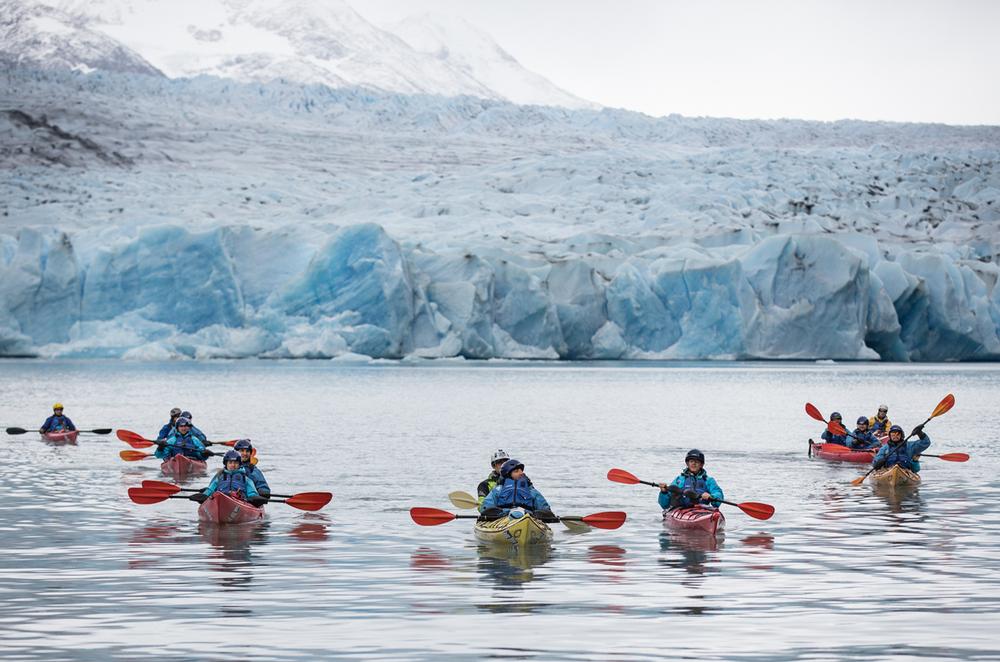
On the final day, they embark on a three-hour train journey to Machu Picchu. They then climb to the summit using hiking wheelchairs, spending three hours on-site, before returning to Cusco. There is an additional optional fifth day, where guests can choose to visit a lake in the Sacred Valley for a kayaking experience using adaptive kayaks.
“We’ve found a way to give disabled visitors the chance to have a fun and interesting experience that allows you to explore much more of the sanctuary in a safe and more accessible way,” says Silberstein. “Using these different technologies makes it possible. We want to make these experiences available to as many people as possible.”
Challenges and successes Doing something in areas where similar feats have never or rarely been attempted has presented new challenges to Wheel the World. Not only did Silberstein and Navarro have to strategically plan out each trip with accessibility at the forefront of everything, but they also had to convince authorities that it was viable for repeat trips.
“Getting the people who run things like national parks and travel attractions to collaborate with us is the main challenge we continue to face,” explains Silberstein.
“There’s a range of equipment if you don’t want to modify your infrastructure. It’s about providing the right information to accommodate these visitors and to make services more accessible.
“We want to inspire accessibility everywhere. It’s not just one organisation doing this. It’s about getting the governments and different organisations related to tourism to commit as well.”
Future plans Looking forward, within the next few months, Wheel the World will launch new trips in Maui, Costa Rica and the Galapagos Islands, with even more projects planned for the future.
In its first year, the company has successfully had more than 500 disabled customers travel to experience exotic locations all over the world. For Silberstein, it’s the reason he started the business, replicating the emotions he felt for thousands of people in the future.
“In one year, hundreds of people have travelled to places they wouldn’t have thought possible,” he says. “What makes us really proud and happy is when we have a new customer go to a place that they wouldn’t have been able to otherwise. I love to hear from them about these amazing experiences in these extraordinary places they’ve travelled.
“We have a special purpose – to empower people with disabilities to explore the world without limits. We want to inspire accessibility everywhere.”
The Technology
The Joëlette
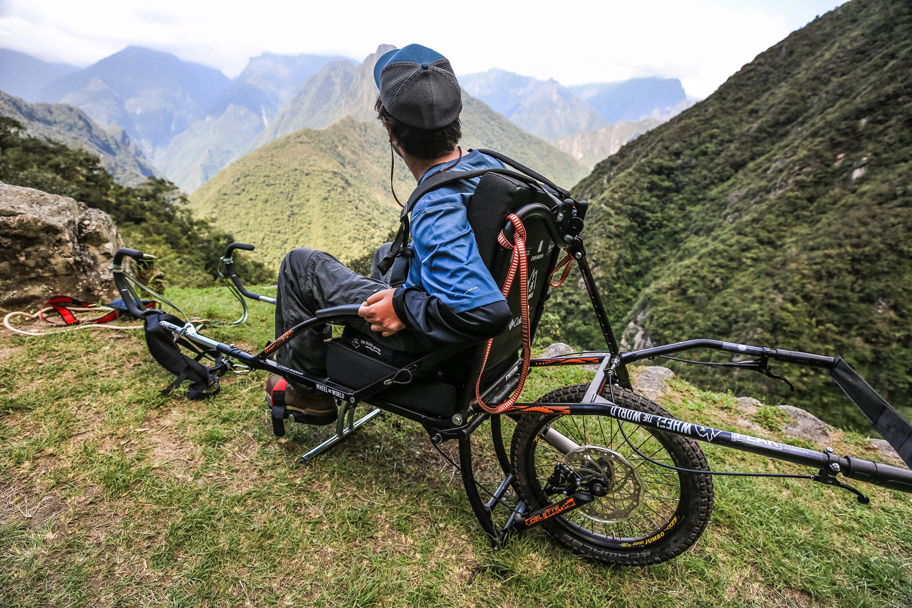
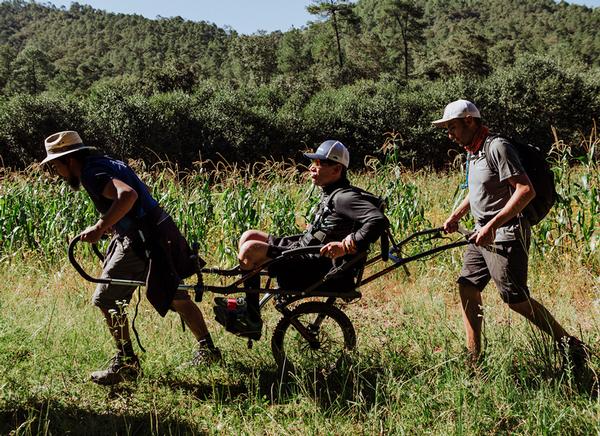
The primary model for Wheel the World’s trips, the Joëltette is an all-terrain one-wheeled chair that enables any person with reduced mobility or disability to take part in hiking excursions or running activities with the help of two guides.
To operate the chair, the rear guide handles balance, while the front controls traction and steers.
Designed for both family outings and more intense sports and recreation, the chair offers users access to significantly rougher terrain that a classic wheelchair couldn’t handle. The chairs have suspension and disc brakes, so you can go downhill in a safe and controlled way.
The design is also compact and folds down into an easily transportable size.
Force G Handcycle
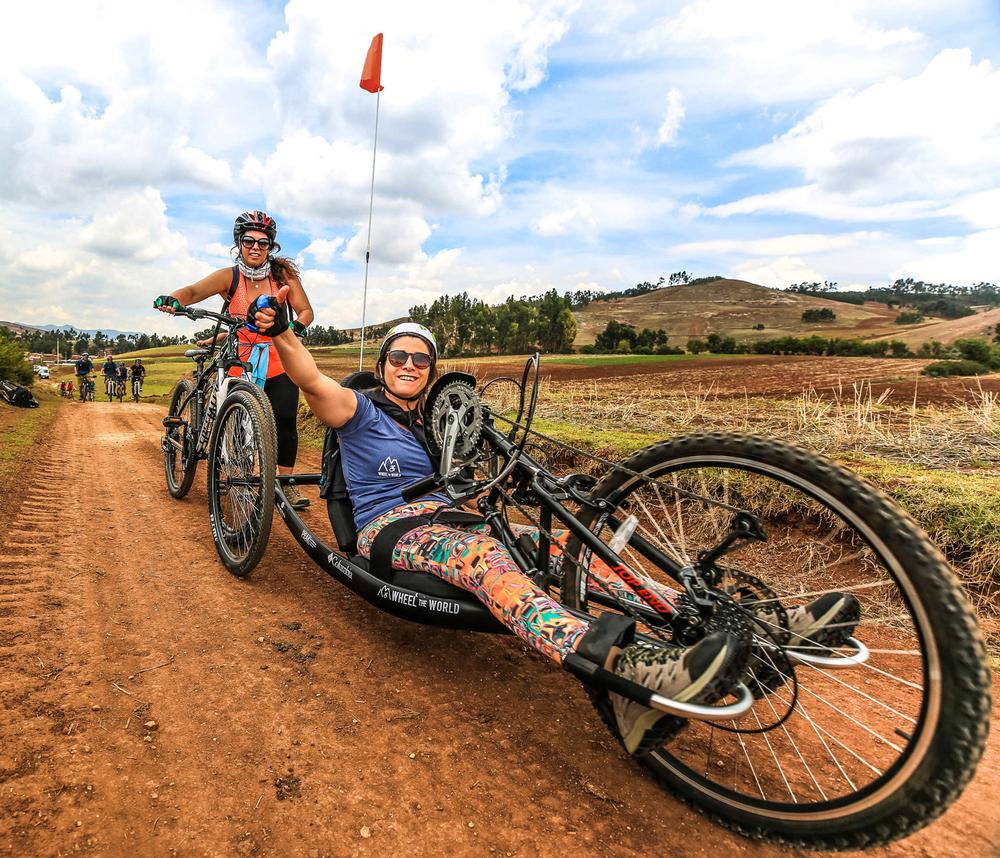
The Force G handcycle’s aerodynamic design offers an adjustable seat suitable for people with a range of disabilities and is designed specifically for people with lower body paraplegia or amputees. Riders use their hands to pedal and steer instead of their legs.
Beach Wheelchair
The beach wheelchair is an ideal aid for use on sand and in water. Designed to be simple, highly portable and submersible with no parts to rust or corrode, the chair can easily go from land to sea and comes with inflatable collars, inflatable footrests and beach wheelchair sun canopies.
Mountain Trike
An all-terrain, self-propelled chair, the Mountain Trike is ideal for outdoor use. For those who find it difficult to self propel the model can be converted into an electric eTrike. Comes with suspension and disc brakes for ultimate control.
Grit Freedom Chair
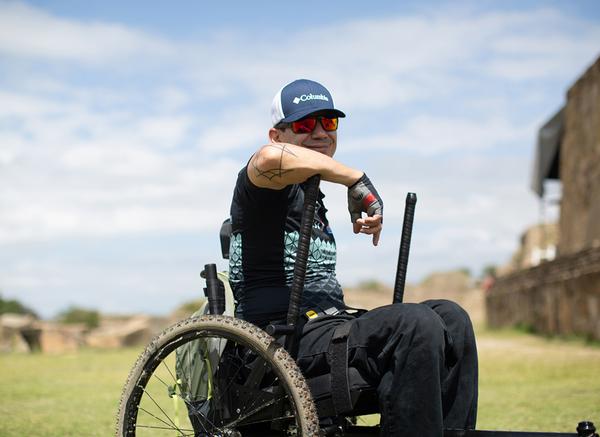
Developed by MIT engineers, this easy-to-push, lever-driven wheelchair comes armed with rugged mountain bike wheels, a big, sturdy front wheel that doesn’t get stuck, and optional trail handles, allowing users to make their own path through difficult terrain.
Some of the world’s most famous sites are now accessible for people with different disabilities
Read more from this issue of Spa Business magazine
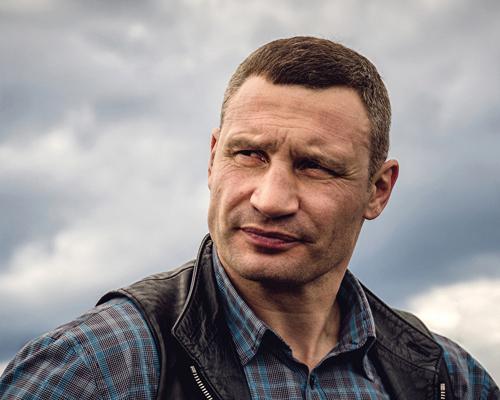
People profile: Vitali Klitschko
With the help of Europa Park, the multi-time boxing champion turned politician dreams up theme park plan for Kyiv, Ukraine
Rides: Art Attack
We look at major ride openings at
visitor attractions across the globe
Top team: Made in China
The birthplace of William
Shakespeare will be recreated at
the home of China’s most famous
playwright. We speak to the team
behind the ambitious project
Promotional feature: Animalive - Lights, camera, action!
Animalive is a premier manufacturer of interactive animation products.
Its founder, Ali Kord, explains how its recent joint venture will
take the company’s award-winning products to the next level
Museums: Day out at the museum
The Network of European Museum
Organisations has launched a Political
Internships scheme. We speak to
the programme’s creator about what
this could mean for museums
Promotional feature: Red Raion - Building a new IP
Red Raion, the CGI studio specialised in media based attractions, has
collaborated with Unlimited Leisure Holdings to create a new 4D movie, which
will be presented at Unlimited Snow’s newest park
Show report: Global Appeal
TEA Summit and SATE Europe
Christine Kerr reports from the TEA’s
Summit, Thea Awards and SATE Europe
Interview: Pure Imagication
Adlabs Imagica is India’s largest
theme park destination. Its joint
CEO speaks to Kath Hudson
The Spa Life UK Convention returns from 21–23 June 2026 at Whittlebury Park Hotel, Spa &
Golf Resort, bringing together spa managers, directors and owners for two days of focused
education, meaningful connection and commercial insight. [more...]
+ More featured suppliers
COMPANY PROFILES
Spa Supply Solutions
Founded in 2014 by spa management expert Julie Bevilacqua, Spa Supply Solutions is a leader in spa p [more...]
Lovinfit Group
Lovinfit Group was founded in Parma, Italy in 2016 by a team of doctors, wellness and sports profess [more...]
Bringing together a passionate community of explorers, Wheel the World is opening new doors for disability tourism. Its co-founder, Alvaro Silberstein, speaks to Attractions Management about the company, his story and the organisation’s grand plans to bring accessible tourism to the mainstream
By Tom Anstey | Published in Attractions Management 2019 issue 2
Alvaro Silberstein, a wheelchair user himself, founded Wheel the World as a way to offer accessible tourism to all
Alvaro Silberstein has been a wheelchair user since the age of 18. Now 33 years old, the Chilean says he’s always pushed himself to make his life as normal as possible.
Wanting to explore the world and visit wild tourist destinations, one location – Torres del Paine National Park in Patagonia, Chile – had always been a special dream of his.
A few years ago, his best friend, Camillo Navarro, approached him to see if the pair could feasibly organise a trip to the destination. They contacted several tour operators and local travel services, who told them they had never seen a wheelchair being used in the park.
To make their dream a reality, the duo would have to do some extended research, which led to the discovery of a specially manufactured wheelchair specifically for traversing rough terrain – the Joëlette.
“The technology would allow us to do the W Trek – a five-day hike along Torres del Paine’s most famous route,” says Alvaro. “But it was expensive, costing US$8,000 to buy and ship it there and we didn’t have that kind of money.”
To raise the necessary funds, Silberstein and Navarro decided to transform the trip into a project, fundraising the venture through a series of sponsors. Setting out with a plan to purchase and leave the equipment behind, also training local guides on how to use the technology so the experience could be repeated, Silberstein and Navarro went on the life-changing adventure.
“It was amazing for me, for my friends and for people who worked in the travel industry in Patagonia because we didn’t know if it would be possible,” he says.
“We filmed a low-cost documentary telling our story. As a result, our plans went viral on social media and we started receiving requests from people all over the world wanting to take the trip themselves.
“We started organising trips for others purely because we wanted them to enjoy the amazing experience we did. Not long after, we co-founded Wheel the World.”
Empowering expansion With a goal to “empower people with disabilities to explore the world without limits”, in 2018, Wheel the World started replicating what Silberstein and Navarro had done in Patagonia, repeating the process with other wild travel destinations in South America – starting with Easter Island.
“We looked at how tourists would normally explore the island, which included a bike ride, hikes to archaeological sites, trips to the beach and scuba diving. We then established how we could enable all these experiences for people with disabilities,” explains Silberstein.
“We took a range of equipment to the island, including special bikes, a hiking chair and beach-compatible wheelchairs. We then trained two scuba diving instructors on how to assist people with different disabilities to take part.
“We also found accessible accommodation and ways to transport our customers to locations around the island.”
From there, the company expanded its reach across the Americas, with trips across both continents to Chile, Mexico, Peru, Hawaii and California. Wheel the World would later introduce a safari experience in Tanzania.
“The goal for us is to become the marketplace for accessible travel and to connect people with disabilities,” says Silberstein. “We’re continuing to create experiences from scratch as we have done in multiple locations now and we’re also partnering with local operators who already offer services to people with disabilities so we can promote these things as well.”
Life-changing Depending on the experience, costs can range anywhere from US$100 to US$8,000, though the average cost works out at around US$1,000 per person. According to Silberstein, the experiences are worth every penny.
“It’s very emotional for our clients,” he says. “From first-hand experience with my trip to Patagonia, you never think that kind of experience will be available to you. To have an adventure in somewhere like that, realising that it’s possible and being there in the middle of nature exploring that beautiful place with your friends, it’s super special and that’s why I committed full time to building this organisation.”
Eye in the sky Wheel the World recently made headlines by creating an accessible tour set high in the Andes Mountains of Peru to the ancient Incan citadel of Machu Picchu.
One of the seven wonders of the world, the Unesco World Heritage Site was previously very difficult or impossible to access for many disabled visitors. The experience created by Wheel the World means the site is more accessible than ever before to disabled visitors, with the tour allowing them to explore the sanctuary in places that would have previously proved impossible.
The entire experience lasts a total of five days, starting with an accessible tour of Cusco city on day one.
On the second day, guests travel to the Inca Ceremonial Center of Sacsayhuaman. Using the special hiking wheelchair to travel to the top of the citadel with trained tour operators. From there, they can observe a special view of Cusco from high up in the surrounding hills.
For day three, visitors explore the Sacred Valley for a day using accessible bikes, ending their journey with a stay in an accessible hotel in the valley.
On the final day, they embark on a three-hour train journey to Machu Picchu. They then climb to the summit using hiking wheelchairs, spending three hours on-site, before returning to Cusco. There is an additional optional fifth day, where guests can choose to visit a lake in the Sacred Valley for a kayaking experience using adaptive kayaks.
“We’ve found a way to give disabled visitors the chance to have a fun and interesting experience that allows you to explore much more of the sanctuary in a safe and more accessible way,” says Silberstein. “Using these different technologies makes it possible. We want to make these experiences available to as many people as possible.”
Challenges and successes Doing something in areas where similar feats have never or rarely been attempted has presented new challenges to Wheel the World. Not only did Silberstein and Navarro have to strategically plan out each trip with accessibility at the forefront of everything, but they also had to convince authorities that it was viable for repeat trips.
“Getting the people who run things like national parks and travel attractions to collaborate with us is the main challenge we continue to face,” explains Silberstein.
“There’s a range of equipment if you don’t want to modify your infrastructure. It’s about providing the right information to accommodate these visitors and to make services more accessible.
“We want to inspire accessibility everywhere. It’s not just one organisation doing this. It’s about getting the governments and different organisations related to tourism to commit as well.”
Future plans Looking forward, within the next few months, Wheel the World will launch new trips in Maui, Costa Rica and the Galapagos Islands, with even more projects planned for the future.
In its first year, the company has successfully had more than 500 disabled customers travel to experience exotic locations all over the world. For Silberstein, it’s the reason he started the business, replicating the emotions he felt for thousands of people in the future.
“In one year, hundreds of people have travelled to places they wouldn’t have thought possible,” he says. “What makes us really proud and happy is when we have a new customer go to a place that they wouldn’t have been able to otherwise. I love to hear from them about these amazing experiences in these extraordinary places they’ve travelled.
“We have a special purpose – to empower people with disabilities to explore the world without limits. We want to inspire accessibility everywhere.”
The Technology
The Joëlette
The primary model for Wheel the World’s trips, the Joëltette is an all-terrain one-wheeled chair that enables any person with reduced mobility or disability to take part in hiking excursions or running activities with the help of two guides.
To operate the chair, the rear guide handles balance, while the front controls traction and steers.
Designed for both family outings and more intense sports and recreation, the chair offers users access to significantly rougher terrain that a classic wheelchair couldn’t handle. The chairs have suspension and disc brakes, so you can go downhill in a safe and controlled way.
The design is also compact and folds down into an easily transportable size.
Force G Handcycle
The Force G handcycle’s aerodynamic design offers an adjustable seat suitable for people with a range of disabilities and is designed specifically for people with lower body paraplegia or amputees. Riders use their hands to pedal and steer instead of their legs.
Beach Wheelchair
The beach wheelchair is an ideal aid for use on sand and in water. Designed to be simple, highly portable and submersible with no parts to rust or corrode, the chair can easily go from land to sea and comes with inflatable collars, inflatable footrests and beach wheelchair sun canopies.
Mountain Trike
An all-terrain, self-propelled chair, the Mountain Trike is ideal for outdoor use. For those who find it difficult to self propel the model can be converted into an electric eTrike. Comes with suspension and disc brakes for ultimate control.
Grit Freedom Chair
Developed by MIT engineers, this easy-to-push, lever-driven wheelchair comes armed with rugged mountain bike wheels, a big, sturdy front wheel that doesn’t get stuck, and optional trail handles, allowing users to make their own path through difficult terrain.
Some of the world’s most famous sites are now accessible for people with different disabilities
Read more from this issue of Spa Business magazine
People profile: Vitali Klitschko
With the help of Europa Park, the multi-time boxing champion turned politician dreams up theme park plan for Kyiv, Ukraine
Rides: Art Attack
We look at major ride openings at
visitor attractions across the globe
Top team: Made in China
The birthplace of William
Shakespeare will be recreated at
the home of China’s most famous
playwright. We speak to the team
behind the ambitious project
Promotional feature: Animalive - Lights, camera, action!
Animalive is a premier manufacturer of interactive animation products.
Its founder, Ali Kord, explains how its recent joint venture will
take the company’s award-winning products to the next level
Museums: Day out at the museum
The Network of European Museum
Organisations has launched a Political
Internships scheme. We speak to
the programme’s creator about what
this could mean for museums
Promotional feature: Red Raion - Building a new IP
Red Raion, the CGI studio specialised in media based attractions, has
collaborated with Unlimited Leisure Holdings to create a new 4D movie, which
will be presented at Unlimited Snow’s newest park
Show report: Global Appeal
TEA Summit and SATE Europe
Christine Kerr reports from the TEA’s
Summit, Thea Awards and SATE Europe
Interview: Pure Imagication
Adlabs Imagica is India’s largest
theme park destination. Its joint
CEO speaks to Kath Hudson
Global Wellness Day (GWD) marked its 15th anniversary on Saturday 13 June 2026, with the
theme: #JoyMagenta – a celebration of the healing qualities of simple gestures and activities
that spark joy.
Global luxury hospitality brand, Six Senses, has partnered with longevity healthcare provider,
HUM2N, to launch a clinic at Six Senses London, at The Whiteley.
As part of its first hotel partnership, Mayrlife – the medical health resort company known for its
site in Altaussee, Austria – has launched a day clinic at the Rosewood Vienna.
Premium London health club, KX Chelsea, will imminently unveil its most significant
redevelopment since its launch in 2002 to create an integrated wellness model combining
training, recovery and relaxation.
Rosewood Le Guanahani St Barth, on the northeast coast of Saint Barthélemy in the French
West Indies, is offering a programme of ocean-inspired yoga classes between 8-14 June to
celebrate Global Wellness Day (GWD).
Hotel de France, located on the British Isle of Jersey, has created a wellness retreat package
that includes a hot yoga session that will take place in Jersey Zoo’s butterfly sanctuary.
The Ritz-Carlton, Langkawi, in Malaysia, has revealed a schedule for Global Wellness Day
(GWD) that includes guided rainforest walks, mindful movement and guided coastal meditation
experiences.
Longevitix, a clinical platform for preventive and longevity medicine, has launched its AI-
powered intelligence system to help physicians deliver continuous, personalised longevity-
focused care at scale.
Atmantan Wellness Centre, an integrative wellness destination in Mulshi, near Pune in India, is
expanding its portfolio by adding a new centre in Hyderabad that will launch between 2028 and
2029.
The Spa Life UK Convention returns from 21–23 June 2026 at Whittlebury Park Hotel, Spa &
Golf Resort, bringing together spa managers, directors and owners for two days of focused
education, meaningful connection and commercial insight. [more...]
+ More featured suppliers
COMPANY PROFILES
Spa Supply Solutions Founded in 2014 by spa management expert Julie Bevilacqua, Spa Supply Solutions is a leader in spa p [more...]