Yes! Send me the FREE digital editions of Spa Business and Spa Business insider magazines and the FREE weekly Spa Business and Spa Business insider ezines and breaking news alerts!
After bringing multiplex cinemas and Imax to India, film
industry entrepreneur Manmohan Shetty broke ground in
the theme park industry in 2013 when he launched Adlabs
Imagica, the country’s largest destination theme park.
Joint CEO Dhimant Bakshi, shares the story with Kath Hudson
By Kath Hudson | Published in Attractions Management 2019 issue 2
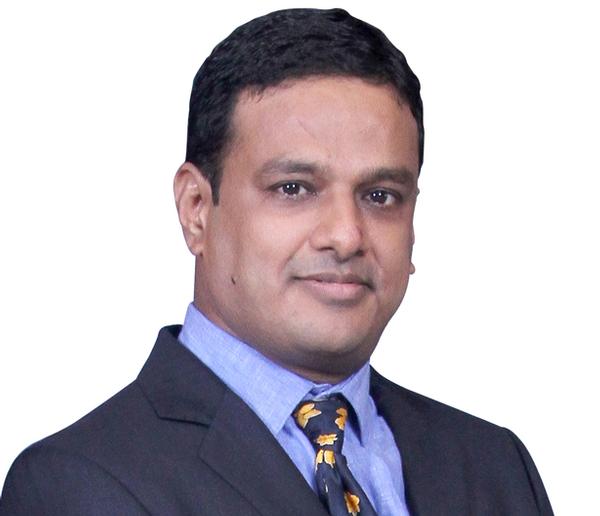
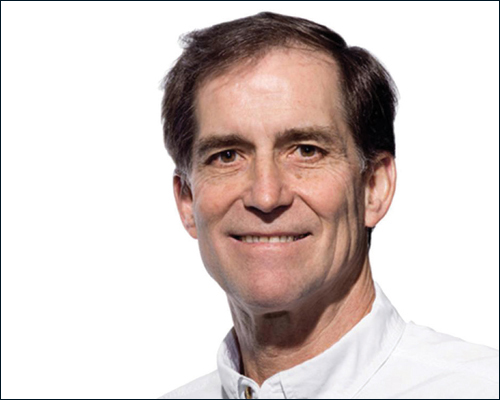
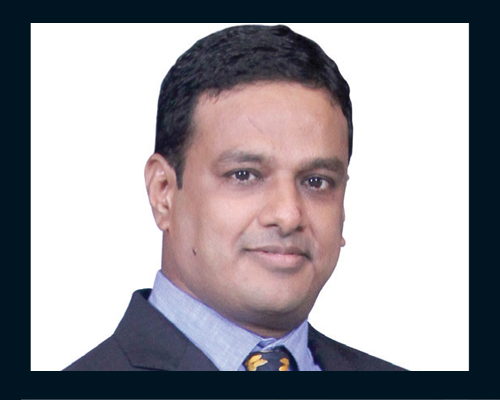
Dhimant Bakshi has been joint CEO of Adlabs Entertainment since September 2017
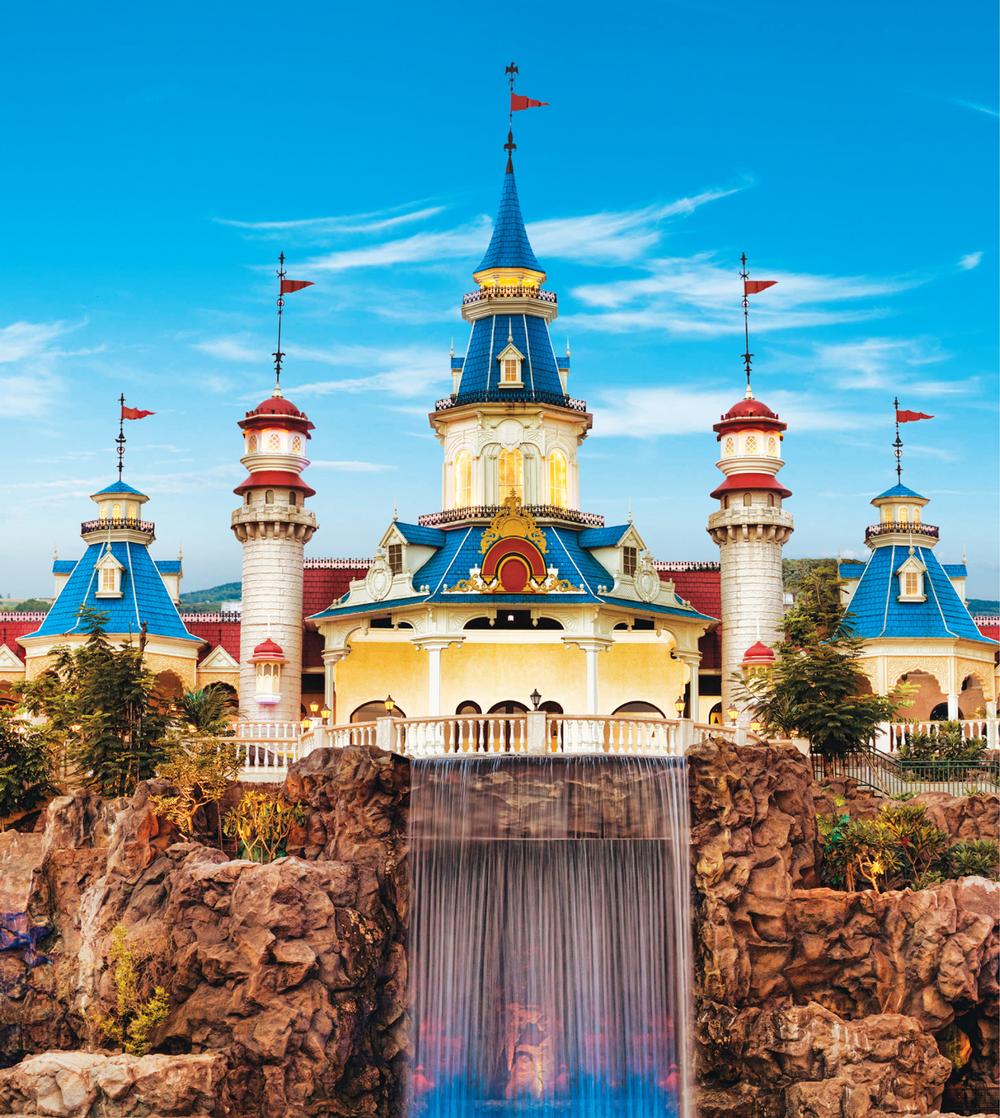
A massively ambitious project, Adlabs Imagica was inspired by entrepreneur, Manmohan Shetty’s, trip to Disneyland. He asked himself why nothing on that scale existed in his homeland and then decided to create the largest theme park in India, with the development between Mumbai and Pune spanning a 1.2sq km site.
“Mr Shetty loves to build an oasis in a desert,” says Dhimant Bakshi. “After 40 years’ experience in the entertainment business, he likes to create innovative entertainment experiences.
“After selling his film processing business, he was looking for a new challenge. It was then he was inspired to build a world-class entertainment destination targeting the people of India and South Asia. India is a large country with many regions and dialects. Imagica is like taking a ride around the country.”
Still in its infancy, India’s amusement and theme park market was even smaller when Shetty gathered a team and started scoping out his proposal: there were around 120 total amusement/waterparks across the country.
“There were no templates to follow in India,” says Bakshi. “Mr Shetty didn’t want to do what other Indian parks were doing. He wanted to create something groundbreaking. His philosophy has always been to think global and act local, so he looked to major operators such as Universal and Disney for his inspiration.”
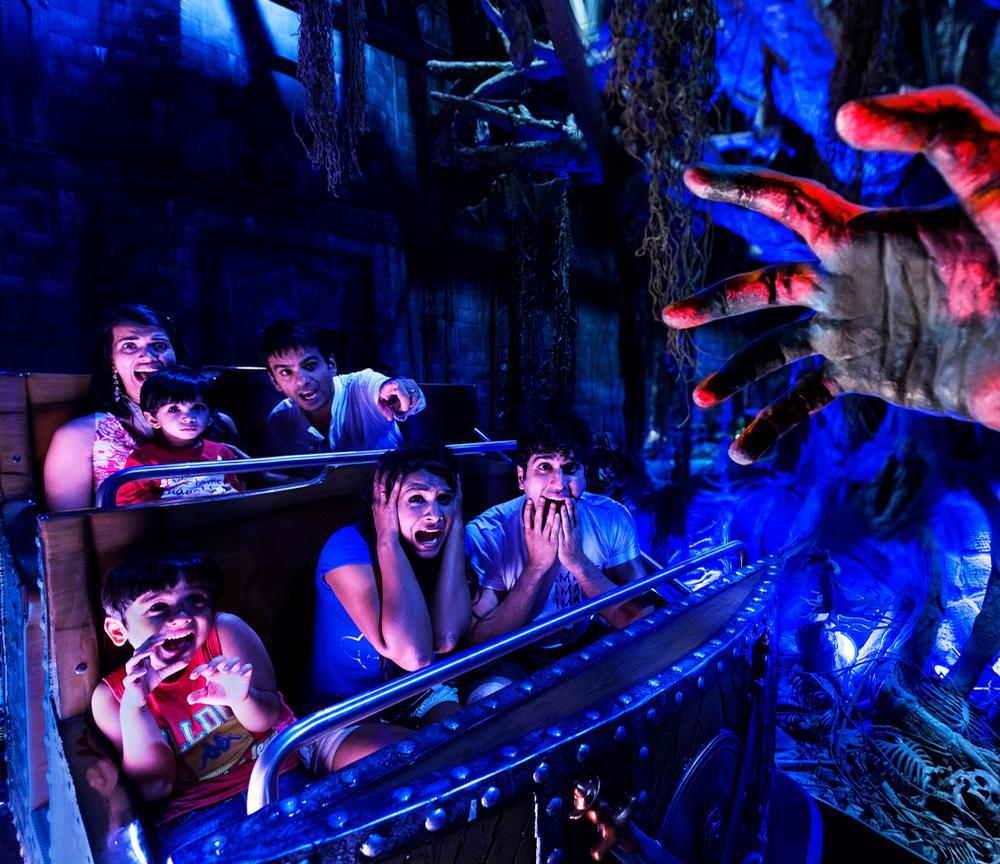
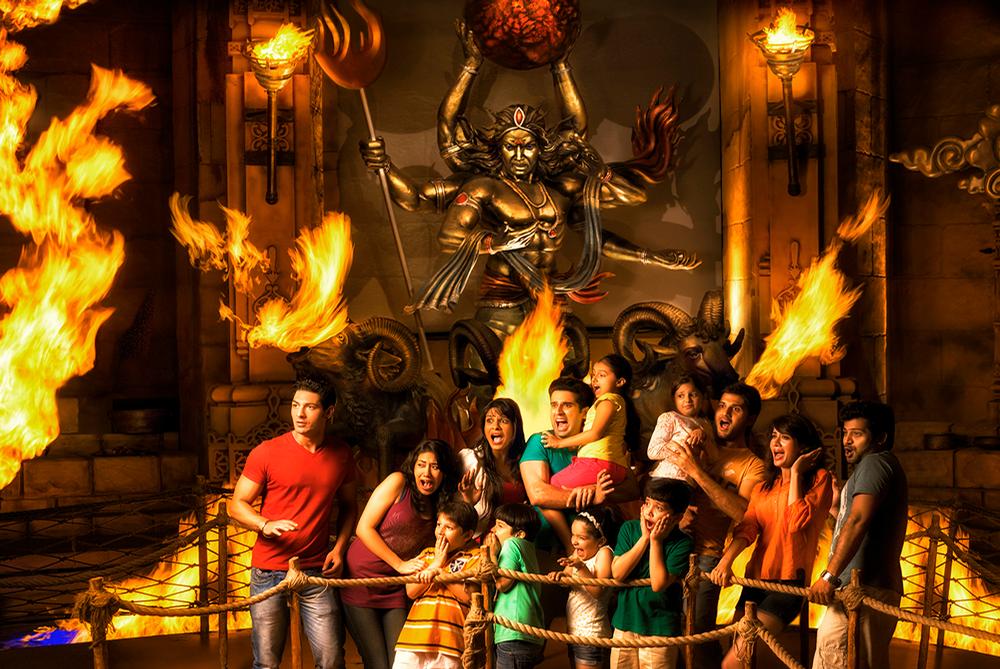
The end result was a park which includes multiple firsts for the country, including the largest indoor snowpark; Mr India, the first motion simulator ride; Deep Space, the first indoor dark rollercoaster and Hot Wheels Nitro, India’s biggest and longest rollercoaster, (132ft high with a track length of 2,800ft). Shetty’s film industry experience was put to good use with the content generation, all of which was in-house and targeted to suit the market. For example, Mr India, the E2M-manufactured simulator is a Bollywood version of The Simpsons ride at Universal Orlando.
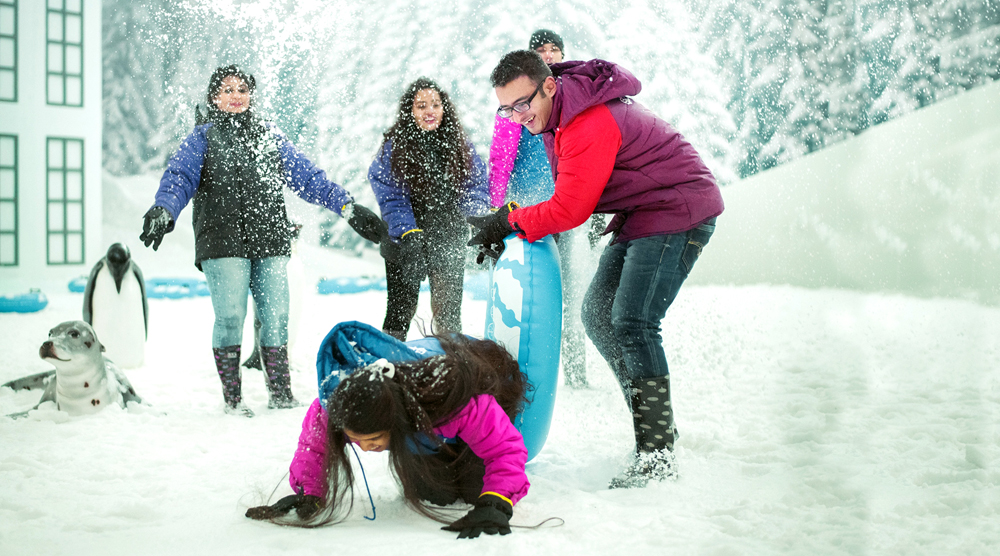
Snowparks aren’t a completely new concept in India: there are a handful of small scale snowparks in mall-based FECs, but at 15,000sq ft (1,400sq m), this is India’s largest, featuring real snow for people to play and sledge on. “Most regions of India don’t get any snow at all, so people get very excited and indulge in snowball fights,” says Bakshi.
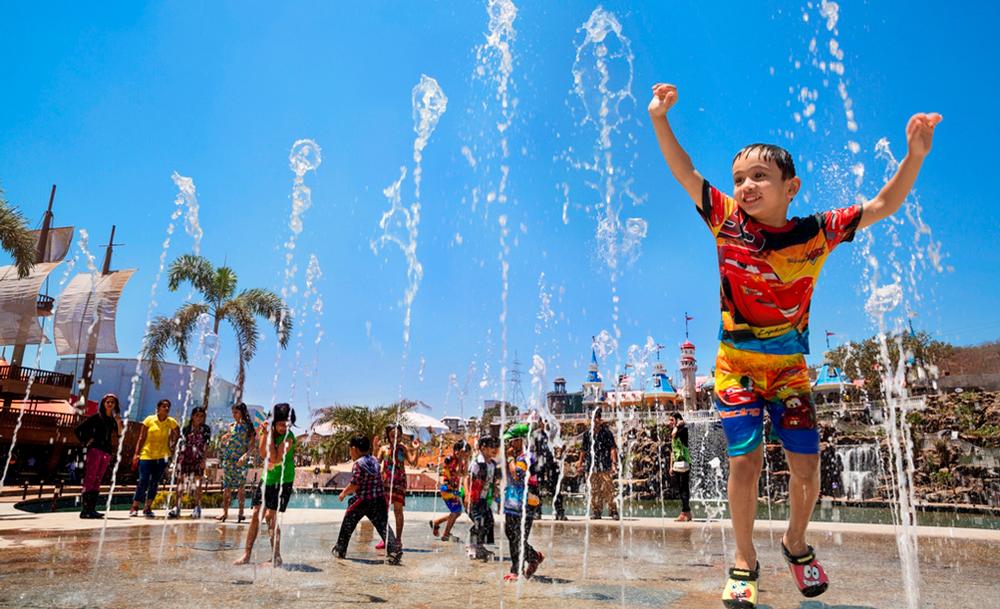
The same investment and innovation has been applied to the themed waterpark, which at more than 65,000sq m (700,000sq ft) is, again, India’s finest. “It offers a real immersive fun experience, with a large wave pool, aqua funnel, best in class slides from WhiteWater West and Polin, and a lazy river,” says Bakshi.
Another USP for the park is Imagica’s extensive high-quality food and beverage operation, offering multiple cuisines and taking into account religious sensibilities and allergies. “With everything, we have applied the principle of think global, act local,” says Bakshi. “So, although we have an extensive Indian option, we also have Indo-African, BBQ, Chinese, Thai and an American diner. Southern Indian cuisine is the most popular, followed by Italian – pizzas and pasta are very popular with children visiting the park.”
Educating the market However, breaking new ground does come with many challenges, including educating the market – who do not know the difference between an amusement park and a theme park – and also finding staff. Only two members of the original team had any previous theme park experience.
“Over the past six years, we have really learned how complex the business is,” says Bakshi. “We have had to learn granularly and be nimble. We have visited many major parks for a deeper understanding of operations, before coming home to adapt it to the local market.”
Although people in the industry have been friendly and welcoming, they haven’t been very forthcoming with sharing information or data, says Bakshi, who adds that there is a need for collaboration and building synergies, which the Indian Association Of Amusement Parks And Industries (IAAPI) is currently striving to achieve.
“Collaborating more, particularly on subjects such as service standards, technology and safety would be good” he says. “Safety is an important topic for us. Because theme parks are so new to Indian culture, we’ve had to work hard to make our visitors feel comfortable and communicate our safety standards and protocols to them.”
Culture shock As well as the theme park industry being in its infancy in India, leisure time is less defined in South Asia than in the west. Many people still work a six-day week and only have two weeks holiday a year, so their free time is often focussed around festivities with family and friends. Larger companies, however, are now beginning to introduce two day weekends.
In terms of competition, Imagica sees itself as competing with parks in Singapore, Hong Kong and Dubai, which geographically are the closest comparable parks. However, its ticket price is around one-third of the price of its international players.
“Our target market is middle and upper-middle-class families and young couples. We draw large numbers of visitors from Mumbai and Pune, which are 90 minutes away and around 13 per cent will stay for one or two nights at the hotel,” says Bakshi. “For the next three to five years we will be focussing on activating the domestic and South Asia market. To draw visitors from places such as the UK or US is still quite a long way away for us.”
With such a large initial investment and with more work still to be done to educate and grow audiences from the local market, Bakshi says there is no need for large scale investment for the next four years. “We already offer seven new attractions for the first time in India, so it will take some time for the appeal to wear off,” he says.
Brand power However, what the Imagica team is planning to do is make strategic partnerships with synergistic brands. The operator’s recent partnership with Mattel is a prime example of this. Through the new agreement, Imagica now offers a Hot Wheels-themed rollercoaster – Hot Wheels Nitro – as well the Hot Wheels Driving School, which teaches children the rules and manners of driving a car.
“Both ourselves and Mattel were very excited about this partnership. They have the same brand values as us and there’s plenty of opportunities to leverage the brand,” says Bakshi. “We also have another partnership with a local indigenous character, Chhota Bheem, which is very popular in India and have branded a rollercoaster around this character – a first of its kind association for a theme park in India.”
Imagica has also introduced a novel and unique proposition called Imagica High Street, which allows Imagica Water Park guests to access the theme park and experience the Grand Imagica Parade – a spectacular show with characters and performers dancing through the park, another first for India.
Collaborative partnerships with like-minded companies are something which Imagica is very keen to pursue and indeed another such partnership is underway to create a second park in Amaravati, which is the new capital city of Andhra Pradesh located around 1,000km from Mumbai.
“We have teamed up with a local partner, Riverbay Resort, to create this 73,000sq m (784,000sq ft) park which will have 14 to 16 rides, as well as food and beverage offerings,” says Bakshi. “Unlike Imagica, it won’t be a national scale tourist attraction, but the new park will have local appeal and will be branded differently.
“This will be our smaller template for B towns and cities. We think the opportunity is very large in this space in India and we could probably open six to eight small parks within the next 10 to 12 years through partnerships with other entrepreneurs.”
Regarding the scope to expand the Imagica brand, Bakshi believes there is potential for two to three more destination theme parks in India, all of which would be based in metro cities: “Our plan for the next three years will be to stabilise the business and find out how best to make the next one feasible and then we will announce another location in the next few years.”
Hot Numbers
How much did the park cost?: 16bn INR (US$229.7m)
Ticket prices for adults: 1499 INR, (US$22)
Annual combined visits to the theme park, waterpark and snowpark: 1.7m–1.8m.
How many visitors to date?: 8 million
The park has a 4.4 out of 5 star rating based on more than 45,000 Google reviews
27 per cent of visitors have returned to the destination
The Imagica Snow Park covers 15,000sq ft and generates real snow for visitors to enjoy
Read more from this issue of Spa Business magazine
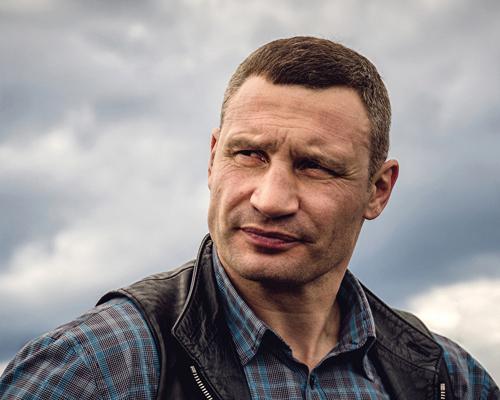
People profile: Vitali Klitschko
With the help of Europa Park, the multi-time boxing champion turned politician dreams up theme park plan for Kyiv, Ukraine
Rides: Art Attack
We look at major ride openings at
visitor attractions across the globe
Top team: Made in China
The birthplace of William
Shakespeare will be recreated at
the home of China’s most famous
playwright. We speak to the team
behind the ambitious project
Promotional feature: Animalive - Lights, camera, action!
Animalive is a premier manufacturer of interactive animation products.
Its founder, Ali Kord, explains how its recent joint venture will
take the company’s award-winning products to the next level
Museums: Day out at the museum
The Network of European Museum
Organisations has launched a Political
Internships scheme. We speak to
the programme’s creator about what
this could mean for museums
Promotional feature: Red Raion - Building a new IP
Red Raion, the CGI studio specialised in media based attractions, has
collaborated with Unlimited Leisure Holdings to create a new 4D movie, which
will be presented at Unlimited Snow’s newest park
Show report: Global Appeal
TEA Summit and SATE Europe
Christine Kerr reports from the TEA’s
Summit, Thea Awards and SATE Europe
Interview: Pure Imagication
Adlabs Imagica is India’s largest
theme park destination. Its joint
CEO speaks to Kath Hudson
Contrast therapy, based on the alternation of hot and cold rituals, has become one of the
most valued practices in the fields of wellness and recovery. [more...]
The MSpa Oslo series is a perennial bestseller in global markets. With innovative
engineering and premium performance, this completely portable spa line-up is expertly
designed to meet the needs of customers worldwide. [more...]
+ More featured suppliers
COMPANY PROFILES
FIBO
FIBO is the international platform for fitness, wellness and health. During four days, FIBO connects [more...]
The Wellness
Founded in 2007, headquartered in Dubai and based in Hong Kong and Singapore, The Wellness is an int [more...]
After bringing multiplex cinemas and Imax to India, film
industry entrepreneur Manmohan Shetty broke ground in
the theme park industry in 2013 when he launched Adlabs
Imagica, the country’s largest destination theme park.
Joint CEO Dhimant Bakshi, shares the story with Kath Hudson
By Kath Hudson | Published in Attractions Management 2019 issue 2
Dhimant Bakshi has been joint CEO of Adlabs Entertainment since September 2017
A massively ambitious project, Adlabs Imagica was inspired by entrepreneur, Manmohan Shetty’s, trip to Disneyland. He asked himself why nothing on that scale existed in his homeland and then decided to create the largest theme park in India, with the development between Mumbai and Pune spanning a 1.2sq km site.
“Mr Shetty loves to build an oasis in a desert,” says Dhimant Bakshi. “After 40 years’ experience in the entertainment business, he likes to create innovative entertainment experiences.
“After selling his film processing business, he was looking for a new challenge. It was then he was inspired to build a world-class entertainment destination targeting the people of India and South Asia. India is a large country with many regions and dialects. Imagica is like taking a ride around the country.”
Still in its infancy, India’s amusement and theme park market was even smaller when Shetty gathered a team and started scoping out his proposal: there were around 120 total amusement/waterparks across the country.
“There were no templates to follow in India,” says Bakshi. “Mr Shetty didn’t want to do what other Indian parks were doing. He wanted to create something groundbreaking. His philosophy has always been to think global and act local, so he looked to major operators such as Universal and Disney for his inspiration.”
The end result was a park which includes multiple firsts for the country, including the largest indoor snowpark; Mr India, the first motion simulator ride; Deep Space, the first indoor dark rollercoaster and Hot Wheels Nitro, India’s biggest and longest rollercoaster, (132ft high with a track length of 2,800ft). Shetty’s film industry experience was put to good use with the content generation, all of which was in-house and targeted to suit the market. For example, Mr India, the E2M-manufactured simulator is a Bollywood version of The Simpsons ride at Universal Orlando.
Snowparks aren’t a completely new concept in India: there are a handful of small scale snowparks in mall-based FECs, but at 15,000sq ft (1,400sq m), this is India’s largest, featuring real snow for people to play and sledge on. “Most regions of India don’t get any snow at all, so people get very excited and indulge in snowball fights,” says Bakshi.
The same investment and innovation has been applied to the themed waterpark, which at more than 65,000sq m (700,000sq ft) is, again, India’s finest. “It offers a real immersive fun experience, with a large wave pool, aqua funnel, best in class slides from WhiteWater West and Polin, and a lazy river,” says Bakshi.
Another USP for the park is Imagica’s extensive high-quality food and beverage operation, offering multiple cuisines and taking into account religious sensibilities and allergies. “With everything, we have applied the principle of think global, act local,” says Bakshi. “So, although we have an extensive Indian option, we also have Indo-African, BBQ, Chinese, Thai and an American diner. Southern Indian cuisine is the most popular, followed by Italian – pizzas and pasta are very popular with children visiting the park.”
Educating the market However, breaking new ground does come with many challenges, including educating the market – who do not know the difference between an amusement park and a theme park – and also finding staff. Only two members of the original team had any previous theme park experience.
“Over the past six years, we have really learned how complex the business is,” says Bakshi. “We have had to learn granularly and be nimble. We have visited many major parks for a deeper understanding of operations, before coming home to adapt it to the local market.”
Although people in the industry have been friendly and welcoming, they haven’t been very forthcoming with sharing information or data, says Bakshi, who adds that there is a need for collaboration and building synergies, which the Indian Association Of Amusement Parks And Industries (IAAPI) is currently striving to achieve.
“Collaborating more, particularly on subjects such as service standards, technology and safety would be good” he says. “Safety is an important topic for us. Because theme parks are so new to Indian culture, we’ve had to work hard to make our visitors feel comfortable and communicate our safety standards and protocols to them.”
Culture shock As well as the theme park industry being in its infancy in India, leisure time is less defined in South Asia than in the west. Many people still work a six-day week and only have two weeks holiday a year, so their free time is often focussed around festivities with family and friends. Larger companies, however, are now beginning to introduce two day weekends.
In terms of competition, Imagica sees itself as competing with parks in Singapore, Hong Kong and Dubai, which geographically are the closest comparable parks. However, its ticket price is around one-third of the price of its international players.
“Our target market is middle and upper-middle-class families and young couples. We draw large numbers of visitors from Mumbai and Pune, which are 90 minutes away and around 13 per cent will stay for one or two nights at the hotel,” says Bakshi. “For the next three to five years we will be focussing on activating the domestic and South Asia market. To draw visitors from places such as the UK or US is still quite a long way away for us.”
With such a large initial investment and with more work still to be done to educate and grow audiences from the local market, Bakshi says there is no need for large scale investment for the next four years. “We already offer seven new attractions for the first time in India, so it will take some time for the appeal to wear off,” he says.
Brand power However, what the Imagica team is planning to do is make strategic partnerships with synergistic brands. The operator’s recent partnership with Mattel is a prime example of this. Through the new agreement, Imagica now offers a Hot Wheels-themed rollercoaster – Hot Wheels Nitro – as well the Hot Wheels Driving School, which teaches children the rules and manners of driving a car.
“Both ourselves and Mattel were very excited about this partnership. They have the same brand values as us and there’s plenty of opportunities to leverage the brand,” says Bakshi. “We also have another partnership with a local indigenous character, Chhota Bheem, which is very popular in India and have branded a rollercoaster around this character – a first of its kind association for a theme park in India.”
Imagica has also introduced a novel and unique proposition called Imagica High Street, which allows Imagica Water Park guests to access the theme park and experience the Grand Imagica Parade – a spectacular show with characters and performers dancing through the park, another first for India.
Collaborative partnerships with like-minded companies are something which Imagica is very keen to pursue and indeed another such partnership is underway to create a second park in Amaravati, which is the new capital city of Andhra Pradesh located around 1,000km from Mumbai.
“We have teamed up with a local partner, Riverbay Resort, to create this 73,000sq m (784,000sq ft) park which will have 14 to 16 rides, as well as food and beverage offerings,” says Bakshi. “Unlike Imagica, it won’t be a national scale tourist attraction, but the new park will have local appeal and will be branded differently.
“This will be our smaller template for B towns and cities. We think the opportunity is very large in this space in India and we could probably open six to eight small parks within the next 10 to 12 years through partnerships with other entrepreneurs.”
Regarding the scope to expand the Imagica brand, Bakshi believes there is potential for two to three more destination theme parks in India, all of which would be based in metro cities: “Our plan for the next three years will be to stabilise the business and find out how best to make the next one feasible and then we will announce another location in the next few years.”
Hot Numbers
How much did the park cost?: 16bn INR (US$229.7m)
Ticket prices for adults: 1499 INR, (US$22)
Annual combined visits to the theme park, waterpark and snowpark: 1.7m–1.8m.
How many visitors to date?: 8 million
The park has a 4.4 out of 5 star rating based on more than 45,000 Google reviews
27 per cent of visitors have returned to the destination
The Imagica Snow Park covers 15,000sq ft and generates real snow for visitors to enjoy
Read more from this issue of Spa Business magazine
People profile: Vitali Klitschko
With the help of Europa Park, the multi-time boxing champion turned politician dreams up theme park plan for Kyiv, Ukraine
Rides: Art Attack
We look at major ride openings at
visitor attractions across the globe
Top team: Made in China
The birthplace of William
Shakespeare will be recreated at
the home of China’s most famous
playwright. We speak to the team
behind the ambitious project
Promotional feature: Animalive - Lights, camera, action!
Animalive is a premier manufacturer of interactive animation products.
Its founder, Ali Kord, explains how its recent joint venture will
take the company’s award-winning products to the next level
Museums: Day out at the museum
The Network of European Museum
Organisations has launched a Political
Internships scheme. We speak to
the programme’s creator about what
this could mean for museums
Promotional feature: Red Raion - Building a new IP
Red Raion, the CGI studio specialised in media based attractions, has
collaborated with Unlimited Leisure Holdings to create a new 4D movie, which
will be presented at Unlimited Snow’s newest park
Show report: Global Appeal
TEA Summit and SATE Europe
Christine Kerr reports from the TEA’s
Summit, Thea Awards and SATE Europe
Interview: Pure Imagication
Adlabs Imagica is India’s largest
theme park destination. Its joint
CEO speaks to Kath Hudson
Private hotel owner and developer HVL Hotels will open a new luxury resort and tourism
destination called Laval Hunter Valley in the second half of 2027 in Pokolbin, Australia.
The annual wellness festival dedicated to wellbeing, culture, longevity and human connection,
called Alma, will be hosted by Rocco Forte hotel, Verdura Resort in Sicily, Italy.
Capella Hotel Group has appointed Feisal Jaffer as chief development officer as the company
ramps up its global expansion of both its Capella and Patina brands.
People taking GLP-1 weight loss medications such as Ozempic, Wegovy, Mounjaro and Zepbound
may be losing weight, but they’re also becoming less physically active, according to new
research presented at the ENDO 2026 annual meeting of the Endocrine Society
Abu Dhabi-based investment firm Mubadala Capital has made a binding, fully financed
€1 billion
offer to acquire Pierre and Vacances SA, the European holiday resort operator behind the
continental European Center Parcs business.
Global retreat trade show, Synergy The Retreat Show, has launched a resource called The
Source, which hosts an open-access online Transformation Series programme.
The Standards Authority for Touch in Cancer Care (SATCC) charity has announced its first five-
day Living with Cancer and Beyond retreat, which will be held at Carden Park Hotel and Spa in
Cheshire, UK, between 1 and 5 September.
Patmos Aktis, a Luxury Collection Resort and Spa, has opened in Greece, with a renovated and
rebranded wellness offering called Ansana Wellness and Spa.
The Mauna Kea Beach Hotel, an Autograph Collection property in Hawaii, US, has opened its
22,000 sq ft indoor-outdoor Spa at Mauna Kea as the final step in the property’s overall
renovation, which has cost more than US$180 million (€166 million, £140 mill
Contrast therapy, based on the alternation of hot and cold rituals, has become one of the
most valued practices in the fields of wellness and recovery. [more...]
The MSpa Oslo series is a perennial bestseller in global markets. With innovative
engineering and premium performance, this completely portable spa line-up is expertly
designed to meet the needs of customers worldwide. [more...]
+ More featured suppliers
COMPANY PROFILES
FIBO FIBO is the international platform for fitness, wellness and health. During four days, FIBO connects [more...]