Yes! Send me the FREE digital editions of Spa Business and Spa Business insider magazines and the FREE weekly Spa Business and Spa Business insider ezines and breaking news alerts!
Cold-water therapy is having something of a resurgence, with
studies pointing to its many benefits – both physical and mental.
Jane Kitchen asks the experts how it might fit in at spas
By Jane Kitchen | Published in Spa Business 2017 issue 4
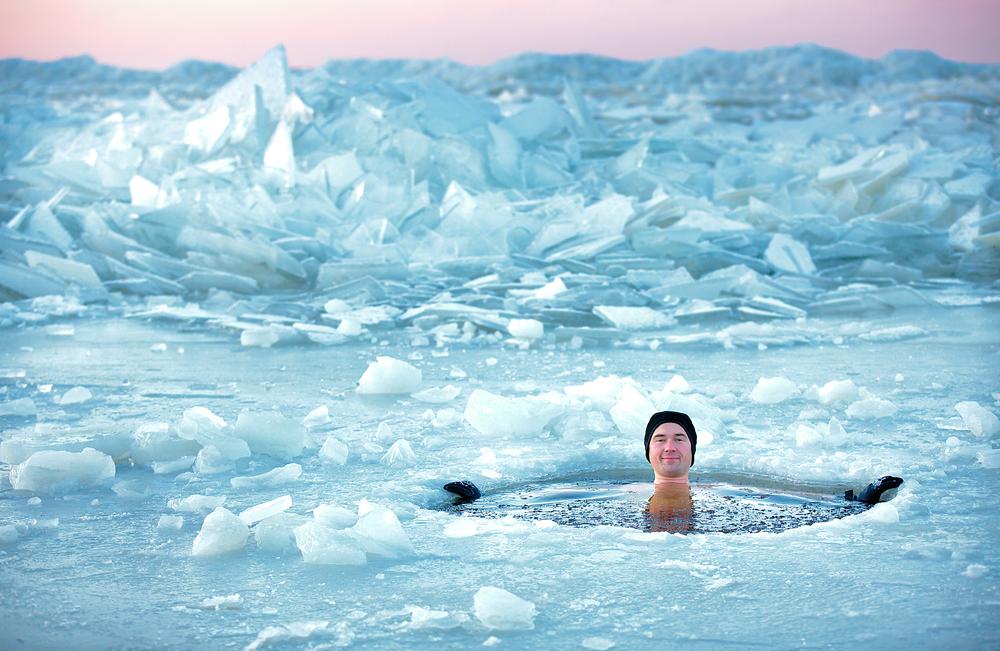
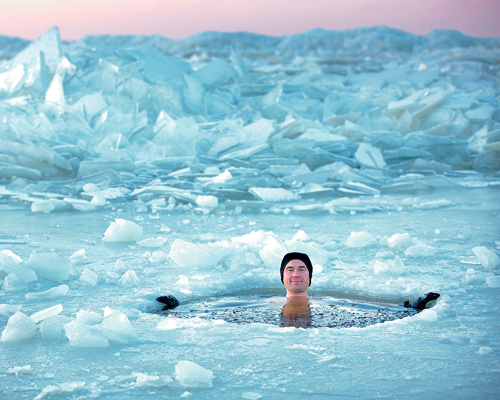
Ice bathing in natural settings is an important part of Nordic culture / shutterstock
Spas may be traditionally known for their warm facilities, such as steamrooms and saunas, but the benefits of cold therapy are gaining increasing attention and from cryotherapy to contrast therapy, embracing the cold is suddenly all the rage.
Ice baths are already a regular feature of elite athlete training, helping reduce injury and aid recovery, and these benefits seem to be enhanced when combined with specific breathing practices and mental focus such as those proposed by proponents of the Wim Hof Method (see pages 24-25).
But cold-water bathing is hardly a new trend; the benefits of cold-water immersion have been documented for centuries, and in many cultures it remains an integral part of life. Hippocrates was said to be a fan of the practice, Native Americans alternated sweat lodges and dips in icy rivers, and cold-water bathing was prescribed by doctors in Victorian times.
Today, scientists are once again taking a closer look at the benefits of the practice, but some cold therapy benefits are already well-known: cold can be used to relieve pain and inflammation (icing your knee after a fall) and is often used in exercise recovery.
Studies have also shown that cold therapy can improve circulation, help with sleep, burn fat and increase the size of brown fat stores, and boost immune function. Recent studies have even suggested cold-water bathing may help fight depression.
But are spas – and more to the point, consumers – ready for cold-water bathing? How can wellness facilities help educate guests on the benefits? Is the time right for a resurgence of cold treatments? We asked the experts...
Read more from this issue of Spa Business magazine
Promotional feature: Anne Semonin
Katherine Connolly, newly appointed global
director of retail and spa operations at Anne
Semonin, discusses her plans for the brand
Promotional feature: Thalion
Thalion is the first company to develop highly
specialised mineral therapies for clients, says
training manager Sophie Alemany
Research: Finishing touch
A new study shows that massage can
help muscle re-growth after an injury –
even when applied to the opposite limb
Salus per aqua, or ‘health through water’, is the motto of spas, yet there is a reason most bathing experiences include heat. Bathing in warm water induces relaxation, so guests can find balance and connect to their “essence” through actively doing nothing. The bathing industry – including hot springs, fitness centres and spas – offers experiences that focus on heat, such as saunas, steamrooms and hot tubs. While some facilities do have plunge-pools, ice-showers and even ice-caves, very few have dedicated ice-baths.
There’s a reason for this: cold water can be uncomfortable and even painful – scientists use cold-water immersion to gauge pain tolerance. To most people, cold water is unappealing, with the exception of those resilient few who take cold showers or swim year-round in the ocean.
Sauna may be the only Finnish word in the English language, but it seems that in transporting saunas around the world, we’ve neglected what the Finns take for granted: an ice-cold lake or snow drift outside. In our search for comfort, we’ve forgotten what the Scandinavians, Russians and Japanese have known for ages: that both hot and cold bathing can be exhilarating and health-enhancing.
The health benefits of cold-water immersion are still being established, but there’s a growing body of evidence proving the health benefits of sauna bathing and ice bathing, and the growing popularity of cryosaunas and cryoclinics suggests that cold can be positioned as a high-value experience.
Certainly there are many psychological and physical effects of cold exposure. The conscious choice to stay relaxed in an uncomfortable situation is itself a powerful mental exercise that builds self-confidence and resilience, which can have flow-on effects on the rest of your life. Any first aider can also tell you that cold exposure can be used to reduce pain and inflammation and enhance recovery.
The combination of hot and cold can also be used to consciously exercise the thousands of kilometres of smooth muscle lining your blood vessels that are not under voluntary control.
Regular cold exposure also stimulates the metabolism and induces the production of brown adipose tissue (BAT) or ‘brown fat’, which is laden with mitochondria that burn white fat – the kind most of us want to lose – and turn it into heat.
"There’s a growing body of evidence proving the health benefits of ice bathing"
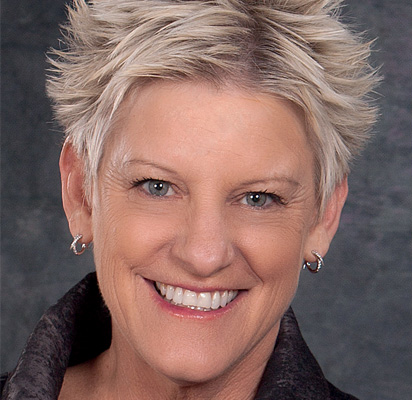
Alla SokolovaFounder and CEOInbalans Group
Alla Sokolova
Cold-water bathing is a part of the Baltic bathing culture, as well as the Russian banya – the history of which dates back to the 2nd century. Cold-water bathing can take many different forms, from dipping in a plunge pool to taking a cold shower or pouring a cold water bucket from head to toe after warming up the body in a hot sauna. This kind of contrast-therapy is a great workout for the cardiovascular system, and increases blood flow, improves the metabolism, and builds a stress resilience – which strengthens the immune system. At our Amber Spa Hotel in Jurmala, Latvia, we offer cold bathing in an authentic Russian banya, which is guided by a sauna master.
The bathing ritual has three major parts: first, warming up the body in the sauna; second, either dipping in the cold plunge pool or having a cold water bucket poured over you. (The first two steps are repeated three times). The final phase of the treatment ends with a soap massage and relaxation. The Russian banya ritual is our most popular, both among locals and hotel guests, and is also our most profitable, as many locals come to the banya regularly. Guests routinely say they feel instantly lighter, stronger, younger – and even “reborn” after the experience.
A banya ritual can be integrated into spas that have a sauna suite or hammam. Though many spas offer Kneipp paths, plunge pools and crushed ice in the wet area, more can be done to create guided treatments and to explain the benefits of the cold. This could include integrating a step-by-step sequence of breathing, self-massage and mindfulness techniques, with an opening and a finishing ritual.
"Guests say they feel instantly lighter, stronger, younger – and even ‘reborn’"
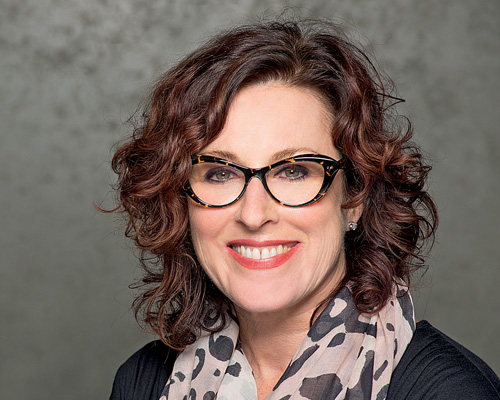
Adria Lake FounderA.W. Lake Design
Adria Lake
There is plenty of evidence that exposure to cold is beneficial to our overall health. Recent scientific studies have shown that sustained and regular exposure to cold increases metabolic rate and calorie expenditure; reduces systemic inflammation; strengthens the nervous and immune systems; heals injuries and speeds recovery; regulates blood sugar levels by increasing levels of adiponectin – a protein involved in blood glucose regulation; improves sleep quality; and increases lifespan due to hormesis – a natural adaptation that our bodies go through when exposed to environmental stresses.
My interest in cold-water bathing, or any exposure to extreme temperatures (high or low) and environments relates more to our internal hard-wiring than to finding another ‘cure’. We are not built for constant comfort and homeostasis. Our dependence on modern conveniences and preference for sanitised and temperature-controlled environments has weakened our immune systems and destabilised our internal self-balancing and regulating systems. So one sure benefit of cold-water bathing or any type of cold exposure is the most obvious: discomfort. Any exposure to discomfort strengthens our body’s defence mechanisms and builds up our physical and mental resilience. And it is our own built-in resilience – not any one treatment or therapy – that will keep us healthy and well.
That said, spas are havens of comfort, so I’m sceptical that hotel spas have the risk-tolerance, interest or resources to bring effective cold-water therapies beyond the requisite cold plunge, decorative ice-fountains, or the trendy snow/ice room that is often nothing more than a glorified and expensive chilled room – all of which often become under-utilised once their novelty wears off.
Often, the most effective cold therapies are best experienced in nature, or in the privacy of your own home – without expensive or high-tech equipment. A brisk walk in the early morning when temperature is at its lowest, a cold shower, or lowering the thermostat at night before going to bed – these have more lasting benefits to your overall wellbeing than an over-priced tepid-water therapy in a spa.
"Any exposure to discomfort builds up our physical and mental resilience"
Charles DavidsonCEO & founderPeninsula Hot Springs, Australia
Charles Davidson
At Peninsula Hot Springs, we’re expanding our facilities, and one of the things we’re adding is a new area dedicated to contrast therapy, which includes both hot and cold water experiences. Guests will be able to relax in saunas and hot mineral spring pools and then plunge into cold and ice plunges – including cold baths, ice baths and an ice cave – in an area we’re calling ‘Fire and Ice.’ This kind of contrast bathing is very good for blood circulation and for generating an overall sense of invigoration and feeling of being ‘alive’.
The size and the styles of the pools are specifically designed for social bathing experiences where groups of friends can participates in a fun and exciting wellness experience together. Well-marked signage clearly explains how to use the facilities so guests can go on self-guided bathing journeys.
Participating in activities in a group is also important for generating a sense of belonging and connection; one of the special features of hot springs bathing is that, across the globe, it’s found to be a source of community connection – people of all ages and all races can share some relaxing time together.
Finding time to relax and be with friends or spend time alone in a natural setting is at the core of the hot springs bathing experience. That being said, there is a lot of fun and laughter to be had with friends when going into and out of what could be considered extreme bathing experiences like ice and cold plunges and very hot saunas. Bathing offers both physical and mental health benefits, which are gained by participating in the practice.
I like to say that bathing is a reality experience in a virtual world. As more and more of our time is spent on computers and in front of screens, it’s becoming increasingly important for people to find the time to participate in real experiences that they are able to share with others.
"Contrast bathing is very good for generating a sense of invigoration"
In the fast-paced world of fitness and wellness, where high-intensity workouts push us to
our limits and the sweat pours, the importance of efficient recovery cannot be overstated. [more...]
The MSpa Oslo series is a perennial bestseller in global markets. With innovative
engineering and premium performance, this completely portable spa line-up is expertly
designed to meet the needs of customers worldwide. [more...]
+ More featured suppliers
COMPANY PROFILES
Trybe
Trybe was founded back in 2020, and the past five years has seen Trybe become the fastest growing al [more...]
Lemi Group
Lemi Group designs and produces treatment tables, chairs and multi-functional furniture and equipmen [more...]
Cold-water therapy is having something of a resurgence, with
studies pointing to its many benefits – both physical and mental.
Jane Kitchen asks the experts how it might fit in at spas
By Jane Kitchen | Published in Spa Business 2017 issue 4
Ice bathing in natural settings is an important part of Nordic culture / shutterstock
Spas may be traditionally known for their warm facilities, such as steamrooms and saunas, but the benefits of cold therapy are gaining increasing attention and from cryotherapy to contrast therapy, embracing the cold is suddenly all the rage.
Ice baths are already a regular feature of elite athlete training, helping reduce injury and aid recovery, and these benefits seem to be enhanced when combined with specific breathing practices and mental focus such as those proposed by proponents of the Wim Hof Method (see pages 24-25).
But cold-water bathing is hardly a new trend; the benefits of cold-water immersion have been documented for centuries, and in many cultures it remains an integral part of life. Hippocrates was said to be a fan of the practice, Native Americans alternated sweat lodges and dips in icy rivers, and cold-water bathing was prescribed by doctors in Victorian times.
Today, scientists are once again taking a closer look at the benefits of the practice, but some cold therapy benefits are already well-known: cold can be used to relieve pain and inflammation (icing your knee after a fall) and is often used in exercise recovery.
Studies have also shown that cold therapy can improve circulation, help with sleep, burn fat and increase the size of brown fat stores, and boost immune function. Recent studies have even suggested cold-water bathing may help fight depression.
But are spas – and more to the point, consumers – ready for cold-water bathing? How can wellness facilities help educate guests on the benefits? Is the time right for a resurgence of cold treatments? We asked the experts...
Read more from this issue of Spa Business magazine
Promotional feature: Anne Semonin
Katherine Connolly, newly appointed global
director of retail and spa operations at Anne
Semonin, discusses her plans for the brand
Promotional feature: Thalion
Thalion is the first company to develop highly
specialised mineral therapies for clients, says
training manager Sophie Alemany
Research: Finishing touch
A new study shows that massage can
help muscle re-growth after an injury –
even when applied to the opposite limb
Salus per aqua, or ‘health through water’, is the motto of spas, yet there is a reason most bathing experiences include heat. Bathing in warm water induces relaxation, so guests can find balance and connect to their “essence” through actively doing nothing. The bathing industry – including hot springs, fitness centres and spas – offers experiences that focus on heat, such as saunas, steamrooms and hot tubs. While some facilities do have plunge-pools, ice-showers and even ice-caves, very few have dedicated ice-baths.
There’s a reason for this: cold water can be uncomfortable and even painful – scientists use cold-water immersion to gauge pain tolerance. To most people, cold water is unappealing, with the exception of those resilient few who take cold showers or swim year-round in the ocean.
Sauna may be the only Finnish word in the English language, but it seems that in transporting saunas around the world, we’ve neglected what the Finns take for granted: an ice-cold lake or snow drift outside. In our search for comfort, we’ve forgotten what the Scandinavians, Russians and Japanese have known for ages: that both hot and cold bathing can be exhilarating and health-enhancing.
The health benefits of cold-water immersion are still being established, but there’s a growing body of evidence proving the health benefits of sauna bathing and ice bathing, and the growing popularity of cryosaunas and cryoclinics suggests that cold can be positioned as a high-value experience.
Certainly there are many psychological and physical effects of cold exposure. The conscious choice to stay relaxed in an uncomfortable situation is itself a powerful mental exercise that builds self-confidence and resilience, which can have flow-on effects on the rest of your life. Any first aider can also tell you that cold exposure can be used to reduce pain and inflammation and enhance recovery.
The combination of hot and cold can also be used to consciously exercise the thousands of kilometres of smooth muscle lining your blood vessels that are not under voluntary control.
Regular cold exposure also stimulates the metabolism and induces the production of brown adipose tissue (BAT) or ‘brown fat’, which is laden with mitochondria that burn white fat – the kind most of us want to lose – and turn it into heat.
"There’s a growing body of evidence proving the health benefits of ice bathing"
Alla SokolovaFounder and CEOInbalans Group
Alla Sokolova
Cold-water bathing is a part of the Baltic bathing culture, as well as the Russian banya – the history of which dates back to the 2nd century. Cold-water bathing can take many different forms, from dipping in a plunge pool to taking a cold shower or pouring a cold water bucket from head to toe after warming up the body in a hot sauna. This kind of contrast-therapy is a great workout for the cardiovascular system, and increases blood flow, improves the metabolism, and builds a stress resilience – which strengthens the immune system. At our Amber Spa Hotel in Jurmala, Latvia, we offer cold bathing in an authentic Russian banya, which is guided by a sauna master.
The bathing ritual has three major parts: first, warming up the body in the sauna; second, either dipping in the cold plunge pool or having a cold water bucket poured over you. (The first two steps are repeated three times). The final phase of the treatment ends with a soap massage and relaxation. The Russian banya ritual is our most popular, both among locals and hotel guests, and is also our most profitable, as many locals come to the banya regularly. Guests routinely say they feel instantly lighter, stronger, younger – and even “reborn” after the experience.
A banya ritual can be integrated into spas that have a sauna suite or hammam. Though many spas offer Kneipp paths, plunge pools and crushed ice in the wet area, more can be done to create guided treatments and to explain the benefits of the cold. This could include integrating a step-by-step sequence of breathing, self-massage and mindfulness techniques, with an opening and a finishing ritual.
"Guests say they feel instantly lighter, stronger, younger – and even ‘reborn’"
Adria Lake FounderA.W. Lake Design
Adria Lake
There is plenty of evidence that exposure to cold is beneficial to our overall health. Recent scientific studies have shown that sustained and regular exposure to cold increases metabolic rate and calorie expenditure; reduces systemic inflammation; strengthens the nervous and immune systems; heals injuries and speeds recovery; regulates blood sugar levels by increasing levels of adiponectin – a protein involved in blood glucose regulation; improves sleep quality; and increases lifespan due to hormesis – a natural adaptation that our bodies go through when exposed to environmental stresses.
My interest in cold-water bathing, or any exposure to extreme temperatures (high or low) and environments relates more to our internal hard-wiring than to finding another ‘cure’. We are not built for constant comfort and homeostasis. Our dependence on modern conveniences and preference for sanitised and temperature-controlled environments has weakened our immune systems and destabilised our internal self-balancing and regulating systems. So one sure benefit of cold-water bathing or any type of cold exposure is the most obvious: discomfort. Any exposure to discomfort strengthens our body’s defence mechanisms and builds up our physical and mental resilience. And it is our own built-in resilience – not any one treatment or therapy – that will keep us healthy and well.
That said, spas are havens of comfort, so I’m sceptical that hotel spas have the risk-tolerance, interest or resources to bring effective cold-water therapies beyond the requisite cold plunge, decorative ice-fountains, or the trendy snow/ice room that is often nothing more than a glorified and expensive chilled room – all of which often become under-utilised once their novelty wears off.
Often, the most effective cold therapies are best experienced in nature, or in the privacy of your own home – without expensive or high-tech equipment. A brisk walk in the early morning when temperature is at its lowest, a cold shower, or lowering the thermostat at night before going to bed – these have more lasting benefits to your overall wellbeing than an over-priced tepid-water therapy in a spa.
"Any exposure to discomfort builds up our physical and mental resilience"
Charles DavidsonCEO & founderPeninsula Hot Springs, Australia
Charles Davidson
At Peninsula Hot Springs, we’re expanding our facilities, and one of the things we’re adding is a new area dedicated to contrast therapy, which includes both hot and cold water experiences. Guests will be able to relax in saunas and hot mineral spring pools and then plunge into cold and ice plunges – including cold baths, ice baths and an ice cave – in an area we’re calling ‘Fire and Ice.’ This kind of contrast bathing is very good for blood circulation and for generating an overall sense of invigoration and feeling of being ‘alive’.
The size and the styles of the pools are specifically designed for social bathing experiences where groups of friends can participates in a fun and exciting wellness experience together. Well-marked signage clearly explains how to use the facilities so guests can go on self-guided bathing journeys.
Participating in activities in a group is also important for generating a sense of belonging and connection; one of the special features of hot springs bathing is that, across the globe, it’s found to be a source of community connection – people of all ages and all races can share some relaxing time together.
Finding time to relax and be with friends or spend time alone in a natural setting is at the core of the hot springs bathing experience. That being said, there is a lot of fun and laughter to be had with friends when going into and out of what could be considered extreme bathing experiences like ice and cold plunges and very hot saunas. Bathing offers both physical and mental health benefits, which are gained by participating in the practice.
I like to say that bathing is a reality experience in a virtual world. As more and more of our time is spent on computers and in front of screens, it’s becoming increasingly important for people to find the time to participate in real experiences that they are able to share with others.
"Contrast bathing is very good for generating a sense of invigoration"
Bel Hotel Oléron Thalasso and Spa, MGallery Collection has opened on the French island Île
d'Oléron off the country’s western coast with a 27-treatment-room spa.
Manipulating the gut microbiome could become a powerful tool for preserving brain health and
resilience as people age, according to research led by Professor Paola Tognini, a neuroscientist
at the Sant'Anna School of Advanced Studies in Pisa, Italy.
Jessica Sloyan, a wellness operations and training expert, has established an independent
private training academy to provide professional qualifications for practitioners looking to offer
immersive wellness experiences.
The International Spa Association (ISPA) has published its full 2026 US Spa Industry Study,
providing further insights into the region’s total US$1 billion (€855 million, £780 million)
industry revenue increase from 2024 to 2025.
Ameyalli, the 78-acre wellbeing resort and residential community in Midway in Utah, US, has
broken ground on phase two of the hot spring development – the Ameyalli Resort and Spa –
which is due to open in 2028.
TLee Spas and Wellness has revealed the design concept for a high-tech spa with body
mapping scanners to improve public health, for AI company Midjourney.
Gran Hotel Taoro in northern Tenerife, Spain, has completed the final phase of its three-year
renovation with the debut of its Sandára Wellness Centre.
Hand and Stone Massage and Facial Spa, the spa business with more than 650 locations across
the US and Canada, has appointed franchise expert Carrie Walsh as CEO as the company plans
to expand.
Synergy – The Retreat Show, the global trade show for retreats, has launched a global research
initiative that will provide insights into the retreat sector from both consumer and industry
perspectives.
In the fast-paced world of fitness and wellness, where high-intensity workouts push us to
our limits and the sweat pours, the importance of efficient recovery cannot be overstated. [more...]
The MSpa Oslo series is a perennial bestseller in global markets. With innovative
engineering and premium performance, this completely portable spa line-up is expertly
designed to meet the needs of customers worldwide. [more...]
+ More featured suppliers
COMPANY PROFILES
Trybe Trybe was founded back in 2020, and the past five years has seen Trybe become the fastest growing al [more...]