Yes! Send me the FREE digital editions of Spa Business and Spa Business insider magazines and the FREE weekly Spa Business and Spa Business insider ezines and breaking news alerts!
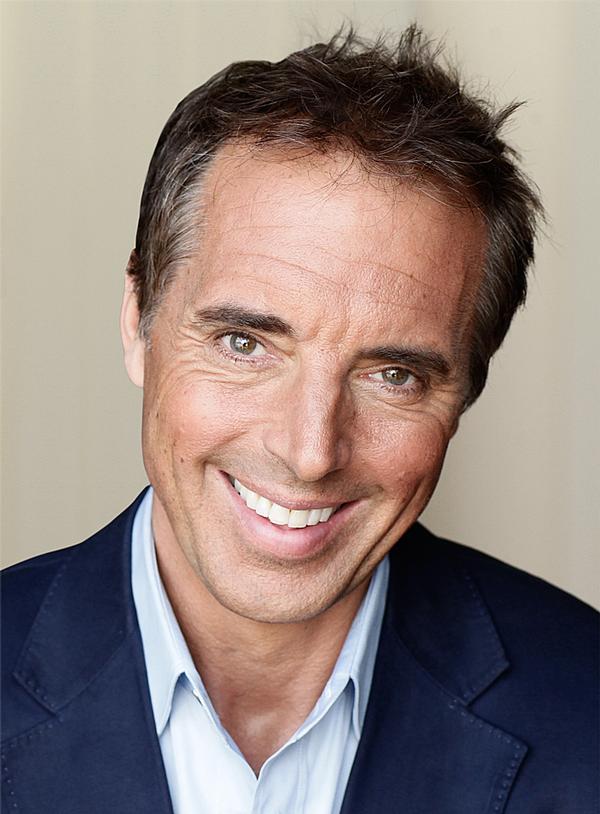
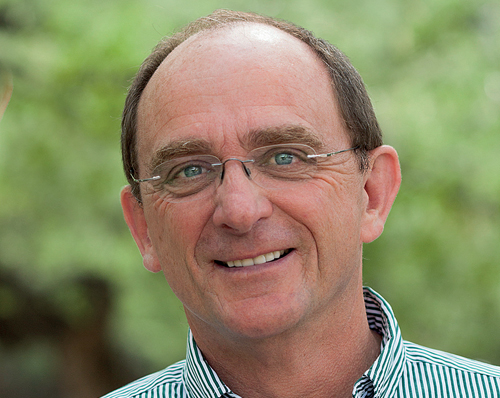
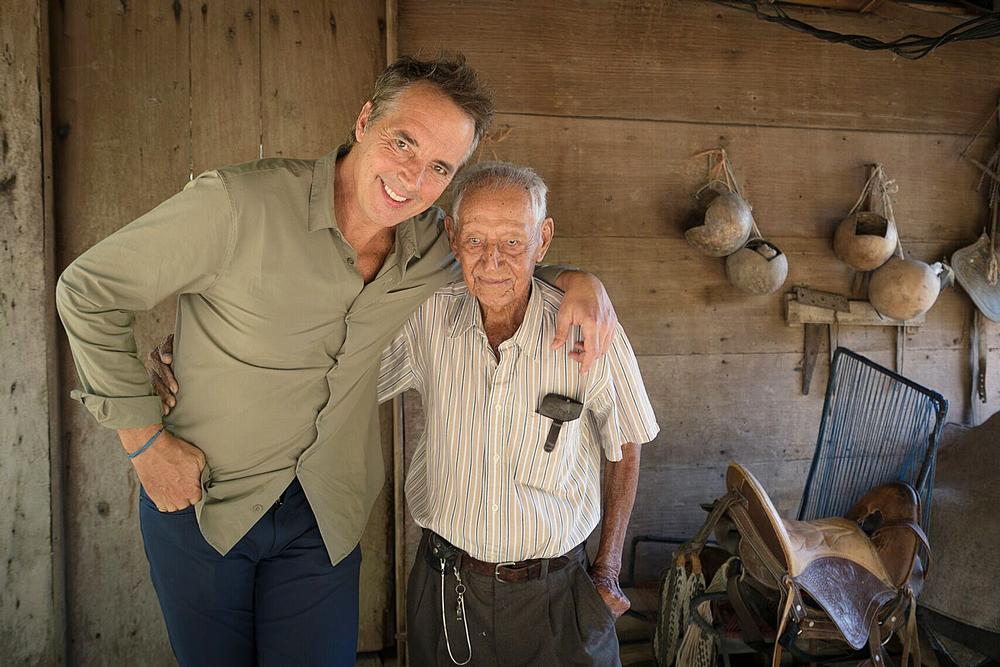
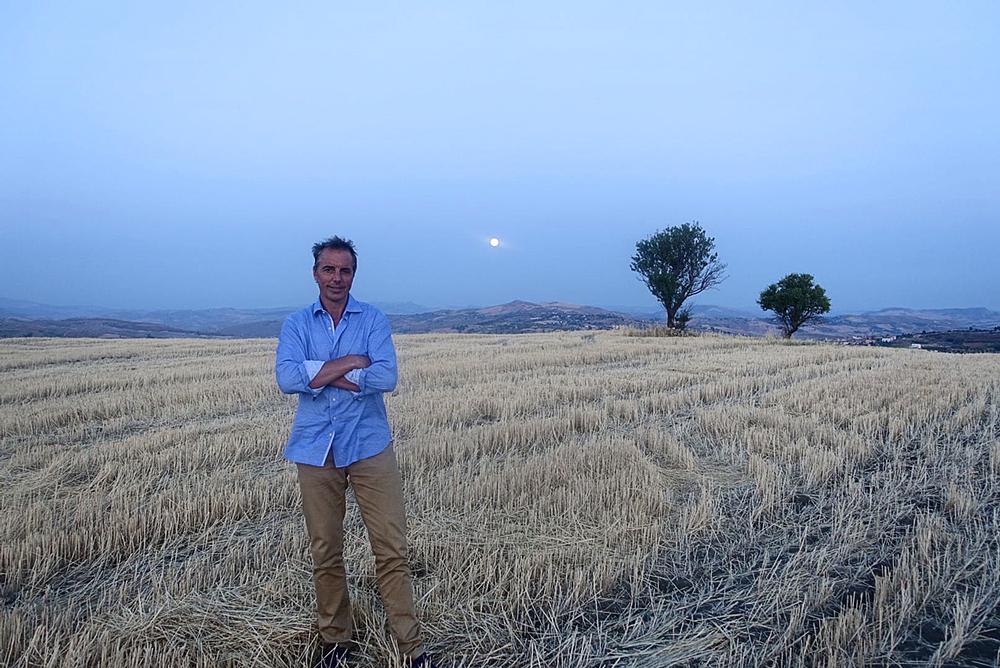
In 2000, based on a WHO report that showed that Okinawans have the longest-disease free life expectancy in the world, explorer Dan Buettner led an expedition to the Japanese island.
A year later, with funding from the NIA and on assignment from National Geographic, he set out to find other longevity hot spots, and soon met Dr Giovanni Pes, who had identified an area in Sardinia with extraordinary longevity, and had coined the term 'Blue Zone' to describe it. Dr Pes had hypothesised that he would find a genetic variant supporting longevity in Sardinia, but instead found that close family and social bonds, daily physical activity and a plant-based diet seemed to be key to living a long life.
Buettner expanded the term Blue Zones into a concept – a method of identifying the world's longest-lived people and distilling their common denominators – and in addition to Okinawa, discovered three other areas where people live the longest: Nicoya, Costa Rica; Ikaria, Greece; and the Seventh-Day Adventist community in Loma Linda, California.
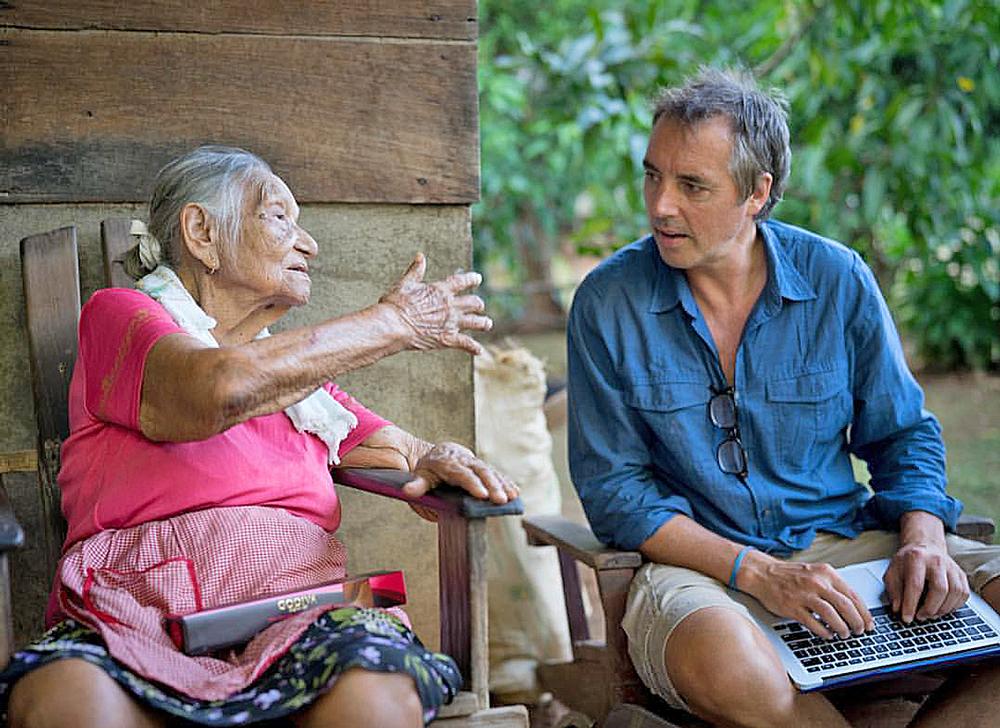
With a team of medical researchers, anthropologists and demographers, Buettner spent eight years studying these Blue Zone populations in an attempt to further discover why they lived so much longer – at least 12 years more than the 71-year global average – and were so much happier.
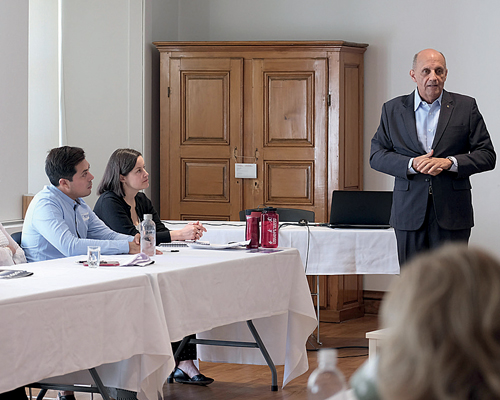
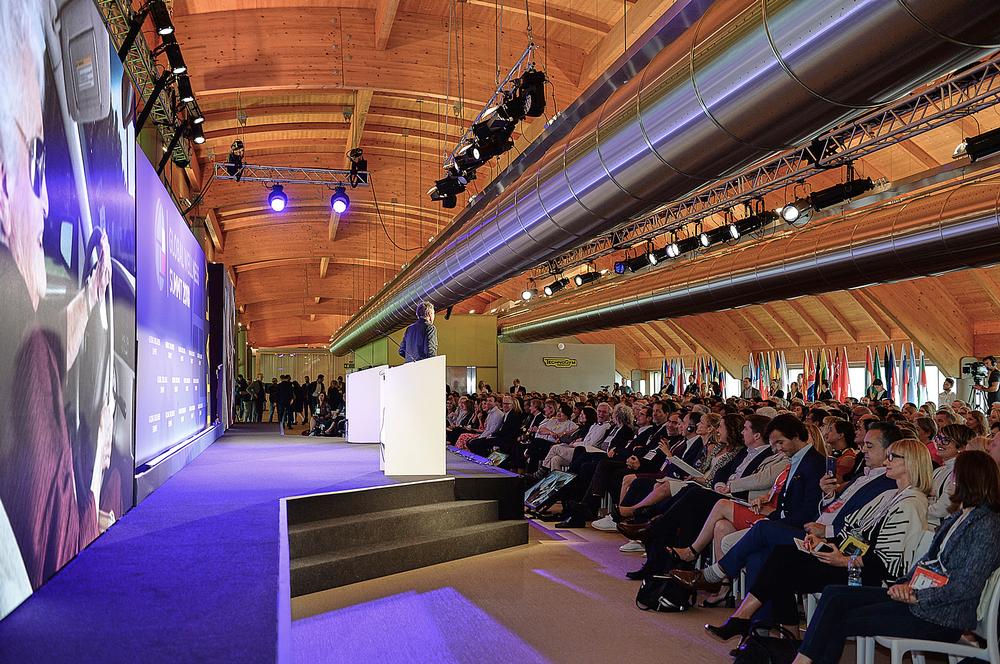
His work has earned him celebrity status in the wellness world. He's had a National Geographic cover story and written four best-selling books. Buettner gets over 300 requests for speaking engagements every year and most recently addressed spa professionals at the Global Wellness Summit in Italy (see p78).
He feels hotels – and by extension spas – are the perfect places to incorporate the lessons of these Blue Zones, by offering some recommendations of the lifestyle characteristics that have produced the world's longest-lived people. By doing this, they could make a real difference. He also says spas should be measuring the life expectancy of their clients as an "uber-measure of wellbeing".
So, what are the lessons? Buettner identified what he calls the 'Power 9' – shared lifestyle behaviours that keep people thriving to the age of 100. These include moderate regular physical activity in the form of natural movement, life purpose, moderate caloric intake, plant-heavy diets, stress reduction, moderate alcohol consumption, social engagement, a strong family life, and engagement in spirituality or religion.
On the back of this, Buettner founded the Blue Zone Projects, which takes lessons from Blue Zone regions and applies them to communities looking to improve the health and wellbeing of their residents. Blue Zone Project developers work with governments, employers, health insurance companies, schools, grocery stores, restaurants and engineers to help people naturally move more, eat wisely and connect with others.
Since 2010, the organisation has worked with 26 communities – from US states to cities – with impressive results. In Albert Lea, Minnesota, for instance, after five years, the smoking rate plummeted 17 per cent; the average BMI was down 15 per cent; stress was down 9 per cent; exercise was up 9 per cent; and life satisfaction was up 12 per cent.
Buettner has achieved these remarkable numbers by applying things he's seen in the Blue Zones. In Okinawa, for example, women are born with a moai – a committed social network of friends who support each other throughout their lives. With loneliness shaving eight years off life expectancy, these connections are vital for longevity. In Buettner's Blue Zone Projects, he creates 'moais' for residents around shared interests.
It's these small things that help change a community, along with larger ones, like creating pedestrian-friendly roads and riverfront parks where people can walk and see friends, or working with restaurants to create smaller portion sizes and offer fruit – rather than fries – as the default side item.
The key, says Buettner, is to focus on long-term system changes. "When it comes to longevity, there's no pill, there's no supplement, there's no magic serum that's going to reverse, stop or slow ageing," he explains. "The best shot is shifting the focus from trying to change people's behaviour to trying to change their environment."
In the US, Buettner reports that a staggering 84 per cent of all medical costs are explained by physical inactivity, food choices and portion size, tobacco and unmanaged stress – all preventable and changeable factors.
"For the first time in human history, people are not dying of overwork and hunger. In fact, over two-thirds of the world population will likely die from largely avoidable chronic disease brought on because we've engineered physical activity out of our lives, and we consume too many of the wrong kind of calories," says Buettner. "The key to improving world health – and living longer lives – is reshaping our environment to make the healthy choice the default for people everywhere."
Read more from this issue of Spa Business magazine
Interview: Thomas Klein
Senior living, family resorts and urban retreats are all on the cards for Canyon Ranch says COO and president Thomas Klein. Katie Barnes finds out more
Trends: Spa Foresight™ 2018/19
Spa Business’ predictions for the future include vegan spas, blue light antidotes, home wellness and plastic-free facilities
Interview: Dietmar Mueller-Elmau
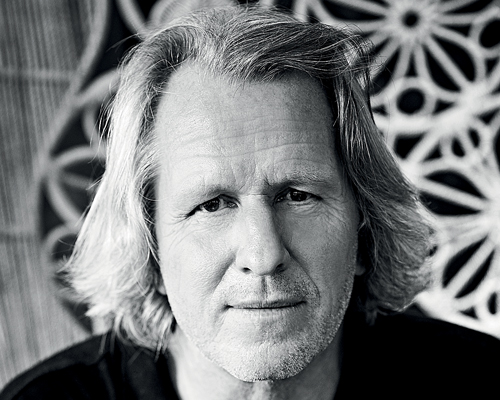
The owner of Germany’s Schloss Elmau tells Spa Business why music, culture and spa feed the mind and soul
Promotional feature: Living Earth Crafts
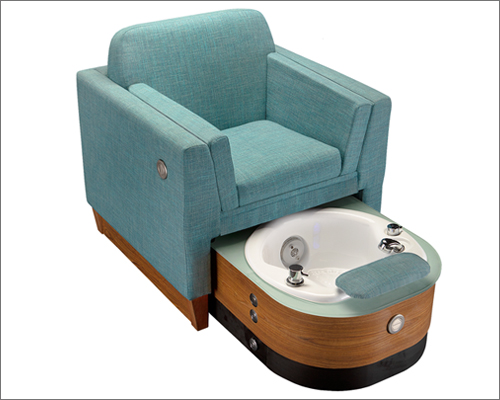
Living Earth Crafts has distinguished itself with furniture for the spa industry that combines high design with seamless functionality. Brian Paris gives us insight into the company’s stylish new introductions
Event report: GWS 2018 - Bella vita
An Italian inspired Global Wellness Summit featured fashion, food, fitness and spa… and cameos from Hugh Jackman and Oprah Winfrey. Spa Business gives its highlights
Research: Growing up
Spa is the fastest growing sector of the US$4.2tn global wellness economy according to the latest GWI research
Event report: WTA Conference
What do wellness travellers want? And what issues need to be addressed as the wellness tourism sector grows? Anne Dimon reports from the inaugural meeting of the Wellness Tourism Association
Fitness: Inhale the future
Ashley Neese tells Spa Business about the possibilities of breathwork and opening up the practice to more people
The MSpa Oslo series is a perennial bestseller in global markets. With innovative
engineering and premium performance, this completely portable spa line-up is expertly
designed to meet the needs of customers worldwide. [more...]
+ More featured suppliers
COMPANY PROFILES
RKF Luxury Linen
RKF Luxury Linen, established in the East of France for several decades, owns an artisanal know-how [more...]
Agilysys UK Ltd
Agilysys, Inc. (Nasdaq: AGYS), is a leading
global provider of hospitality software
solutions that [more...]
In 2000, based on a WHO report that showed that Okinawans have the longest-disease free life expectancy in the world, explorer Dan Buettner led an expedition to the Japanese island.
A year later, with funding from the NIA and on assignment from National Geographic, he set out to find other longevity hot spots, and soon met Dr Giovanni Pes, who had identified an area in Sardinia with extraordinary longevity, and had coined the term 'Blue Zone' to describe it. Dr Pes had hypothesised that he would find a genetic variant supporting longevity in Sardinia, but instead found that close family and social bonds, daily physical activity and a plant-based diet seemed to be key to living a long life.
Buettner expanded the term Blue Zones into a concept – a method of identifying the world's longest-lived people and distilling their common denominators – and in addition to Okinawa, discovered three other areas where people live the longest: Nicoya, Costa Rica; Ikaria, Greece; and the Seventh-Day Adventist community in Loma Linda, California.
With a team of medical researchers, anthropologists and demographers, Buettner spent eight years studying these Blue Zone populations in an attempt to further discover why they lived so much longer – at least 12 years more than the 71-year global average – and were so much happier.
His work has earned him celebrity status in the wellness world. He's had a National Geographic cover story and written four best-selling books. Buettner gets over 300 requests for speaking engagements every year and most recently addressed spa professionals at the Global Wellness Summit in Italy (see p78).
He feels hotels – and by extension spas – are the perfect places to incorporate the lessons of these Blue Zones, by offering some recommendations of the lifestyle characteristics that have produced the world's longest-lived people. By doing this, they could make a real difference. He also says spas should be measuring the life expectancy of their clients as an "uber-measure of wellbeing".
So, what are the lessons? Buettner identified what he calls the 'Power 9' – shared lifestyle behaviours that keep people thriving to the age of 100. These include moderate regular physical activity in the form of natural movement, life purpose, moderate caloric intake, plant-heavy diets, stress reduction, moderate alcohol consumption, social engagement, a strong family life, and engagement in spirituality or religion.
On the back of this, Buettner founded the Blue Zone Projects, which takes lessons from Blue Zone regions and applies them to communities looking to improve the health and wellbeing of their residents. Blue Zone Project developers work with governments, employers, health insurance companies, schools, grocery stores, restaurants and engineers to help people naturally move more, eat wisely and connect with others.
Since 2010, the organisation has worked with 26 communities – from US states to cities – with impressive results. In Albert Lea, Minnesota, for instance, after five years, the smoking rate plummeted 17 per cent; the average BMI was down 15 per cent; stress was down 9 per cent; exercise was up 9 per cent; and life satisfaction was up 12 per cent.
Buettner has achieved these remarkable numbers by applying things he's seen in the Blue Zones. In Okinawa, for example, women are born with a moai – a committed social network of friends who support each other throughout their lives. With loneliness shaving eight years off life expectancy, these connections are vital for longevity. In Buettner's Blue Zone Projects, he creates 'moais' for residents around shared interests.
It's these small things that help change a community, along with larger ones, like creating pedestrian-friendly roads and riverfront parks where people can walk and see friends, or working with restaurants to create smaller portion sizes and offer fruit – rather than fries – as the default side item.
The key, says Buettner, is to focus on long-term system changes. "When it comes to longevity, there's no pill, there's no supplement, there's no magic serum that's going to reverse, stop or slow ageing," he explains. "The best shot is shifting the focus from trying to change people's behaviour to trying to change their environment."
In the US, Buettner reports that a staggering 84 per cent of all medical costs are explained by physical inactivity, food choices and portion size, tobacco and unmanaged stress – all preventable and changeable factors.
"For the first time in human history, people are not dying of overwork and hunger. In fact, over two-thirds of the world population will likely die from largely avoidable chronic disease brought on because we've engineered physical activity out of our lives, and we consume too many of the wrong kind of calories," says Buettner. "The key to improving world health – and living longer lives – is reshaping our environment to make the healthy choice the default for people everywhere."
Read more from this issue of Spa Business magazine
Interview: Thomas Klein
Senior living, family resorts and urban retreats are all on the cards for Canyon Ranch says COO and president Thomas Klein. Katie Barnes finds out more
Trends: Spa Foresight™ 2018/19
Spa Business’ predictions for the future include vegan spas, blue light antidotes, home wellness and plastic-free facilities
Interview: Dietmar Mueller-Elmau
The owner of Germany’s Schloss Elmau tells Spa Business why music, culture and spa feed the mind and soul
Promotional feature: Living Earth Crafts
Living Earth Crafts has distinguished itself with furniture for the spa industry that combines high design with seamless functionality. Brian Paris gives us insight into the company’s stylish new introductions
Event report: GWS 2018 - Bella vita
An Italian inspired Global Wellness Summit featured fashion, food, fitness and spa… and cameos from Hugh Jackman and Oprah Winfrey. Spa Business gives its highlights
Research: Growing up
Spa is the fastest growing sector of the US$4.2tn global wellness economy according to the latest GWI research
Event report: WTA Conference
What do wellness travellers want? And what issues need to be addressed as the wellness tourism sector grows? Anne Dimon reports from the inaugural meeting of the Wellness Tourism Association
Fitness: Inhale the future
Ashley Neese tells Spa Business about the possibilities of breathwork and opening up the practice to more people
Synergy – The Retreat Show, the global trade show for retreats, has launched a global research
initiative that will provide insights into the retreat sector from both consumer and industry
perspectives.
The Wellness Tourism Association (WTA) has published a non-regulatory global industry
framework designed to ensure the retreat market offers responsible experiences.
A new survey of UK and international spa practitioners shows that stress, burnout and
wellbeing concerns have caused one in three respondents to consider leaving the industry.
The UK's four Chief Medical Officers have published a refreshed edition of Physical activity
guidelines: UK Chief Medical Officers' report, updating the evidence that underpins the nation's
physical activity recommendations and placing greater emphasis on strength, balance, reducing
sedentary behaviour and, for the first time, supporting people taking weight loss medications.
Anna Bjurstam has left her role as Wellness Pioneer at Six Senses Hotels and Resorts and
launched a new wellness, longevity and “consciousness consultancy” called Wahayla.
Fairmont Cheshire, The Mere, has opened today (10 July) in the Northwest of England
with a
1,715sq m Fairmont Spa that has been designed using a ‘Wellness without Walls’
concept.
Wellness hotels generating less than US$1 million (€932,700, £785,200) – or 10 per cent of
total revenue from wellness and leisure – recorded the strongest RevPAR and TRevPAR growth
in 2025 across categories when compared with 2024, according to the latest Wellness Real
Estate Report by RLA Global, produced in partnership with P and L benchmarking firm HotStats.
Lefay Resorts, the portfolio of two luxury wellness properties in Italy, has added emotional
dance classes and group cold plunge sessions in response to market demand for social
connection.
The MSpa Oslo series is a perennial bestseller in global markets. With innovative
engineering and premium performance, this completely portable spa line-up is expertly
designed to meet the needs of customers worldwide. [more...]
+ More featured suppliers
COMPANY PROFILES
RKF Luxury Linen RKF Luxury Linen, established in the East of France for several decades, owns an artisanal know-how [more...]