Yes! Send me the FREE digital editions of Spa Business and Spa Business insider magazines and the FREE weekly Spa Business and Spa Business insider ezines and breaking news alerts!
Spa therapists and assistants are the engine room of the industry, driving huge profits for operators. However, some of them are living in a shadow world of exploitation and misery as modern slaves. It’s time for the industry to tackle this poisonous practice
By Liz Terry | Published in Spa Business 2017 issue 3
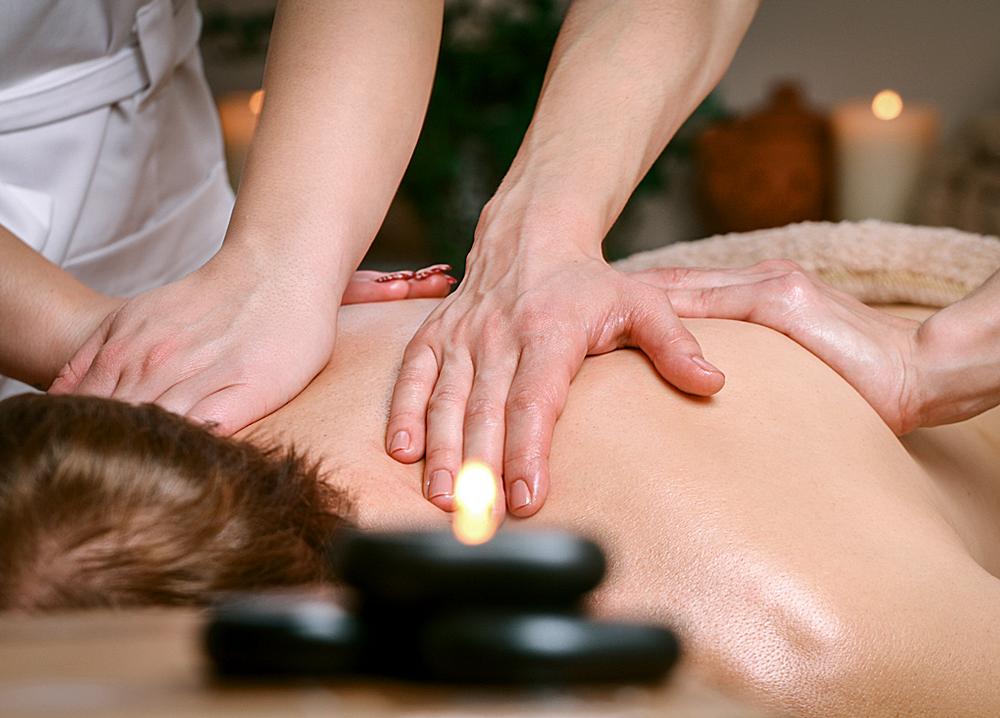
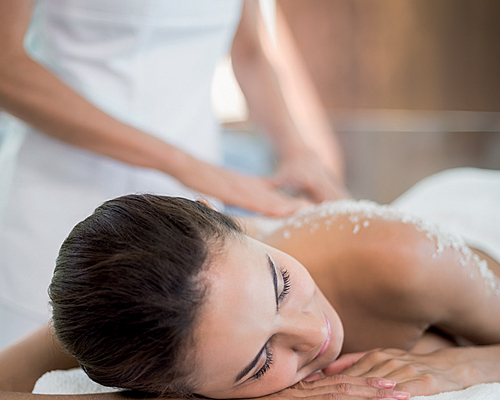
Therapists’ pay and working conditions need closer scrutiny / shutterstock/tcsaba
News is reaching Spa Business from a number of highly reputable sources about employment practices in parts of the spa and resorts industry which amount to modern slavery and human trafficking.
Spa therapists, mainly women, are being recruited from third world countries by agents who charge them a huge fee to secure jobs in high-end hotels and resorts as therapists.
In exchange, the agents then take away their passports and take a cut of their earnings until such time as their ‘debt’ has been discharged. We are hearing of ‘fees’ for placements of up to US$10,000 against earnings of US$400/month, meaning these women are being tied in to years of being ‘farmed’ for cash while being unable to escape, due to the confiscation of their passports.
We understand that hotel and spa operators are not directly involved in the transactions by which these people are procured, but that they take the staff from the agents for free without question – effectively turning a blind eye.
The spa industry has grappled with many reputational challenges over the years, such as the link to prostitution and the sex trade, and it appears that this horrible link to modern slavery is the next frontier on which we must fight the forces that would undermine us.
We already know the industry has a tendency to exploit women, particularly those who are from less well educated backgrounds and who do not have the power to control their own destinies. They are often worked too hard and paid too little by operators in pursuit of profits.
This unfairness is not confined to the developing world. We know of operators in Europe, the UK and the US who routinely overwork and massively underpay therapists, while generating huge returns for shareholders.
This is a continuum, with overworked therapists at one end and modern slavery at the other, and until something is done to rid the industry of this exploitation, our reputation as a sector from both a corporate standpoint and as an employer will continue to suffer.
Hotel, spa and resort operators must step up and take responsibility for this situation. If staff are being offered by an agent for free, then someone is paying and questions need to be asked about who that is.
We need to build an industry on firm and fair foundations and not on human misery and exploitation.
Read more from this issue of Spa Business magazine
Promotional feature: Elemis - Deep Benefits
With its market-leading Pro-Collagen skincare products already
a worldwide success, Elemis has further expanded its premium
anti-ageing range with a potent new seaweed-based Marine Oil
Promotional feature: RKF - a touch of luxury
As a global leader in the field of luxury
fabrics for spas and hospitality, RKF
is known for pushing the boundaries
of design and function. We find out
about the company's latest work
In the fast-paced world of fitness and wellness, where high-intensity workouts push us to
our limits and the sweat pours, the importance of efficient recovery cannot be overstated. [more...]
The MSpa Oslo series is a perennial bestseller in global markets. With innovative
engineering and premium performance, this completely portable spa line-up is expertly
designed to meet the needs of customers worldwide. [more...]
+ More featured suppliers
COMPANY PROFILES
Saskia Spa
Founded in 2014, Saskia Spa continues to evolve as a professional luxury skincare brand. It forms pa [more...]
Knesko Skin
Known for their unique approach to wellness and beauty, Knesko’s products combine ancient healing tr [more...]
Spa therapists and assistants are the engine room of the industry, driving huge profits for operators. However, some of them are living in a shadow world of exploitation and misery as modern slaves. It’s time for the industry to tackle this poisonous practice
By Liz Terry | Published in Spa Business 2017 issue 3
Therapists’ pay and working conditions need closer scrutiny / shutterstock/tcsaba
News is reaching Spa Business from a number of highly reputable sources about employment practices in parts of the spa and resorts industry which amount to modern slavery and human trafficking.
Spa therapists, mainly women, are being recruited from third world countries by agents who charge them a huge fee to secure jobs in high-end hotels and resorts as therapists.
In exchange, the agents then take away their passports and take a cut of their earnings until such time as their ‘debt’ has been discharged. We are hearing of ‘fees’ for placements of up to US$10,000 against earnings of US$400/month, meaning these women are being tied in to years of being ‘farmed’ for cash while being unable to escape, due to the confiscation of their passports.
We understand that hotel and spa operators are not directly involved in the transactions by which these people are procured, but that they take the staff from the agents for free without question – effectively turning a blind eye.
The spa industry has grappled with many reputational challenges over the years, such as the link to prostitution and the sex trade, and it appears that this horrible link to modern slavery is the next frontier on which we must fight the forces that would undermine us.
We already know the industry has a tendency to exploit women, particularly those who are from less well educated backgrounds and who do not have the power to control their own destinies. They are often worked too hard and paid too little by operators in pursuit of profits.
This unfairness is not confined to the developing world. We know of operators in Europe, the UK and the US who routinely overwork and massively underpay therapists, while generating huge returns for shareholders.
This is a continuum, with overworked therapists at one end and modern slavery at the other, and until something is done to rid the industry of this exploitation, our reputation as a sector from both a corporate standpoint and as an employer will continue to suffer.
Hotel, spa and resort operators must step up and take responsibility for this situation. If staff are being offered by an agent for free, then someone is paying and questions need to be asked about who that is.
We need to build an industry on firm and fair foundations and not on human misery and exploitation.
Read more from this issue of Spa Business magazine
Promotional feature: Elemis - Deep Benefits
With its market-leading Pro-Collagen skincare products already
a worldwide success, Elemis has further expanded its premium
anti-ageing range with a potent new seaweed-based Marine Oil
Promotional feature: RKF - a touch of luxury
As a global leader in the field of luxury
fabrics for spas and hospitality, RKF
is known for pushing the boundaries
of design and function. We find out
about the company's latest work
TLee Spas and Wellness has revealed the design concept for a high-tech spa with body
mapping scanners to improve public health, for AI company Midjourney.
Ameyalli, the 78-acre wellbeing resort and residential community in Midway in Utah, US, has
broken ground on phase two of the hot spring development – the Ameyalli Resort and Spa –
which is due to open in 2028.
Gran Hotel Taoro in northern Tenerife, Spain, has completed the final phase of its three-year
renovation with the debut of its Sandára Wellness Centre.
Hand and Stone Massage and Facial Spa, the spa business with more than 650 locations across
the US and Canada, has appointed franchise expert Carrie Walsh as CEO as the company plans
to expand.
Synergy – The Retreat Show, the global trade show for retreats, has launched a global research
initiative that will provide insights into the retreat sector from both consumer and industry
perspectives.
The Wellness Tourism Association (WTA) has published a non-regulatory global industry
framework designed to ensure the retreat market offers responsible experiences.
A new survey of UK and international spa practitioners shows that stress, burnout and
wellbeing concerns have caused one in three respondents to consider leaving the industry.
The UK's four Chief Medical Officers have published a refreshed edition of Physical activity
guidelines: UK Chief Medical Officers' report, updating the evidence that underpins the nation's
physical activity recommendations and placing greater emphasis on strength, balance, reducing
sedentary behaviour and, for the first time, supporting people taking weight loss medications.
In the fast-paced world of fitness and wellness, where high-intensity workouts push us to
our limits and the sweat pours, the importance of efficient recovery cannot be overstated. [more...]
The MSpa Oslo series is a perennial bestseller in global markets. With innovative
engineering and premium performance, this completely portable spa line-up is expertly
designed to meet the needs of customers worldwide. [more...]
+ More featured suppliers
COMPANY PROFILES
Saskia Spa Founded in 2014, Saskia Spa continues to evolve as a professional luxury skincare brand. It forms pa [more...]