We need new tools to understand visitors in light of their COVID status, meaning traditional market segmentation may not give operators the insights needed to drive product development and marketing
By Liz Terry | Published in Attractions Management 2021 issue 2
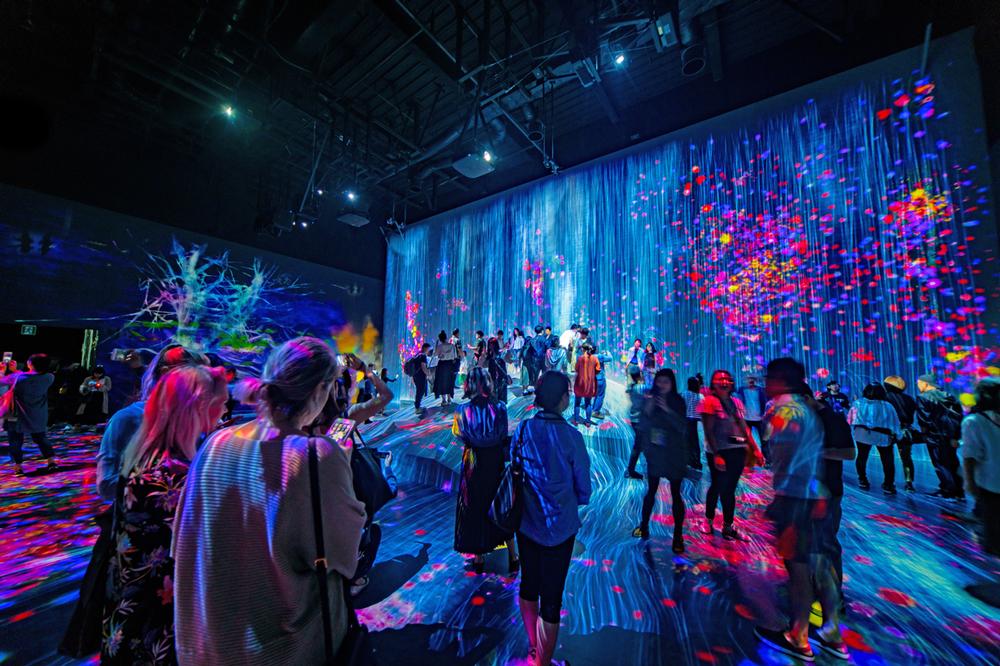
Will the double vaxxed become the most valued customers? / shutterstock/Aberu.Go Mori Digital Art Museum
Attractions operators and suppliers are accustomed to surviving the turmoil of global economic cycles and impacts on the industry by everything from volcanic eruptions to floods, coups and terrorist attacks.
Every time a new threat has emerged, the industry has risen to the challenge with innovations, new concepts and energy.
But throughout, one thing has remained constant – operators could take comfort from the fact that when customers returned, they behaved in fairly predictable ways.
As a result, the demographic profiling and market insights that drive tourism and attractions investments and operations have remained largely unchanged for many decades.
One of the biggest challenges facing the sector in the next five years, however, will be the reshaping of consumer groups by the pandemic. Demographics will still be a factor, but where once operators targeted certain groups by wealth or interest, now customers’ COVID status and attitudes towards the virus are becoming a new and important variable.
Those who’ve been doubled vaxxed and want to travel and visit attractions without restraint will be prized premium customers for many. Others who haven’t been (or can’t be) vaccinated, or who are fearful, will require a different approach and then there are the COVID deniers, who won’t be vaccinated, could be super spreaders and could shut businesses down. The situation with children is also complicated.
There may be little commonality between the people in these groups apart from their COVID status, so new thinking will be needed when it comes to market segmentation, experience design and the customer journey.
Using tech has enabled the industry to navigate its way through the pandemic far more nimbly than would have been possible even a decade ago and it will offer up more solutions as things progress.
On page 46 co-author of The Experience Economy, Joe Pine, flags up hybrid digital and physical offerings as a direction he believes will see us through the pandemic and beyond, contributing to a reorientation around visitors’ COVID status.
Pine says hybrid products can amplify the live experience, enable more people to attend and create important new revenue streams.
We hope to see sharing of best practice in relation to this challenge as the industry recovers.
Museums: Museum of everything
At Depot Van Beuningen, a new kind of museum is taking shape, with the whole collection on show
Interview: Joe Pine
From mass customised itineraries to hybrid experiences, the pandemic is influencing attractions trends, says thought leader, Joe Pine
Disney: The Art of Marvel
Disneyland Paris has opened its new Marvel-inspired hotel. Art director Caroline May tells us what made it such a special project to work on
Interview: Nicolas de Villiers
As Puy du Fou opens its first park outside France, its president tells Attractions Management about his ambitious global plans and why China is next on his radar
Research: All creatures great and small
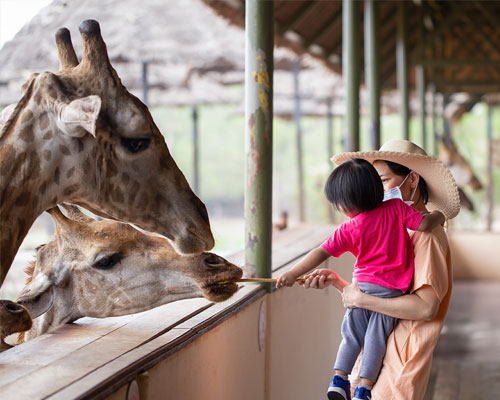
Large, charismatic animals drive footfall to zoos, but there are more unusual ways of boosting attendance, says Yvonne Buckley
Research: Power of youth
Teenage volunteers can help tween visitors get more out of their visits to science centres, new research shows
Disney: Reach for the stars
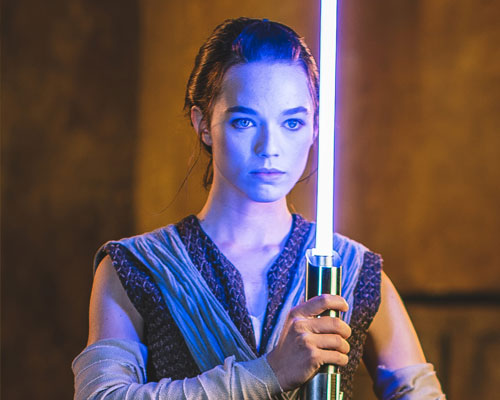
Dreamed up by Star Wars fans and brought to life by Disney Imagineers – a sneak peek at the Star Wars Galactic Starcruiser hotel experience
Research: Animal magic
A national study in Japan has shown how partnering with entertainment companies can help drive visits and donations to zoos
Museums: The way we live
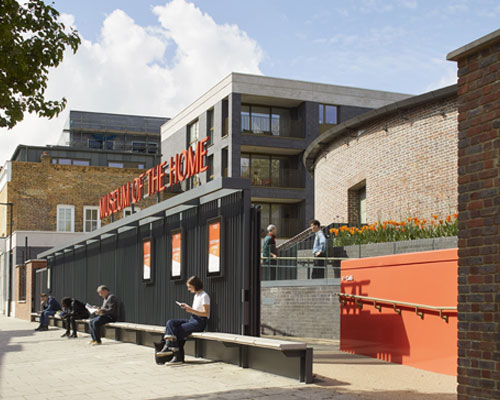
London’s Museum of the Home has reopened after a major refurbishment. We hear from the architects and museum director
We need new tools to understand visitors in light of their COVID status, meaning traditional market segmentation may not give operators the insights needed to drive product development and marketing
By Liz Terry | Published in Attractions Management 2021 issue 2
Will the double vaxxed become the most valued customers? / shutterstock/Aberu.Go Mori Digital Art Museum
Attractions operators and suppliers are accustomed to surviving the turmoil of global economic cycles and impacts on the industry by everything from volcanic eruptions to floods, coups and terrorist attacks.
Every time a new threat has emerged, the industry has risen to the challenge with innovations, new concepts and energy.
But throughout, one thing has remained constant – operators could take comfort from the fact that when customers returned, they behaved in fairly predictable ways.
As a result, the demographic profiling and market insights that drive tourism and attractions investments and operations have remained largely unchanged for many decades.
One of the biggest challenges facing the sector in the next five years, however, will be the reshaping of consumer groups by the pandemic. Demographics will still be a factor, but where once operators targeted certain groups by wealth or interest, now customers’ COVID status and attitudes towards the virus are becoming a new and important variable.
Those who’ve been doubled vaxxed and want to travel and visit attractions without restraint will be prized premium customers for many. Others who haven’t been (or can’t be) vaccinated, or who are fearful, will require a different approach and then there are the COVID deniers, who won’t be vaccinated, could be super spreaders and could shut businesses down. The situation with children is also complicated.
There may be little commonality between the people in these groups apart from their COVID status, so new thinking will be needed when it comes to market segmentation, experience design and the customer journey.
Using tech has enabled the industry to navigate its way through the pandemic far more nimbly than would have been possible even a decade ago and it will offer up more solutions as things progress.
On page 46 co-author of The Experience Economy, Joe Pine, flags up hybrid digital and physical offerings as a direction he believes will see us through the pandemic and beyond, contributing to a reorientation around visitors’ COVID status.
Pine says hybrid products can amplify the live experience, enable more people to attend and create important new revenue streams.
We hope to see sharing of best practice in relation to this challenge as the industry recovers.
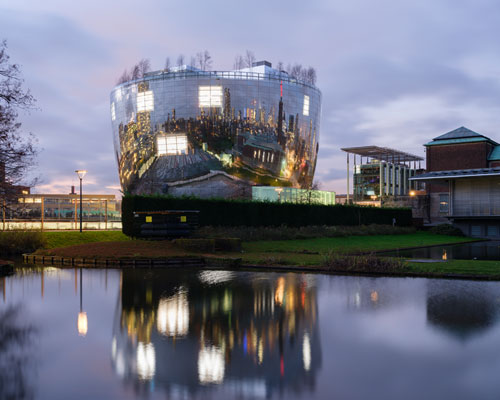
Museums: Museum of everything
At Depot Van Beuningen, a new kind of museum is taking shape, with the whole collection on show
Interview: Joe Pine
From mass customised itineraries to hybrid experiences, the pandemic is influencing attractions trends, says thought leader, Joe Pine
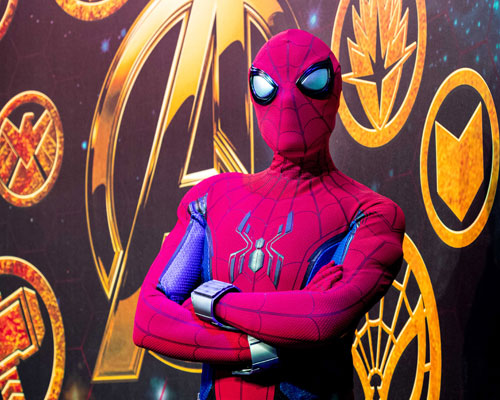
Disney: The Art of Marvel
Disneyland Paris has opened its new Marvel-inspired hotel. Art director Caroline May tells us what made it such a special project to work on
Interview: Nicolas de Villiers
As Puy du Fou opens its first park outside France, its president tells Attractions Management about his ambitious global plans and why China is next on his radar
Research: All creatures great and small
Large, charismatic animals drive footfall to zoos, but there are more unusual ways of boosting attendance, says Yvonne Buckley
Research: Power of youth
Teenage volunteers can help tween visitors get more out of their visits to science centres, new research shows
Disney: Reach for the stars
Dreamed up by Star Wars fans and brought to life by Disney Imagineers – a sneak peek at the Star Wars Galactic Starcruiser hotel experience
Research: Animal magic
A national study in Japan has shown how partnering with entertainment companies can help drive visits and donations to zoos
Museums: The way we live
London’s Museum of the Home has reopened after a major refurbishment. We hear from the architects and museum director
The UK spa review and discovery platform for consumers, the Good Spa Guide, has announced
it will host the Good Spa Guide Awards 2026 during an event on 16 November at Sopwell House
Hotel in St Albans, UK.
Eighty-four per cent of consumers now say wellness is a top priority in their lives, with this
percentage increasing year on year, according to a preview presentation of McKinsey’s Future of
Wellness 2026 research report.
Mass protests have been taking place since Monday 1 June in Albania over the development of
a luxury resort by Donald Trump’s daughter Ivanka Trump and her husband Jared Kushner.
Global Wellness Day (GWD) marked its 15th anniversary on Saturday 13 June 2026, with the
theme: #JoyMagenta – a celebration of the healing qualities of simple gestures and activities
that spark joy.
Global luxury hospitality brand, Six Senses, has partnered with longevity healthcare provider,
HUM2N, to launch a clinic at Six Senses London, at The Whiteley.
As part of its first hotel partnership, Mayrlife – the medical health resort company known for its
site in Altaussee, Austria – has launched a day clinic at the Rosewood Vienna.
Premium London health club, KX Chelsea, will imminently unveil its most significant
redevelopment since its launch in 2002 to create an integrated wellness model combining
training, recovery and relaxation.
Rosewood Le Guanahani St Barth, on the northeast coast of Saint Barthélemy in the French
West Indies, is offering a programme of ocean-inspired yoga classes between 8-14 June to
celebrate Global Wellness Day (GWD).
Hotel de France, located on the British Isle of Jersey, has created a wellness retreat package
that includes a hot yoga session that will take place in Jersey Zoo’s butterfly sanctuary.
The Ritz-Carlton, Langkawi, in Malaysia, has revealed a schedule for Global Wellness Day
(GWD) that includes guided rainforest walks, mindful movement and guided coastal meditation
experiences.