Yes! Send me the FREE digital editions of Spa Business and Spa Business insider magazines and the FREE weekly Spa Business and Spa Business insider ezines and breaking news alerts!
Research shows teenage volunteers help ‘tweens’ get the most out of
science centres, museums and other attractions. Magali Robathan speaks
to the people behind the research to find out the implications for
attractions wanting to make more meaningful connections with visitors
Researchers found teenagers connected powerfully with tweens / photo: SHUTTERSTOCK/SeventyFour
If you want to increase interest and engagement in museum exhibits in STEM subjects in children and tween visitors, enlist the help of teenage docents. This is the finding of recent research carried out by North Carolina State University in the US and the University of Exeter in the UK.
The study surveyed more than 2,100 visitors to ‘informal learning sites’, including a zoo, an aquarium, a children’s museum, a technology-themed museum and a health-themed science centre. It found that teenage educators had a positive effect on the experiences of all age groups, but the effect was most marked in children aged 9 to 11.
NC State researchers Kelly Lynn Mulvey, associate professor of psychology and Adam Hartstone-Rose, associate professor of biological sciences, led the research, which measured interest levels at the end of the visit with questions that covered topic interest and informational recall of exhibit content.
They found that levels of information retention among 9-to 11-year-olds were markedly higher when they interacted with a youth rather than an adult educator.
“We know that learning is highly social, so we expected that visitors would benefit more when they interacted with an educator,” Mulvey says. “But, we were very surprised at how helpful talking with a teen educator was – perhaps this is because a teenage educator isn’t too far removed from them, age-wise. Not only can the educator present the topic on the correct level, these kids can also look up to and see themselves in the teenagers, more than in an adult who they might view as just another teacher.”
The researchers were also surprised to find higher engagement levels from adults when interacting with youth educators as compared to adult educators.
“What was fascinating was not only the strong impact on child visitors, but also the higher engagement level from adults,” Hartstone-Rose says. “I refer to that effect as the ‘charm factor’ – the idea that the adults may want to invest time to help youth succeed.” Another theory was that learning from a youth educator poses less of a threat to the self-esteem of adult visitors than learning from an adult peer might.
“These results also make a compelling argument for investing in youth programmes,” Hartstone-Rose says. “The bottom line is, if you visit a zoo or museum, seek these people out – you will have a better experience.”
Here we speak to the researchers about their findings, and the implications for museums and attractions looking to reopen safely following the covid-19 pandemic.
Associate professor of psychology,
North Carolina State University
Kelly Lynn Mulvey started her career as a school teacher
What were the most surprising results from this study?
We were very excited to learn how much of a positive impact the youth educators had on both children and adults. We expected that children would do really well with youth educators, given prior research on how well children learn from their peers, but we were surprised that the adult visitors also really benefited from interacting with them.
How did teen docents impact engagement levels among visitors?
Adult visitors reported that they were significantly more interested and learned more when they interacted with a teen educator than with an adult educator. Children were highly interested and felt they learned a lot whether they interacted with a youth or adult educator.
Interestingly, children in middle childhood (aged 9-11 years) were able to accurately recall more information when they interacted with a youth educator than with an adult educator or with just the exhibit.
Why do you think the teen docents had such a noticeable impact on the engagement of tweens in particular?
We think that youth educators were able to connect well with our visitors in middle childhood. The youth educators were probably able to accurately judge what children in middle childhood already knew and what might be especially interesting to them about the exhibit. We expect that they made relevant connections with the visitors. It’s also possible that children in middle childhood looked up to the youth educators and were highly motivated to learn from teens.
Were you surprised by how much the teen docents increased engagement levels among adult visitors?
Yes! We think it’s possible that the adult visitors were especially engaged with the youth educators because they were charmed by them or were invested in wanting to help encourage the youth educators and thus spent more energy engaging with the youth educators than with adult educators.
Adam Hartstone-Rose, PhD
Associate professor
of biological sciences,
North Carolina State University
Hartstone-Rose worked with Mulvey on the research
What are the biggest benefits teenage docents get from volunteering?
The docents get an enormous amount out of the teen programme experience. That’s one of the things that we’re still studying, but preliminarily, we think that these programmes are fantastic for their STEM engagement, and we hope that they are especially good for encouraging under-represented groups to stay in these fields. Our study hasn’t made any modifications to the existing programmes – we’re just studying them as is.
What relevance does this research have as museums are dealing with the challenges of reopening safely?
As institutions struggle, they have to make difficult decisions about prioritisation and our data suggests that these teen programmes are great value; not only are they fantastic for the teen participants, but because the teens are such effective educators, the institutions are essentially getting twice the benefit. In other words, they get value toward their educational mission both in terms of the impact on the teens and the teens’ impact on the visitors.
Adult educators are also great, but our research would suggest that these teen programmes are actually more effective at supporting museums’ educational mission.
What would you like to see come of this research?
Our work is among the first to show quantitative evidence of the wonderful benefits of these teen programmes. As we disseminate these results, we hope that institutions realise how impactful programmes like this are and choose to start, grow and emphasise them.
By the end of the project, we hope to have evidence-based systems of ‘best practices’ for how to build or modify these teen programmes for maximum effectiveness toward creating and enhancing STEM interest and engagement – especially for target populations like girls and people from marginalised ethnic groups that can feel excluded from STEM fields as they progress in their educations.
These results make a compelling argument for investing in youth programmes
Youth docent programmes are of benefit to visitors and also to the teens / PHOTO: SHUTTERSTOCK/SeventyFour
Read more from this issue of Spa Business magazine
Museums: Museum of everything
At Depot Van Beuningen, a new kind of museum is taking shape, with the whole collection on show
Interview: Joe Pine
From mass customised itineraries to hybrid experiences, the pandemic is influencing attractions trends, says thought leader, Joe Pine
Disney: The Art of Marvel
Disneyland Paris has opened its new Marvel-inspired hotel. Art director Caroline May tells us what made it such a special project to work on
Interview: Nicolas de Villiers
As Puy du Fou opens its first park outside France, its president tells Attractions Management about his ambitious global plans and why China is next on his radar
Research: All creatures great and small
Large, charismatic animals drive footfall to zoos, but there are more unusual ways of boosting attendance, says Yvonne Buckley
Research: Power of youth
Teenage volunteers can help tween visitors get more out of their visits to science centres, new research shows
Disney: Reach for the stars
Dreamed up by Star Wars fans and brought to life by Disney Imagineers – a sneak peek at the Star Wars Galactic Starcruiser hotel experience
Research: Animal magic
A national study in Japan has shown how partnering with entertainment companies can help drive visits and donations to zoos
Museums: The way we live
London’s Museum of the Home has reopened after a major refurbishment. We hear from the architects and museum director
In today’s premium spa environment, every detail shapes the guest experience – right down to
the softness of towels and the freshness of linens. [more...]
+ More featured suppliers
COMPANY PROFILES
Aquaform
With a rich heritage in the spa industry, Aquaform offers a diverse array of water wellness experien [more...]
Research shows teenage volunteers help ‘tweens’ get the most out of
science centres, museums and other attractions. Magali Robathan speaks
to the people behind the research to find out the implications for
attractions wanting to make more meaningful connections with visitors
Researchers found teenagers connected powerfully with tweens / photo: SHUTTERSTOCK/SeventyFour
If you want to increase interest and engagement in museum exhibits in STEM subjects in children and tween visitors, enlist the help of teenage docents. This is the finding of recent research carried out by North Carolina State University in the US and the University of Exeter in the UK.
The study surveyed more than 2,100 visitors to ‘informal learning sites’, including a zoo, an aquarium, a children’s museum, a technology-themed museum and a health-themed science centre. It found that teenage educators had a positive effect on the experiences of all age groups, but the effect was most marked in children aged 9 to 11.
NC State researchers Kelly Lynn Mulvey, associate professor of psychology and Adam Hartstone-Rose, associate professor of biological sciences, led the research, which measured interest levels at the end of the visit with questions that covered topic interest and informational recall of exhibit content.
They found that levels of information retention among 9-to 11-year-olds were markedly higher when they interacted with a youth rather than an adult educator.
“We know that learning is highly social, so we expected that visitors would benefit more when they interacted with an educator,” Mulvey says. “But, we were very surprised at how helpful talking with a teen educator was – perhaps this is because a teenage educator isn’t too far removed from them, age-wise. Not only can the educator present the topic on the correct level, these kids can also look up to and see themselves in the teenagers, more than in an adult who they might view as just another teacher.”
The researchers were also surprised to find higher engagement levels from adults when interacting with youth educators as compared to adult educators.
“What was fascinating was not only the strong impact on child visitors, but also the higher engagement level from adults,” Hartstone-Rose says. “I refer to that effect as the ‘charm factor’ – the idea that the adults may want to invest time to help youth succeed.” Another theory was that learning from a youth educator poses less of a threat to the self-esteem of adult visitors than learning from an adult peer might.
“These results also make a compelling argument for investing in youth programmes,” Hartstone-Rose says. “The bottom line is, if you visit a zoo or museum, seek these people out – you will have a better experience.”
Here we speak to the researchers about their findings, and the implications for museums and attractions looking to reopen safely following the covid-19 pandemic.
Associate professor of psychology,
North Carolina State University
Kelly Lynn Mulvey started her career as a school teacher
What were the most surprising results from this study?
We were very excited to learn how much of a positive impact the youth educators had on both children and adults. We expected that children would do really well with youth educators, given prior research on how well children learn from their peers, but we were surprised that the adult visitors also really benefited from interacting with them.
How did teen docents impact engagement levels among visitors?
Adult visitors reported that they were significantly more interested and learned more when they interacted with a teen educator than with an adult educator. Children were highly interested and felt they learned a lot whether they interacted with a youth or adult educator.
Interestingly, children in middle childhood (aged 9-11 years) were able to accurately recall more information when they interacted with a youth educator than with an adult educator or with just the exhibit.
Why do you think the teen docents had such a noticeable impact on the engagement of tweens in particular?
We think that youth educators were able to connect well with our visitors in middle childhood. The youth educators were probably able to accurately judge what children in middle childhood already knew and what might be especially interesting to them about the exhibit. We expect that they made relevant connections with the visitors. It’s also possible that children in middle childhood looked up to the youth educators and were highly motivated to learn from teens.
Were you surprised by how much the teen docents increased engagement levels among adult visitors?
Yes! We think it’s possible that the adult visitors were especially engaged with the youth educators because they were charmed by them or were invested in wanting to help encourage the youth educators and thus spent more energy engaging with the youth educators than with adult educators.
Adam Hartstone-Rose, PhD
Associate professor
of biological sciences,
North Carolina State University
Hartstone-Rose worked with Mulvey on the research
What are the biggest benefits teenage docents get from volunteering?
The docents get an enormous amount out of the teen programme experience. That’s one of the things that we’re still studying, but preliminarily, we think that these programmes are fantastic for their STEM engagement, and we hope that they are especially good for encouraging under-represented groups to stay in these fields. Our study hasn’t made any modifications to the existing programmes – we’re just studying them as is.
What relevance does this research have as museums are dealing with the challenges of reopening safely?
As institutions struggle, they have to make difficult decisions about prioritisation and our data suggests that these teen programmes are great value; not only are they fantastic for the teen participants, but because the teens are such effective educators, the institutions are essentially getting twice the benefit. In other words, they get value toward their educational mission both in terms of the impact on the teens and the teens’ impact on the visitors.
Adult educators are also great, but our research would suggest that these teen programmes are actually more effective at supporting museums’ educational mission.
What would you like to see come of this research?
Our work is among the first to show quantitative evidence of the wonderful benefits of these teen programmes. As we disseminate these results, we hope that institutions realise how impactful programmes like this are and choose to start, grow and emphasise them.
By the end of the project, we hope to have evidence-based systems of ‘best practices’ for how to build or modify these teen programmes for maximum effectiveness toward creating and enhancing STEM interest and engagement – especially for target populations like girls and people from marginalised ethnic groups that can feel excluded from STEM fields as they progress in their educations.
These results make a compelling argument for investing in youth programmes
Youth docent programmes are of benefit to visitors and also to the teens / PHOTO: SHUTTERSTOCK/SeventyFour
Read more from this issue of Spa Business magazine
Museums: Museum of everything
At Depot Van Beuningen, a new kind of museum is taking shape, with the whole collection on show
Interview: Joe Pine
From mass customised itineraries to hybrid experiences, the pandemic is influencing attractions trends, says thought leader, Joe Pine
Disney: The Art of Marvel
Disneyland Paris has opened its new Marvel-inspired hotel. Art director Caroline May tells us what made it such a special project to work on
Interview: Nicolas de Villiers
As Puy du Fou opens its first park outside France, its president tells Attractions Management about his ambitious global plans and why China is next on his radar
Research: All creatures great and small
Large, charismatic animals drive footfall to zoos, but there are more unusual ways of boosting attendance, says Yvonne Buckley
Research: Power of youth
Teenage volunteers can help tween visitors get more out of their visits to science centres, new research shows
Disney: Reach for the stars
Dreamed up by Star Wars fans and brought to life by Disney Imagineers – a sneak peek at the Star Wars Galactic Starcruiser hotel experience
Research: Animal magic
A national study in Japan has shown how partnering with entertainment companies can help drive visits and donations to zoos
Museums: The way we live
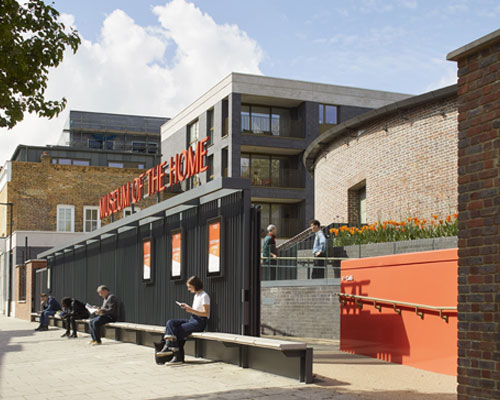
London’s Museum of the Home has reopened after a major refurbishment. We hear from the architects and museum director
The Standards Authority for Touch in Cancer Care (SATCC) charity has announced its first five-
day Living with Cancer and Beyond retreat, which will be held at Carden Park Hotel and Spa in
Cheshire, UK, between 1 and 5 September.
Patmos Aktis, a Luxury Collection Resort and Spa, has opened in Greece, with a renovated and
rebranded wellness offering called Ansana Wellness and Spa.
The Mauna Kea Beach Hotel, an Autograph Collection property in Hawaii, US, has opened its
22,000 sq ft indoor-outdoor Spa at Mauna Kea as the final step in the property’s overall
renovation, which has cost more than US$180 million (€166 million, £140 mill
The UK spa review and discovery platform for consumers, the Good Spa Guide, has announced
it will host the Good Spa Guide Awards 2026 during an event on 16 November at Sopwell House
Hotel in St Albans, UK.
Eighty-four per cent of consumers now say wellness is a top priority in their lives, with this
percentage increasing year on year, according to a preview presentation of McKinsey’s Future of
Wellness 2026 research report.
Mass protests have been taking place since Monday 1 June in Albania over the development of
a luxury resort by Donald Trump’s daughter Ivanka Trump and her husband Jared Kushner.
Global Wellness Day (GWD) marked its 15th anniversary on Saturday 13 June 2026, with the
theme: #JoyMagenta – a celebration of the healing qualities of simple gestures and activities
that spark joy.
Global luxury hospitality brand, Six Senses, has partnered with longevity healthcare provider,
HUM2N, to launch a clinic at Six Senses London, at The Whiteley.
As part of its first hotel partnership, Mayrlife – the medical health resort company known for its
site in Altaussee, Austria – has launched a day clinic at the Rosewood Vienna.
Premium London health club, KX Chelsea, will imminently unveil its most significant
redevelopment since its launch in 2002 to create an integrated wellness model combining
training, recovery and relaxation.
In today’s premium spa environment, every detail shapes the guest experience – right down to
the softness of towels and the freshness of linens. [more...]
+ More featured suppliers
COMPANY PROFILES
Aquaform With a rich heritage in the spa industry, Aquaform offers a diverse array of water wellness experien [more...]