Yes! Send me the FREE digital editions of Spa Business and Spa Business insider magazines and the FREE weekly Spa Business and Spa Business insider ezines and breaking news alerts!
Massage robots driven by artificial intelligence are coming to market, while chatbots are becoming ever more powerful.
AI could transform our industry if we learn to embrace innovation
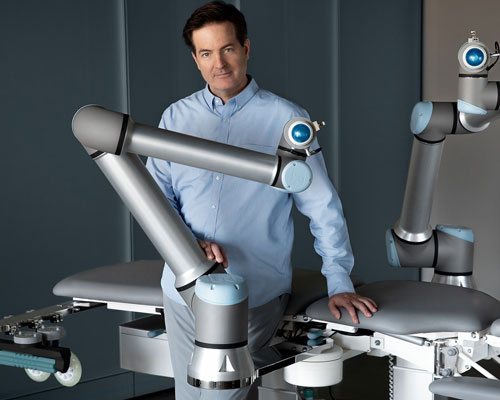
Massage Robotics has already launched an AI-powered device / photo: Massage Robotics
You’re lying on a massage table but there isn’t a therapist in the room. Instead, you’re scanned by a machine that detects muscle and joint issues and uses energy field imaging to locate ‘blockages’. Then an AI massage robot (that you can interact with in real-time) gets to work, taking these parameters into account.
This may sound like sci-fi, but companies such as Massage Robotics, Aescape and Capsix Robotics are engaged in bringing such products to market.
These early AI massage robots can adjust pressure and technique, but are not yet a match for a skilled therapist, however, by their very nature AI devices have the capacity to learn rapidly and our reporters who’ve tried them say sessions are surprisingly pleasant.
The industry has struggled for years with staff shortages and hasn’t done enough to invest in employee salaries, training or development, so we expect some operators to welcome AI robots that can deliver services reliably and be classed as a capital asset rather than a cost centre.
The risk for the sector, however, is that their arrival will negatively alter consumers’ views of the services we offer, meaning AI robots will need to be deployed with care.
They could prevent staff burnout if used by therapists to assist with treatments and we foresee a time when robots and humans work side by side.
But if we don’t integrate them carefully they could cause harm, so a tactical, industry-wide approach, backed up by effective training governed by leading industry bodies is needed.
Also coming down the AI track are new, highly sophisticated chatbots by Google, Microsoft and OpenAI which act as hyper-personalised internet assistants, guiding purchasing decisions.
In his debut as Spa Business’ contributing editor on page 18, Jeremy McCarthy focuses on chatbots, predicting the tech behind them will change the world on a scale akin to the internet.
People who work in spas are typically focused on hands-on healing, shying away from tech, however, we have a real opportunity to become a leading sector in the use of AI if we tackle it fearlessly and ensure our teams are trained in its use.
Although AI in its many guises still feels a way off, now is the time to prepare to embrace innovation.
Katie Barnes is the editor of Spa Business magazine
| [email protected]
Read more from this issue of Spa Business magazine
Write to reply: Letters
Zulal's Sandie Johannessen shares her passion for medical wellness and Kloodos' Julie Cichocki says wellness protocols should start with the vagus nerve
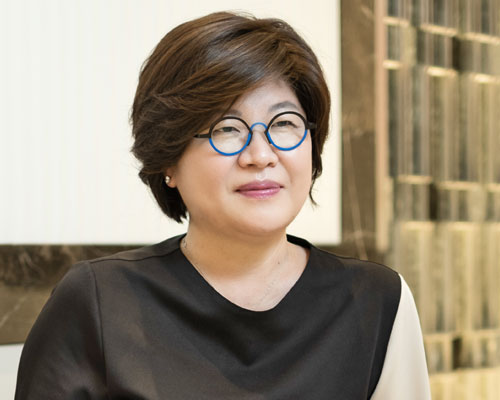
Spa People: Leekyung Han
The South Korean-born spa consultant on why her home country should be on the radar of all wellness developers
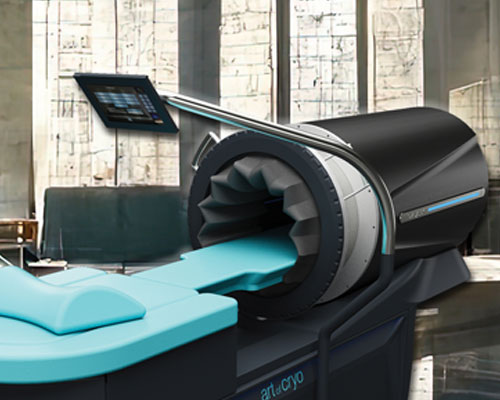
Sponsored: Art of Cryo: Working well
Spa operators and corporate offices can now offer a comprehensive, six-part wellness journey designed by Art of Cryo to elevate health
Research: Wellness Travel Consumer Survey
A general reboot and nature/outdoor activities are key considerations for wellness tourists according to a new study by WTA. Anne Dimon reports
First person: Doctor’s orders
Can a partnership with an international hospital elevate a wellness retreat? Neena Dhillon visits RAKxa in Bangkok, Thailand to find out
Interview: Justin Musgrove
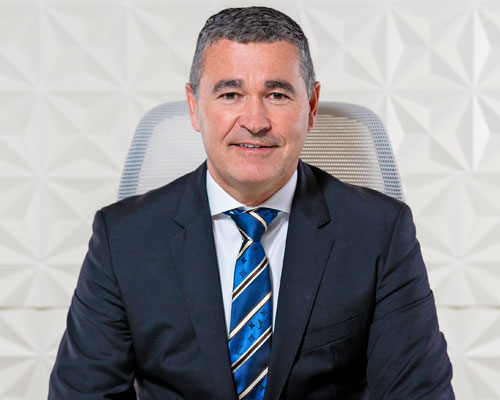
We talk to the CEO of Core Life, the exclusive lifestyle brand which has ambitions to expand to the world's most affluent cities
Sponsored: Starpool: Zerobody Cryo
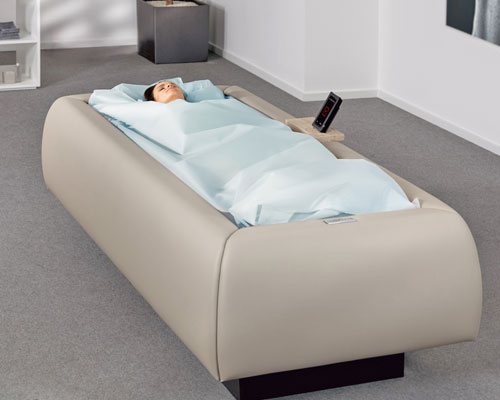
The new Zerobody Cryo will deliver comfortable cold therapy for spa, wellness and sports says Starpool CEO, Riccardo Turri
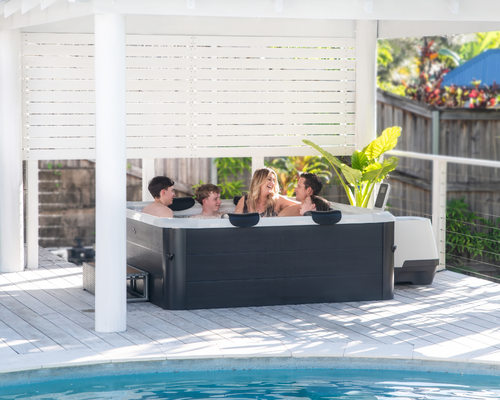
The MSpa Oslo series is a perennial bestseller in global markets. With innovative
engineering and premium performance, this completely portable spa line-up is expertly
designed to meet the needs of customers worldwide. [more...]
Massage robots driven by artificial intelligence are coming to market, while chatbots are becoming ever more powerful.
AI could transform our industry if we learn to embrace innovation
Massage Robotics has already launched an AI-powered device / photo: Massage Robotics
You’re lying on a massage table but there isn’t a therapist in the room. Instead, you’re scanned by a machine that detects muscle and joint issues and uses energy field imaging to locate ‘blockages’. Then an AI massage robot (that you can interact with in real-time) gets to work, taking these parameters into account.
This may sound like sci-fi, but companies such as Massage Robotics, Aescape and Capsix Robotics are engaged in bringing such products to market.
These early AI massage robots can adjust pressure and technique, but are not yet a match for a skilled therapist, however, by their very nature AI devices have the capacity to learn rapidly and our reporters who’ve tried them say sessions are surprisingly pleasant.
The industry has struggled for years with staff shortages and hasn’t done enough to invest in employee salaries, training or development, so we expect some operators to welcome AI robots that can deliver services reliably and be classed as a capital asset rather than a cost centre.
The risk for the sector, however, is that their arrival will negatively alter consumers’ views of the services we offer, meaning AI robots will need to be deployed with care.
They could prevent staff burnout if used by therapists to assist with treatments and we foresee a time when robots and humans work side by side.
But if we don’t integrate them carefully they could cause harm, so a tactical, industry-wide approach, backed up by effective training governed by leading industry bodies is needed.
Also coming down the AI track are new, highly sophisticated chatbots by Google, Microsoft and OpenAI which act as hyper-personalised internet assistants, guiding purchasing decisions.
In his debut as Spa Business’ contributing editor on page 18, Jeremy McCarthy focuses on chatbots, predicting the tech behind them will change the world on a scale akin to the internet.
People who work in spas are typically focused on hands-on healing, shying away from tech, however, we have a real opportunity to become a leading sector in the use of AI if we tackle it fearlessly and ensure our teams are trained in its use.
Although AI in its many guises still feels a way off, now is the time to prepare to embrace innovation.
Katie Barnes is the editor of Spa Business magazine
| [email protected]
Read more from this issue of Spa Business magazine
Write to reply: Letters
Zulal's Sandie Johannessen shares her passion for medical wellness and Kloodos' Julie Cichocki says wellness protocols should start with the vagus nerve
Spa People: Leekyung Han
The South Korean-born spa consultant on why her home country should be on the radar of all wellness developers
Sponsored: Art of Cryo: Working well
Spa operators and corporate offices can now offer a comprehensive, six-part wellness journey designed by Art of Cryo to elevate health
Research: Wellness Travel Consumer Survey
A general reboot and nature/outdoor activities are key considerations for wellness tourists according to a new study by WTA. Anne Dimon reports
First person: Doctor’s orders
Can a partnership with an international hospital elevate a wellness retreat? Neena Dhillon visits RAKxa in Bangkok, Thailand to find out
Interview: Justin Musgrove
We talk to the CEO of Core Life, the exclusive lifestyle brand which has ambitions to expand to the world's most affluent cities
Sponsored: Starpool: Zerobody Cryo
The new Zerobody Cryo will deliver comfortable cold therapy for spa, wellness and sports says Starpool CEO, Riccardo Turri
The UK's four Chief Medical Officers have published a refreshed edition of Physical activity
guidelines: UK Chief Medical Officers' report, updating the evidence that underpins the nation's
physical activity recommendations and placing greater emphasis on strength, balance, reducing
sedentary behaviour and, for the first time, supporting people taking weight loss medications.
Anna Bjurstam has left her role as Wellness Pioneer at Six Senses Hotels and Resorts and
launched a new wellness, longevity and “consciousness consultancy” called Wahayla.
Fairmont Cheshire, The Mere, has opened today (10 July) in the Northwest of England with a
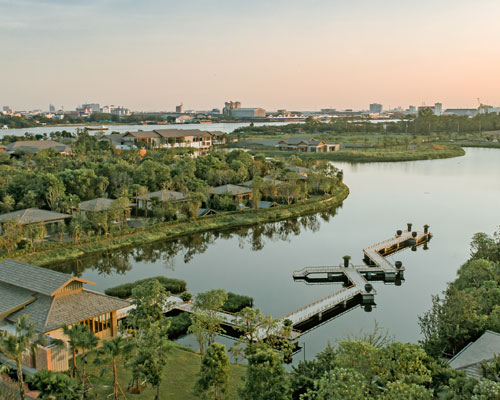
1,715sq m Fairmont Spa that has been designed using a ‘Wellness without Walls’ concept.
Wellness hotels generating less than US$1 million (€932,700, £785,200) – or 10 per cent of
total revenue from wellness and leisure – recorded the strongest RevPAR and TRevPAR growth
in 2025 across categories when compared with 2024, according to the latest Wellness Real
Estate Report by RLA Global, produced in partnership with P and L benchmarking firm HotStats.
Lefay Resorts, the portfolio of two luxury wellness properties in Italy, has added emotional
dance classes and group cold plunge sessions in response to market demand for social
connection.
Aditya Saluja, an industry leader in luxury wellness hospitality, has been
appointed as
commercial director of spa and wellness for the spa management division of
Minor Hotels,
MSpa International.
Preidlhof Luxury DolceVita Resort, a destination resort and spa in Naturno, South Tyrol in Italy,
will reveal a new spa in February 2027, which has been designed by wellness expert and
consultant Patrizia Bortolin.
The MSpa Oslo series is a perennial bestseller in global markets. With innovative
engineering and premium performance, this completely portable spa line-up is expertly
designed to meet the needs of customers worldwide. [more...]