When we exercise is more important than workout type or length in ensuring health
benefits, say scientists from Leiden University Medical Centre in the Netherlands
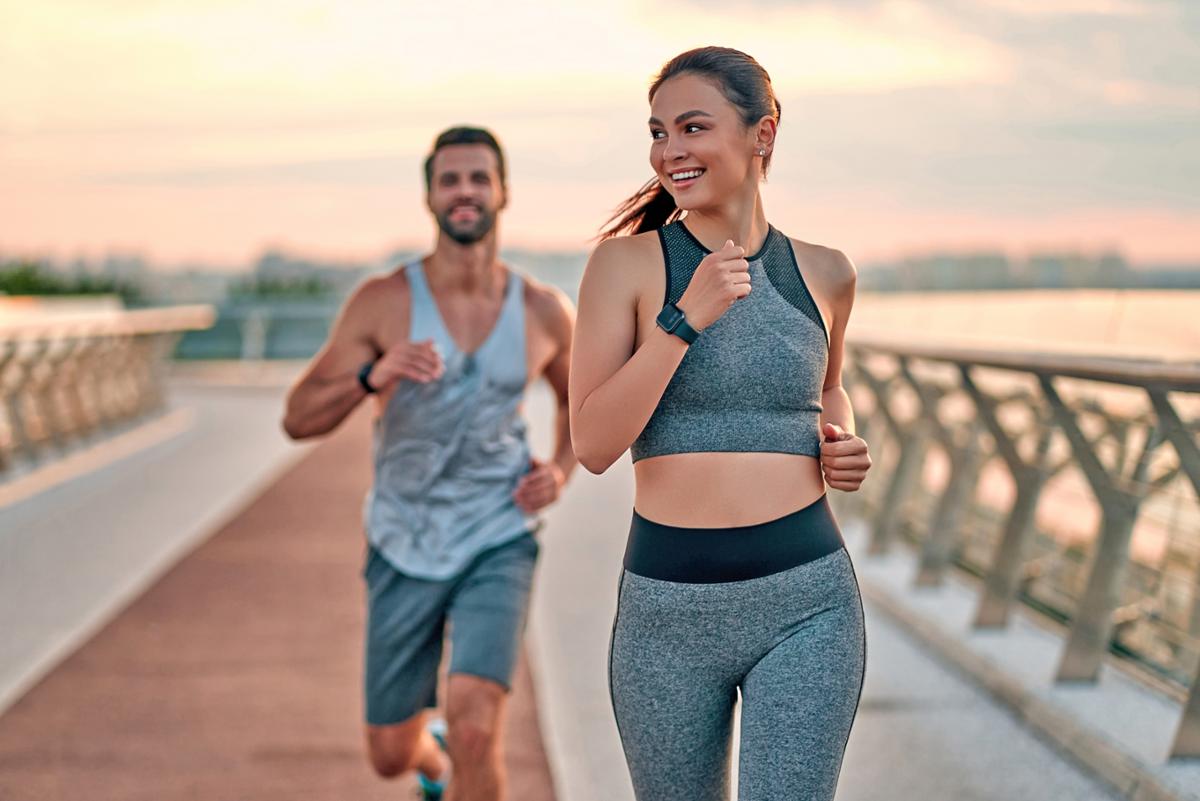
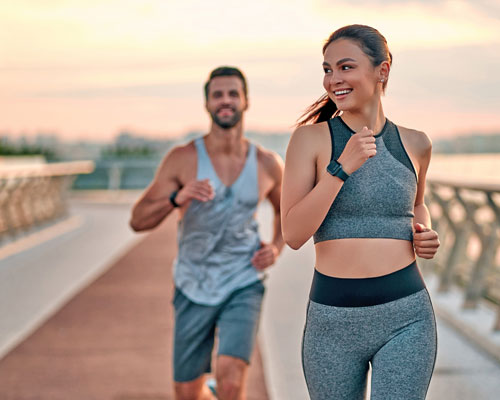
Exercise sessions should match the body’s circadian rhythms / shutterstock/4 PM production
Spas which offer a fitness element might benefit from thinking about the timings of sessions, according to new research from Leiden University Medical Center in the Netherlands.
The study, published in the European Journal of Preventive Cardiology*, found that the most benefit from exercise came when workouts matched the body’s circadian rhythm and that this was “more important” than the type or length of activity.
80,000-plus participants A team of researchers, led by physical therapist Gali Albalak, monitored 86,657 participants aged 42-76 over six years, using wearable trackers to chart heart rate data.
During the follow-up, 2,911 participants developed coronary artery disease (CAD) and 796 participants had suffered a stroke.
Risk patterns for CAD, stroke and ischaemic stroke were identified by investigating their associations with when they had been exercising.
Pattern of activity In terms of preventing CAD, stroke and ischaemic stroke, the researchers found that the optimum time of day to move was 8am-11am. Whereas exercising between 12 noon-6pm was not as beneficial.
Crucially, the data showed the same results, irrespective of personal chronobiology – in layman’s terms, whether the participants were ‘night owls’ or ‘morning larks’.
“The study adds to previous evidence that timing of physical activity is an additional independent contributing factor to cardiovascular risk and therefore adds a novel dimension to cardiovascular risk prevention,” the researchers wrote in their final report.
“Most notably, we observed that participants with the highest daily physical activity performed during the late morning had a 16 per cent decreased risk of CAD and a 17 per cent decreased risk of stroke.”
* Albalak, G et al. Setting your clock: associations between timing of objective physical activity and cardiovascular disease risk in the general population. European Journal of Preventive Cardiology, February 2023.
Read more from this issue of Spa Business magazine
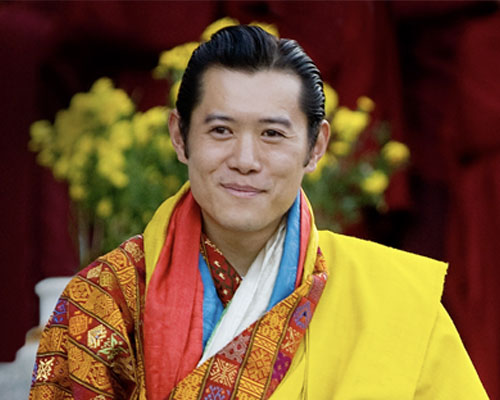
Profile: King of Bhutan
Plans for a 'mindfulness city' nearly as big as Hong Kong have been unveiled by the King of Bhutan. Katie Barnes takes a closer look
Destination focus: London
Major hotel brands from Mandarin Oriental and Raffles to Six Senses are all investing in the UK capital, but how will they differentiate themselves asks Katie Barnes
Sponsored: Beltrami – made in Italy
Beltrami has more than 50 years’ experience creating bespoke textile products for spas around the world, with a focus on quality
Jeremy McCarthy: Details matter
Attention to detail is a superpower and necessity in the luxury spa arena, says our contributing editor
Interview: Esin Güral Argat
The owner of Joali Being tells Neena Dhillon what inspired her to create an island dedicated to transformative wellbeing in the Maldives
Family matters: The Wilhelmis
The father and son duo behind the Buchinger Wilhelmi fasting method share their exciting plans for research and innovation with Megan Whitby
First person: By royal appointment
Lindsay Madden-Nadeau has a hypo-healing experience at Atlantis The Royal, Kerzner's sister property to the iconic Atlantis The Palm
Interview: Lyndell Nelis
The wellness director for Atlantis Resorts explains how its two Dubai properties are 'smashing it' when it comes to spa performance
New opening: Kilolani Spa
Grand Wailea's famous Hawaiian spa has been transformed into a moon-inspired, open-air haven
Event report: Hotting it up
Jane Kitchen reveals the thermal spa issues and trends delegates were talking about at this industry gathering in California
Sponsored: High end
Hoar Cross Hall has a new gym to match its award-winning hotel and spa. We find out more about the transformation
Software: Building relationships
Using personal data to create tailored experiences is paramount for spas, but operators have been fined millions for breaching GDPR. How can software systems help navigate this?
Sponsored: Add life
Increasing life expectancy is one of the great achievements of our
times and Starpool is working to bring real meaning to longevity
When we exercise is more important than workout type or length in ensuring health
benefits, say scientists from Leiden University Medical Centre in the Netherlands
Exercise sessions should match the body’s circadian rhythms / shutterstock/4 PM production
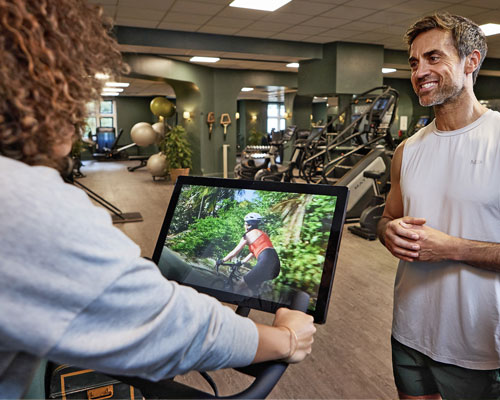
Spas which offer a fitness element might benefit from thinking about the timings of sessions, according to new research from Leiden University Medical Center in the Netherlands.
The study, published in the European Journal of Preventive Cardiology*, found that the most benefit from exercise came when workouts matched the body’s circadian rhythm and that this was “more important” than the type or length of activity.
80,000-plus participants A team of researchers, led by physical therapist Gali Albalak, monitored 86,657 participants aged 42-76 over six years, using wearable trackers to chart heart rate data.
During the follow-up, 2,911 participants developed coronary artery disease (CAD) and 796 participants had suffered a stroke.
Risk patterns for CAD, stroke and ischaemic stroke were identified by investigating their associations with when they had been exercising.
Pattern of activity In terms of preventing CAD, stroke and ischaemic stroke, the researchers found that the optimum time of day to move was 8am-11am. Whereas exercising between 12 noon-6pm was not as beneficial.
Crucially, the data showed the same results, irrespective of personal chronobiology – in layman’s terms, whether the participants were ‘night owls’ or ‘morning larks’.
“The study adds to previous evidence that timing of physical activity is an additional independent contributing factor to cardiovascular risk and therefore adds a novel dimension to cardiovascular risk prevention,” the researchers wrote in their final report.
“Most notably, we observed that participants with the highest daily physical activity performed during the late morning had a 16 per cent decreased risk of CAD and a 17 per cent decreased risk of stroke.”
* Albalak, G et al. Setting your clock: associations between timing of objective physical activity and cardiovascular disease risk in the general population. European Journal of Preventive Cardiology, February 2023.
Read more from this issue of Spa Business magazine
Profile: King of Bhutan
Plans for a 'mindfulness city' nearly as big as Hong Kong have been unveiled by the King of Bhutan. Katie Barnes takes a closer look
Destination focus: London
Major hotel brands from Mandarin Oriental and Raffles to Six Senses are all investing in the UK capital, but how will they differentiate themselves asks Katie Barnes
Sponsored: Beltrami – made in Italy
Beltrami has more than 50 years’ experience creating bespoke textile products for spas around the world, with a focus on quality
Jeremy McCarthy: Details matter
Attention to detail is a superpower and necessity in the luxury spa arena, says our contributing editor
Interview: Esin Güral Argat
The owner of Joali Being tells Neena Dhillon what inspired her to create an island dedicated to transformative wellbeing in the Maldives
Family matters: The Wilhelmis
The father and son duo behind the Buchinger Wilhelmi fasting method share their exciting plans for research and innovation with Megan Whitby
First person: By royal appointment
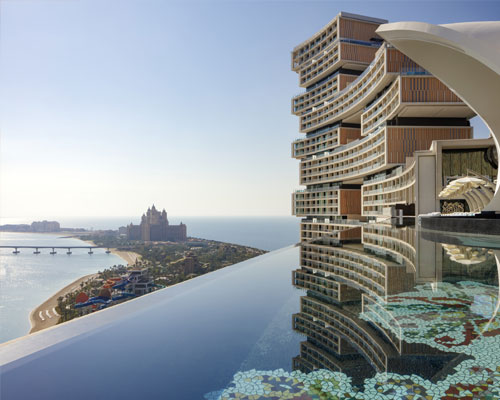
Lindsay Madden-Nadeau has a hypo-healing experience at Atlantis The Royal, Kerzner's sister property to the iconic Atlantis The Palm
Interview: Lyndell Nelis
The wellness director for Atlantis Resorts explains how its two Dubai properties are 'smashing it' when it comes to spa performance
New opening: Kilolani Spa
Grand Wailea's famous Hawaiian spa has been transformed into a moon-inspired, open-air haven
Event report: Hotting it up
Jane Kitchen reveals the thermal spa issues and trends delegates were talking about at this industry gathering in California
Sponsored: High end
Hoar Cross Hall has a new gym to match its award-winning hotel and spa. We find out more about the transformation
Software: Building relationships
Using personal data to create tailored experiences is paramount for spas, but operators have been fined millions for breaching GDPR. How can software systems help navigate this?
Sponsored: Add life
Increasing life expectancy is one of the great achievements of our
times and Starpool is working to bring real meaning to longevity
Gran Hotel Taoro in northern Tenerife, Spain, has completed the final phase of its three-year
renovation with the debut of its Sandára Wellness Centre.
Hand and Stone Massage and Facial Spa, the spa business with more than 650 locations across
the US and Canada, has appointed franchise expert Carrie Walsh as CEO as the company plans
to expand.
Synergy – The Retreat Show, the global trade show for retreats, has launched a global research
initiative that will provide insights into the retreat sector from both consumer and industry
perspectives.
The Wellness Tourism Association (WTA) has published a non-regulatory global industry
framework designed to ensure the retreat market offers responsible experiences.
A new survey of UK and international spa practitioners shows that stress, burnout and
wellbeing concerns have caused one in three respondents to consider leaving the industry.
The UK's four Chief Medical Officers have published a refreshed edition of Physical activity
guidelines: UK Chief Medical Officers' report, updating the evidence that underpins the nation's
physical activity recommendations and placing greater emphasis on strength, balance, reducing
sedentary behaviour and, for the first time, supporting people taking weight loss medications.
Anna Bjurstam has left her role as Wellness Pioneer at Six Senses Hotels and Resorts and
launched a new wellness, longevity and “consciousness consultancy” called Wahayla.
Fairmont Cheshire, The Mere, has opened today (10 July) in the Northwest of England
with a
1,715sq m Fairmont Spa that has been designed using a ‘Wellness without Walls’
concept.