Yes! Send me the FREE digital editions of Spa Business and Spa Business insider magazines and the FREE weekly Spa Business and Spa Business insider ezines and breaking news alerts!
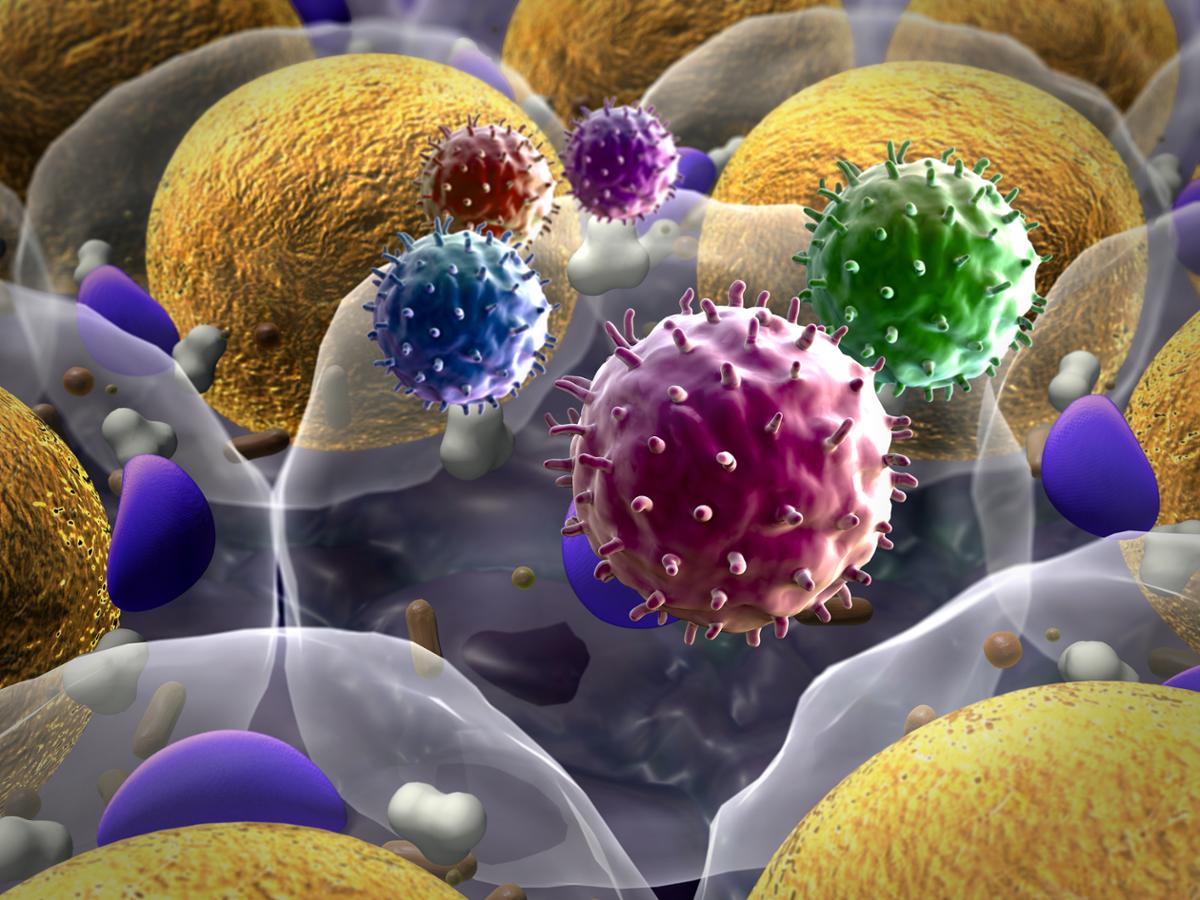
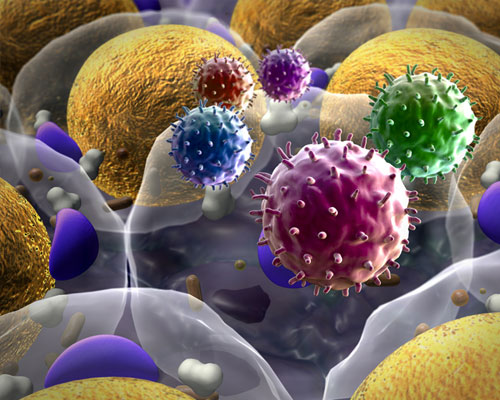
Researchers at Stanford found fat cells can be infected by COVID-19, provoking to a ‘robust inflammatory response’ / photo: Shutterstock/UGREEN 3S
New research suggests that COVID-19 infects fat cells, explaining why overweight and obese are at a higher risk of severe illness and death from COVID-19.
The study lends added credibility to the work being done by spa and wellness businesses in supporting people to control their levels of body fat.
The study, led by Stanford University School of Medicine, examined whether fat tissue obtained from bariatric surgery patients could become infected with the SARS-CoV-2, and tracked how various types of cells responded to the virus.
It found that fat cells and also immune cells (macrophages) can be infected, leading to a ‘robust inflammatory response’.
The findings show the virus is able to evade the immune defences within the body’s fat cells, before causing inflammation elsewhere in the body.
In addition to explaining why patients with excess body weight are particularly vulnerable, it may also explain why some younger adults with no underlying health issues become so ill.
‘Permissive’ fat tissue In reporting the details of the findings, the researchers said: “Collectively, our findings indicate that adipose (fat) tissue supports SARS-CoV-2 infection and pathogenic inflammation and may explain the link between obesity and severe COVID-19.“Obesity is associated with adverse COVID-19 outcomes, but the underlying mechanism was unknown up to this point.
“We demonstrate that human fat tissue is ‘permissive’ to SARS-CoV-2 infection – the virus that causes COVID-19 – and that infection elicits an inflammatory response, including the secretion of known inflammatory mediators of severe COVID-19.
“We identify two cellular targets of SARS-CoV-2 infection in adipose tissue: mature adipocytes and adipose tissue macrophages.
“Adipose tissue macrophage infection is largely restricted to a highly inflammatory subpopulation of macrophages, present at baseline, that is further activated in response to SARS-CoV-2 infection.
“Preadipocytes, while not infected, adopt a pro-inflammatory phenotype. We further demonstrate that SARS-CoV-2 RNA is detectable in adipocytes in COVID-19 autopsy cases and is associated with an inflammatory infiltrate.
Sponsored: Comfort Zone - Rethinking packaging
With its commitment to meeting the highest standards in relation to sustainability and regeneration, Comfort Zone is reducing its plastic footprint through the use of innovative packaging design and an important partnership to stop ocean-bound plastic
Project preview: Cultivating health
Montara Hospitality Group is developing Tri Vananda, a multi- generational, residential wellness community on the island of Phuket
Sponsored: Art of Cryo – Cold gold
Introducing cryotherapy can be lucrative for spas, as well as offering customers a cutting-edge therapy with powerful benefits for both body and mind
Interview: Brothers in spa
Saverio Quadrio Curzio of QC Terme on working with brother Andrea
on the global expansion of their luxury brand, which is built around European bathing traditions
Everyone’s talking about: Property investment
Reductions in travel and the growth
of homeworking have changed where people spend their time. Our experts consider how this will impact investment
Research: Crossing the watershed
The Global Wellness Institute dives deep into data on the US$4.4tr global wellness economy. Kath Hudson reports
Q&A: Michael Roizen & Victor Koo
The Global Wellness Summit in Boston brought the industry together for three idea-packed days. Spa Business caught up with this year's influential co-chairs
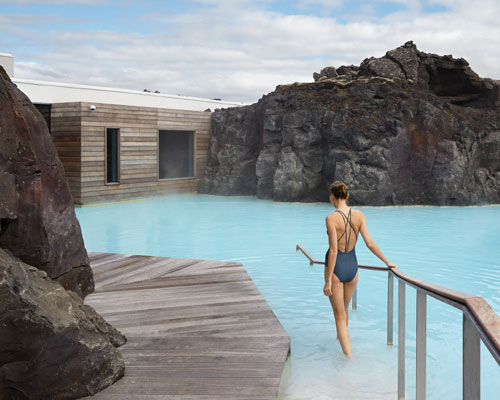
Mystery Shopper: Out of the blue
Jane Kitchen visits Iceland, the
land of fire and ice, to compare
and contrast experiences at the
famed Blue Lagoon and the newly-opened Sky Lagoon in Reykjavik
Sponsored: Optimal results
Gharieni is using research findings and insight to ensure its innovative wellness concepts exceed customers’ expectations
First person: True North
Andrew Gibson heads to Larvik in Norway to experience the world of wellness that is Farris Bad
Urban spas: La Samaritaine
Ghislain Waeyaert visits the Dior Spa at La Samaritaine in Paris, after its €500m upgrade
Spa software: Staff retention
How the latest software can help retain staff and increase business potential in a COVID-challenged world
Finishing touch: COVID attacks fat cells
Researchers from Stanford University set out to explain why people with obesity are at higher risk when contracting COVID-19, as Tom Walker reports
The MSpa Oslo series is a perennial bestseller in global markets. With innovative
engineering and premium performance, this completely portable spa line-up is expertly
designed to meet the needs of customers worldwide. [more...]
In the fast-paced world of fitness and wellness, where high-intensity workouts push us to
our limits and the sweat pours, the importance of efficient recovery cannot be overstated. [more...]
+ More featured suppliers
COMPANY PROFILES
Bellezi
Founded in 2009 as a Dutch family business, Bellezi brings more than 20 years of experience in treat [more...]
Researchers at Stanford found fat cells can be infected by COVID-19, provoking to a ‘robust inflammatory response’ / photo: Shutterstock/UGREEN 3S
New research suggests that COVID-19 infects fat cells, explaining why overweight and obese are at a higher risk of severe illness and death from COVID-19.
The study lends added credibility to the work being done by spa and wellness businesses in supporting people to control their levels of body fat.
The study, led by Stanford University School of Medicine, examined whether fat tissue obtained from bariatric surgery patients could become infected with the SARS-CoV-2, and tracked how various types of cells responded to the virus.
It found that fat cells and also immune cells (macrophages) can be infected, leading to a ‘robust inflammatory response’.
The findings show the virus is able to evade the immune defences within the body’s fat cells, before causing inflammation elsewhere in the body.
In addition to explaining why patients with excess body weight are particularly vulnerable, it may also explain why some younger adults with no underlying health issues become so ill.
‘Permissive’ fat tissue In reporting the details of the findings, the researchers said: “Collectively, our findings indicate that adipose (fat) tissue supports SARS-CoV-2 infection and pathogenic inflammation and may explain the link between obesity and severe COVID-19.“Obesity is associated with adverse COVID-19 outcomes, but the underlying mechanism was unknown up to this point.
“We demonstrate that human fat tissue is ‘permissive’ to SARS-CoV-2 infection – the virus that causes COVID-19 – and that infection elicits an inflammatory response, including the secretion of known inflammatory mediators of severe COVID-19.
“We identify two cellular targets of SARS-CoV-2 infection in adipose tissue: mature adipocytes and adipose tissue macrophages.
“Adipose tissue macrophage infection is largely restricted to a highly inflammatory subpopulation of macrophages, present at baseline, that is further activated in response to SARS-CoV-2 infection.
“Preadipocytes, while not infected, adopt a pro-inflammatory phenotype. We further demonstrate that SARS-CoV-2 RNA is detectable in adipocytes in COVID-19 autopsy cases and is associated with an inflammatory infiltrate.
Sponsored: Comfort Zone - Rethinking packaging
With its commitment to meeting the highest standards in relation to sustainability and regeneration, Comfort Zone is reducing its plastic footprint through the use of innovative packaging design and an important partnership to stop ocean-bound plastic
Project preview: Cultivating health
Montara Hospitality Group is developing Tri Vananda, a multi- generational, residential wellness community on the island of Phuket
Sponsored: Art of Cryo – Cold gold
Introducing cryotherapy can be lucrative for spas, as well as offering customers a cutting-edge therapy with powerful benefits for both body and mind
Interview: Brothers in spa
Saverio Quadrio Curzio of QC Terme on working with brother Andrea
on the global expansion of their luxury brand, which is built around European bathing traditions
Everyone’s talking about: Property investment
Reductions in travel and the growth
of homeworking have changed where people spend their time. Our experts consider how this will impact investment
Research: Crossing the watershed
The Global Wellness Institute dives deep into data on the US$4.4tr global wellness economy. Kath Hudson reports
Q&A: Michael Roizen & Victor Koo
The Global Wellness Summit in Boston brought the industry together for three idea-packed days. Spa Business caught up with this year's influential co-chairs
Mystery Shopper: Out of the blue
Jane Kitchen visits Iceland, the
land of fire and ice, to compare
and contrast experiences at the
famed Blue Lagoon and the newly-opened Sky Lagoon in Reykjavik
Sponsored: Optimal results
Gharieni is using research findings and insight to ensure its innovative wellness concepts exceed customers’ expectations
First person: True North
Andrew Gibson heads to Larvik in Norway to experience the world of wellness that is Farris Bad
Urban spas: La Samaritaine
Ghislain Waeyaert visits the Dior Spa at La Samaritaine in Paris, after its €500m upgrade
Spa software: Staff retention
How the latest software can help retain staff and increase business potential in a COVID-challenged world
Finishing touch: COVID attacks fat cells
Researchers from Stanford University set out to explain why people with obesity are at higher risk when contracting COVID-19, as Tom Walker reports
A new survey of UK and international spa practitioners shows that stress, burnout and
wellbeing concerns have caused one in three respondents to consider leaving the industry.
The UK's four Chief Medical Officers have published a refreshed edition of Physical activity
guidelines: UK Chief Medical Officers' report, updating the evidence that underpins the nation's
physical activity recommendations and placing greater emphasis on strength, balance, reducing
sedentary behaviour and, for the first time, supporting people taking weight loss medications.
Anna Bjurstam has left her role as Wellness Pioneer at Six Senses Hotels and Resorts and
launched a new wellness, longevity and “consciousness consultancy” called Wahayla.
Fairmont Cheshire, The Mere, has opened today (10 July) in the Northwest of England
with a
1,715sq m Fairmont Spa that has been designed using a ‘Wellness without Walls’
concept.
Wellness hotels generating less than US$1 million (€932,700, £785,200) – or 10 per cent of
total revenue from wellness and leisure – recorded the strongest RevPAR and TRevPAR growth
in 2025 across categories when compared with 2024, according to the latest Wellness Real
Estate Report by RLA Global, produced in partnership with P and L benchmarking firm HotStats.
Lefay Resorts, the portfolio of two luxury wellness properties in Italy, has added emotional
dance classes and group cold plunge sessions in response to market demand for social
connection.
Aditya Saluja, an industry leader in luxury wellness hospitality, has been
appointed as
commercial director of spa and wellness for the spa management division of
Minor Hotels,
MSpa International.
The MSpa Oslo series is a perennial bestseller in global markets. With innovative
engineering and premium performance, this completely portable spa line-up is expertly
designed to meet the needs of customers worldwide. [more...]
In the fast-paced world of fitness and wellness, where high-intensity workouts push us to
our limits and the sweat pours, the importance of efficient recovery cannot be overstated. [more...]
+ More featured suppliers
COMPANY PROFILES
Bellezi Founded in 2009 as a Dutch family business, Bellezi brings more than 20 years of experience in treat [more...]