Yes! Send me the FREE digital editions of Spa Business and Spa Business insider magazines and the FREE weekly Spa Business and Spa Business insider ezines and breaking news alerts!
Disney Imagineers use forced perspective to make buildings appear larger / Photo: Abigail Nilsson
Deep within the magic and marvel of Disneyland lies a sophisticated psychological tapestry woven intricately into its very fabric. A masterclass in the fusion of architectural design and human psychology, the park’s layout is more than just a spatial blueprint; it’s a meticulously crafted emotional journey. This labyrinth of wonder, with each turn and corner, has been carefully curated, not only to astound and delight but to resonate deeply with the human psyche.
The reason it resonates so powerfully is that it’s designed on a foundation of storytelling, and humans are hardwired to be moved by story. As we delve into the corridors of this iconic wonderland, we’ll unearth the principles that make Disneyland not merely a theme park, but an embodiment of psychological ingenuity, invoking feelings, memories, and experiences that transcend the physical realm.
Entrances as emotional connectors The Main Street USA entrance at Disneyland is a paradigm of emotional design. Drawing on research like that found in The Architecture of Happiness by Alain de Botton, the entrance’s turn-of-the-century aesthetic is no arbitrary choice. It’s crafted to evoke a sense of nostalgia, a longing for a simpler, more idyllic past, which research suggests can create a positive emotional state. Similarly, Universal Studios’ entry replicates a movie set, instantly immersing visitors in the glamour and excitement of film, directly aligning with the notion that environment significantly influences emotion and behaviour. Ask yourself: Does your entrance pave the way for emotional engagement?
The significance of scale illusion The Sleeping Beauty Castle employs forced perspective to appear larger than it is, enhancing visitors’ sense of wonder. This technique is grounded in findings such as those in the environmental psychology field, where it’s understood that perceived spatial dimensions affect human emotions.
In a similar vein, the Hogwarts Castle at Universal’s Islands of Adventure uses forced perspective, creating a sense of awe and majesty that supports the thematic narrative. It’s worth taking inspiration from these projects and thinking about whether your design amplifies the visitor’s spatial experience.
Choice as an empowerment tool At Disneyland, guests can choose from various paths to embark on their journey, supporting the psychological need for autonomy, as outlined in Deci and Ryan’s Self-Determination Theory. This mirrors findings from Iyengar and Lepper’s 2000 study where subjects presented with limited choices were more satisfied than those with an overwhelming array.
Epcot’s World Showcase allows guests to select countries to visit in any order, fostering a sense of control and personalisation in their experience.
Surprises as engagement boosters Disneyland is replete with hidden Mickeys, fostering a sense of discovery akin to the dopamine-driven feedback loops discussed in Zuckerman’s Sensation Seeking theory. This application of surprise echoes the engaging nature of hidden elements found in other parks, like the whispering arches at St. Louis Union Station, which invite visitors to partake in the 1890 legendary discovery, thereby deepening the engagement with the space.
Strategic deployment of colour The colour palettes of Disneyland are no accident; they’re designed to elicit specific responses, a strategy backed by research such as the Impact of Colour on Marketing study, which found up to 90 per cent of snap judgments about products can be based on colour alone.
The calming blue hues of Tomorrowland facilitate a sense of tranquillity, while the vibrant colours of Toontown stimulate energy and excitement. Legoland uses bright primary colours throughout its parks to evoke a playful and creative atmosphere, engaging visitors, especially children.
The essence of multisensory engagement Engaging all senses, Disneyland creates an immersive experience. Studies like Krishna’s An Integrative Review of Sensory Marketing suggest that multisensory experiences can lead to more profound emotional connections with a brand or space. The smell of vanilla and freshly baked goods on Main Street creates a welcoming atmosphere, while the tactile nature of the interactive exhibits in the Innoventions area engages visitors in a physically and mentally immersive way.
This multisensory approach is replicated in places like Singapore Zoo, where the use of natural sounds and scents complements the visual experience to engage visitors more deeply with the exhibits. How is your park tapping into this rich vein of memory-making?
Queues as narrative extenders The concept of turning queues into an engaging part of the story is exemplified by Disneyland’s Indiana Jones Adventure, where the line winds through a carefully recreated archaeological dig site. This approach is grounded in Maister’s proposition that perceived wait times can drastically affect customer satisfaction. The Wizarding World of Harry Potter at Universal Studios takes this further with its Hogwarts queue, engaging guests with talking portraits and replicas of iconic rooms from the series, making the wait part of the attraction itself.
In essence, Disneyland isn’t just a park; it’s a masterclass in leveraging human psychology for unparalleled experiences. As we chart the future course of themed entertainment, let’s be guided by these insights, ensuring our creations are as profound in impact as they are grand in vision. Here’s to a future driven by insight and imagination.
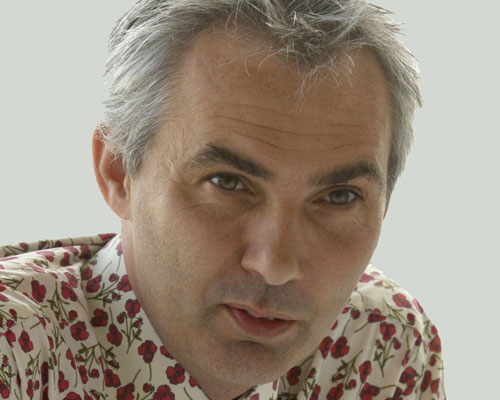
Photo: Justyn Smith
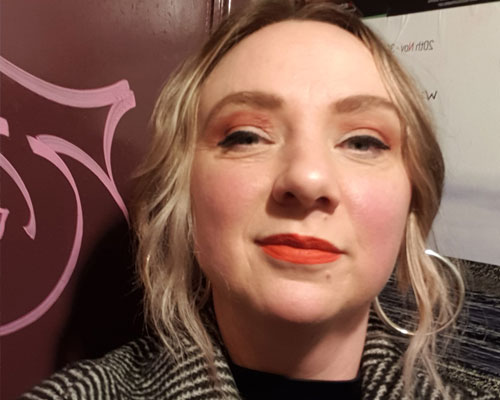
Justyn Smith is a children’s theming expert and story catalyst at immersive design company Storyland Studios
ABOUT STORYLAND STUDIOS
Storyland Studios is a full-service strategy and design firm whose mission is to imagine, design, and create immersive experiences and environments. With offices in California, Atlanta, Orlando and London, its team of professionals specialise in strategic storytelling in theme parks, museum and resorts projects.
Clients include Knott’s Berry Farm, Sea Life, Legoland, BBC Earth, Universal Studios Florida, Seoul Grand Park and Storyville Gardens.
Read more from this issue of Spa Business magazine
Interview: Sabrina de Carvalho
Changes are coming for Italian theme park Gardaland, with the launch of a major new attraction and an upcoming milestone. Its CEO lets us into the plans
Theme parks: Adventure unleashed
Some seriously exciting new rides and theme parks are taking shape across the globe. We highlight a few of our favourites
Immersive attractions: Sam Bompas
From fireworks displays that you can taste to a breathable cocktail cloud, Bompas & Parr redefine immersive experiences. We hear about their latest project
Technology: Beyond the rides
How can holographic technology be used to wow visitors and connect with audiences? We get an expert opinion
Talking point: Peak experiences
People are increasingly searching for experiences that transcend their daily lives. How can attractions create environments that spark joy and transformation?
Immersive attractions: Tom Lionetti-Maguire
In 2015, an unemployed actor caught the public mood when he launched the Crystal Maze Live Experience. Now the CEO of Little Lion is moving into the world of live video games
First person: Mastering the magic
When it comes to using architecture to evoke emotion in theme park design, none do it better than Disney, argues Justyn Smith. Here’s what we can learn from the magic-makers
In the fast-paced world of fitness and wellness, where high-intensity workouts push us to
our limits and the sweat pours, the importance of efficient recovery cannot be overstated. [more...]
+ More featured suppliers
COMPANY PROFILES
Agilysys UK Ltd
Agilysys, Inc. (Nasdaq: AGYS) delivers
comprehensive, modular hospitality
software solutions that [more...]
Knesko Skin
Known for their unique approach to wellness and beauty, Knesko’s products combine ancient healing tr [more...]
Disney Imagineers use forced perspective to make buildings appear larger / Photo: Abigail Nilsson
Deep within the magic and marvel of Disneyland lies a sophisticated psychological tapestry woven intricately into its very fabric. A masterclass in the fusion of architectural design and human psychology, the park’s layout is more than just a spatial blueprint; it’s a meticulously crafted emotional journey. This labyrinth of wonder, with each turn and corner, has been carefully curated, not only to astound and delight but to resonate deeply with the human psyche.
The reason it resonates so powerfully is that it’s designed on a foundation of storytelling, and humans are hardwired to be moved by story. As we delve into the corridors of this iconic wonderland, we’ll unearth the principles that make Disneyland not merely a theme park, but an embodiment of psychological ingenuity, invoking feelings, memories, and experiences that transcend the physical realm.
Entrances as emotional connectors The Main Street USA entrance at Disneyland is a paradigm of emotional design. Drawing on research like that found in The Architecture of Happiness by Alain de Botton, the entrance’s turn-of-the-century aesthetic is no arbitrary choice. It’s crafted to evoke a sense of nostalgia, a longing for a simpler, more idyllic past, which research suggests can create a positive emotional state. Similarly, Universal Studios’ entry replicates a movie set, instantly immersing visitors in the glamour and excitement of film, directly aligning with the notion that environment significantly influences emotion and behaviour. Ask yourself: Does your entrance pave the way for emotional engagement?
The significance of scale illusion The Sleeping Beauty Castle employs forced perspective to appear larger than it is, enhancing visitors’ sense of wonder. This technique is grounded in findings such as those in the environmental psychology field, where it’s understood that perceived spatial dimensions affect human emotions.
In a similar vein, the Hogwarts Castle at Universal’s Islands of Adventure uses forced perspective, creating a sense of awe and majesty that supports the thematic narrative. It’s worth taking inspiration from these projects and thinking about whether your design amplifies the visitor’s spatial experience.
Choice as an empowerment tool At Disneyland, guests can choose from various paths to embark on their journey, supporting the psychological need for autonomy, as outlined in Deci and Ryan’s Self-Determination Theory. This mirrors findings from Iyengar and Lepper’s 2000 study where subjects presented with limited choices were more satisfied than those with an overwhelming array.
Epcot’s World Showcase allows guests to select countries to visit in any order, fostering a sense of control and personalisation in their experience.
Surprises as engagement boosters Disneyland is replete with hidden Mickeys, fostering a sense of discovery akin to the dopamine-driven feedback loops discussed in Zuckerman’s Sensation Seeking theory. This application of surprise echoes the engaging nature of hidden elements found in other parks, like the whispering arches at St. Louis Union Station, which invite visitors to partake in the 1890 legendary discovery, thereby deepening the engagement with the space.
Strategic deployment of colour The colour palettes of Disneyland are no accident; they’re designed to elicit specific responses, a strategy backed by research such as the Impact of Colour on Marketing study, which found up to 90 per cent of snap judgments about products can be based on colour alone.
The calming blue hues of Tomorrowland facilitate a sense of tranquillity, while the vibrant colours of Toontown stimulate energy and excitement. Legoland uses bright primary colours throughout its parks to evoke a playful and creative atmosphere, engaging visitors, especially children.
The essence of multisensory engagement Engaging all senses, Disneyland creates an immersive experience. Studies like Krishna’s An Integrative Review of Sensory Marketing suggest that multisensory experiences can lead to more profound emotional connections with a brand or space. The smell of vanilla and freshly baked goods on Main Street creates a welcoming atmosphere, while the tactile nature of the interactive exhibits in the Innoventions area engages visitors in a physically and mentally immersive way.
This multisensory approach is replicated in places like Singapore Zoo, where the use of natural sounds and scents complements the visual experience to engage visitors more deeply with the exhibits. How is your park tapping into this rich vein of memory-making?
Queues as narrative extenders The concept of turning queues into an engaging part of the story is exemplified by Disneyland’s Indiana Jones Adventure, where the line winds through a carefully recreated archaeological dig site. This approach is grounded in Maister’s proposition that perceived wait times can drastically affect customer satisfaction. The Wizarding World of Harry Potter at Universal Studios takes this further with its Hogwarts queue, engaging guests with talking portraits and replicas of iconic rooms from the series, making the wait part of the attraction itself.
In essence, Disneyland isn’t just a park; it’s a masterclass in leveraging human psychology for unparalleled experiences. As we chart the future course of themed entertainment, let’s be guided by these insights, ensuring our creations are as profound in impact as they are grand in vision. Here’s to a future driven by insight and imagination.
Photo: Justyn Smith
Justyn Smith is a children’s theming expert and story catalyst at immersive design company Storyland Studios
ABOUT STORYLAND STUDIOS
Storyland Studios is a full-service strategy and design firm whose mission is to imagine, design, and create immersive experiences and environments. With offices in California, Atlanta, Orlando and London, its team of professionals specialise in strategic storytelling in theme parks, museum and resorts projects.
Clients include Knott’s Berry Farm, Sea Life, Legoland, BBC Earth, Universal Studios Florida, Seoul Grand Park and Storyville Gardens.
Read more from this issue of Spa Business magazine
Interview: Sabrina de Carvalho
Changes are coming for Italian theme park Gardaland, with the launch of a major new attraction and an upcoming milestone. Its CEO lets us into the plans
Theme parks: Adventure unleashed
Some seriously exciting new rides and theme parks are taking shape across the globe. We highlight a few of our favourites
Immersive attractions: Sam Bompas
From fireworks displays that you can taste to a breathable cocktail cloud, Bompas & Parr redefine immersive experiences. We hear about their latest project
Technology: Beyond the rides
How can holographic technology be used to wow visitors and connect with audiences? We get an expert opinion
Talking point: Peak experiences
People are increasingly searching for experiences that transcend their daily lives. How can attractions create environments that spark joy and transformation?
Immersive attractions: Tom Lionetti-Maguire
In 2015, an unemployed actor caught the public mood when he launched the Crystal Maze Live Experience. Now the CEO of Little Lion is moving into the world of live video games
First person: Mastering the magic
When it comes to using architecture to evoke emotion in theme park design, none do it better than Disney, argues Justyn Smith. Here’s what we can learn from the magic-makers
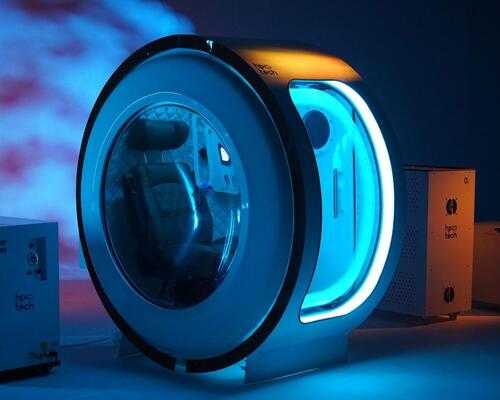
TLee Spas and Wellness has revealed the design concept for a high-tech spa with body
mapping scanners to improve public health, for AI company Midjourney.
Ameyalli, the 78-acre wellbeing resort and residential community in Midway in Utah, US, has
broken ground on phase two of the hot spring development – the Ameyalli Resort and Spa –
which is due to open in 2028.
Gran Hotel Taoro in northern Tenerife, Spain, has completed the final phase of its three-year
renovation with the debut of its Sandára Wellness Centre.
Hand and Stone Massage and Facial Spa, the spa business with more than 650 locations across
the US and Canada, has appointed franchise expert Carrie Walsh as CEO as the company plans
to expand.
Synergy – The Retreat Show, the global trade show for retreats, has launched a global research
initiative that will provide insights into the retreat sector from both consumer and industry
perspectives.
The Wellness Tourism Association (WTA) has published a non-regulatory global industry
framework designed to ensure the retreat market offers responsible experiences.
A new survey of UK and international spa practitioners shows that stress, burnout and
wellbeing concerns have caused one in three respondents to consider leaving the industry.
The UK's four Chief Medical Officers have published a refreshed edition of Physical activity
guidelines: UK Chief Medical Officers' report, updating the evidence that underpins the nation's
physical activity recommendations and placing greater emphasis on strength, balance, reducing
sedentary behaviour and, for the first time, supporting people taking weight loss medications.
In the fast-paced world of fitness and wellness, where high-intensity workouts push us to
our limits and the sweat pours, the importance of efficient recovery cannot be overstated. [more...]
+ More featured suppliers
COMPANY PROFILES
Agilysys UK Ltd Agilysys, Inc. (Nasdaq: AGYS) delivers
comprehensive, modular hospitality
software solutions that [more...]