Yes! Send me the FREE digital editions of Spa Business and Spa Business insider magazines and the FREE weekly Spa Business and Spa Business insider ezines and breaking news alerts!
Linz in Austria – once blighted as
the Third Reich’s cultural centre
– has reinvented itself as a city of
innovation with world-class visitor
attractions, as Terry Stevens discovers
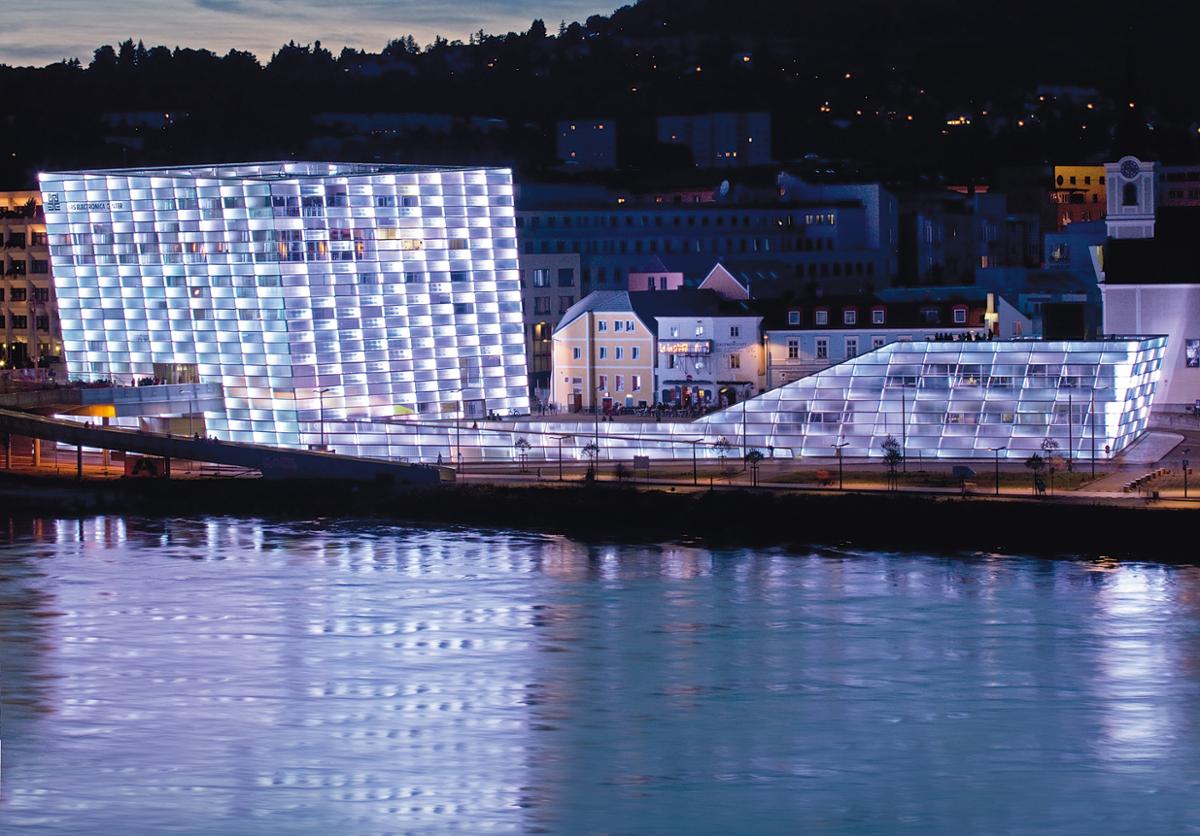
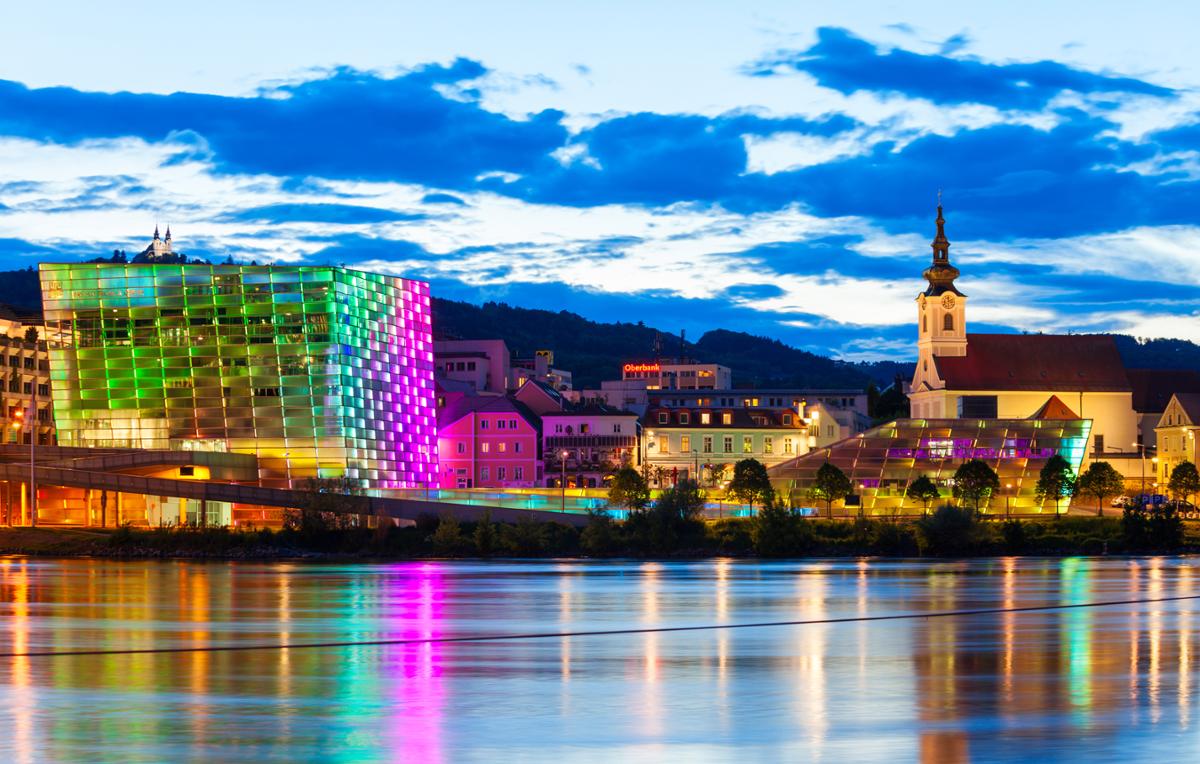
The Ars Electronica Center is a key part of the transformation of Linz / Photo: Nicolas Ferrando, Lois Lammerhuber
Located astride the Danube between Austria’s cultural giants of Salzburg and Vienna, Linz is becoming one of the world’s most dynamic and experiential cities. ‘In Linz beginnts’ (it all begins in Linz) is a famous Austrian saying which reflects the city’s newfound identity and confidence.
Not so long ago Linz had a reputation, as ‘Linz stinks!’ – literally and metaphorically, firstly for its heavy industry and secondly for its 1930s connections with the Third Reich, when Linz was the Nazi’s cultural centre and a patronage city of Adolf Hitler who planned to retire there.
Post-war division Post-war Linz was a divided city for 10 years, with a demarcation between the Soviet-occupied northern zone and the US-occupied zone to the south of the Danube. Extensive bombing during the war necessitated bold new plans and a strong investment in culture and education, as Linz remained heavily industrialised, with none of the tourist appeal of other Austrian cities.
It has no high mountains, few historic buildings and no snow sports; but from 1986, as war-time factories were turned to civilian use, it became a city with exceptional things to do and see – including the Voestalpine Steelworks visitor centre and the Mural Harbour outdoor graffiti gallery.
Also noteworthy is the wonderful Höhenrausch hybrid rooftop sculpture park-cum-observation tower- cum-theatre – a network of wooden bridges, walkways and frequently-changing immersive art installations that sits high above a school and shops, passing through a church tower in the city centre, unmissable and exhilarating in its boldness, simplicity and innovativeness.
Today, the charm of Linz rests in the juxtaposition of the old city with new technology and architecture; with its dark past and brave vision for the future. It’s a city of open conversations, a desire to experiment and a collective will to do things that are good for the community.
“This city was so unattractive it was free to reinvent itself and it is now impossible to stop the revolution”, says Manfred Grubauer, chair of Linz Tourism.
Among the catalysts for the transformation of Linz have been its role as European Capital of Culture in 2009 and UNESCO City of New Media in 2017 and today, Linz is synonymous with progress, vitality and vision founded on culture, new media, sustainable urban development and highly creative tourist experiences. Few post-industrial cities have transformed themselves as radically and successfully and it’s recently been voted as the city with the best work-life balance in Austria.
Ars Electronica – a catalyst for change At the heart of this metamorphosis is the remarkable Ars Electronica Linz GmbH – a hybrid cultural, scientific, and educational institute dedicated to facing the future head-on.
Since 1970, this not-for-profit has explored relationships between art, science and technology and their impacts on society. The organisation’s four interrelated divisions work to create a self-fuelling ecosystem which finds applications for innovative, radical and eccentric ideas.
The creation of the Ars Electronica Institute began with a festival in 1979 when it was realised that a culture-led transformative initiative was required to change Linz from an industrialised, heavily-polluted city burdened with an unenviable history, to a city based on innovation and people.
As a result, four inspirational locals: journalist Hannes Leopoldseder; musician Hubert Bognermayr; physicist Herbert Franke and music producer Ulrich Rutzel conceived and delivered the first festival exploring the confluence of art, technology and society.
Since then the Ars Electronica Festival has been a proving ground for innovation and research, becoming a global phenomenon and a pillar of the renaissance of the city.
Every year, in September, the festival turns Linz into an experimental setting, inviting artists, scientists and researchers from all over the world to confront a specific, interdisciplinary theme through speeches, workshops, exhibitions and symposia.
A creative feedback loop Each festival is dedicated to a different issue and the formats are the very opposite of sacrosanct. The festival is accompanied by Prix Ars Electronica – a competition and international trend barometer run by a team constantly on the lookout for what’s new, exciting, radically different and making an impact right now.
A showcase of technology and arts excellence, the prix attracts entrants ranging from Oscar winners such as John Lasseter of Pixar fame and global musicians such as Peter Gabriel to emerging young talent.
In 2019 the Ars Electronica Festival attracted over 110,000 people to the city, from global innovators, grandparents and nursery school children to the world’s leading scientists delivering mind-bending innovations.
In addition to the festival and the awards, other initiatives from the institute include Ars Electronica Futurelab, Ars Electronica Solutions and the Ars Electronica Center (AEC) – organisations that extend their feelers into the realms of science and research, art and technology.
These various divisions of the Ars Electronica Institute inspire one another and put futuristic visions to the test in a unique, creative feedback loop. It’s an integrated organism, continuously reinventing itself, with ‘for profit’ activities funding ‘not-for-profit’ undertakings.
Ars Technica Center AEC is the most visible initiative – a permanent visitor attraction that first opened in 1996 to bring a year-round dimension to the work of the institute.
The centre – affectionately known as the Museum of the Future – is the architectural expression of everything Ars Electronica does – a place of inquiry, discovery and exploration and the year-round setting for presentations and interactions with the public. It also acts as a test bed for the in-house R&D work of Ars Electronica Futurelab and Ars Electronica Solutions.
The four-storey crystalline glass cube links to an open-air terraced amphitheatre and viewing platform, with the bold landmark building a contemporary counterpoint to neighbouring historic churches, completing a triptych of modern, bold cultural buildings – the other two being the Brucknerhaus Concert Hall and the Lentos Kunstmuseum, a contemporary arts museum.
Unpretentious by day and shimmering by night, what goes on in this building is awe inspiring and extraordinary, combining art and science in ground-breaking ways to arrive at new perspectives and approaches to the challenges facing society.
The transparent glass surfaces of the AEC can be illuminated from behind as a projection screen, creating a night-time light sculpture that can be populated with LED and LCD screens, allowing light shows and interactive, viewer-generated content.
This interaction with people is driven by Bluetooth-connected pads along the banks of the Danube which link to mobile phones, creating a unique light show that’s visible across the city.
The exhibitions on art, technology and society segue into laboratories and these segue into exhibitions throughout the centre, purposefully appealing to many different audiences, from cruise ship passengers to local schoolchildren.
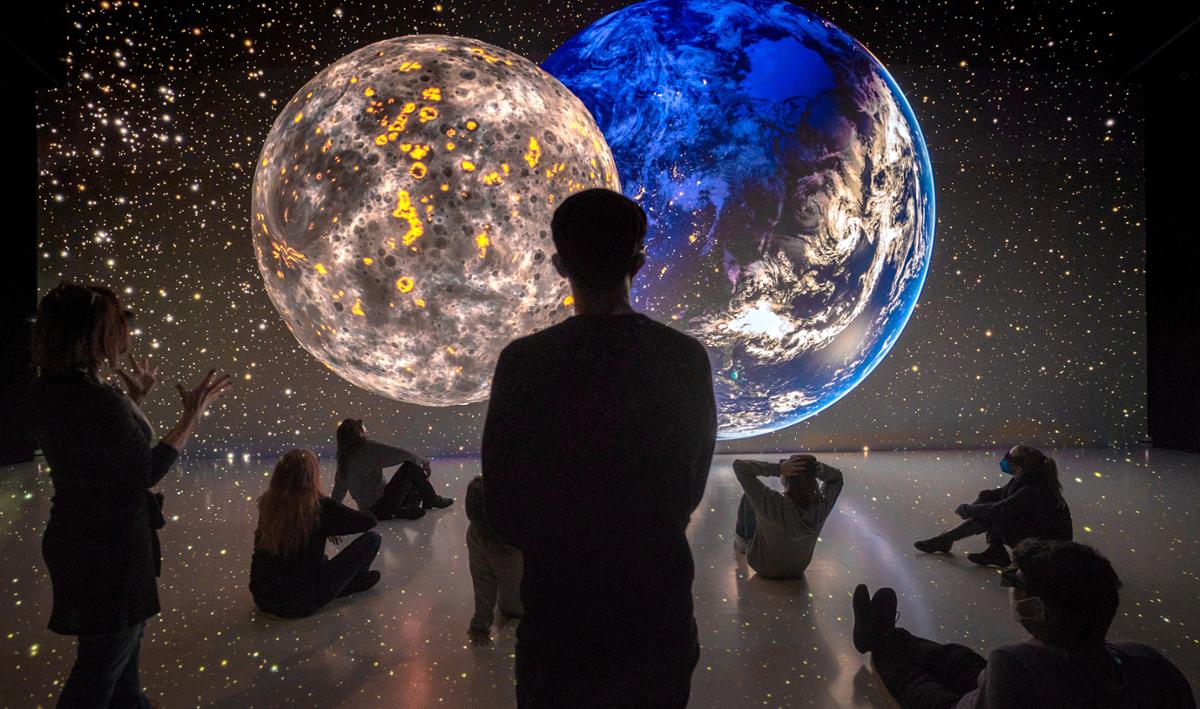
What’s inside? The highlight of the Ars Electronica Center is the unique ‘Deep Space – the Theatre of the Future’: an extraordinary VR experience which opened in 2009 to celebrate European Capital of Culture. Other current exhibitions include: Understanding AI; Me and the machine; Machine learning studio; Global shift; Kids’ research laboratory; AI x music; The open soundstudios and the Deep Space 8K.
Also on show are four open labs which consist of interactive stations, works of art, research projects and large-scale projection laboratories. Personal highlights include ‘There is No Plan B’ which explores where energy comes from; and Neuro Bionics, an exhibition that explores the brain and how all our conscious and unconscious functions are controlled, how we feel and perceive, think and decide.
AEC is also showing a large exhibition called ‘In transfer – a new condition’ which is an outreach project from the European Capital of Culture of Esch in Luxemburg.
A city reborn But the AEC is more than an architectural icon, it’s the symbol of the ‘new’ Linz, offering the antidote to what the city was 40 years ago when it was all about steel, chemicals, tobacco, pollution and traffic.
Linz is not trying to stop being an industrial city, but instead trying to become an industrial city of the 21st century. Companies based there are developing new technologies – Voestalpine, for example, is working on producing green steel – and an institution such as Ars Electronica reflects what this trend means for us as a society.
Linz is an exemplar of a post-industrial city which has successfully transformed itself and placed tourism, visitor attractions and culture at the heart of this transformational process. Importantly, the process continues – the concept of ‘Linz Changes’ has to be ongoing by its very definition.
Funding Ars Electronica
The Ars Electronica initiative is financially supported by the Republic of Austria and the City of Linz Council, which act as underwriters and are the owners of the building in which the AEC is located; they regard the Ars Electronica Insitute as a long-term, multi-beneficial, investment which generates benefits for the city that extend far beyond traditional KPIs and ROIs.
‘Hard’ measures of success include 170,000 visitors to the AEC each year – 10 per cent of whom are out-of-state tourists – 100,000 who visit the Ars Electronica Festival – the majority of whom are out-of-state tourists – plus the significant export earnings generated by Ars Electronica’s ‘for profit’ commissioned international R&D.
‘Soft’ measures of success include: the international profile for the city and its internationalisation, the stimulus of new ideas positively impacting quality of life, educational programmes and the attraction of creative talent to live, work and study in Linz.
Ars Electronica Linz
RECIPE FOR SUCCESS
An integrated eco-system of cross-subsidising, mutually supportive activities drives the Ars Electronica Institute’s business model, however, public financial support for core not-for-profit activities remains essential to the delivery of a wide range of benefits
• Constantly pushing the boundaries of innovation and invention in order to remain relevant to audiences
• Using the festival and the international competition to inject momentum on an annual basis
• Consistently refreshing the content of the core attraction by driving R&D and encouraging innovation
• Harnessing revenues from for profit activities to support not-for-profit activities
• Ensuring there are direct, tangible, benefits to the community, including product development; the application of research to enhancing quality of life; delivering exciting events; attracting tourists; generating civic pride; and enhancing the city’s reputation as a place to live, work, study and visit
About Linz
Innovation and creativity are driving constant change
Population of city: 200,000
Population of wider area: 400,000
International airports: Linz, Salzburg, Vienna and Munich
Icons: The Danube, Ludwig Wittgenstein, Ars Electronica Centre and Festival, The Lentos Contemporary Arts Centre, The Bruckner House Concert Hall, Mural Harbour, Höhenrausch, Schlossmuseum, old and new cathedrals, the Klanwolke Festival (‘The Sound Cloud’), Tabacfabrik Innovation Centre, The Kepler Salon.
"The charm of Linz
rests in the juxtaposition
of the old city and new
technology and architecture;
with its dark past and
brave vision for the future" – Terry Stevens
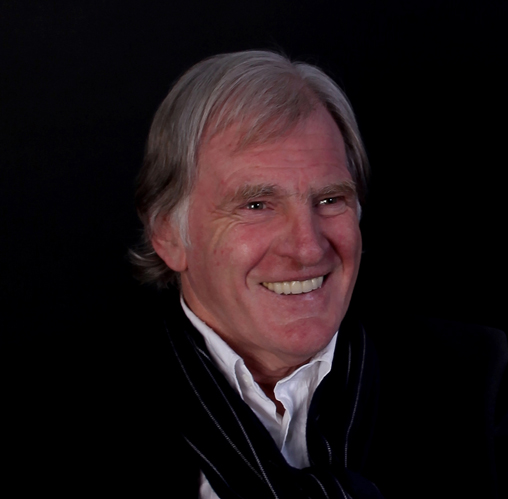
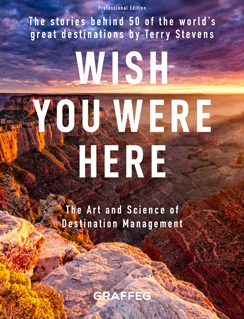
Professor Terry Stevens is a global tourism advisor and author of the Wish You Were Here series, about inspirational tourism and attractions best practice. Find out more about Wish You Were Here at
www.attractionsmanagement.com/TerryStevens
Read more from this issue of Spa Business magazine
Letters: Write to reply
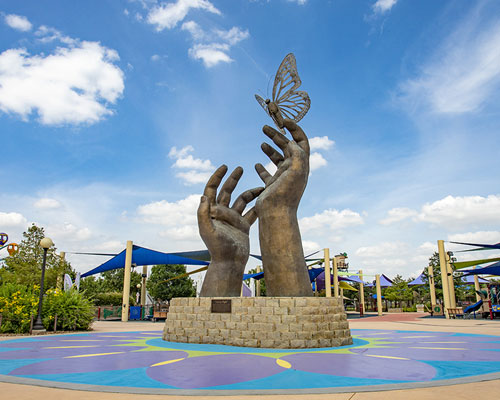
Gordon Hartman, dad and founder of Morgan’s Wonderland on inclusion-centric thinking and action and Merlin Entertainments' Fiona Eastwood on inclusion and diversity...
People: Es Devlin
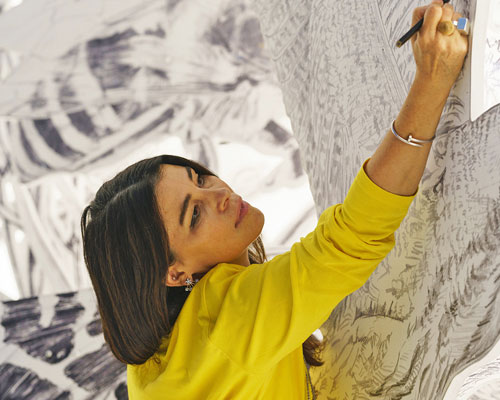
Known for her large scale public art installations, the designer and stage director has been awarded a CBE
People: Evert Poor
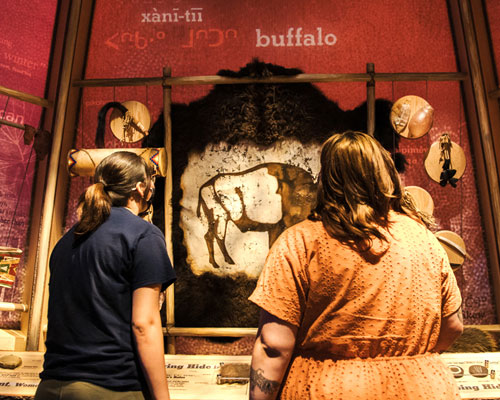
On what the Canadian Prime Minister’s visit meant for the Indigenous Peoples Experience
Interview: Ramona Bass
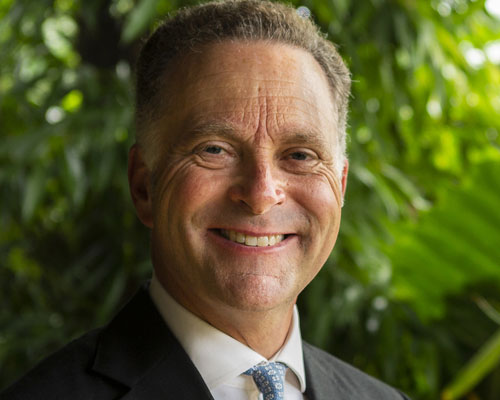
Half way thought a $130m masterplan and with conservation projects in 30 countries, Fort Worth Zoo is thinking big, its co-chair tells Magali Robathan
Research: Tough times
The cost of living crisis is already seeing the public cut its leisure spend, but these steps will help attractions keep visitors coming, says Jon Young
Innovation: Ars Electronica
Linz in Austria has reinvented itself as a city of innovation, with the future facing Ars Electronica Center at its heart
Tech: Emotional reward
Scientists have found a way to tweak video game difficulty according to player emotion, and it has huge potential for visitor attractions
Profile: Margaret Kerrison
The former Disney Imagineer is determined to share what she’s learned about creating absorbing worlds for visitors
Preview: Bird Paradise
Singapore is bringing its nature attractions together to help drive conservation and improve the visitor experience
Interview: Graham MacVoy
How the team behind Boomtown Festival harnessed their brand of creativity to build a unique permanent attraction
Scientific research: Under the sea
A new Red Sea scientific research centre and marine life attraction will offer visitors AR experiences, underwater walks, submarine dives and more
Tech: Getting personal
These operators are getting clever with technology, using digital companions to personalise the guest experience, creating opportunities for deeper connections
Prima Materia at Ars Electronica took visitors on an ‘audiovisual journey’ / Photo: Ars Electronica / Robert Bauernhansl
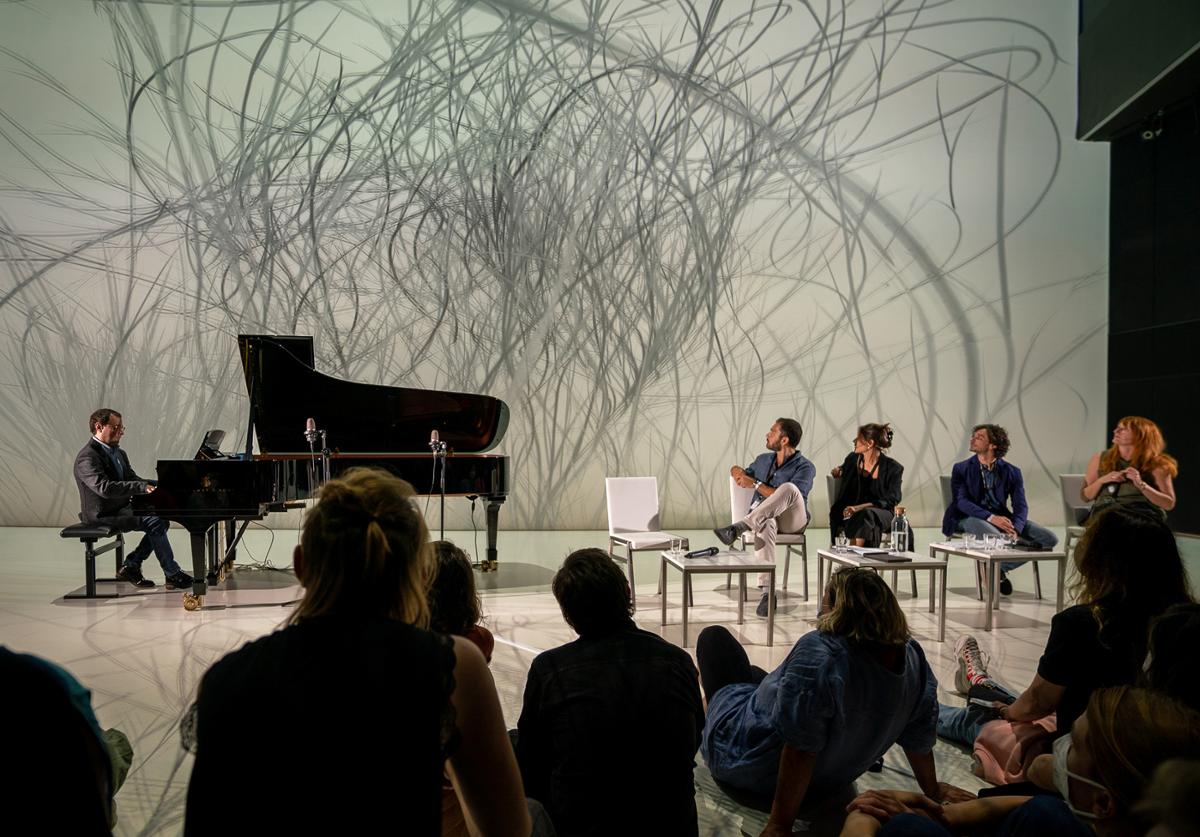
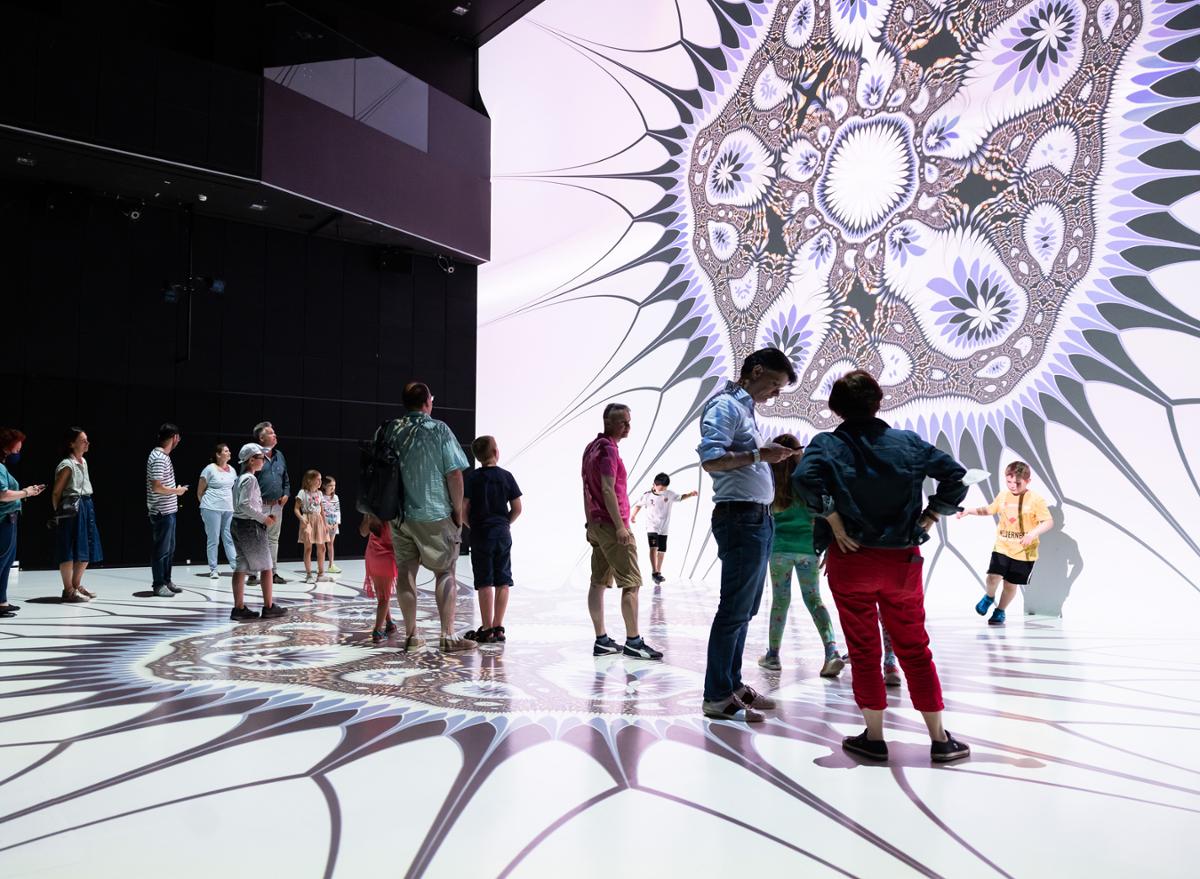
Ars Electronica explores the connection between music, mathematics and mechanics via exhibits and performances / Photo: Ars Electronica - Robert Bauernhansl
The Ars Electronica Center explores how new technologies – particularly AI – are changing our lives / Photo: shutterstock/saiko3p
/ Photo: Ars Electronica - Robert Bauernhansl
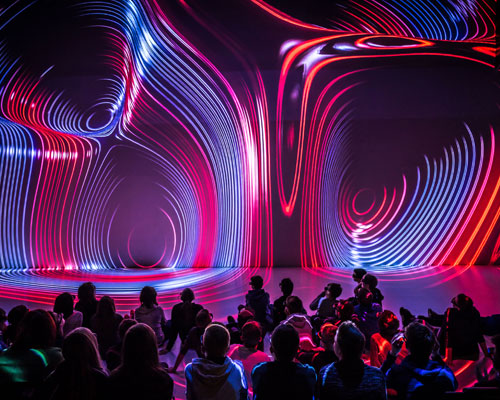
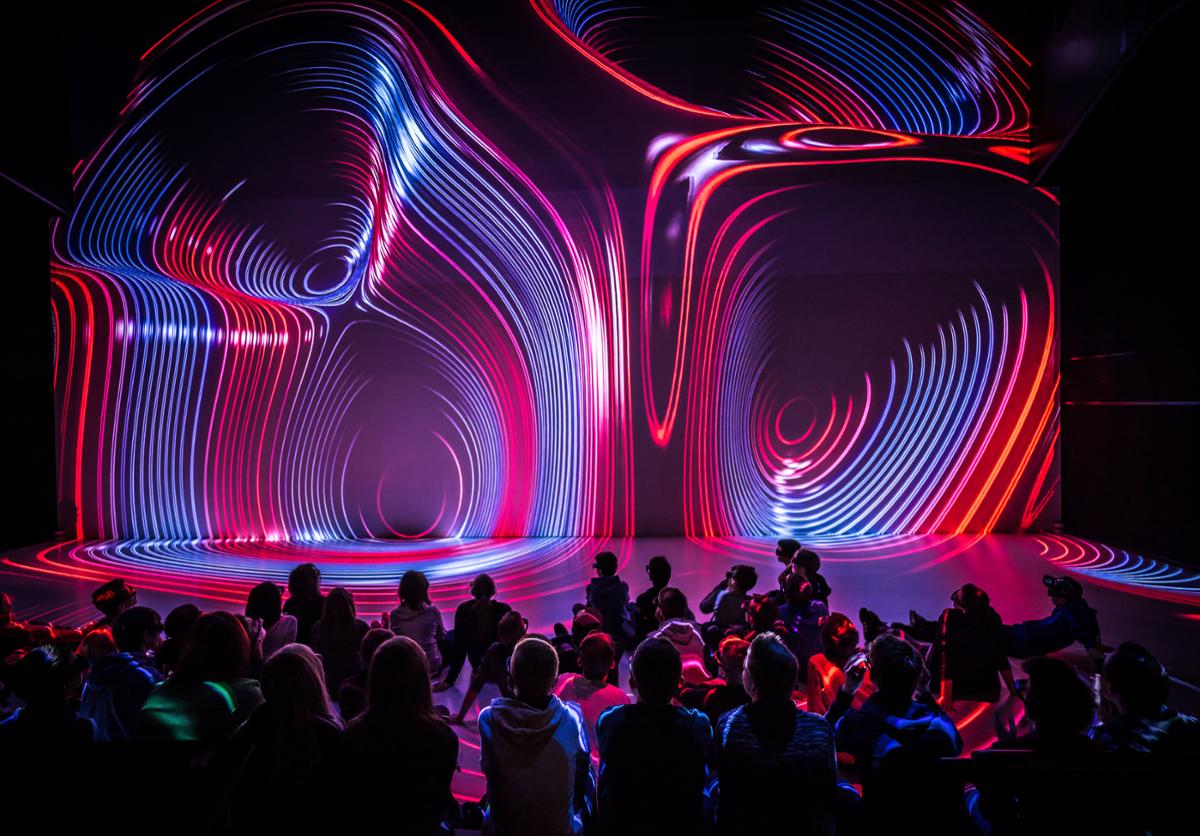
Deep Space is a large-format projection space for interactive, stereoscopic and high-definition content / Photo: Philipp Greindl
Contrast therapy, based on the alternation of hot and cold rituals, has become one of the
most valued practices in the fields of wellness and recovery. [more...]
Linz in Austria – once blighted as
the Third Reich’s cultural centre
– has reinvented itself as a city of
innovation with world-class visitor
attractions, as Terry Stevens discovers
The Ars Electronica Center is a key part of the transformation of Linz / Photo: Nicolas Ferrando, Lois Lammerhuber
Located astride the Danube between Austria’s cultural giants of Salzburg and Vienna, Linz is becoming one of the world’s most dynamic and experiential cities. ‘In Linz beginnts’ (it all begins in Linz) is a famous Austrian saying which reflects the city’s newfound identity and confidence.
Not so long ago Linz had a reputation, as ‘Linz stinks!’ – literally and metaphorically, firstly for its heavy industry and secondly for its 1930s connections with the Third Reich, when Linz was the Nazi’s cultural centre and a patronage city of Adolf Hitler who planned to retire there.
Post-war division Post-war Linz was a divided city for 10 years, with a demarcation between the Soviet-occupied northern zone and the US-occupied zone to the south of the Danube. Extensive bombing during the war necessitated bold new plans and a strong investment in culture and education, as Linz remained heavily industrialised, with none of the tourist appeal of other Austrian cities.
It has no high mountains, few historic buildings and no snow sports; but from 1986, as war-time factories were turned to civilian use, it became a city with exceptional things to do and see – including the Voestalpine Steelworks visitor centre and the Mural Harbour outdoor graffiti gallery.
Also noteworthy is the wonderful Höhenrausch hybrid rooftop sculpture park-cum-observation tower- cum-theatre – a network of wooden bridges, walkways and frequently-changing immersive art installations that sits high above a school and shops, passing through a church tower in the city centre, unmissable and exhilarating in its boldness, simplicity and innovativeness.
Today, the charm of Linz rests in the juxtaposition of the old city with new technology and architecture; with its dark past and brave vision for the future. It’s a city of open conversations, a desire to experiment and a collective will to do things that are good for the community.
“This city was so unattractive it was free to reinvent itself and it is now impossible to stop the revolution”, says Manfred Grubauer, chair of Linz Tourism.
Among the catalysts for the transformation of Linz have been its role as European Capital of Culture in 2009 and UNESCO City of New Media in 2017 and today, Linz is synonymous with progress, vitality and vision founded on culture, new media, sustainable urban development and highly creative tourist experiences. Few post-industrial cities have transformed themselves as radically and successfully and it’s recently been voted as the city with the best work-life balance in Austria.
Ars Electronica – a catalyst for change At the heart of this metamorphosis is the remarkable Ars Electronica Linz GmbH – a hybrid cultural, scientific, and educational institute dedicated to facing the future head-on.
Since 1970, this not-for-profit has explored relationships between art, science and technology and their impacts on society. The organisation’s four interrelated divisions work to create a self-fuelling ecosystem which finds applications for innovative, radical and eccentric ideas.
The creation of the Ars Electronica Institute began with a festival in 1979 when it was realised that a culture-led transformative initiative was required to change Linz from an industrialised, heavily-polluted city burdened with an unenviable history, to a city based on innovation and people.
As a result, four inspirational locals: journalist Hannes Leopoldseder; musician Hubert Bognermayr; physicist Herbert Franke and music producer Ulrich Rutzel conceived and delivered the first festival exploring the confluence of art, technology and society.
Since then the Ars Electronica Festival has been a proving ground for innovation and research, becoming a global phenomenon and a pillar of the renaissance of the city.
Every year, in September, the festival turns Linz into an experimental setting, inviting artists, scientists and researchers from all over the world to confront a specific, interdisciplinary theme through speeches, workshops, exhibitions and symposia.
A creative feedback loop Each festival is dedicated to a different issue and the formats are the very opposite of sacrosanct. The festival is accompanied by Prix Ars Electronica – a competition and international trend barometer run by a team constantly on the lookout for what’s new, exciting, radically different and making an impact right now.
A showcase of technology and arts excellence, the prix attracts entrants ranging from Oscar winners such as John Lasseter of Pixar fame and global musicians such as Peter Gabriel to emerging young talent.
In 2019 the Ars Electronica Festival attracted over 110,000 people to the city, from global innovators, grandparents and nursery school children to the world’s leading scientists delivering mind-bending innovations.
In addition to the festival and the awards, other initiatives from the institute include Ars Electronica Futurelab, Ars Electronica Solutions and the Ars Electronica Center (AEC) – organisations that extend their feelers into the realms of science and research, art and technology.
These various divisions of the Ars Electronica Institute inspire one another and put futuristic visions to the test in a unique, creative feedback loop. It’s an integrated organism, continuously reinventing itself, with ‘for profit’ activities funding ‘not-for-profit’ undertakings.
Ars Technica Center AEC is the most visible initiative – a permanent visitor attraction that first opened in 1996 to bring a year-round dimension to the work of the institute.
The centre – affectionately known as the Museum of the Future – is the architectural expression of everything Ars Electronica does – a place of inquiry, discovery and exploration and the year-round setting for presentations and interactions with the public. It also acts as a test bed for the in-house R&D work of Ars Electronica Futurelab and Ars Electronica Solutions.
The four-storey crystalline glass cube links to an open-air terraced amphitheatre and viewing platform, with the bold landmark building a contemporary counterpoint to neighbouring historic churches, completing a triptych of modern, bold cultural buildings – the other two being the Brucknerhaus Concert Hall and the Lentos Kunstmuseum, a contemporary arts museum.
Unpretentious by day and shimmering by night, what goes on in this building is awe inspiring and extraordinary, combining art and science in ground-breaking ways to arrive at new perspectives and approaches to the challenges facing society.
The transparent glass surfaces of the AEC can be illuminated from behind as a projection screen, creating a night-time light sculpture that can be populated with LED and LCD screens, allowing light shows and interactive, viewer-generated content.
This interaction with people is driven by Bluetooth-connected pads along the banks of the Danube which link to mobile phones, creating a unique light show that’s visible across the city.
The exhibitions on art, technology and society segue into laboratories and these segue into exhibitions throughout the centre, purposefully appealing to many different audiences, from cruise ship passengers to local schoolchildren.
What’s inside? The highlight of the Ars Electronica Center is the unique ‘Deep Space – the Theatre of the Future’: an extraordinary VR experience which opened in 2009 to celebrate European Capital of Culture. Other current exhibitions include: Understanding AI; Me and the machine; Machine learning studio; Global shift; Kids’ research laboratory; AI x music; The open soundstudios and the Deep Space 8K.
Also on show are four open labs which consist of interactive stations, works of art, research projects and large-scale projection laboratories. Personal highlights include ‘There is No Plan B’ which explores where energy comes from; and Neuro Bionics, an exhibition that explores the brain and how all our conscious and unconscious functions are controlled, how we feel and perceive, think and decide.
AEC is also showing a large exhibition called ‘In transfer – a new condition’ which is an outreach project from the European Capital of Culture of Esch in Luxemburg.
A city reborn But the AEC is more than an architectural icon, it’s the symbol of the ‘new’ Linz, offering the antidote to what the city was 40 years ago when it was all about steel, chemicals, tobacco, pollution and traffic.
Linz is not trying to stop being an industrial city, but instead trying to become an industrial city of the 21st century. Companies based there are developing new technologies – Voestalpine, for example, is working on producing green steel – and an institution such as Ars Electronica reflects what this trend means for us as a society.
Linz is an exemplar of a post-industrial city which has successfully transformed itself and placed tourism, visitor attractions and culture at the heart of this transformational process. Importantly, the process continues – the concept of ‘Linz Changes’ has to be ongoing by its very definition.
Funding Ars Electronica
The Ars Electronica initiative is financially supported by the Republic of Austria and the City of Linz Council, which act as underwriters and are the owners of the building in which the AEC is located; they regard the Ars Electronica Insitute as a long-term, multi-beneficial, investment which generates benefits for the city that extend far beyond traditional KPIs and ROIs.
‘Hard’ measures of success include 170,000 visitors to the AEC each year – 10 per cent of whom are out-of-state tourists – 100,000 who visit the Ars Electronica Festival – the majority of whom are out-of-state tourists – plus the significant export earnings generated by Ars Electronica’s ‘for profit’ commissioned international R&D.
‘Soft’ measures of success include: the international profile for the city and its internationalisation, the stimulus of new ideas positively impacting quality of life, educational programmes and the attraction of creative talent to live, work and study in Linz.
Ars Electronica Linz
RECIPE FOR SUCCESS
An integrated eco-system of cross-subsidising, mutually supportive activities drives the Ars Electronica Institute’s business model, however, public financial support for core not-for-profit activities remains essential to the delivery of a wide range of benefits
• Constantly pushing the boundaries of innovation and invention in order to remain relevant to audiences
• Using the festival and the international competition to inject momentum on an annual basis
• Consistently refreshing the content of the core attraction by driving R&D and encouraging innovation
• Harnessing revenues from for profit activities to support not-for-profit activities
• Ensuring there are direct, tangible, benefits to the community, including product development; the application of research to enhancing quality of life; delivering exciting events; attracting tourists; generating civic pride; and enhancing the city’s reputation as a place to live, work, study and visit
About Linz
Innovation and creativity are driving constant change
Population of city: 200,000
Population of wider area: 400,000
International airports: Linz, Salzburg, Vienna and Munich
Icons: The Danube, Ludwig Wittgenstein, Ars Electronica Centre and Festival, The Lentos Contemporary Arts Centre, The Bruckner House Concert Hall, Mural Harbour, Höhenrausch, Schlossmuseum, old and new cathedrals, the Klanwolke Festival (‘The Sound Cloud’), Tabacfabrik Innovation Centre, The Kepler Salon.
"The charm of Linz
rests in the juxtaposition
of the old city and new
technology and architecture;
with its dark past and
brave vision for the future" – Terry Stevens
Professor Terry Stevens is a global tourism advisor and author of the Wish You Were Here series, about inspirational tourism and attractions best practice. Find out more about Wish You Were Here at
www.attractionsmanagement.com/TerryStevens
Read more from this issue of Spa Business magazine
Letters: Write to reply
Gordon Hartman, dad and founder of Morgan’s Wonderland on inclusion-centric thinking and action and Merlin Entertainments' Fiona Eastwood on inclusion and diversity...
People: Es Devlin
Known for her large scale public art installations, the designer and stage director has been awarded a CBE
People: Evert Poor
On what the Canadian Prime Minister’s visit meant for the Indigenous Peoples Experience
Interview: Ramona Bass
Half way thought a $130m masterplan and with conservation projects in 30 countries, Fort Worth Zoo is thinking big, its co-chair tells Magali Robathan
Research: Tough times
The cost of living crisis is already seeing the public cut its leisure spend, but these steps will help attractions keep visitors coming, says Jon Young
Innovation: Ars Electronica
Linz in Austria has reinvented itself as a city of innovation, with the future facing Ars Electronica Center at its heart
Tech: Emotional reward
Scientists have found a way to tweak video game difficulty according to player emotion, and it has huge potential for visitor attractions
Profile: Margaret Kerrison
The former Disney Imagineer is determined to share what she’s learned about creating absorbing worlds for visitors
Preview: Bird Paradise
Singapore is bringing its nature attractions together to help drive conservation and improve the visitor experience
Interview: Graham MacVoy
How the team behind Boomtown Festival harnessed their brand of creativity to build a unique permanent attraction
Scientific research: Under the sea
A new Red Sea scientific research centre and marine life attraction will offer visitors AR experiences, underwater walks, submarine dives and more
Tech: Getting personal
These operators are getting clever with technology, using digital companions to personalise the guest experience, creating opportunities for deeper connections
Prima Materia at Ars Electronica took visitors on an ‘audiovisual journey’ / Photo: Ars Electronica / Robert Bauernhansl
Ars Electronica explores the connection between music, mathematics and mechanics via exhibits and performances / Photo: Ars Electronica - Robert Bauernhansl
The Ars Electronica Center explores how new technologies – particularly AI – are changing our lives / Photo: shutterstock/saiko3p
/ Photo: Ars Electronica - Robert Bauernhansl
Deep Space is a large-format projection space for interactive, stereoscopic and high-definition content / Photo: Philipp Greindl
Preidlhof Luxury DolceVita Resort, a destination resort and spa in Naturno, South Tyrol in Italy,
will reveal a new spa in February 2027, which has been designed by wellness expert and
consultant Patrizia Bortolin.
Private hotel owner and developer HVL Hotels will open a new luxury resort and tourism
destination called Laval Hunter Valley in the second half of 2027 in Pokolbin, Australia.
The annual wellness festival dedicated to wellbeing, culture, longevity and human connection,
called Alma, will be hosted by Rocco Forte hotel, Verdura Resort in Sicily, Italy.
Capella Hotel Group has appointed Feisal Jaffer as chief development officer as the company
ramps up its global expansion of both its Capella and Patina brands.
People taking GLP-1 weight loss medications such as Ozempic, Wegovy, Mounjaro and Zepbound
may be losing weight, but they’re also becoming less physically active, according to new
research presented at the ENDO 2026 annual meeting of the Endocrine Society
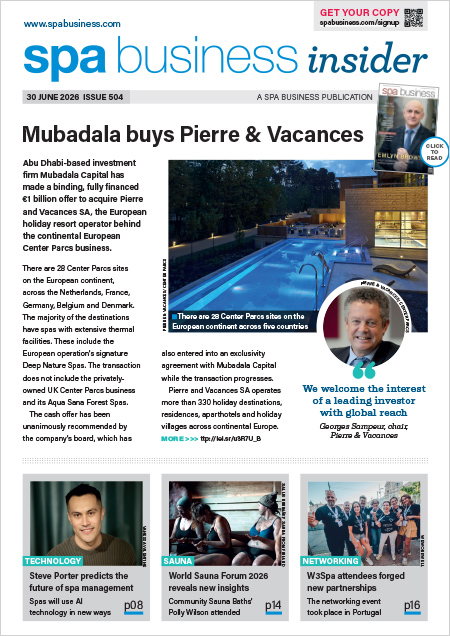
Abu Dhabi-based investment firm Mubadala Capital has made a binding, fully financed
€1 billion
offer to acquire Pierre and Vacances SA, the European holiday resort operator behind the
continental European Center Parcs business.
Global retreat trade show, Synergy The Retreat Show, has launched a resource called The
Source, which hosts an open-access online Transformation Series programme.
Contrast therapy, based on the alternation of hot and cold rituals, has become one of the
most valued practices in the fields of wellness and recovery. [more...]