Yes! Send me the FREE digital editions of Spa Business and Spa Business insider magazines and the FREE weekly Spa Business and Spa Business insider ezines and breaking news alerts!
Combining Chinese and Western approaches to wellbeing, Octave Living aims to support a healthier, saner lifestyle, and balance profit with giving back. Christopher DeWolf finds out about the team behind the brand
By Christopher DeWolf | Published in CLADmag 2018 issue 3
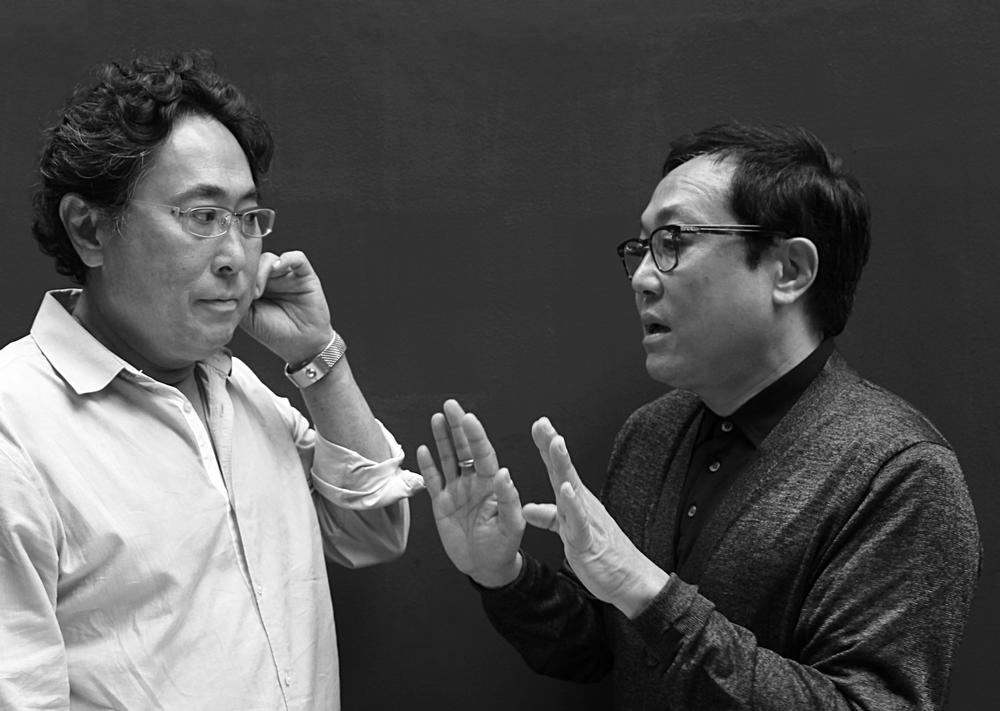
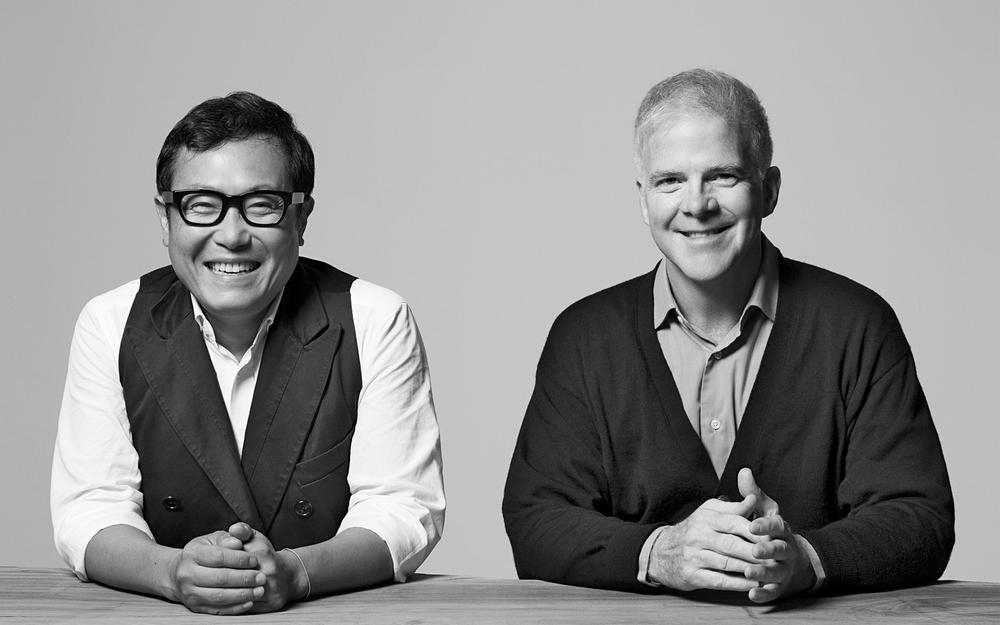
Brothers Calvin and Frederick Tsao set up Octave Living with Zack McKown
Calvin Tsao and his brother Frederick are American, but they were both drawn to China from an early age. “Even though we’re immigrants, our parents had us steeped in Chinese culture,” says Calvin Tsao. After growing up in California, he made his way across the Pacific to work on I.M. Pei’s groundbreaking Suzhou Museum, the first foreign-designed project in a country that had just opened up after decades of isolation. His brother began to establish business links with the country of their ancestors.
Tsao eventually returned to the United States, where he founded an architecture firm, Tsao & McKown, with partner Zack McKown. Meanwhile, China transformed itself from one of the world’s poorest countries into one of its most powerful, but Tsao saw something was amiss. “I have a long view, having experienced the evolution of China over the last 30 years,” he says. “And while its economic and political presence and authority in the world is in ascent, their attention to social health has been spotty.”
Tsao was particularly alarmed that China seemed to have lost touch with some of the spiritual and cultural anchors that have held Chinese civilisation firm for centuries. One night, he and McKown pitched Frederick Tsao an idea: start a new company that would develop properties centred around cultural, physical and mental wellbeing. “My brother is an industrialist, he has a lot of resources, both political connections and financial strengths,” says Tsao. “We thought he could help. And indeed he took that idea to heart.”
GIVING BACK The result is Octave Living, named for the interval between one musical pitch and another, as if to symbolise the switch from profit-focused development to something more enduring. “Can you make a sustainable endeavour that balances profit with giving back?” asks Tsao. “Octave is really about looking at economic models and seeing how we can do something that’s good for our society.”
Octave Living could provide a reference not only for Chinese development but for cities around the world, believes Tsao. Its message is straightforward: the key to a happy and successful society is not only more growth and more money, but a kind of personal and social equilibrium. It’s a philosophy to design and development that places wellness at the heart of everything.
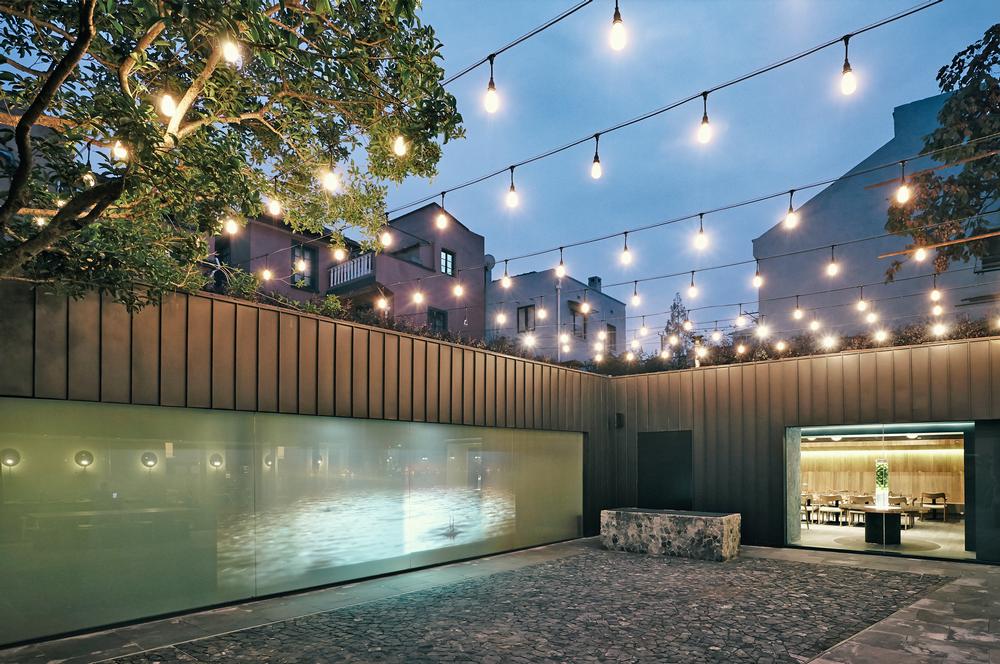
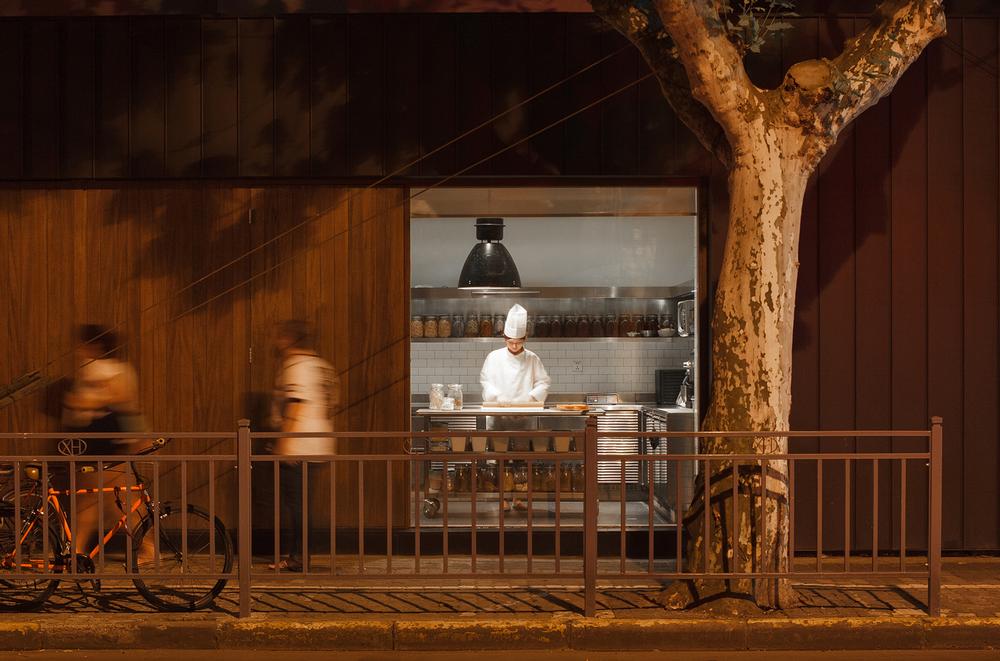
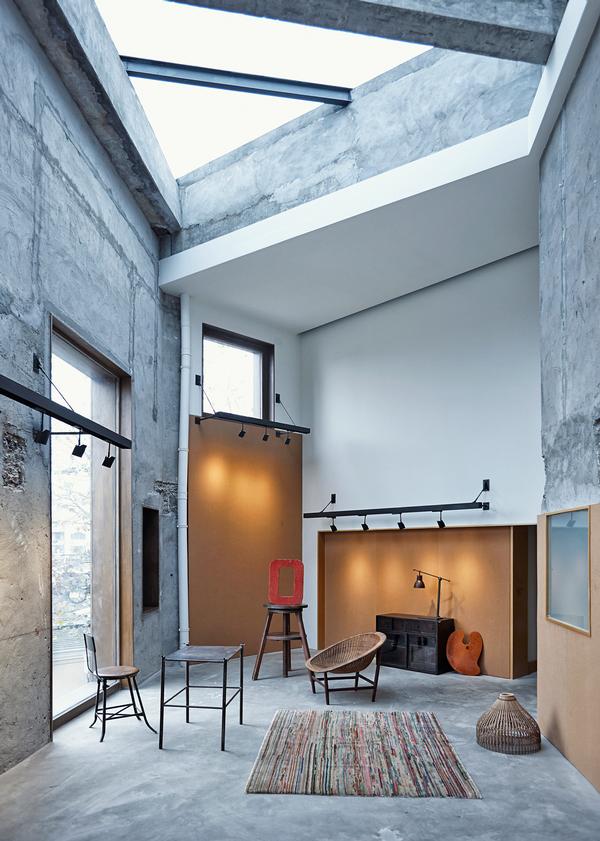
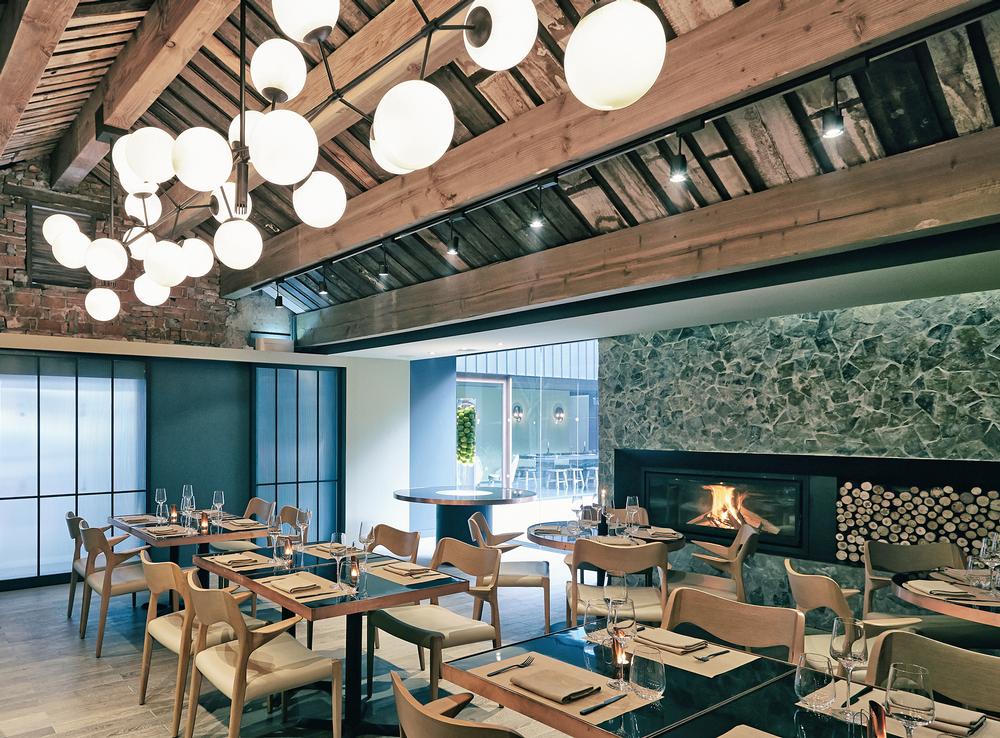
With the help of Frederick Tsao, Tsao and McKown were able to launch Octave Living’s first project in 2016. The Living Room is a ‘holistic urban wellness centre’ located in a historic compound in Shanghai’s Former French Concession, a handsome district of streets lined by plane trees. Spanning 21,500 square feet, the centre includes space for early childhood development programmes, family therapy, art therapy, yoga, a restaurant and a small urban farm.
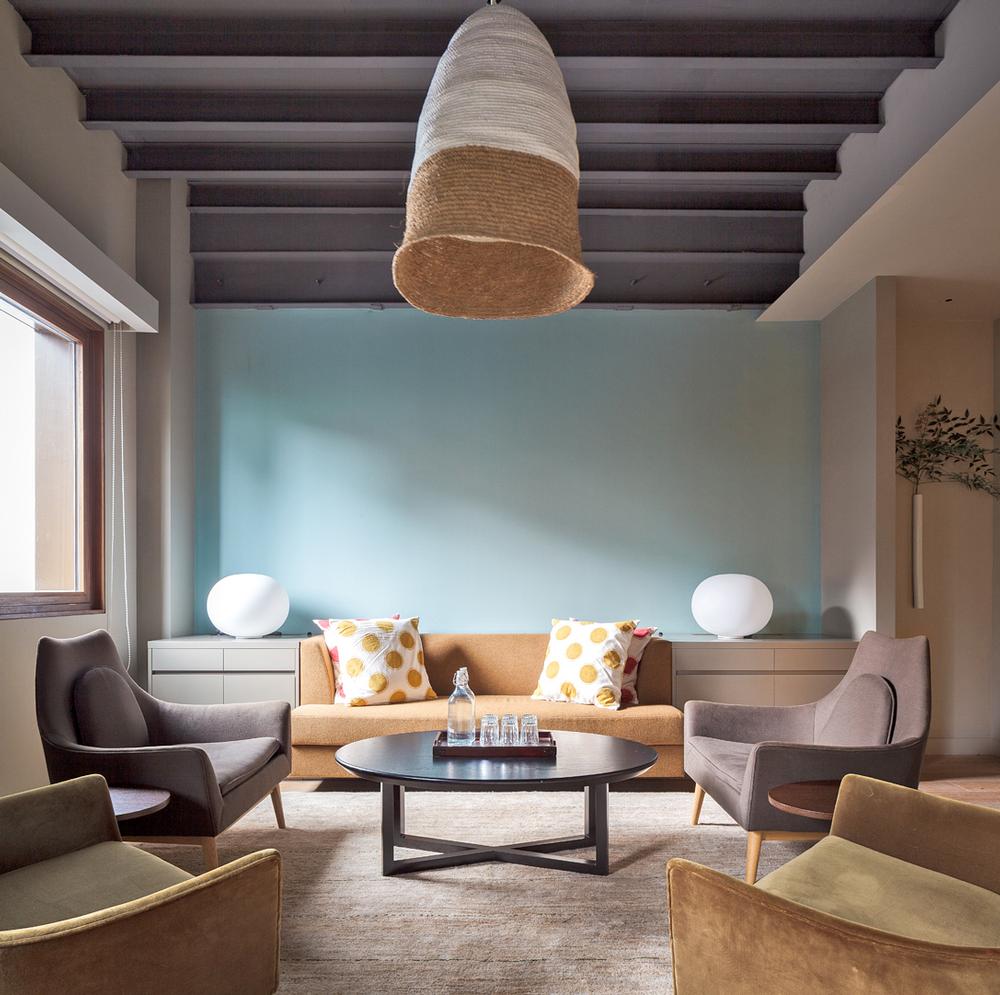
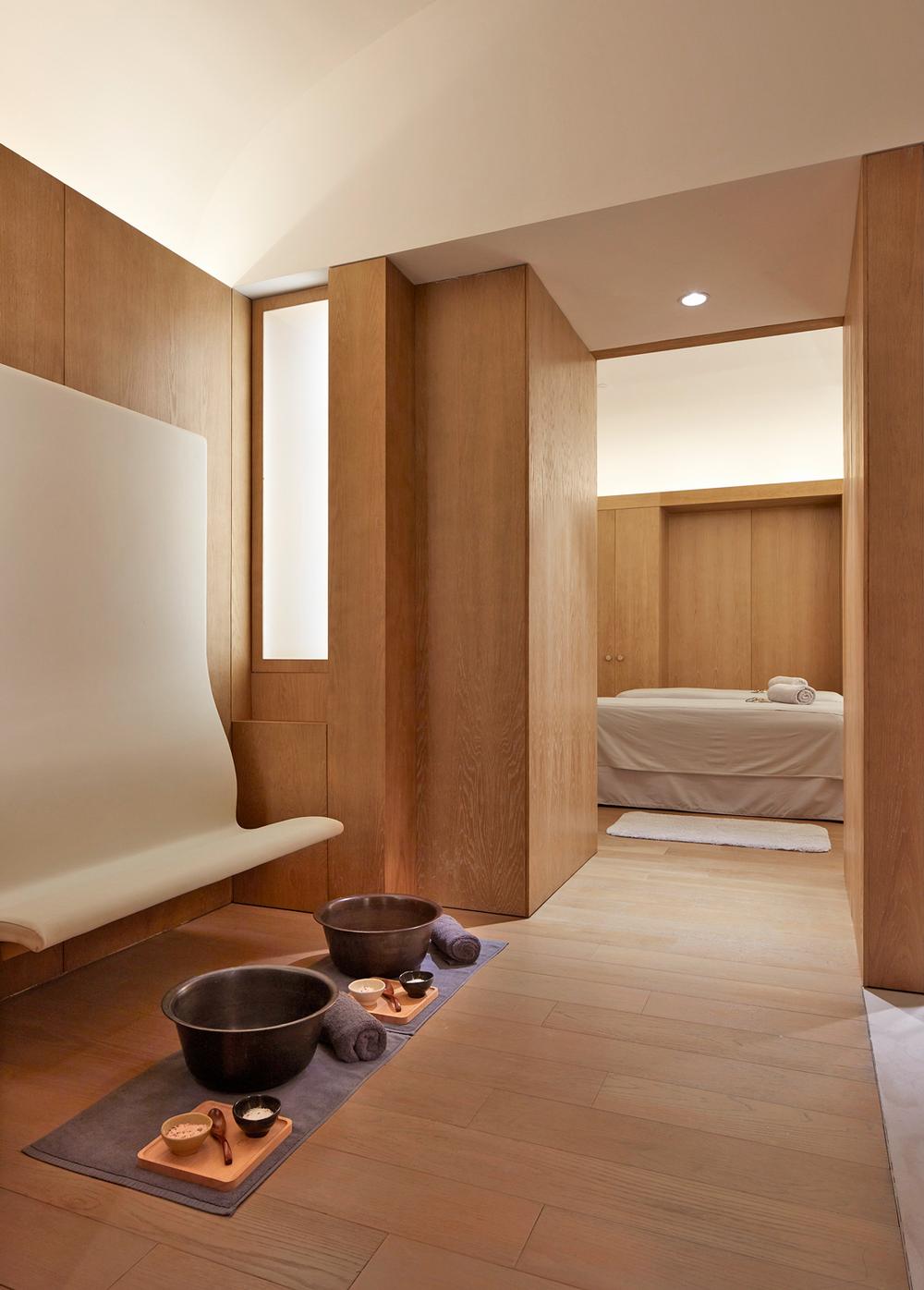
The architecture seems designed to soothe. Serenely minimal passages lead to spaces filled with natural materials like wood.
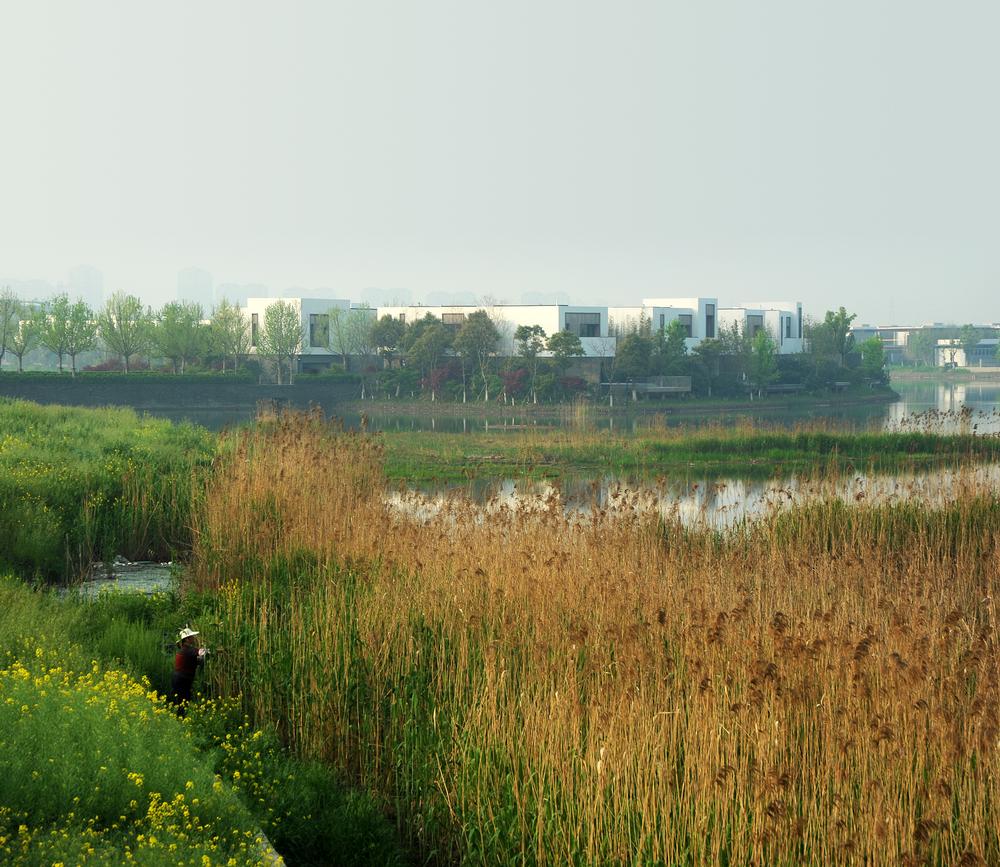
WELLNESS RESORT The next project from Octave Living, which opened last year, is much larger and more ambitious. Sangha is a wellness resort located in Suzhou, a city west of Shanghai famous for its classical Chinese gardens.
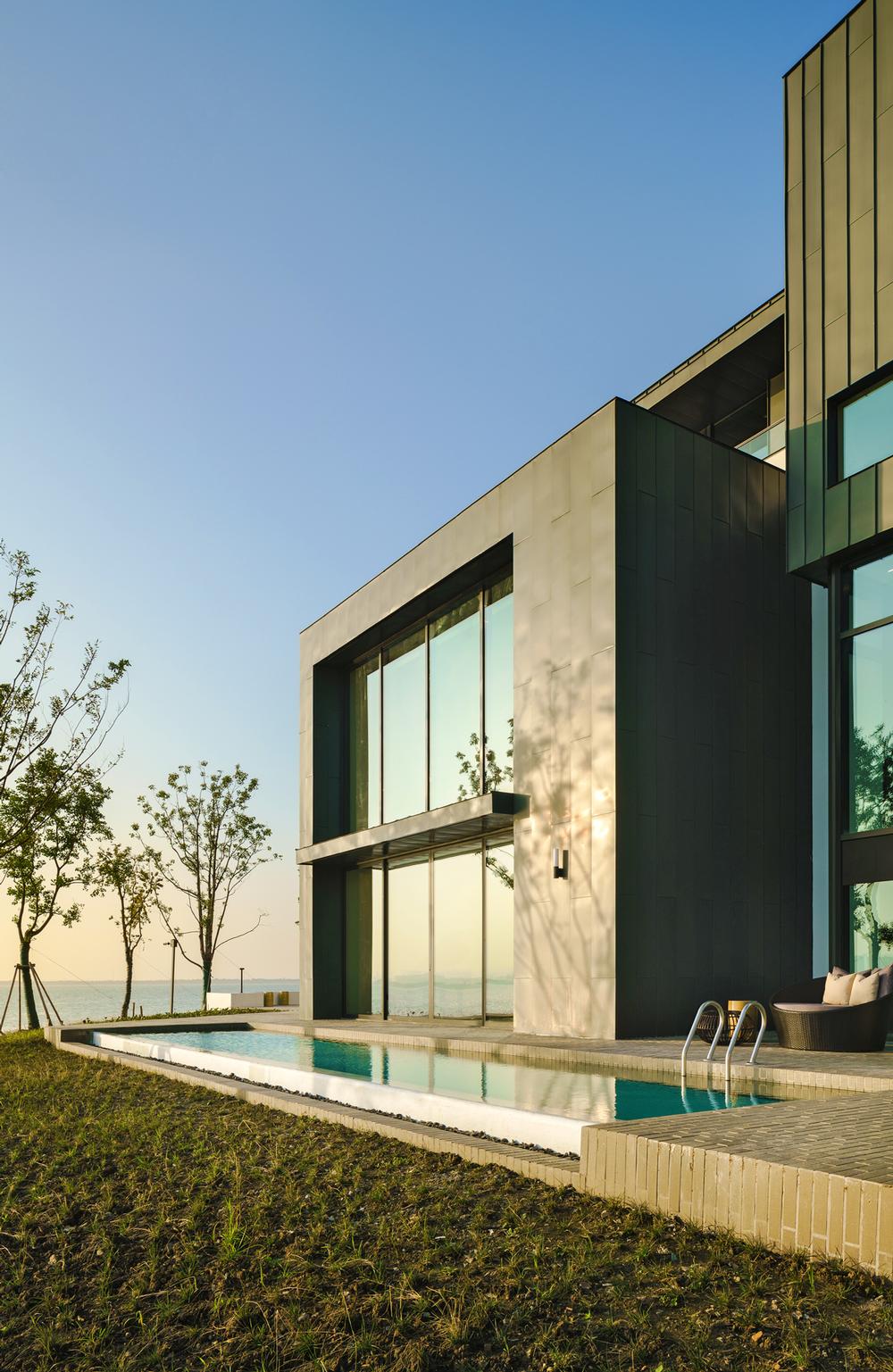
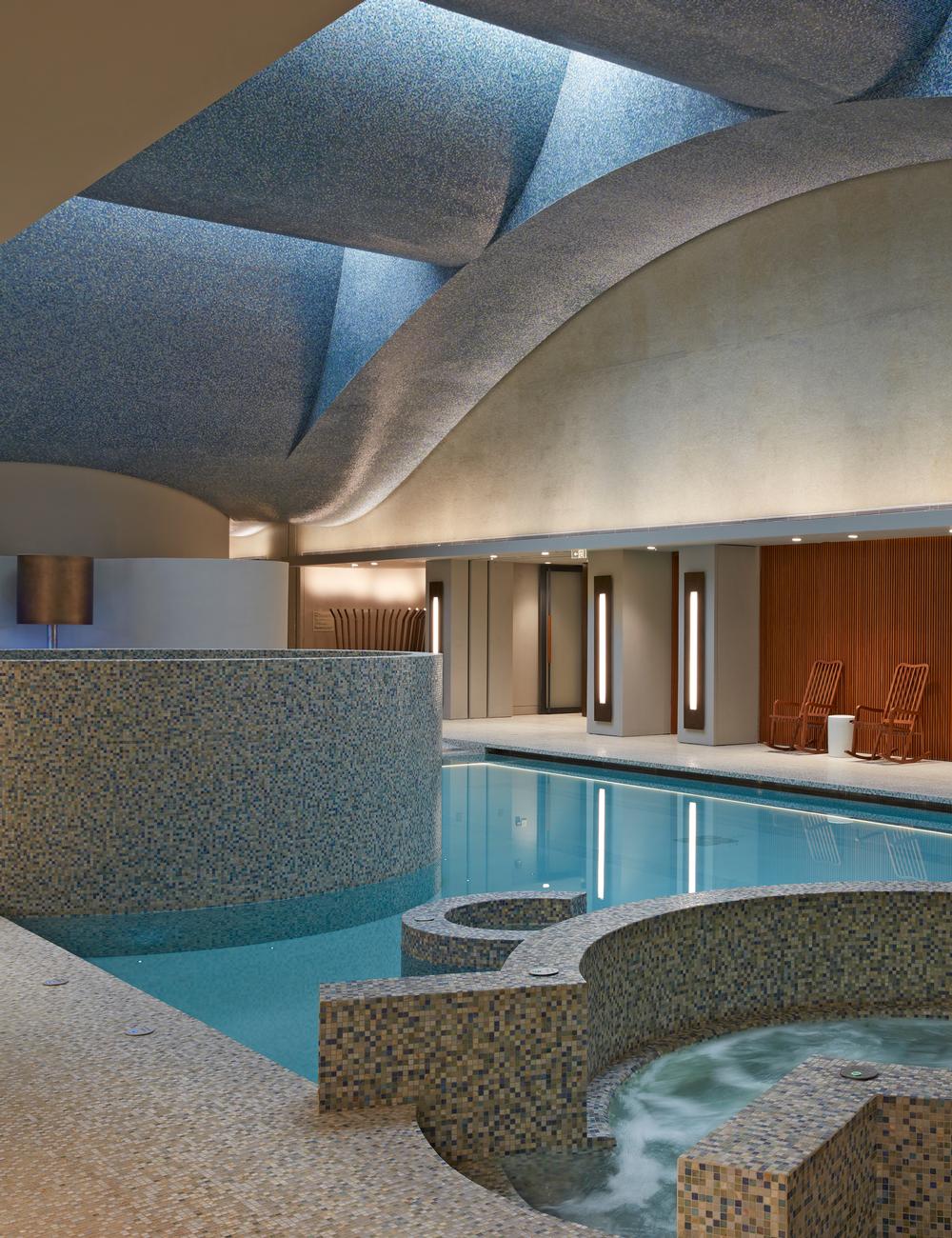
Rising over one million square feet on the shores of Yangcheng Lake, the complex includes an event space, a chapel, educational facilities, a 75-room hotel, a spa, and a wellness centre with meditation rooms and a clinic that integrates Chinese and Western medicine. It’s a space not so much for a holiday as for a period of self-improvement. When guests check into the hotel, they’re given a medical exam and greeted by a personal wellness coach.
LIVING THE EXPERIENCE It’s an experience that some will enjoy full-time. Sangha includes 109 single-family houses and 89 flats, whose construction were required by the local government. Tsao says he and his brother never wanted to include free-standing houses, since they find them unsustainable by nature, but they soon realised that the profits from selling the residential units would help fund the rest of Sangha’s programme.
And it’s the programme that led the design, not the other way around. “Living Room and Sangha have different proportions of programmes,” says Tsao. “But the gist of it is mind-body wellness, which means healthy mind, healthy body.” In terms of design, “it means capturing natural conditions like light, breeze and temperature in the man-made design,” he says. One example is the Living Room’s farm.
“When you look down from the higher buildings on the complex you see this greenery, which we use to produce ingredients for our eateries,” explains Tsao. A number of studies have shown that even a glimpse of greenery has important psychological benefits.
Another example is the way both Sangha and the Living Room deal with internal circulation. “We put in a lot of stairs and corridors and internal bridges that make you perceive the spaces both orthogonally and diagonally,” says Tsao. “You’re always changing your point of view. It addresses qualities of navigation and wayfinding – engaging your senses about where you’re going, where you’re coming from, what you see along the way.”
Tsao & McKown led the design for Sangha, but they also invited two other architects to take part: Yung Ho Chang of Beijing’s Atelier FCJZ and Lyndon Neri of Shanghai-based Neri & Hu. “We had an agreement that they had to conform to certain basics – grey, white and earth tones,” says Tsao. All materials are sustainable, in order to keep the project’s carbon footprint as low as possible. “We don’t use any quarried stone,” says Tsao by way of example.
The invited architects were allowed one special material of their own. Chang chose a kind of rough terrazzo that was popular in Shanghai in the 1930s. Neri chose a grey brick tile that evokes the kind of brick used in Suzhou's gardens. "There's a series of walls he designed called the sanctuary that creates shadows. It's very beautiful,” says Tsao.
THE BIGGER PICTURE It all adds up to an eye-catching setting, but Tsao says aesthetics are only part of the picture. “The buildings are just containers for content,” he says. “And it’s the content in which the revenue will finally come.” In a country that has changed so quickly and so thoroughly, Tsao is banking on the need for a pause – and a new kind of architecture that encourages reflection, health and well-being. “We want to let people know that this can be done,” he says. “It’s a new way to develop our cities and our world.”
In today’s premium spa environment, every detail shapes the guest experience – right down to
the softness of towels and the freshness of linens. [more...]
+ More featured suppliers
COMPANY PROFILES
Pearl Tree
Pearl Tree was established in 2014 by Soraya and
Sarry Jouzy with a mission to champion
personal w [more...]
Klafs GmbH
Founded in 1928, Klafs is known as an award winning, world-leading trendsetter in wellness and spa. [more...]
Combining Chinese and Western approaches to wellbeing, Octave Living aims to support a healthier, saner lifestyle, and balance profit with giving back. Christopher DeWolf finds out about the team behind the brand
By Christopher DeWolf | Published in CLADmag 2018 issue 3
Brothers Calvin and Frederick Tsao set up Octave Living with Zack McKown
Calvin Tsao and his brother Frederick are American, but they were both drawn to China from an early age. “Even though we’re immigrants, our parents had us steeped in Chinese culture,” says Calvin Tsao. After growing up in California, he made his way across the Pacific to work on I.M. Pei’s groundbreaking Suzhou Museum, the first foreign-designed project in a country that had just opened up after decades of isolation. His brother began to establish business links with the country of their ancestors.
Tsao eventually returned to the United States, where he founded an architecture firm, Tsao & McKown, with partner Zack McKown. Meanwhile, China transformed itself from one of the world’s poorest countries into one of its most powerful, but Tsao saw something was amiss. “I have a long view, having experienced the evolution of China over the last 30 years,” he says. “And while its economic and political presence and authority in the world is in ascent, their attention to social health has been spotty.”
Tsao was particularly alarmed that China seemed to have lost touch with some of the spiritual and cultural anchors that have held Chinese civilisation firm for centuries. One night, he and McKown pitched Frederick Tsao an idea: start a new company that would develop properties centred around cultural, physical and mental wellbeing. “My brother is an industrialist, he has a lot of resources, both political connections and financial strengths,” says Tsao. “We thought he could help. And indeed he took that idea to heart.”
GIVING BACK The result is Octave Living, named for the interval between one musical pitch and another, as if to symbolise the switch from profit-focused development to something more enduring. “Can you make a sustainable endeavour that balances profit with giving back?” asks Tsao. “Octave is really about looking at economic models and seeing how we can do something that’s good for our society.”
Octave Living could provide a reference not only for Chinese development but for cities around the world, believes Tsao. Its message is straightforward: the key to a happy and successful society is not only more growth and more money, but a kind of personal and social equilibrium. It’s a philosophy to design and development that places wellness at the heart of everything.
With the help of Frederick Tsao, Tsao and McKown were able to launch Octave Living’s first project in 2016. The Living Room is a ‘holistic urban wellness centre’ located in a historic compound in Shanghai’s Former French Concession, a handsome district of streets lined by plane trees. Spanning 21,500 square feet, the centre includes space for early childhood development programmes, family therapy, art therapy, yoga, a restaurant and a small urban farm.
The architecture seems designed to soothe. Serenely minimal passages lead to spaces filled with natural materials like wood.
WELLNESS RESORT The next project from Octave Living, which opened last year, is much larger and more ambitious. Sangha is a wellness resort located in Suzhou, a city west of Shanghai famous for its classical Chinese gardens.
Rising over one million square feet on the shores of Yangcheng Lake, the complex includes an event space, a chapel, educational facilities, a 75-room hotel, a spa, and a wellness centre with meditation rooms and a clinic that integrates Chinese and Western medicine. It’s a space not so much for a holiday as for a period of self-improvement. When guests check into the hotel, they’re given a medical exam and greeted by a personal wellness coach.
LIVING THE EXPERIENCE It’s an experience that some will enjoy full-time. Sangha includes 109 single-family houses and 89 flats, whose construction were required by the local government. Tsao says he and his brother never wanted to include free-standing houses, since they find them unsustainable by nature, but they soon realised that the profits from selling the residential units would help fund the rest of Sangha’s programme.
And it’s the programme that led the design, not the other way around. “Living Room and Sangha have different proportions of programmes,” says Tsao. “But the gist of it is mind-body wellness, which means healthy mind, healthy body.” In terms of design, “it means capturing natural conditions like light, breeze and temperature in the man-made design,” he says. One example is the Living Room’s farm.
“When you look down from the higher buildings on the complex you see this greenery, which we use to produce ingredients for our eateries,” explains Tsao. A number of studies have shown that even a glimpse of greenery has important psychological benefits.
Another example is the way both Sangha and the Living Room deal with internal circulation. “We put in a lot of stairs and corridors and internal bridges that make you perceive the spaces both orthogonally and diagonally,” says Tsao. “You’re always changing your point of view. It addresses qualities of navigation and wayfinding – engaging your senses about where you’re going, where you’re coming from, what you see along the way.”
Tsao & McKown led the design for Sangha, but they also invited two other architects to take part: Yung Ho Chang of Beijing’s Atelier FCJZ and Lyndon Neri of Shanghai-based Neri & Hu. “We had an agreement that they had to conform to certain basics – grey, white and earth tones,” says Tsao. All materials are sustainable, in order to keep the project’s carbon footprint as low as possible. “We don’t use any quarried stone,” says Tsao by way of example.
The invited architects were allowed one special material of their own. Chang chose a kind of rough terrazzo that was popular in Shanghai in the 1930s. Neri chose a grey brick tile that evokes the kind of brick used in Suzhou's gardens. "There's a series of walls he designed called the sanctuary that creates shadows. It's very beautiful,” says Tsao.
THE BIGGER PICTURE It all adds up to an eye-catching setting, but Tsao says aesthetics are only part of the picture. “The buildings are just containers for content,” he says. “And it’s the content in which the revenue will finally come.” In a country that has changed so quickly and so thoroughly, Tsao is banking on the need for a pause – and a new kind of architecture that encourages reflection, health and well-being. “We want to let people know that this can be done,” he says. “It’s a new way to develop our cities and our world.”
Global Wellness Day (GWD) will mark its 15th anniversary on Saturday 13 June 2026, with the
theme: #JoyMagenta – a celebration of the healing qualities of simple gestures and activities
that spark joy.
Global luxury hospitality brand, Six Senses, has partnered with longevity healthcare provider,
HUM2N, to launch a clinic at Six Senses London, at The Whiteley.
As part of its first hotel partnership, Mayrlife – the medical health resort company known for its
site in Altaussee, Austria – has launched a day clinic at the Rosewood Vienna.
Premium London health club, KX Chelsea, will imminently unveil its most significant
redevelopment since its launch in 2002 to create an integrated wellness model combining
training, recovery and relaxation.
Rosewood Le Guanahani St Barth, on the northeast coast of Saint Barthélemy in the French
West Indies, is offering a programme of ocean-inspired yoga classes between 8-14 June to
celebrate Global Wellness Day (GWD).
Hotel de France, located on the British Isle of Jersey, has created a wellness retreat package
that includes a hot yoga session that will take place in Jersey Zoo’s butterfly sanctuary.
The Ritz-Carlton, Langkawi, in Malaysia, has revealed a schedule for Global Wellness Day
(GWD) that includes guided rainforest walks, mindful movement and guided coastal meditation
experiences.
Longevitix, a clinical platform for preventive and longevity medicine, has launched its AI-
powered intelligence system to help physicians deliver continuous, personalised longevity-
focused care at scale.
Atmantan Wellness Centre, an integrative wellness destination in Mulshi, near Pune in India, is
expanding its portfolio by adding a new centre in Hyderabad that will launch between 2028 and
2029.
A recent survey by the UK Spa Association (UKSA) into the industry’s approach to cancer care
has revealed that almost half of participating respondents (46 per cent) are unaware that
cancer is a disability and guests with a cancer diagnosis must be given
In today’s premium spa environment, every detail shapes the guest experience – right down to
the softness of towels and the freshness of linens. [more...]
+ More featured suppliers
COMPANY PROFILES
Pearl Tree Pearl Tree was established in 2014 by Soraya and
Sarry Jouzy with a mission to champion
personal w [more...]