A new science and technology museum has opened in California, with a focus
on kinetic, dynamic interactives, visitor-driven learning and staff engagement
By Alice Davis | Published in Attractions Management 2017 issue 2
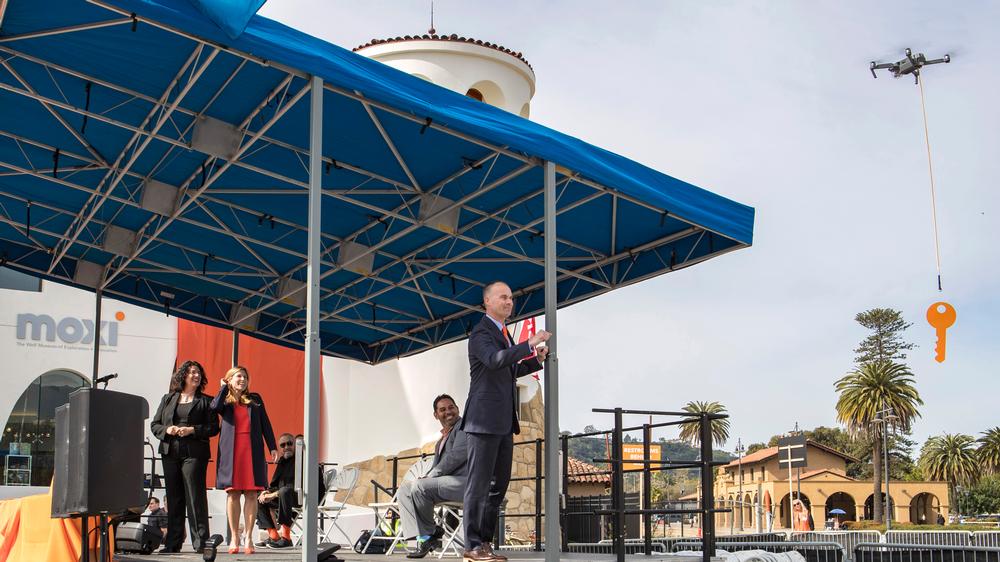
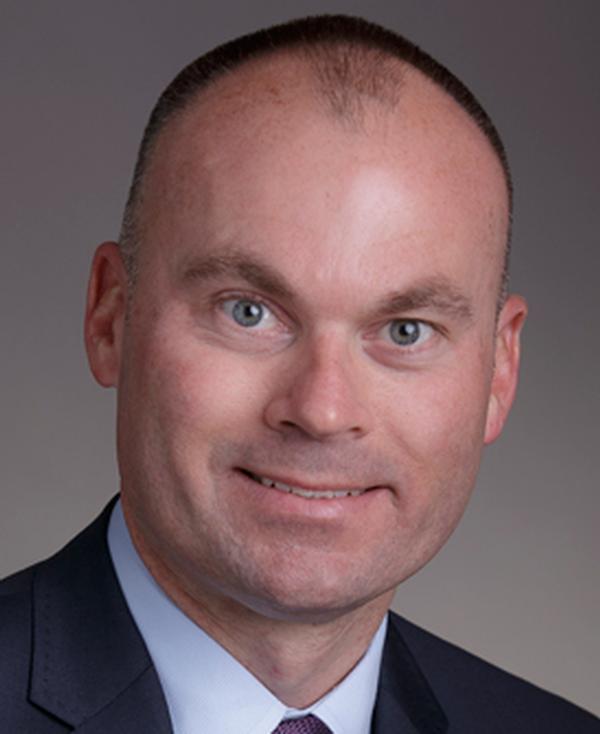
MOXI CEO Steve Hinkley receives a ceremonial key, flown in by drone, at the science centre’s opening ceremony / MOXI
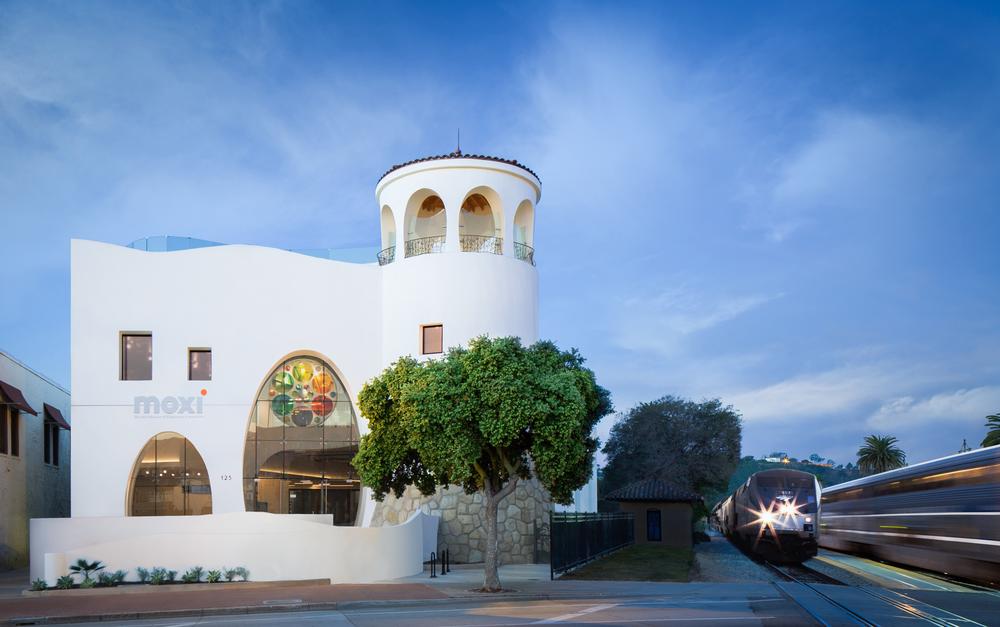
After a quarter of a century process, the long-awaited Wolf Museum of Exploration + Innovation (MOXI) opened its doors in Santa Barbara, California in February.
First proposed in 1990 as the Children’s Museum of Santa Barbara, capital funding and a site was finally found, and the newly named MOXI broke ground in 2014.
Located next to the train tracks and the Santa Barbara beach in the State Street tourist area – sometimes dubbed the American Riviera – the science and technology museum offers 17,000sq ft (1,600sqm) of exhibit space over three floors. MOXI is divided into seven themed zones, called Tracks. MOXI staff, known as Sparks, encourage guests to experiment, observe, explore, question, make and design.
We asked museum CEO Steve Hinkley to tell us about the innovative new attraction.
How did the science museum come into existence? In the late 80s a concept was drawn up for a children’s museum. Over the years, with a huge amount of community involvement, the idea transformed into an attraction that was not just for children, but welcomed the entire community. And then it developed a focus on science, technology, engineering, arts and maths.
We realised that as a science museum we would continue to serve children and they would be one of our core audiences, but when we thought about who could benefit from science experiences, we knew that was really everybody.
So our vision was to be accessible to all. We’ve created wonderful exhibits that are open-ended and speak to people of all ages and abilities, and we’ve also specifically targeted adult audiences.
What type of experience did you want to create? When we looked at what a 21st-century education needs, we saw that it needs more creative thinking, more problem solving, more collaborative activity, more hands-on making and doing.
If people get excited by science and technology here in the museum, they might see there are great career opportunities available that are typically well-paid and have low unemployment rates.
However, many of the skills we are talking about here – scientific process, design thinking, problem solving – translate through all types of disciplines, not just science and engineering. We think that we can help to create a better informed population and a more prepared workforce by exposing everyone to those skills that are broadly applicable.
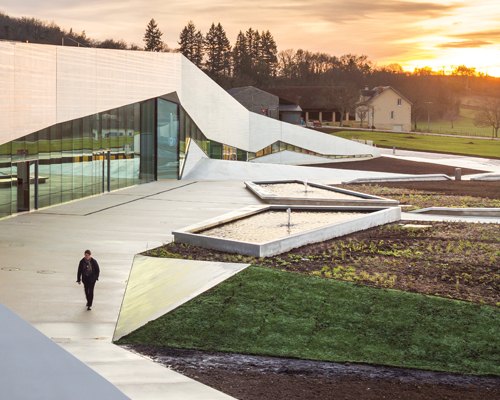
Can you tell us about the building? The building was designed by Barry Berkus and it was the last design he did before he passed away. The building reflects on the outside the experience on the inside, that playful approach to learning. People perceive science as a very serious thing, but it’s also a highly creative, fun and dynamic thing, and we wanted the building to reflect that.
Can you tell us about the location? It’s an ideal location for a museum. We’re right next to the train station. There are hotels nearby, we are a block from Stearns Wharf and, of course, the beach. We are also near the Sea Centre, Santa Barbara Zoo and the Maritime Museum.
MOXI is also by the trendy Funk Zone, a thriving district which has wine bars, art exhibits, restaurants and retail. We are at the centre of this vibrant hub of activity that’s taking place in Santa Barbara. It’s exciting for Santa Barbara to finally realise the potential of its waterfront, something that’s long overdue.
Was the focus on interactivity planned from the beginning? It was. We worked with exhibit designers Gyroscope and a committee of museum Board members, community members and educators, and we designed the exhibits collaboratively.
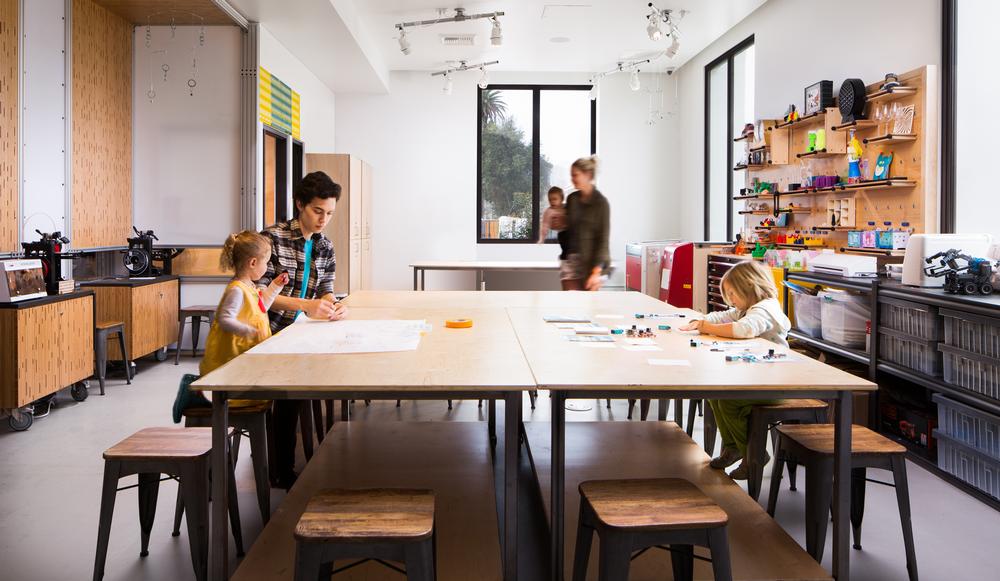
We wanted everything to be interactive and hands-on. We found one of the best ways to encourage people to just start playing with and touching things was to provide minimal instruction. We didn’t want people to stand in front of an object and feel unsure about whether they should touch or not, and just read about it.
We encourage visitors to play, try it out and see what they learn. When they get stuck, as often happens, our floor staff, our MOXI Sparks, are there to help them understand not only how to interact with the exhibit, but also what some of the applications of that are, and what we hope they can learn through that experience. It’s a way of supporting learning, not teaching something to someone. It’s really about having a conversation with the visitor.
There is this implied understanding that when you walk into a museum you’re there to get answers and be taught something. We’ve moved away from that. We’re asking the visitor to learn things. And the difference between teaching and learning is who is driving the bus. We want the visitor to drive the experience and spend the time it takes for them to learn before moving to the next exhibit.
As the exhibits are engaging, interactive and untimed, does that cause problems with queuing or crowding? We do limit the number of people in the building at any given time and we do that intentionally because we want people to feel they get to spend as much time as they would like. We don’t want more than 400 people in the building at any one time. We’ve also tried to design experiences so that while they’re waiting, visitors can also be learning through observing others. With nearly 70 exhibits in the building, there’s always something for people to do. We find visitors rarely have to wait very long.
What’s the average dwell time? We’ve tracked some sample visitor times, and it’s about 90 to 100 minutes, but you can certainly spend multiple hours here. It’s not a huge museum, but it is a very dense space and there are a lot of different types of experiences.
We offer memberships that allow families to come back whenever they like. It’s been a very popular programme and out-paced all of our expectations. The membership programme pays for itself in under three visits and allows people take it in their stride, and in bite-sized pieces.
We also recognise too that a number of families are coming with young children, and they might not be able to stay for three or four hours. We don’t have a café or restaurant as there’s a huge variety of food establishments nearby.
We create museum experiences that are dynamic, that we change relatively frequently. We may not change out big exhibitions – that’s a very slow and expensive way of creating change – but there are a lot of small changes that we can do, such as spontaneous programming through our makerspace and refreshing the media installations, and that for us is a way of keeping the experience fresh.
You mentioned there’s no café. Do you have a shop or any other way to generate secondary spend? We have a gift shop, and that’s been extremely popular. We have a local partner in that, a group called Chicken Little that runs a nearby children’s store. They supply a range of science and engineering-themed toys and gifts.
What extra programming do you offer? We’ve done adults-only evenings on a Friday. We do birthday parties. We have school groups that come on field trips. Once we’re more established, we are planning to do a huge number of education programmes, not just in the building but also eventually moving out into the community as part of our outreach.
Why is MOXI different from other science centres? When I look at the community of science centres and museums, I think it’s evolutionary, especially in terms of full immersive interactivity. We’ve continued that trend and taken it in a new direction.
The approach that we have to providing very minimal instruction is quite different. A lot of science museums still put a lot of graphics up, trying to explain something to you in writing, which is hard to do but also not necessarily what people are looking for. It’s not the way we are asking people to learn in this space. Many of the experiences here are developed just for us and they were developed specifically to the way that we wanted our guests to learn.
The floor staffing model that we have is not individually unique, but there are very few science museums that are really putting the learning in the hands of people and challenging guests to interact with our staff and challenging our staff to interact with the guests, and use that as the form of learning. It’s a much more impactful way of doing it because you develop that relationship with an individual as you’re talking to them, but also from a staff perspective, we recognise that everybody that walks into this building has a different understanding of science or a different perception of science, and a different way of interacting with it and a different way of learning.
What was the biggest challenge in bringing this project to completion? Pre-dating me, one of the biggest problems the museum ran into was securing a location. Even when the site was essentially gifted by the City –- it’s technically a lease, but it’s a 50-year ground lease for one dollar a year – there was then a legal challenge from others who wanted the site. Eventually, the museum and the City prevailed, but for a while it was in question whether the museum would be able to have this spot.
What’s the biggest success? When I walk through the museum on an afternoon and see a young couple on a date or a couple in their 60s playing with the exhibits and having a wonderful time, that makes me feel like this has been very successful. To see MOXI embraced by the full community, to see students and families from every conceivable background in Santa Barbara and all around coming here, that’s the greatest measure of success for where we are right now.
In the current climate, where people are talking about fake news and “alternative facts”, do you think science centres have a bigger role to play than ever before? I do. I think it can be a bit of a third-rail topic in some cases, and we have to be careful about what we’re advocating, but there is tremendous value in science. There is value in helping to make a better world and there is value in helping to make a better society. Once science gets tangled in the political discourse and becomes politicised, we lose a lot of that potential because there will automatically be a category of people that disregard it.
And to disregard scientifically proven facts is just not acceptable because science is about understanding the way the world works and how things work. Those things just are the way they are, regardless of what we might individually believe or want to believe. I think that science centres can and should, quite frankly, play a very vocal role in helping people truly understand the value of scientific exploration, the joy of that, the fun in it, but also the impact that learning science and valuing science can have.
It’s a long conversation to figure out where the politicisation of science comes in. Maybe it’s that certain scientific ideas threaten certain business interests. But at the end of the day, science is a facts-based system, not a belief-based system.
What more do you think can be done by the sector to address this? What we can try to impress on people here is the process of science, more than just the facts of science. When people understand the process of science, they understand better when they read scientific articles or watch scientific TV shows or listen to scientific dialogue. It gives them a better appreciation for what it takes to actually arrive at a scientific conclusion – that this isn’t just a random guess, it’s a well tested, thought-out and proven idea.
One of the other things science centres can do, very importantly, is push back on the idea that when science is proven wrong that it somehow calls all of science into question. Science is constantly seeking to improve. It’s constantly exploring and examining its understood ideas. This doesn’t weaken science, it strengthens it. Then, when an idea stands the test of time, we know that it must be reliable because it is under constant scrutiny and evaluation by other scientists. They are constantly re-assessing the established ideas.
And, when we see a discovery that contradicts our previous understanding, that shouldn’t be a bad thing. Let’s embrace the fact that science is constantly seeking to improve our understanding of the world.
Read more from this issue of Spa Business magazine
Promotional feature: IDEATTACK
IDEATTACK is working on a magical destination resort in Hunan Province, China.
Founders Natasha Varnica and Dan Thomas walk us through the fairytale experience
Science centres: Sparks Fly
The Wolf Museum of Exploration +
Innovation (MOXI) is a brand new science
centre in Santa Barbara, with a refreshing
approach. CEO Steve Hinkley tells all
Theme parks: Speed Demons
PortAventura’s COO Mark Robinson on the
company’s latest investment – Ferrari Land
Promotional feature: Simworx
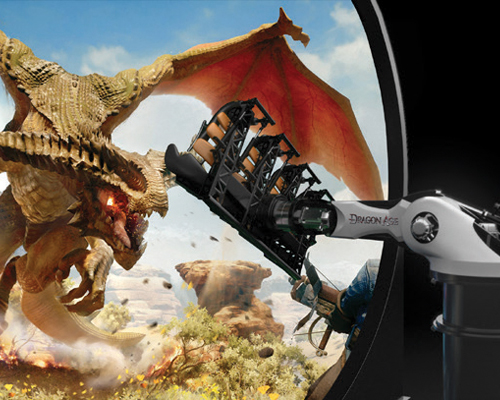
UK-based attractions manufacturer Simworx is building on its global
portfolio with a range of new projects in Dubai, China and Spain
Attractions: That’s the Spirit
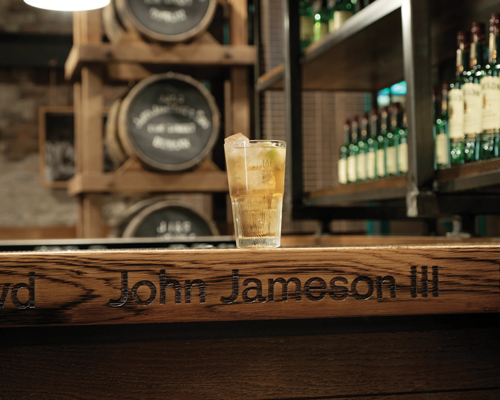
Jameson’s visitor experience centre has
been revamped by BRC Imagination
Arts. Tom Anstey went to Dublin and
talked to the team about the project
Promotional feature: FORREC
FORREC has worked with some of the world’s
most recognisable characters and IPs. Here Steven Rhys
shares some tips on bringing those cherished worlds to life
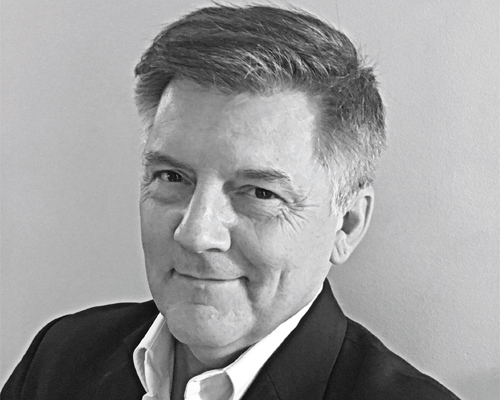
Steve Hinkley joined MOXI in March 2015 from the Perot Museum of Nature and Science in Dallas, Texas, where he was director of education and then vice president of programmes. Similar to MOXI, he was there at the birth of the Perot museum. Prior to joining the attractions industry, Hinkley taught high-school Biology, Physics, Anatomy and Physiology.
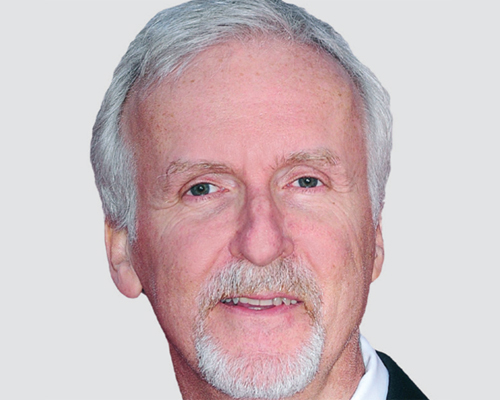
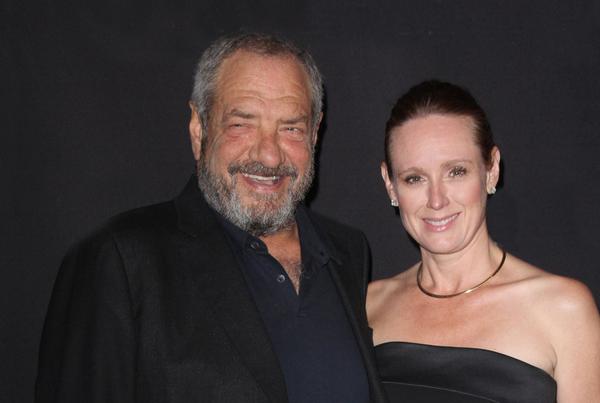
Dick and Noelle Wolf
PHOTO: Kathy Hutchins / Shutterstock
The Wolfs have supported the project
TV producers and philanthropists Dick and Noelle Wolf saw a need for something to inspire young children in the area and expose them to STEM topics. The couple, significant donors to MOXI, wanted to support the museum in the hope it would make a significant impact on this community and be “the smile on the face of Santa Barbara”.
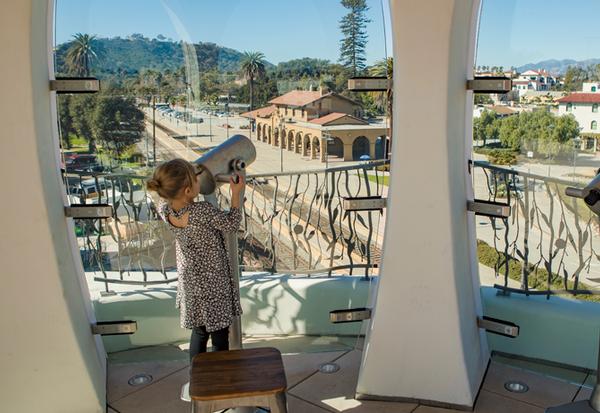
Design Santa Barbara, California-based AB Design Studio was responsible for taking the sandcastle-inspired museum building imagined by the late architect Barry Berkus and making it a reality. With whimsical features, a sweeping staircase, airy galleries, wide archways, a rooftop terrace and lookout tower, the design also draws on the colonial Spanish architecture of the neighbourhood.
“We did as much as we could to channel the original vision for the architecture on the outside,” says Clay Aurell, co-founder, AB Design Studio. “On the inside, we took a more forward-looking, fresh approach to bring a level of excitement to this exploratory museum for all ages.”
The building also has the distinction of being the first LEED-certified museum in Santa Barbara County.
Scenic views from the Sky Garden
FAST FACTS
Museum cost: $25m Predicted attendance: 100,000 Architect: Barry Berkus/AB Design Studio Exhibits: Gyroscope Size: 17,000sq ft Admission: $14 / $10 Family membership: $130 Opened: 25 February 2017 Website: moxi.org Twitter: @MOXIsb
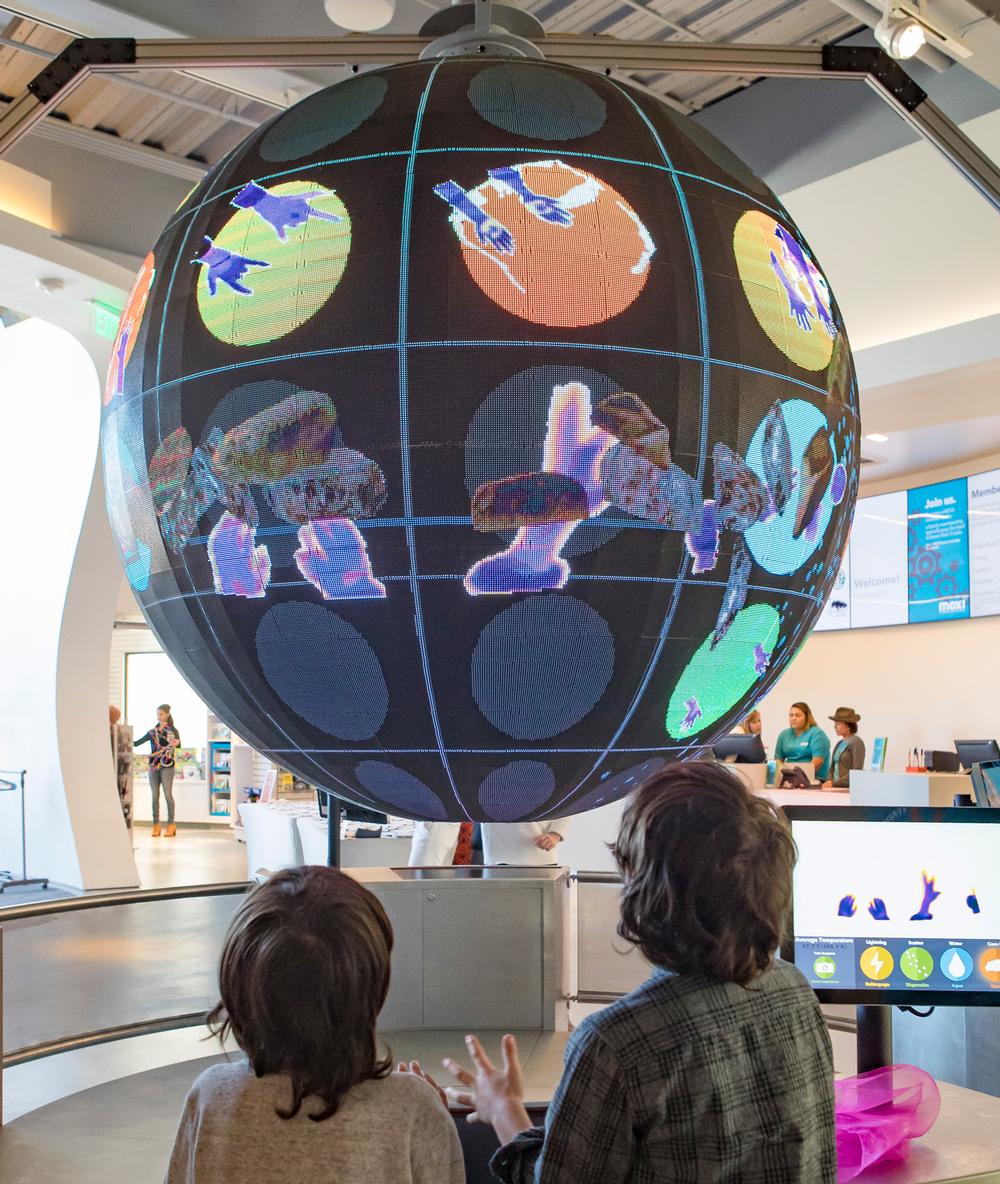
The Handprint Globe in the Tech Track / MOXI
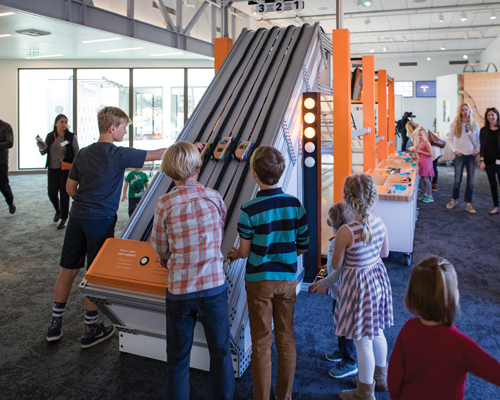
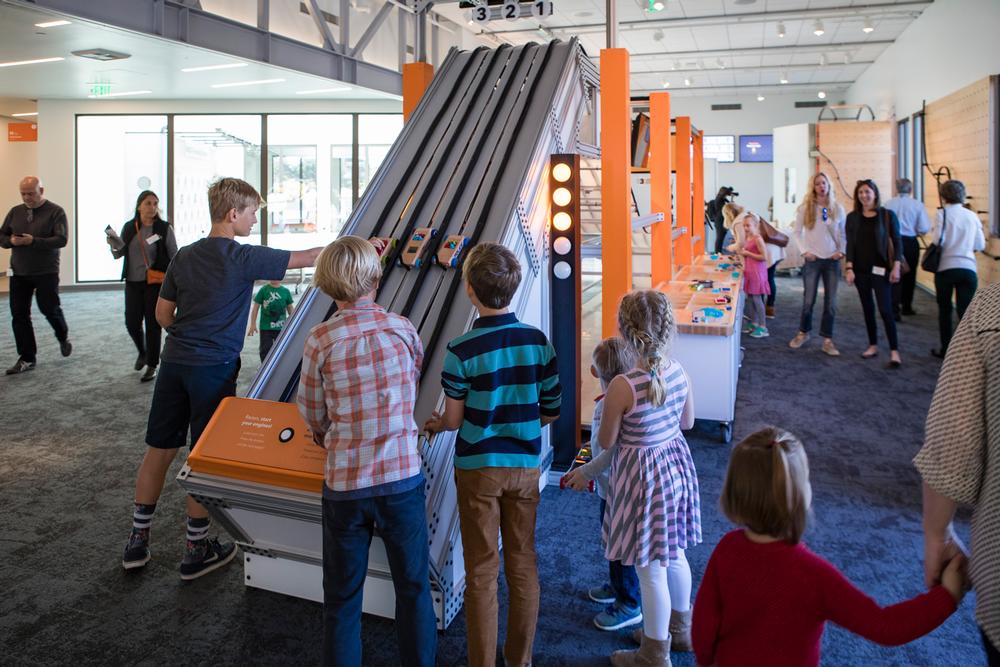
Guests design and make their own car and race it in the Speed Track / MOXI
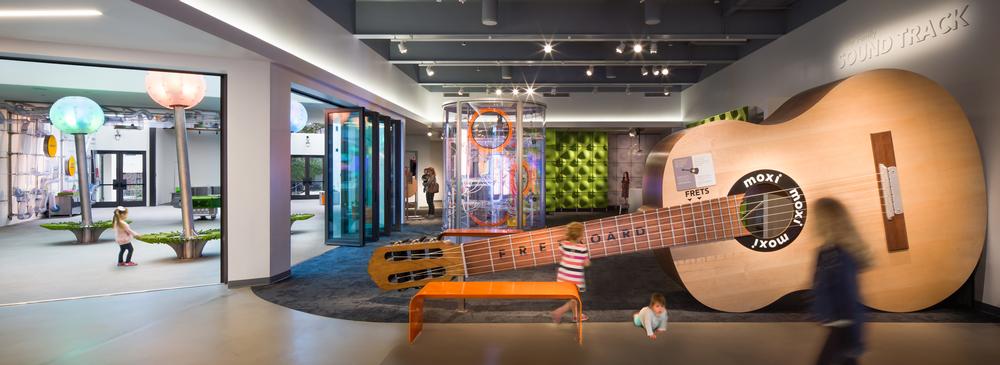
A view of the Fantastic Forces Courtyard and the Sound Track, which features an oversized Giant Guitar exhibit / PHOTO: Jason Rick
The Colour Mixing Machine in the Light Track / PHOTO: Jason Rick
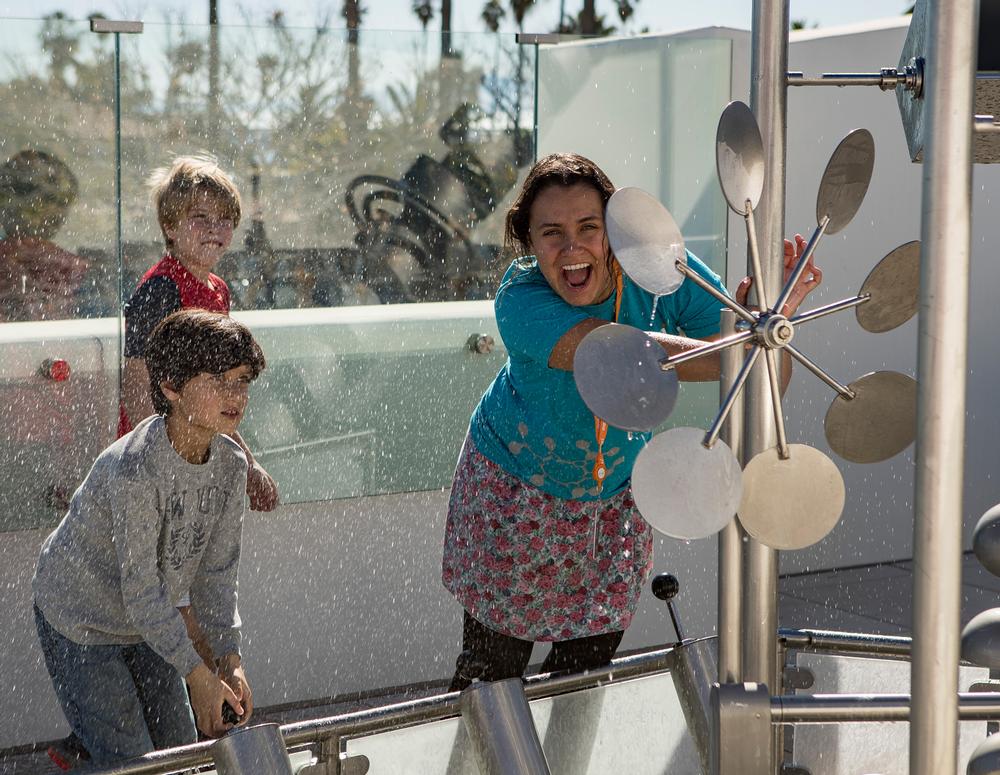
The interactive Whitewater exhibit in the Sky Garden / PHOTOS: MOXI
MOXI is located on State Street near the popular Funk Zone, Stearns Wharf and the beach / PHOTO: Jason Rick
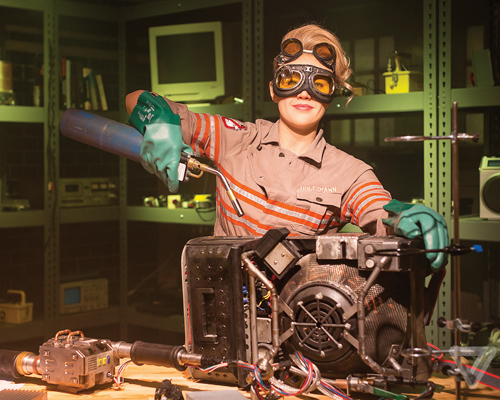
A makerspace known as the Innovation Workshop is part of the Tech Track / PHOTO: Jason Rick
In the fast-paced world of fitness and wellness, where high-intensity workouts push us to
our limits and the sweat pours, the importance of efficient recovery cannot be overstated. [more...]
+ More featured suppliers
COMPANY PROFILES
Seed To Skin
Founded by Jeanette Thottrup in 2018, in Tuscany, Seed to Skin is an award winning skincare line. [more...]
Wellhub
Wellhub (formerly Gympass) is the
world’s leading corporate wellness
platform, trusted by 70,000+ [more...]
A new science and technology museum has opened in California, with a focus
on kinetic, dynamic interactives, visitor-driven learning and staff engagement
By Alice Davis | Published in Attractions Management 2017 issue 2
MOXI CEO Steve Hinkley receives a ceremonial key, flown in by drone, at the science centre’s opening ceremony / MOXI
After a quarter of a century process, the long-awaited Wolf Museum of Exploration + Innovation (MOXI) opened its doors in Santa Barbara, California in February.
First proposed in 1990 as the Children’s Museum of Santa Barbara, capital funding and a site was finally found, and the newly named MOXI broke ground in 2014.
Located next to the train tracks and the Santa Barbara beach in the State Street tourist area – sometimes dubbed the American Riviera – the science and technology museum offers 17,000sq ft (1,600sqm) of exhibit space over three floors. MOXI is divided into seven themed zones, called Tracks. MOXI staff, known as Sparks, encourage guests to experiment, observe, explore, question, make and design.
We asked museum CEO Steve Hinkley to tell us about the innovative new attraction.
How did the science museum come into existence? In the late 80s a concept was drawn up for a children’s museum. Over the years, with a huge amount of community involvement, the idea transformed into an attraction that was not just for children, but welcomed the entire community. And then it developed a focus on science, technology, engineering, arts and maths.
We realised that as a science museum we would continue to serve children and they would be one of our core audiences, but when we thought about who could benefit from science experiences, we knew that was really everybody.
So our vision was to be accessible to all. We’ve created wonderful exhibits that are open-ended and speak to people of all ages and abilities, and we’ve also specifically targeted adult audiences.
What type of experience did you want to create? When we looked at what a 21st-century education needs, we saw that it needs more creative thinking, more problem solving, more collaborative activity, more hands-on making and doing.
If people get excited by science and technology here in the museum, they might see there are great career opportunities available that are typically well-paid and have low unemployment rates.
However, many of the skills we are talking about here – scientific process, design thinking, problem solving – translate through all types of disciplines, not just science and engineering. We think that we can help to create a better informed population and a more prepared workforce by exposing everyone to those skills that are broadly applicable.
Can you tell us about the building? The building was designed by Barry Berkus and it was the last design he did before he passed away. The building reflects on the outside the experience on the inside, that playful approach to learning. People perceive science as a very serious thing, but it’s also a highly creative, fun and dynamic thing, and we wanted the building to reflect that.
Can you tell us about the location? It’s an ideal location for a museum. We’re right next to the train station. There are hotels nearby, we are a block from Stearns Wharf and, of course, the beach. We are also near the Sea Centre, Santa Barbara Zoo and the Maritime Museum.
MOXI is also by the trendy Funk Zone, a thriving district which has wine bars, art exhibits, restaurants and retail. We are at the centre of this vibrant hub of activity that’s taking place in Santa Barbara. It’s exciting for Santa Barbara to finally realise the potential of its waterfront, something that’s long overdue.
Was the focus on interactivity planned from the beginning? It was. We worked with exhibit designers Gyroscope and a committee of museum Board members, community members and educators, and we designed the exhibits collaboratively.
We wanted everything to be interactive and hands-on. We found one of the best ways to encourage people to just start playing with and touching things was to provide minimal instruction. We didn’t want people to stand in front of an object and feel unsure about whether they should touch or not, and just read about it.
We encourage visitors to play, try it out and see what they learn. When they get stuck, as often happens, our floor staff, our MOXI Sparks, are there to help them understand not only how to interact with the exhibit, but also what some of the applications of that are, and what we hope they can learn through that experience. It’s a way of supporting learning, not teaching something to someone. It’s really about having a conversation with the visitor.
There is this implied understanding that when you walk into a museum you’re there to get answers and be taught something. We’ve moved away from that. We’re asking the visitor to learn things. And the difference between teaching and learning is who is driving the bus. We want the visitor to drive the experience and spend the time it takes for them to learn before moving to the next exhibit.
As the exhibits are engaging, interactive and untimed, does that cause problems with queuing or crowding? We do limit the number of people in the building at any given time and we do that intentionally because we want people to feel they get to spend as much time as they would like. We don’t want more than 400 people in the building at any one time. We’ve also tried to design experiences so that while they’re waiting, visitors can also be learning through observing others. With nearly 70 exhibits in the building, there’s always something for people to do. We find visitors rarely have to wait very long.
What’s the average dwell time? We’ve tracked some sample visitor times, and it’s about 90 to 100 minutes, but you can certainly spend multiple hours here. It’s not a huge museum, but it is a very dense space and there are a lot of different types of experiences.
We offer memberships that allow families to come back whenever they like. It’s been a very popular programme and out-paced all of our expectations. The membership programme pays for itself in under three visits and allows people take it in their stride, and in bite-sized pieces.
We also recognise too that a number of families are coming with young children, and they might not be able to stay for three or four hours. We don’t have a café or restaurant as there’s a huge variety of food establishments nearby.
We create museum experiences that are dynamic, that we change relatively frequently. We may not change out big exhibitions – that’s a very slow and expensive way of creating change – but there are a lot of small changes that we can do, such as spontaneous programming through our makerspace and refreshing the media installations, and that for us is a way of keeping the experience fresh.
You mentioned there’s no café. Do you have a shop or any other way to generate secondary spend? We have a gift shop, and that’s been extremely popular. We have a local partner in that, a group called Chicken Little that runs a nearby children’s store. They supply a range of science and engineering-themed toys and gifts.
What extra programming do you offer? We’ve done adults-only evenings on a Friday. We do birthday parties. We have school groups that come on field trips. Once we’re more established, we are planning to do a huge number of education programmes, not just in the building but also eventually moving out into the community as part of our outreach.
Why is MOXI different from other science centres? When I look at the community of science centres and museums, I think it’s evolutionary, especially in terms of full immersive interactivity. We’ve continued that trend and taken it in a new direction.
The approach that we have to providing very minimal instruction is quite different. A lot of science museums still put a lot of graphics up, trying to explain something to you in writing, which is hard to do but also not necessarily what people are looking for. It’s not the way we are asking people to learn in this space. Many of the experiences here are developed just for us and they were developed specifically to the way that we wanted our guests to learn.
The floor staffing model that we have is not individually unique, but there are very few science museums that are really putting the learning in the hands of people and challenging guests to interact with our staff and challenging our staff to interact with the guests, and use that as the form of learning. It’s a much more impactful way of doing it because you develop that relationship with an individual as you’re talking to them, but also from a staff perspective, we recognise that everybody that walks into this building has a different understanding of science or a different perception of science, and a different way of interacting with it and a different way of learning.
What was the biggest challenge in bringing this project to completion? Pre-dating me, one of the biggest problems the museum ran into was securing a location. Even when the site was essentially gifted by the City –- it’s technically a lease, but it’s a 50-year ground lease for one dollar a year – there was then a legal challenge from others who wanted the site. Eventually, the museum and the City prevailed, but for a while it was in question whether the museum would be able to have this spot.
What’s the biggest success? When I walk through the museum on an afternoon and see a young couple on a date or a couple in their 60s playing with the exhibits and having a wonderful time, that makes me feel like this has been very successful. To see MOXI embraced by the full community, to see students and families from every conceivable background in Santa Barbara and all around coming here, that’s the greatest measure of success for where we are right now.
In the current climate, where people are talking about fake news and “alternative facts”, do you think science centres have a bigger role to play than ever before? I do. I think it can be a bit of a third-rail topic in some cases, and we have to be careful about what we’re advocating, but there is tremendous value in science. There is value in helping to make a better world and there is value in helping to make a better society. Once science gets tangled in the political discourse and becomes politicised, we lose a lot of that potential because there will automatically be a category of people that disregard it.
And to disregard scientifically proven facts is just not acceptable because science is about understanding the way the world works and how things work. Those things just are the way they are, regardless of what we might individually believe or want to believe. I think that science centres can and should, quite frankly, play a very vocal role in helping people truly understand the value of scientific exploration, the joy of that, the fun in it, but also the impact that learning science and valuing science can have.
It’s a long conversation to figure out where the politicisation of science comes in. Maybe it’s that certain scientific ideas threaten certain business interests. But at the end of the day, science is a facts-based system, not a belief-based system.
What more do you think can be done by the sector to address this? What we can try to impress on people here is the process of science, more than just the facts of science. When people understand the process of science, they understand better when they read scientific articles or watch scientific TV shows or listen to scientific dialogue. It gives them a better appreciation for what it takes to actually arrive at a scientific conclusion – that this isn’t just a random guess, it’s a well tested, thought-out and proven idea.
One of the other things science centres can do, very importantly, is push back on the idea that when science is proven wrong that it somehow calls all of science into question. Science is constantly seeking to improve. It’s constantly exploring and examining its understood ideas. This doesn’t weaken science, it strengthens it. Then, when an idea stands the test of time, we know that it must be reliable because it is under constant scrutiny and evaluation by other scientists. They are constantly re-assessing the established ideas.
And, when we see a discovery that contradicts our previous understanding, that shouldn’t be a bad thing. Let’s embrace the fact that science is constantly seeking to improve our understanding of the world.
Read more from this issue of Spa Business magazine
Promotional feature: IDEATTACK
IDEATTACK is working on a magical destination resort in Hunan Province, China.
Founders Natasha Varnica and Dan Thomas walk us through the fairytale experience
Science centres: Sparks Fly
The Wolf Museum of Exploration +
Innovation (MOXI) is a brand new science
centre in Santa Barbara, with a refreshing
approach. CEO Steve Hinkley tells all
Theme parks: Speed Demons
PortAventura’s COO Mark Robinson on the
company’s latest investment – Ferrari Land
Promotional feature: Simworx
UK-based attractions manufacturer Simworx is building on its global
portfolio with a range of new projects in Dubai, China and Spain
Attractions: That’s the Spirit
Jameson’s visitor experience centre has
been revamped by BRC Imagination
Arts. Tom Anstey went to Dublin and
talked to the team about the project
Promotional feature: FORREC
FORREC has worked with some of the world’s
most recognisable characters and IPs. Here Steven Rhys
shares some tips on bringing those cherished worlds to life
Steve Hinkley joined MOXI in March 2015 from the Perot Museum of Nature and Science in Dallas, Texas, where he was director of education and then vice president of programmes. Similar to MOXI, he was there at the birth of the Perot museum. Prior to joining the attractions industry, Hinkley taught high-school Biology, Physics, Anatomy and Physiology.
Dick and Noelle Wolf
PHOTO: Kathy Hutchins / Shutterstock
The Wolfs have supported the project
TV producers and philanthropists Dick and Noelle Wolf saw a need for something to inspire young children in the area and expose them to STEM topics. The couple, significant donors to MOXI, wanted to support the museum in the hope it would make a significant impact on this community and be “the smile on the face of Santa Barbara”.
Design Santa Barbara, California-based AB Design Studio was responsible for taking the sandcastle-inspired museum building imagined by the late architect Barry Berkus and making it a reality. With whimsical features, a sweeping staircase, airy galleries, wide archways, a rooftop terrace and lookout tower, the design also draws on the colonial Spanish architecture of the neighbourhood.
“We did as much as we could to channel the original vision for the architecture on the outside,” says Clay Aurell, co-founder, AB Design Studio. “On the inside, we took a more forward-looking, fresh approach to bring a level of excitement to this exploratory museum for all ages.”
The building also has the distinction of being the first LEED-certified museum in Santa Barbara County.
Scenic views from the Sky Garden
FAST FACTS
Museum cost: $25m Predicted attendance: 100,000 Architect: Barry Berkus/AB Design Studio Exhibits: Gyroscope Size: 17,000sq ft Admission: $14 / $10 Family membership: $130 Opened: 25 February 2017 Website: moxi.org Twitter: @MOXIsb
The Handprint Globe in the Tech Track / MOXI
Guests design and make their own car and race it in the Speed Track / MOXI
A view of the Fantastic Forces Courtyard and the Sound Track, which features an oversized Giant Guitar exhibit / PHOTO: Jason Rick
The Colour Mixing Machine in the Light Track / PHOTO: Jason Rick
The interactive Whitewater exhibit in the Sky Garden / PHOTOS: MOXI
MOXI is located on State Street near the popular Funk Zone, Stearns Wharf and the beach / PHOTO: Jason Rick
A makerspace known as the Innovation Workshop is part of the Tech Track / PHOTO: Jason Rick
Global Wellness Day (GWD) will mark its 15th anniversary on Saturday 13 June 2026, with the
theme: #JoyMagenta – a celebration of the healing qualities of simple gestures and activities
that spark joy.
Global luxury hospitality brand, Six Senses, has partnered with longevity healthcare provider,
HUM2N, to launch a clinic at Six Senses London, at The Whiteley.
As part of its first hotel partnership, Mayrlife – the medical health resort company known for its
site in Altaussee, Austria – has launched a day clinic at the Rosewood Vienna.
Premium London health club, KX Chelsea, will imminently unveil its most significant
redevelopment since its launch in 2002 to create an integrated wellness model combining
training, recovery and relaxation.
Rosewood Le Guanahani St Barth, on the northeast coast of Saint Barthélemy in the French
West Indies, is offering a programme of ocean-inspired yoga classes between 8-14 June to
celebrate Global Wellness Day (GWD).
Hotel de France, located on the British Isle of Jersey, has created a wellness retreat package
that includes a hot yoga session that will take place in Jersey Zoo’s butterfly sanctuary.
The Ritz-Carlton, Langkawi, in Malaysia, has revealed a schedule for Global Wellness Day
(GWD) that includes guided rainforest walks, mindful movement and guided coastal meditation
experiences.
Longevitix, a clinical platform for preventive and longevity medicine, has launched its AI-
powered intelligence system to help physicians deliver continuous, personalised longevity-
focused care at scale.
Atmantan Wellness Centre, an integrative wellness destination in Mulshi, near Pune in India, is
expanding its portfolio by adding a new centre in Hyderabad that will launch between 2028 and
2029.
A recent survey by the UK Spa Association (UKSA) into the industry’s approach to cancer care
has revealed that almost half of participating respondents (46 per cent) are unaware that
cancer is a disability and guests with a cancer diagnosis must be given
In the fast-paced world of fitness and wellness, where high-intensity workouts push us to
our limits and the sweat pours, the importance of efficient recovery cannot be overstated. [more...]
+ More featured suppliers
COMPANY PROFILES
Seed To Skin Founded by Jeanette Thottrup in 2018, in Tuscany, Seed to Skin is an award winning skincare line. [more...]