A dramatic new museum celebrating some of
the world’s most famous prehistoric cave art
has opened at the Lascaux Cave complex in
France. Kim Megson visited the new attraction
By Kim Megson | Published in Attractions Management 2017 issue 2
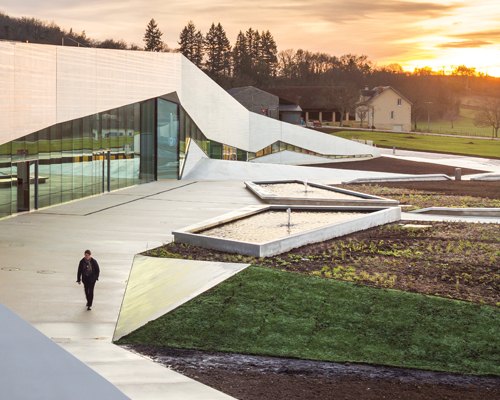
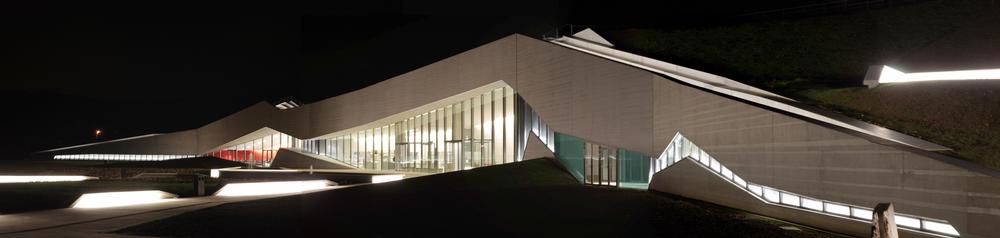
The new International Centre for Cave Art tells the story of Montignac’s Paleolithic caves, France / Luc Boegly & Sergio Grazia
At the Lascaux Caves in the Dordogne region of France, the new International Cave Art Centre has opened, which includes Lascaux IV, a 1:1 replica of an original Lascaux cave.
The €66m ($70.3m, £56.2m) International Centre for Cave Art is located in the town of Montignac-sur-Vézère, at the foot of the hill where the Lascaux caves – adorned with the highest concentration of Paleolithic cave art in Europe – were discovered in 1940.
Within the new centre, designed by Norwegian architects Snøhetta and scenographers Casson Mann, is a replica of the caves called Lascaux IV.
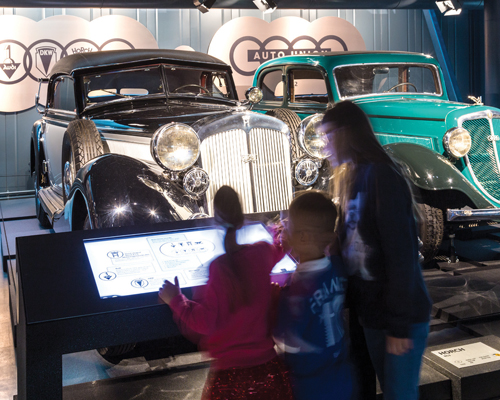
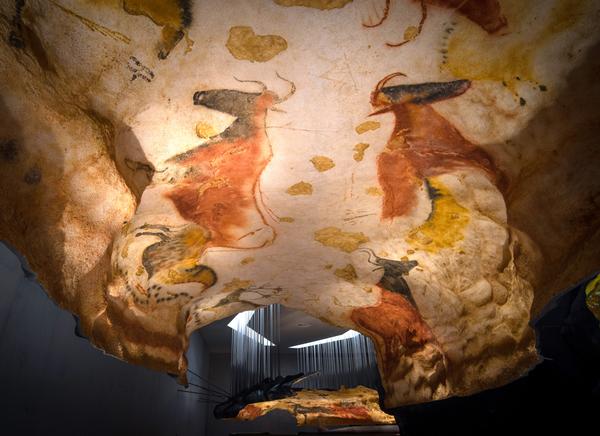
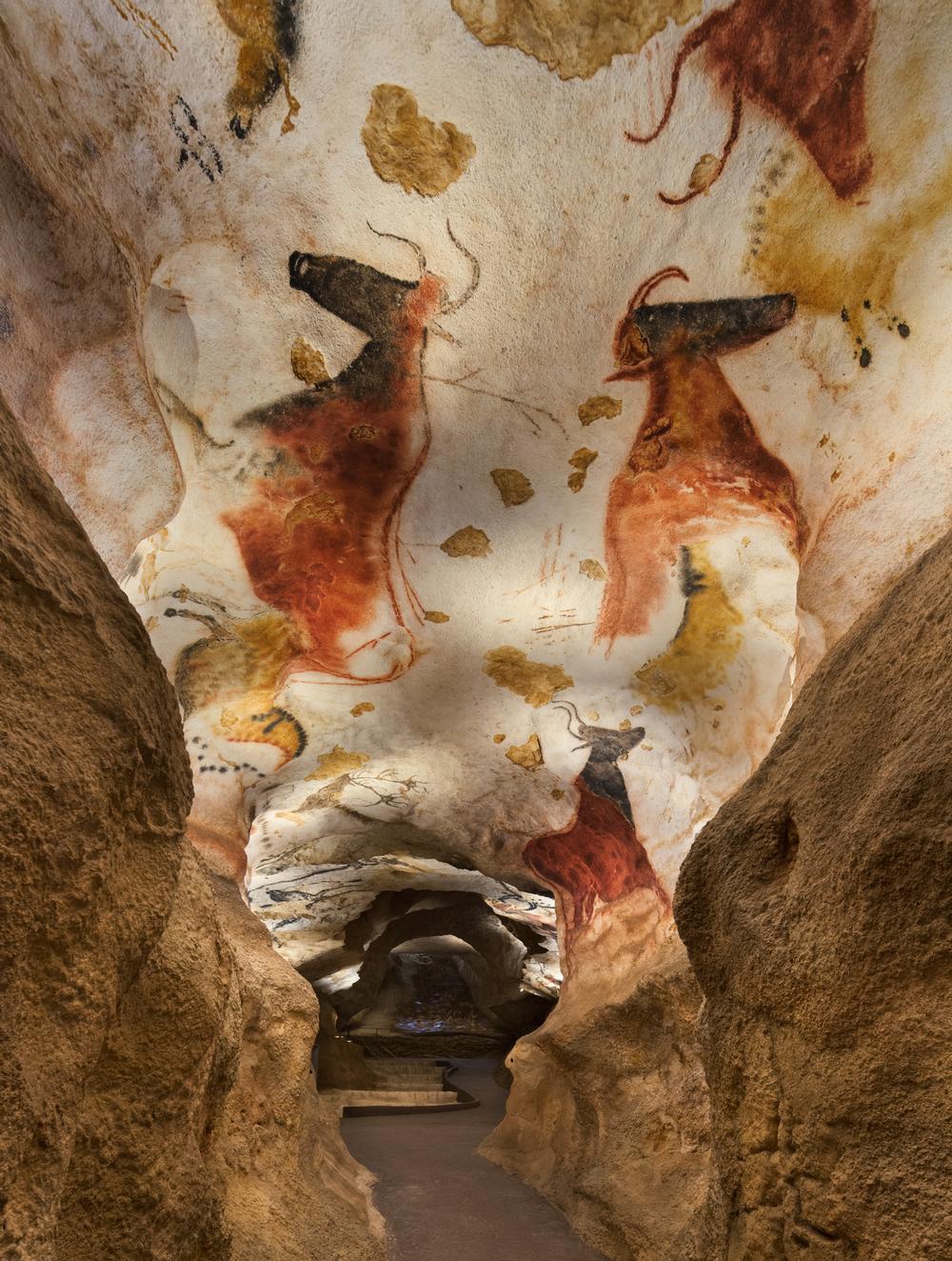
Developed with the assistance of advanced 3D laser-scanning and casting technologies to a tolerance of 1mm, the replication was created by the Périgord Facsimile Workshop (AFSP). The levels of humidity and light, the sounds and smells, and the 16°C temperature of the UNESCO-protected original were also replicated.
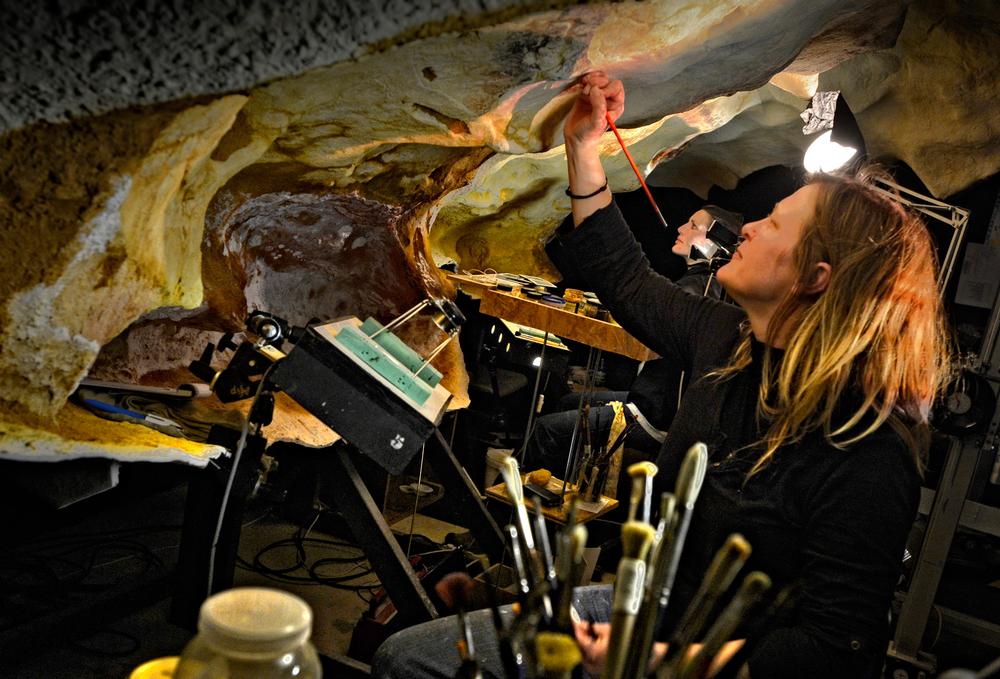
Over two years, 25 artists hand-painted 900 metres (2,900 feet) of resin rock reproductions, using the same pigments that the prehistoric painters used 20,000 years ago to recreate 1,900 paintings.
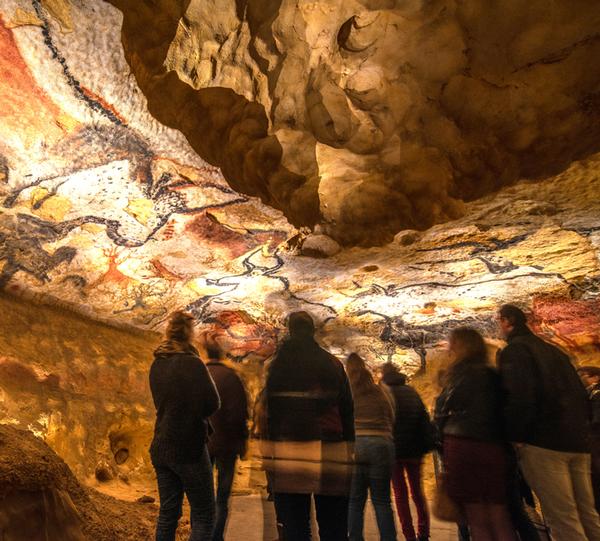
Visitor journey Visitors to the centre ascend from the lobby to the building’s rooftop, where there is a panoramic view of the surrounding valley. In groups of no more than 30, they then descend a gentle slope, as if retracing the steps of the four young boys who discovered the original caves several decades before, and enter the facsimile.
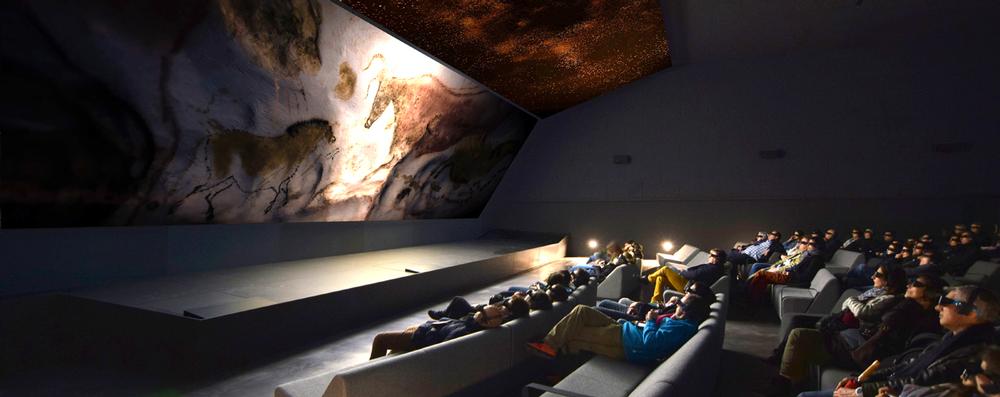
After journeying through the caves, visitors emerge into the Cave Garden and then enter four linked exhibition rooms. There is also a 3D theatre, which explains the environmental and cultural context that paved the way for the creation of the cave art, and the techniques and equipment used by the original painters.
“There’s a massive amount of knowledge about Lascaux, but also many different interpretations about how it came to be – and no real answers,” says Casson Mann founder Roger Mann. “Our goal then was to provide context to these questions, to move people and to give them room to explore the permutations of what they have just seen inside the facsimile.
“Despite the centre being built around a replica, the visitor experience is designed to be one of magic and authenticity.”
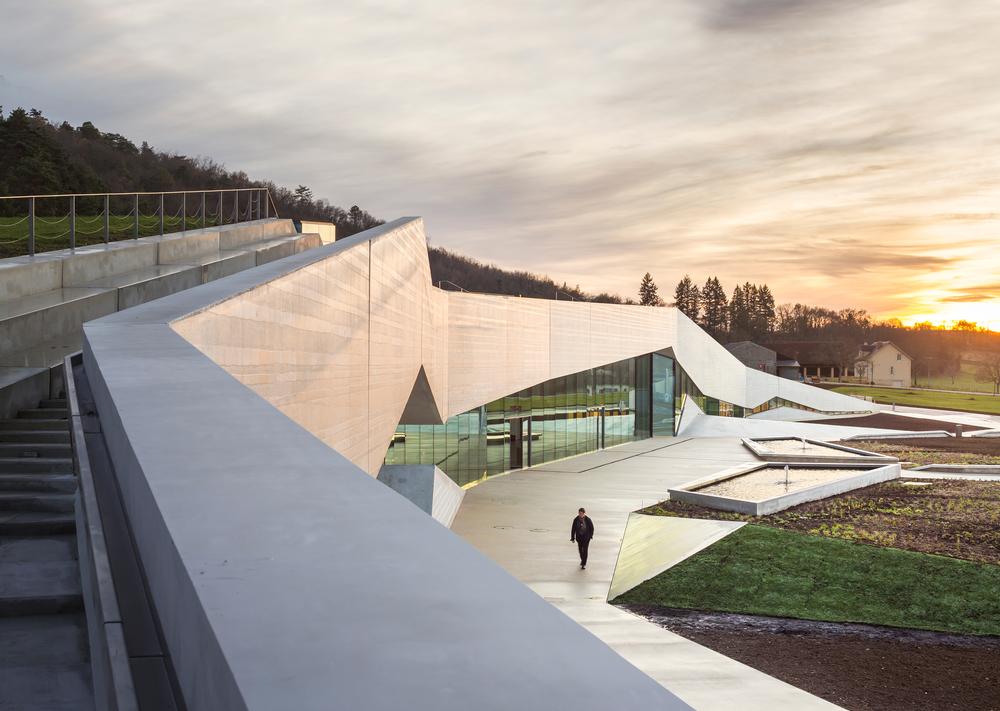
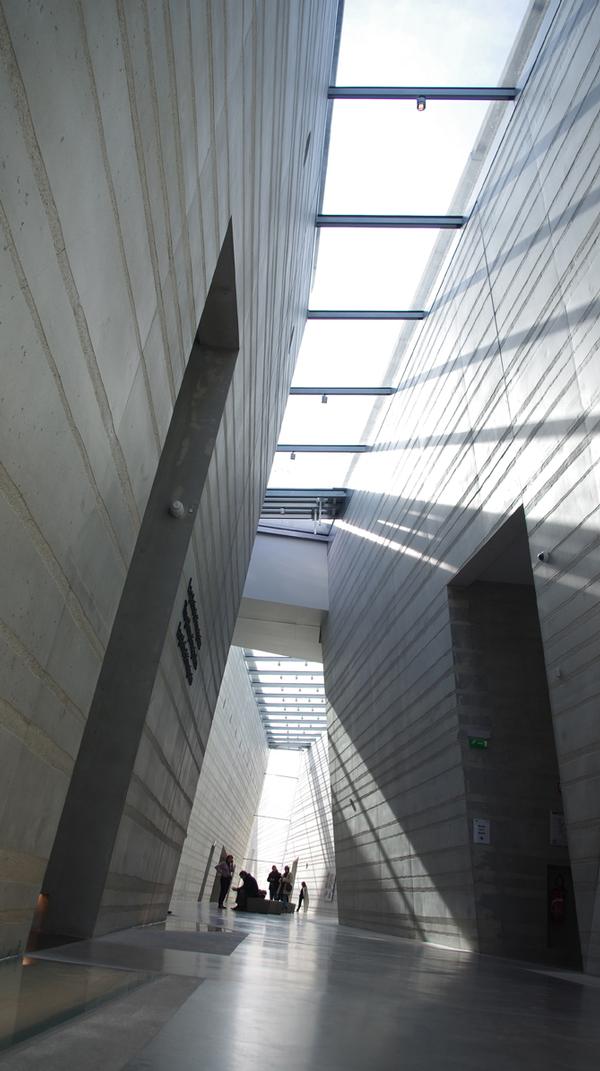
Contemporary design Snøhetta’s museum building, conceived with local firm SRA Architectes, is a low-rising glass and concrete structure designed as “a horizontal fault that accentuates the line between the surrounding valley and Lascaux hill.”
“The building feels like neither landscape or architecture,” says Snøhetta founder Craig Dykers. “It occupies space and likewise you occupy it. You walk on the roof, it feels like it’s yours and you own your experience. It is very connected to the earth we stand on, and it mediates between the municipal context of the nearby town, the agrarian landscape of the immediate surroundings and the palaeolithic cave within.”
He added that by framing the experience of the cave replica in contemporary design, the approach counters the trap of artifice. The visitor understands they are in the presence of a reproduction, without distracting from its impact.
Honest reproduction The International Centre for Cave Art complements Lascaux II – a replica cave that opened in 1983 near the original – and prevents that attraction from becoming too busy or overcrowded.
There is also Lascaux III, an 800sqm (8,600sq ft) mobile cave replica, also made by AFSP, that travels around the world.
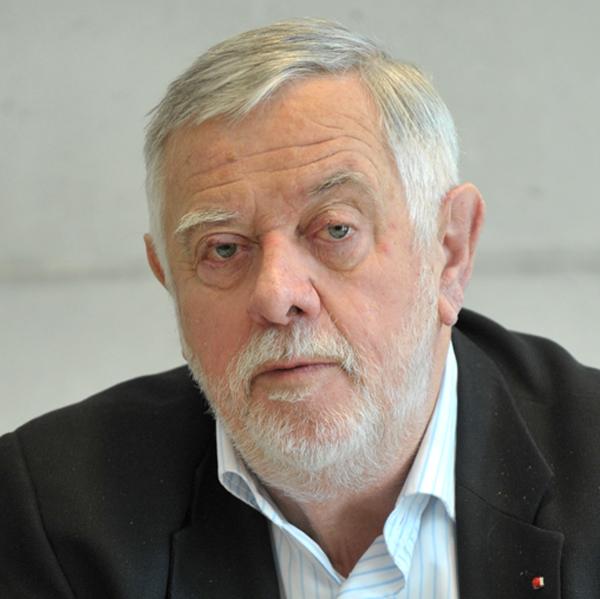
“The public has a right to figure out what the whole cave looks like,” says Yves Coppens, president of the Scientific Advisory Board in charge of conserving Lascaux Cave. “Creating the replica was a matter of honesty. Lascaux Cave is a whole entity which can only be grasped if visitors have a reproduction of the whole cave before their eyes.”
Coppens compares it to the idea of creating a reproduction Sistine Chapel: it would be no use if it was in fragments.
He says: “It’s important that visitors know that for approximately 50,000 years humans have had the desire to express themselves in graphic form. They’ve had an idea to convey, a surface on which to do it, and a tool. It existed and does still exist, and it’s a good thing that we can give a wide overview of this.”
Read more from this issue of Spa Business magazine
Promotional feature: IDEATTACK
IDEATTACK is working on a magical destination resort in Hunan Province, China.
Founders Natasha Varnica and Dan Thomas walk us through the fairytale experience
Science centres: Sparks Fly
The Wolf Museum of Exploration +
Innovation (MOXI) is a brand new science
centre in Santa Barbara, with a refreshing
approach. CEO Steve Hinkley tells all
Theme parks: Speed Demons
PortAventura’s COO Mark Robinson on the
company’s latest investment – Ferrari Land
Promotional feature: Simworx
UK-based attractions manufacturer Simworx is building on its global
portfolio with a range of new projects in Dubai, China and Spain
Attractions: That’s the Spirit
Jameson’s visitor experience centre has
been revamped by BRC Imagination
Arts. Tom Anstey went to Dublin and
talked to the team about the project
Promotional feature: FORREC
FORREC has worked with some of the world’s
most recognisable characters and IPs. Here Steven Rhys
shares some tips on bringing those cherished worlds to life
A near-perfect replica of the Lascaux cave has been created by a dedicated team / Dan Courtice
A near-perfect replica of the Lascaux cave has been created by a dedicated team / Dan Courtice
The replica cave allows them to experience being inside
The galleries ask visitors to consider the different interpretations of how the caves came to be. The replica cave allows them to experience being inside / PHOTO: AFSP
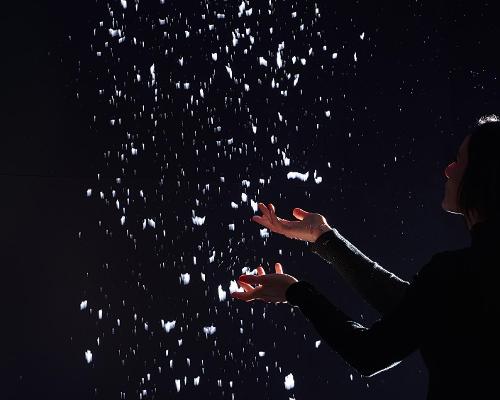
The galleries ask visitors to consider the different interpretations of how the caves came to be. The replica cave allows them to experience being inside
Over two years, 25 artists hand-painted the resin rock reproductions, to create 1,900 paintings / PHOTO: Luc Boegly & Sergio Grazia
Yves Coppens is tasked with preserving the heritage site / PHOTO: Denis Nidos
A 3D cinema experience takes visitors to the heart of the story
In the fast-paced world of fitness and wellness, where high-intensity workouts push us to
our limits and the sweat pours, the importance of efficient recovery cannot be overstated. [more...]
+ More featured suppliers
COMPANY PROFILES
Sommerhuber GmbH
Sommerhuber specialises in the manufacturing of heat-storing ceramics for spas. [more...]
Esse
Esse is a professional microbiome skincare brand founded in South Africa in 2002 by organic chemist, [more...]
A dramatic new museum celebrating some of
the world’s most famous prehistoric cave art
has opened at the Lascaux Cave complex in
France. Kim Megson visited the new attraction
By Kim Megson | Published in Attractions Management 2017 issue 2
The new International Centre for Cave Art tells the story of Montignac’s Paleolithic caves, France / Luc Boegly & Sergio Grazia
At the Lascaux Caves in the Dordogne region of France, the new International Cave Art Centre has opened, which includes Lascaux IV, a 1:1 replica of an original Lascaux cave.
The €66m ($70.3m, £56.2m) International Centre for Cave Art is located in the town of Montignac-sur-Vézère, at the foot of the hill where the Lascaux caves – adorned with the highest concentration of Paleolithic cave art in Europe – were discovered in 1940.
Within the new centre, designed by Norwegian architects Snøhetta and scenographers Casson Mann, is a replica of the caves called Lascaux IV.
Developed with the assistance of advanced 3D laser-scanning and casting technologies to a tolerance of 1mm, the replication was created by the Périgord Facsimile Workshop (AFSP). The levels of humidity and light, the sounds and smells, and the 16°C temperature of the UNESCO-protected original were also replicated.
Over two years, 25 artists hand-painted 900 metres (2,900 feet) of resin rock reproductions, using the same pigments that the prehistoric painters used 20,000 years ago to recreate 1,900 paintings.
Visitor journey Visitors to the centre ascend from the lobby to the building’s rooftop, where there is a panoramic view of the surrounding valley. In groups of no more than 30, they then descend a gentle slope, as if retracing the steps of the four young boys who discovered the original caves several decades before, and enter the facsimile.
After journeying through the caves, visitors emerge into the Cave Garden and then enter four linked exhibition rooms. There is also a 3D theatre, which explains the environmental and cultural context that paved the way for the creation of the cave art, and the techniques and equipment used by the original painters.
“There’s a massive amount of knowledge about Lascaux, but also many different interpretations about how it came to be – and no real answers,” says Casson Mann founder Roger Mann. “Our goal then was to provide context to these questions, to move people and to give them room to explore the permutations of what they have just seen inside the facsimile.
“Despite the centre being built around a replica, the visitor experience is designed to be one of magic and authenticity.”
Contemporary design Snøhetta’s museum building, conceived with local firm SRA Architectes, is a low-rising glass and concrete structure designed as “a horizontal fault that accentuates the line between the surrounding valley and Lascaux hill.”
“The building feels like neither landscape or architecture,” says Snøhetta founder Craig Dykers. “It occupies space and likewise you occupy it. You walk on the roof, it feels like it’s yours and you own your experience. It is very connected to the earth we stand on, and it mediates between the municipal context of the nearby town, the agrarian landscape of the immediate surroundings and the palaeolithic cave within.”
He added that by framing the experience of the cave replica in contemporary design, the approach counters the trap of artifice. The visitor understands they are in the presence of a reproduction, without distracting from its impact.
Honest reproduction The International Centre for Cave Art complements Lascaux II – a replica cave that opened in 1983 near the original – and prevents that attraction from becoming too busy or overcrowded.
There is also Lascaux III, an 800sqm (8,600sq ft) mobile cave replica, also made by AFSP, that travels around the world.
“The public has a right to figure out what the whole cave looks like,” says Yves Coppens, president of the Scientific Advisory Board in charge of conserving Lascaux Cave. “Creating the replica was a matter of honesty. Lascaux Cave is a whole entity which can only be grasped if visitors have a reproduction of the whole cave before their eyes.”
Coppens compares it to the idea of creating a reproduction Sistine Chapel: it would be no use if it was in fragments.
He says: “It’s important that visitors know that for approximately 50,000 years humans have had the desire to express themselves in graphic form. They’ve had an idea to convey, a surface on which to do it, and a tool. It existed and does still exist, and it’s a good thing that we can give a wide overview of this.”
Read more from this issue of Spa Business magazine
Promotional feature: IDEATTACK
IDEATTACK is working on a magical destination resort in Hunan Province, China.
Founders Natasha Varnica and Dan Thomas walk us through the fairytale experience
Science centres: Sparks Fly
The Wolf Museum of Exploration +
Innovation (MOXI) is a brand new science
centre in Santa Barbara, with a refreshing
approach. CEO Steve Hinkley tells all
Theme parks: Speed Demons
PortAventura’s COO Mark Robinson on the
company’s latest investment – Ferrari Land
Promotional feature: Simworx
UK-based attractions manufacturer Simworx is building on its global
portfolio with a range of new projects in Dubai, China and Spain
Attractions: That’s the Spirit
Jameson’s visitor experience centre has
been revamped by BRC Imagination
Arts. Tom Anstey went to Dublin and
talked to the team about the project
Promotional feature: FORREC
FORREC has worked with some of the world’s
most recognisable characters and IPs. Here Steven Rhys
shares some tips on bringing those cherished worlds to life
A near-perfect replica of the Lascaux cave has been created by a dedicated team / Dan Courtice
A near-perfect replica of the Lascaux cave has been created by a dedicated team / Dan Courtice
The replica cave allows them to experience being inside
The galleries ask visitors to consider the different interpretations of how the caves came to be. The replica cave allows them to experience being inside / PHOTO: AFSP
The galleries ask visitors to consider the different interpretations of how the caves came to be. The replica cave allows them to experience being inside
Over two years, 25 artists hand-painted the resin rock reproductions, to create 1,900 paintings / PHOTO: Luc Boegly & Sergio Grazia
Yves Coppens is tasked with preserving the heritage site / PHOTO: Denis Nidos
A 3D cinema experience takes visitors to the heart of the story
Global Wellness Day (GWD) will mark its 15th anniversary on Saturday 13 June 2026, with the
theme: #JoyMagenta – a celebration of the healing qualities of simple gestures and activities
that spark joy.
Global luxury hospitality brand, Six Senses, has partnered with longevity healthcare provider,
HUM2N, to launch a clinic at Six Senses London, at The Whiteley.
As part of its first hotel partnership, Mayrlife – the medical health resort company known for its
site in Altaussee, Austria – has launched a day clinic at the Rosewood Vienna.
Premium London health club, KX Chelsea, will imminently unveil its most significant
redevelopment since its launch in 2002 to create an integrated wellness model combining
training, recovery and relaxation.
Rosewood Le Guanahani St Barth, on the northeast coast of Saint Barthélemy in the French
West Indies, is offering a programme of ocean-inspired yoga classes between 8-14 June to
celebrate Global Wellness Day (GWD).
Hotel de France, located on the British Isle of Jersey, has created a wellness retreat package
that includes a hot yoga session that will take place in Jersey Zoo’s butterfly sanctuary.
The Ritz-Carlton, Langkawi, in Malaysia, has revealed a schedule for Global Wellness Day
(GWD) that includes guided rainforest walks, mindful movement and guided coastal meditation
experiences.
Longevitix, a clinical platform for preventive and longevity medicine, has launched its AI-
powered intelligence system to help physicians deliver continuous, personalised longevity-
focused care at scale.
Atmantan Wellness Centre, an integrative wellness destination in Mulshi, near Pune in India, is
expanding its portfolio by adding a new centre in Hyderabad that will launch between 2028 and
2029.
A recent survey by the UK Spa Association (UKSA) into the industry’s approach to cancer care
has revealed that almost half of participating respondents (46 per cent) are unaware that
cancer is a disability and guests with a cancer diagnosis must be given
In the fast-paced world of fitness and wellness, where high-intensity workouts push us to
our limits and the sweat pours, the importance of efficient recovery cannot be overstated. [more...]
+ More featured suppliers
COMPANY PROFILES
Sommerhuber GmbH Sommerhuber specialises in the manufacturing of heat-storing ceramics for spas. [more...]