Historically, saunas and public baths have been social equalisers: places where status, profession and background matter less than the shared experience of heat, water and human connection. One of the most striking aspects of World Sauna Forum 2026 was the extent to which this idea resurfaced throughout the programme.
Between 9-11 June, the global sauna community gathered in Jyväskylä for discussions about design, innovation, social impact, public health and cultural heritage. A central and timely question emerged: as sauna expands globally, how do we ensure it retains the qualities that made it meaningful in the first place?
Löyly research
One answer came from Timo Harvia, CTO of Harvia, who challenged the common assumption that hotter is always better. Presenting new research on löyly, the steam created when water is thrown onto hot stones, he suggested that the sauna experience is shaped as much by humidity and sensation as by temperature itself.
The idea offered a metaphor for the wider sauna movement. Rather than expanding through ever greater intensity, perhaps sauna culture grows more sustainably through connection, care and shared experience, one wave of löyly at a time?
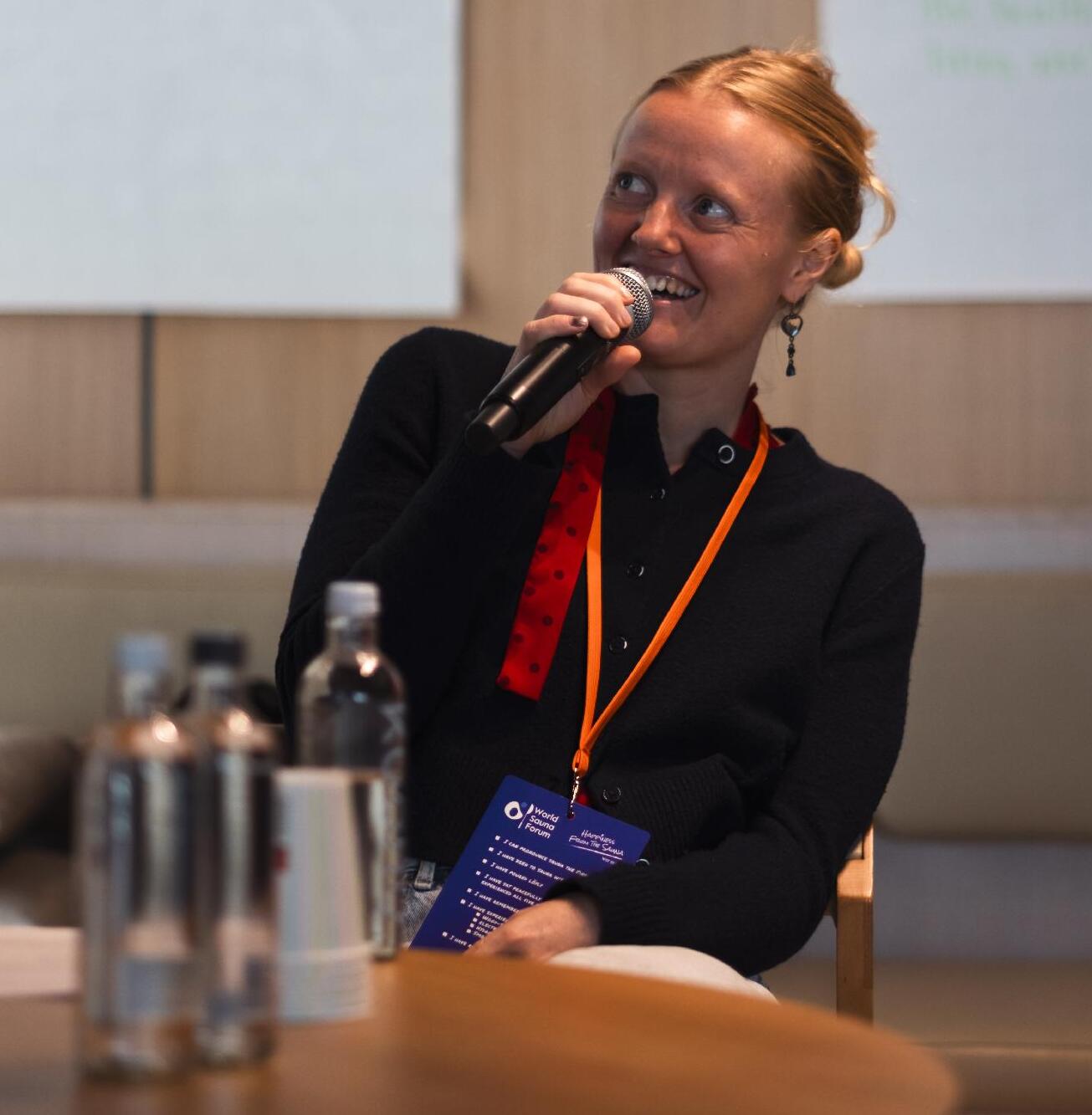
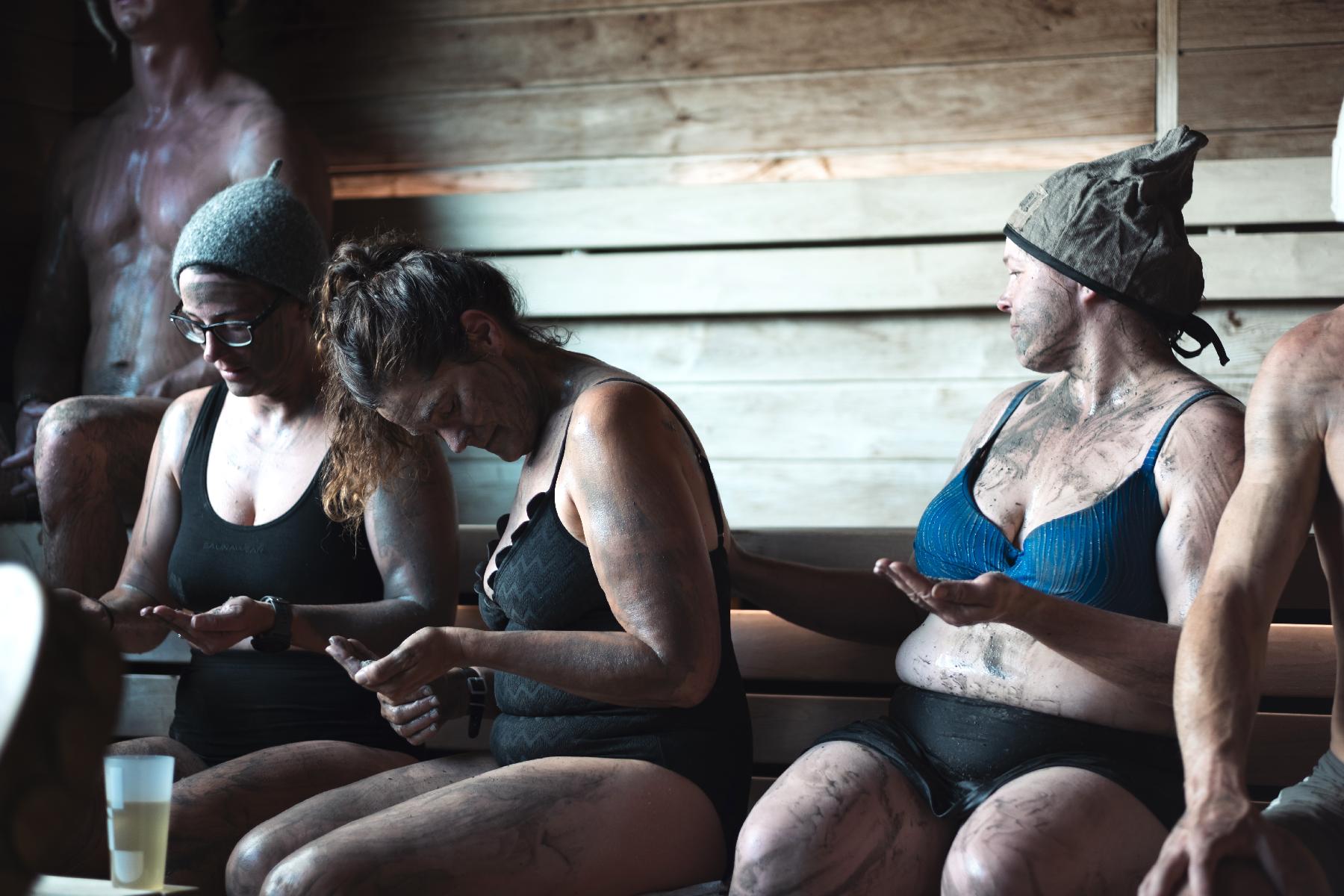
Polly Wilson, social prescribing and outreach manager, Community Sauna Baths / Sallis Niinimäki/ Sauna from Finland
As sauna expands globally, how do we ensure it retains the qualities that made it meaningful?
Cultural integrity
That emphasis on depth rather than intensity was echoed by Dalva Lamminmäki, folklorist and doctoral researcher at the University of Eastern Finland. Her work explores Finnish sauna as living heritage. Rather than presenting tradition as frozen history, she showed how sauna knowledge is carried forward through repetition, relationship and care. Bringing traditional sauna healing practitioners onto the stage, she offered a rare glimpse into how women have long bathed, through singing and vihta.
Azar Eskandarpour, a humanitarian author and lecturer from Mexico, shared her perspective of bathing as a source of resilience, dignity and cultural continuity. Through her work with the Finnish Embassy in Mexico, and what has been called 'sauna diplomacy', she is helping build bridges between Finnish sauna traditions and Indigenous temazcal practices, demonstrating how cultural exchange can strengthen rather than dilute emerging sauna cultures.
Public health
The relationship between sauna and public health featured prominently throughout the forum. Freddie Mehigan, head of operations for Community Sauna Network (CSN), described the work of the network – a growing alliance of independent operators advocating for accessible public sauna culture across the UK and its value as a public health asset. That theme was echoed by the CSN's operational arm, Community Sauna Baths (CSB), which shared evidence from its Social Prescribing and Outreach Programme in London. The data demonstrated measurable improvements in wellbeing, stress, loneliness, anxiety and pain among participants.
The conference concluded with the launch drafted by global sauna advocate Becky Pelkonen on the Public Sauna-Bathing Charter, centred on access, cultural respect, environmental stewardship and public benefit. l