The 65-plus market is growing and this age group tends to be internet savvy with
plenty of spending power. Is your attraction welcoming them? Kath Hudson reports
By Kath Hudson | Published in Attractions Management 2015 issue 4
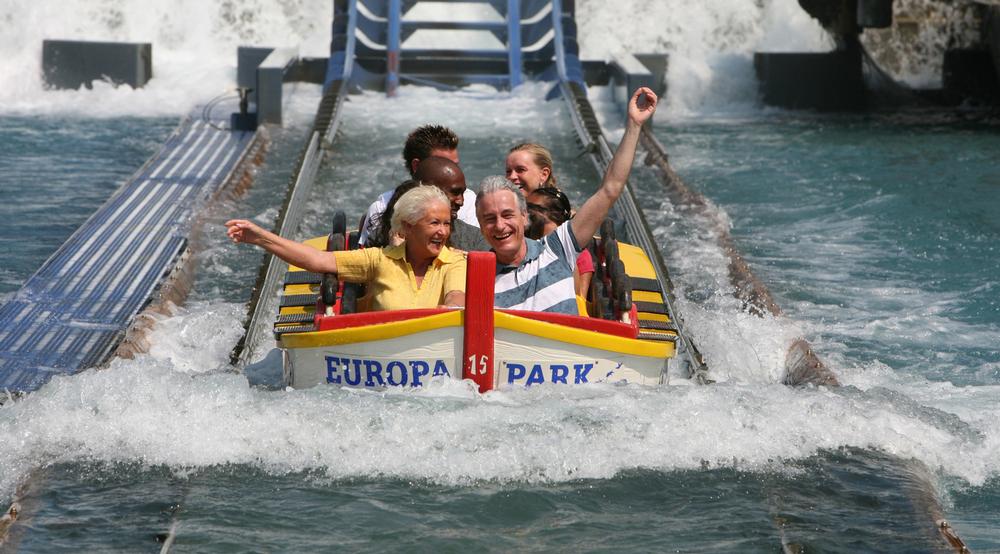
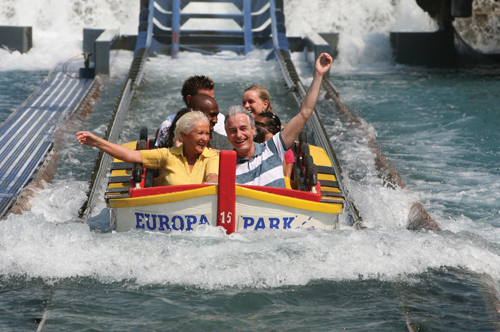
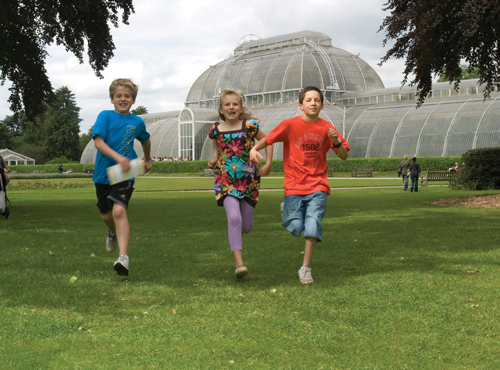
As Europa Park turns 40 this year, many of its original visitors will now be grandparents
There’s no escaping the fact that, as a population, we’re getting older. In developed countries especially, people are living longer and birth rates keep decreasing. The market is shifting dramatically, and that means every industry needs to start actively responding to the ageing population.
In the EU alone, the number of elderly will almost double from 85 million in 2008 to 151 million in 2060. The numbers are vast, but we must remember that each person will vary wildly from the next in personality, physical ability and financial situation.
However, according to figures from the International Longevity Centre, over 65s in the UK currently spend £2.2bn ($3.4bn, €3bn) a week – that’s £114bn ($174bn, €156bn) per annum – on goods and services. Assuming their weekly spending rises in line with annual inflation of 2 per cent, they’re likely to be spending more than £6bn ($9bn, €8bn) per week – £312bn ($470bn, €427bn) per annum – by 2037.
From now until 2037, the 15 to 64 age group in the UK will, on average, grow by just 29,000, compared to a growth of 278,000 in the over 65s group.
In more economically developed nations, the proportion of over-65s will rise from16 per cent to 26 per cent. The over 80s will rise from 4.3 per cent to 10 per cent.
There are many compelling arguments for the attractions industry to do more to appeal to the older customer. This can be a less budget-conscious market and multi-generation days out and holidays are growing in popularity. Grandparents often fund these trips and make the important decisions, and another advantage of this market is that they’re often available during off-peak hours.
Furthermore, as the demographic is changing, culture and heritage has been identified by the EU as a way of stimulating mental health, which could potentially become another revenue stream for museums and galleries going forward.
And it’s not just about having over-65s as customers – what about as employees? They bring experience, maturity, knowledge, memories and enthusiasm which can be a tremendous asset in this industry, as we have seen in the heritage sector.
So what should your attraction be doing to ensure it’s welcoming to older age groups? Is investment in attractions aimed specifically at them necessary, or will aiming for the family market suffice? Should older people be reflected in the marketing and should there be discounts and memberships tailored around this age group? How about the design of parks and attractions? We ask the experts.
Read more from this issue of Spa Business magazine
Attractions: Gone, Not Forgotten
We find out what people thought of
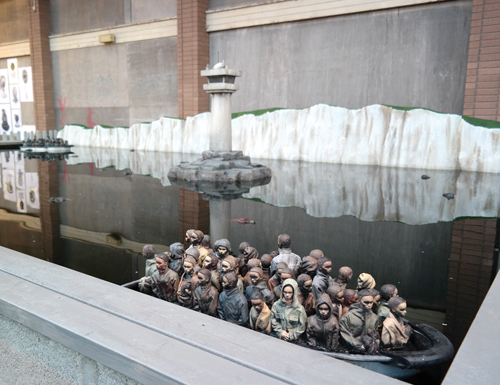
Dismaland, Banksy’s twisted theme park
and contemporary art attraction – and
talk to one of the Dismal Stewards
Promotional feature: IdeAttack
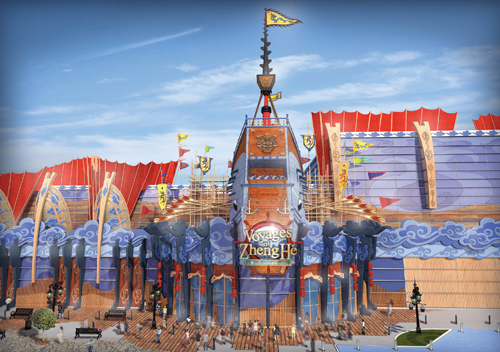
Mysteries of China’s rich culture are at the heart of IDEATTACK’s new mixed-used tourism destination
Zoos & Aquariums: Turn over a New Reef
The Florida Aquarium is teaming
up with the National Aquarium of
Cuba in a bid to save and restore
the region’s precious coral reefs
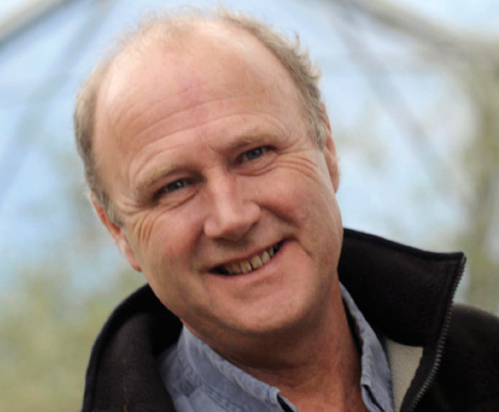
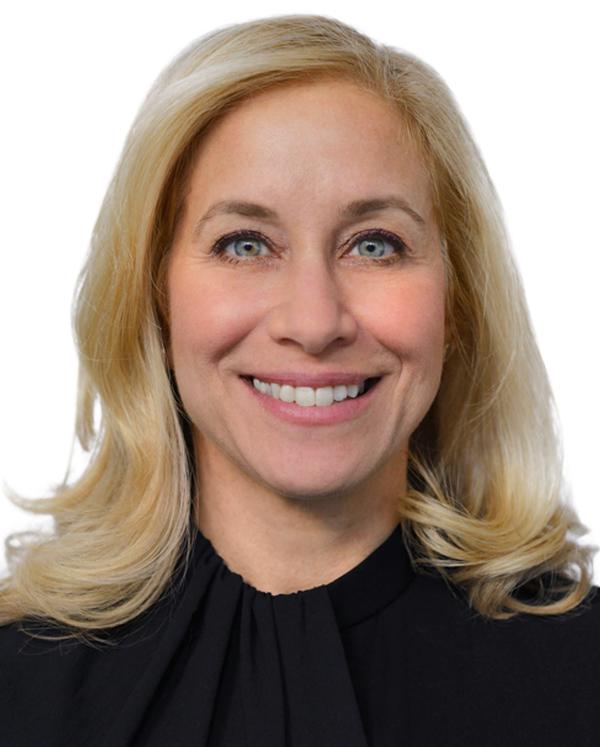
Francesca RosenbergDirector of CommunityAccess and Schools Programmes
Francesca Rosenberg
At the Museum of Modern Art (MoMA) in New York, we have always offered programmes to older adults, but we wanted to do more to specifically appeal to them so we started an advisory board made up of people aged from 61 to 94.
We asked them to try out a selection of our programmes, courses and workshops, both at the museum and online, to establish what was missing and what more we could do to meet their needs.
Firstly, we found out that they liked the idea of being with people their own age, and slightly younger. They also liked having their peers and cohorts in charge.
They also wanted an invitation: it wasn’t enough to offer a discount, they wanted a warm welcome to feel like they were really included and they wanted opportunities to learn and develop skills regarding art and print.
We started a film programme as a consequence of the feedback, as lots of them wanted to delve more deeply into our film collection.
MoMA did a lot of training in communication techniques, with both front-of-house and back-of-house staff, to make sure that they all really understood this age group and would be able to provide a positive experience.
Opportunities were created for grandparents to come with their grandchildren, to look at art and create art, but also to come on their own, or with their own peers. It’s interesting that our 94-year-old board member says that she spent her grown-up life coming with her children and then her grandson, but now she feels like the museum is hers and that’s important to her.
We ran a free day for the over-65s in May, offering extra programmes and workshops and a discount in the restaurant. When promoting this we had to think carefully about the media channels that age group uses, and also to reflect that age group in the marketing itself.
It’s been a wonderful experience for me and my team to work with older adults. We’ve learned so much from their rich and interesting lives, such as fascinating stories of migration.
@francescatime
"We started an advisory board made up of people aged from 61 to 94. We asked them to try out a selection of our programmes and workshops to establish what more we could do to meet their needs"
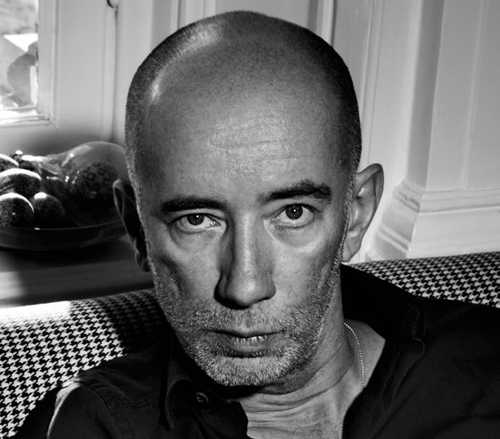
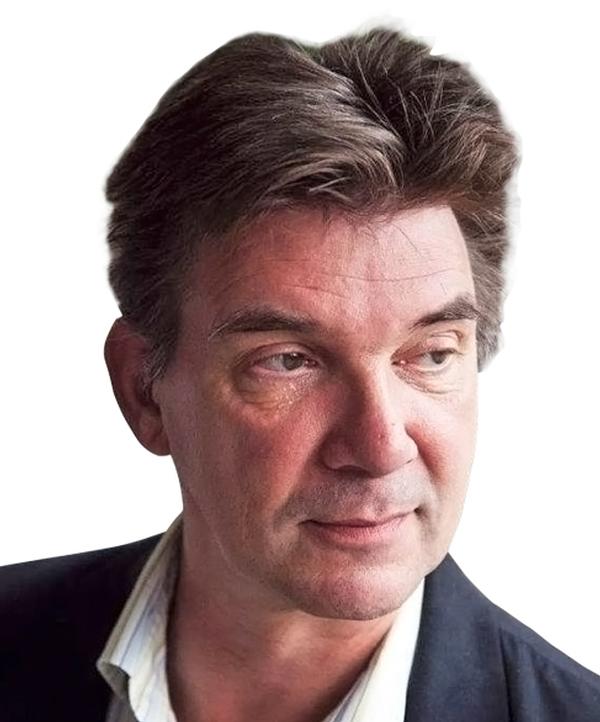
Jakob WahlDirector of CommunicationsEuropa Park
Jakob Wahl
We’ve found the over-65s to be a golden generation: they’re a nice audience with good spending power.
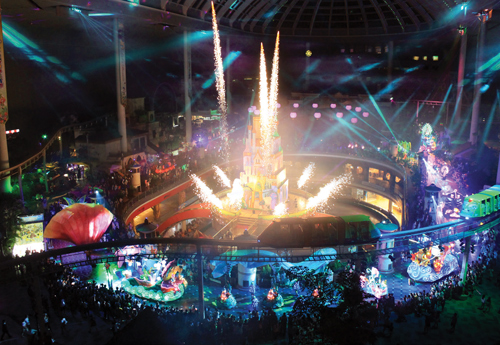
Our overall philosophy and strategy at Europa Park is to try to suit all ages. Three generations of the Mack family live at the park and they want to experience things together. That’s reflected in the park because we create rides and experiences which grandparents and grandchildren can do together. This includes gentle scenic rides and the monorail, but also our new addition by Mack Rides last year, Arthur and the Minimoys Kingdom, a dark ride/coaster combination.
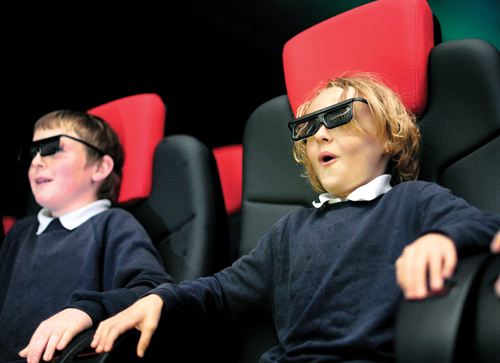
At Europa Park, we’re not looking to build the fastest or highest rollercoasters, but to create a great family experience. For example, the latest 4D movie, The Time Carousel, has been pitched not to be too fast. We have also strengthened the areas of the park which are of particular interest to older people. In the Castle Park area we have paid great attention to the gardening and landscaping to create a calm and relaxing atmosphere for older guests to get away from the noise and action.
Europa Park turns 40 this year, so our original guests are now coming with their own grandchildren. We aim to appeal to them with quiet spots, a variety of restaurants, family rides, entertaining shows and high-quality hotels, with golf and wellness offers.
We’re also the only theme park in the world with a two-Michelin-starred restaurant. The main reason for creating this was to reach out to new audiences who don’t just want burgers and pizza, and who might be attracted by the restaurant and then visit the theme park as well.
In order to attract this audience, we work hard to put together appealing special offers and then take these to trade shows and work with magazines read by this particular demographic.
We have found that this audience interacts with the park differently: they have more patience, so are happy to sit down at a high-quality service restaurant. They also like to stroll and appreciate the landscaping. Going forwards we will continue to come up with attractions which appeal to the broadest audience possible.
@europa_park
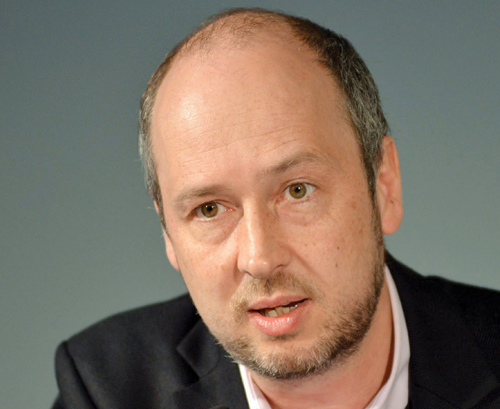
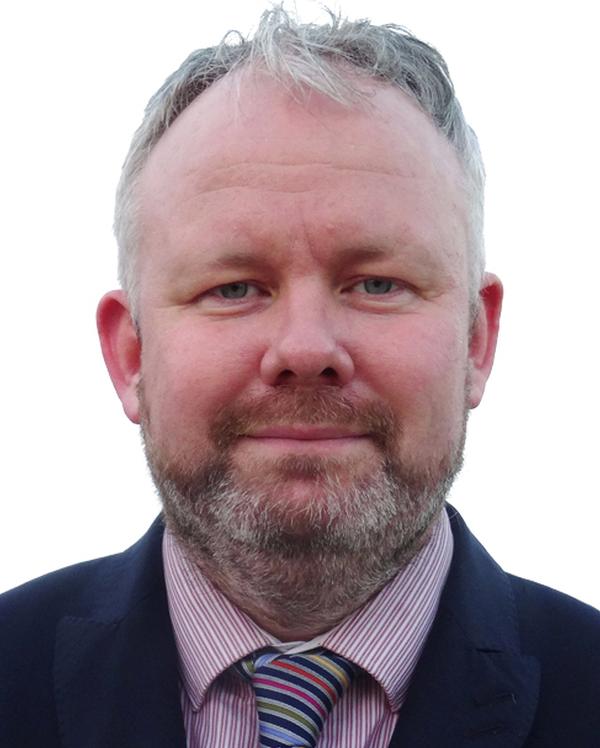
Henrik ZipsaneCEOJamtli Foundation
Henrik Zipsane
To be sustainable in the future, the attractions industry needs to produce something for this market. At the Jamtli Foundation, a museum and heritage organisation in Ostersund, Sweden, we started looking at this area about 10 years ago and we implemented three new strategies which have all been very successful.
Firstly, we recruited a number of older volunteer staff. They take evident pride in their work and produce a fantastic atmosphere. It makes visitors feel more comfortable when they see staff from their age group. Another advantage of using older volunteers is that we’ve been able to use their memories as a resource: for example, they can look through old photos of the town and identify people and locations.
We’ve also made an effort to ensure the content of the museum tells the stories which our older visitors recognise. They want to be part of the story. For example, between the 1950s and 1970s there was a Swedish policy of moving older people out of the countryside and into purpose-built towns in order to be near their offspring. We’ve recreated these environments and we recruit over-65 actors to bring the stories to life. We plan to create more environments which show how older adults live.
Another successful initiative has been inviting groups of dementia sufferers into the museum. We have a problem in Sweden with under-70s suffering from dementia.
The state gives their carers eight hours a week of free time and part of this time when carers are taking a break is being used to take the sufferers on a trip to our museum. We created the environment of a 1970s house, which can be used to jog their memories of happy, younger years. This has had very good results and been engaging for them. They are very calm and happy in this environment and it is a cost-effective intervention for the municipality. We’re giving back to society, which is good for our branding, and as we are paid by the municipality it has become another income stream, which is useful in low season.
Furthermore, we’re always working on making our museum accessible to everyone.
"Older people need something to engage them. They don’t necessarily need rides made for them, but family rides should be accessible ... and mobility scooters or Segways help people get around"
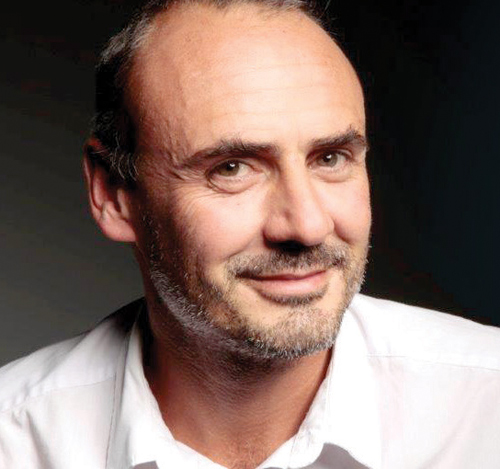
David SinclairDirectorInternational Longevity Centre
David Sinclair
While they won’t admit it, many attractions, and other industries, don’t want to be associated with this demographic because they think other target groups will be turned off by the association.
One supermarket chain started building supermarkets around the needs of older people, but they were reluctant to talk about it. They then incorporated the design features – wider aisles, larger font on signage – into their general stores, which benefited everyone.
It’s time for the attractions industry to make a few changes and get over the fear of being portrayed as an “old person’s park”. This age group cannot be ignored. Older consumers are spending more and will continue to do so. They make decisions on behalf of their children and grandchildren and they pay for the day out.
Implementing changes to make attractions more welcoming for older people will benefit all users. Older people are a diverse group and as such there isn’t going to be a model which works for all, but many older people will want the same as younger people: plenty of clean toilets, good access, good signage, shade, benches (ideally with backs on) and water stations.
We’re already starting to see some attractions operating more upscale restaurants and these can be especially appealing to older people and multi-generation groups. You can offer food at different price points. Some older customers will be happy to pay £40 ($61, €56) for a good lunch. Nice cafés, where grandparents can have a coffee while watching the kids, should also be on the list.
If theme parks want repeat visits from older people they also need something to engage them. They don’t necessarily need rides made for them, but family rides should be fully accessible. Larger attractions should consider providing mobility scooters to help older people to get around.
We can look to places like Las Vegas and Benidorm, which are – unofficially – becoming age-friendly resorts, where older people are met at the airport, offered a range of mobility options and where all restaurants are wheelchair accessible. Older people are comfortable there, so they stay longer and spend more.
In the fast-paced world of fitness and wellness, where high-intensity workouts push us to
our limits and the sweat pours, the importance of efficient recovery cannot be overstated. [more...]
The 65-plus market is growing and this age group tends to be internet savvy with
plenty of spending power. Is your attraction welcoming them? Kath Hudson reports
By Kath Hudson | Published in Attractions Management 2015 issue 4
As Europa Park turns 40 this year, many of its original visitors will now be grandparents
There’s no escaping the fact that, as a population, we’re getting older. In developed countries especially, people are living longer and birth rates keep decreasing. The market is shifting dramatically, and that means every industry needs to start actively responding to the ageing population.
In the EU alone, the number of elderly will almost double from 85 million in 2008 to 151 million in 2060. The numbers are vast, but we must remember that each person will vary wildly from the next in personality, physical ability and financial situation.
However, according to figures from the International Longevity Centre, over 65s in the UK currently spend £2.2bn ($3.4bn, €3bn) a week – that’s £114bn ($174bn, €156bn) per annum – on goods and services. Assuming their weekly spending rises in line with annual inflation of 2 per cent, they’re likely to be spending more than £6bn ($9bn, €8bn) per week – £312bn ($470bn, €427bn) per annum – by 2037.
From now until 2037, the 15 to 64 age group in the UK will, on average, grow by just 29,000, compared to a growth of 278,000 in the over 65s group.
In more economically developed nations, the proportion of over-65s will rise from16 per cent to 26 per cent. The over 80s will rise from 4.3 per cent to 10 per cent.
There are many compelling arguments for the attractions industry to do more to appeal to the older customer. This can be a less budget-conscious market and multi-generation days out and holidays are growing in popularity. Grandparents often fund these trips and make the important decisions, and another advantage of this market is that they’re often available during off-peak hours.
Furthermore, as the demographic is changing, culture and heritage has been identified by the EU as a way of stimulating mental health, which could potentially become another revenue stream for museums and galleries going forward.
And it’s not just about having over-65s as customers – what about as employees? They bring experience, maturity, knowledge, memories and enthusiasm which can be a tremendous asset in this industry, as we have seen in the heritage sector.
So what should your attraction be doing to ensure it’s welcoming to older age groups? Is investment in attractions aimed specifically at them necessary, or will aiming for the family market suffice? Should older people be reflected in the marketing and should there be discounts and memberships tailored around this age group? How about the design of parks and attractions? We ask the experts.
Read more from this issue of Spa Business magazine
Attractions: Gone, Not Forgotten
We find out what people thought of
Dismaland, Banksy’s twisted theme park
and contemporary art attraction – and
talk to one of the Dismal Stewards
Promotional feature: IdeAttack
Mysteries of China’s rich culture are at the heart of IDEATTACK’s new mixed-used tourism destination
Zoos & Aquariums: Turn over a New Reef
The Florida Aquarium is teaming
up with the National Aquarium of
Cuba in a bid to save and restore
the region’s precious coral reefs
Francesca RosenbergDirector of CommunityAccess and Schools Programmes
Francesca Rosenberg
At the Museum of Modern Art (MoMA) in New York, we have always offered programmes to older adults, but we wanted to do more to specifically appeal to them so we started an advisory board made up of people aged from 61 to 94.
We asked them to try out a selection of our programmes, courses and workshops, both at the museum and online, to establish what was missing and what more we could do to meet their needs.
Firstly, we found out that they liked the idea of being with people their own age, and slightly younger. They also liked having their peers and cohorts in charge.
They also wanted an invitation: it wasn’t enough to offer a discount, they wanted a warm welcome to feel like they were really included and they wanted opportunities to learn and develop skills regarding art and print.
We started a film programme as a consequence of the feedback, as lots of them wanted to delve more deeply into our film collection.
MoMA did a lot of training in communication techniques, with both front-of-house and back-of-house staff, to make sure that they all really understood this age group and would be able to provide a positive experience.
Opportunities were created for grandparents to come with their grandchildren, to look at art and create art, but also to come on their own, or with their own peers. It’s interesting that our 94-year-old board member says that she spent her grown-up life coming with her children and then her grandson, but now she feels like the museum is hers and that’s important to her.
We ran a free day for the over-65s in May, offering extra programmes and workshops and a discount in the restaurant. When promoting this we had to think carefully about the media channels that age group uses, and also to reflect that age group in the marketing itself.
It’s been a wonderful experience for me and my team to work with older adults. We’ve learned so much from their rich and interesting lives, such as fascinating stories of migration.
@francescatime
"We started an advisory board made up of people aged from 61 to 94. We asked them to try out a selection of our programmes and workshops to establish what more we could do to meet their needs"
Jakob WahlDirector of CommunicationsEuropa Park
Jakob Wahl
We’ve found the over-65s to be a golden generation: they’re a nice audience with good spending power.
Our overall philosophy and strategy at Europa Park is to try to suit all ages. Three generations of the Mack family live at the park and they want to experience things together. That’s reflected in the park because we create rides and experiences which grandparents and grandchildren can do together. This includes gentle scenic rides and the monorail, but also our new addition by Mack Rides last year, Arthur and the Minimoys Kingdom, a dark ride/coaster combination.
At Europa Park, we’re not looking to build the fastest or highest rollercoasters, but to create a great family experience. For example, the latest 4D movie, The Time Carousel, has been pitched not to be too fast. We have also strengthened the areas of the park which are of particular interest to older people. In the Castle Park area we have paid great attention to the gardening and landscaping to create a calm and relaxing atmosphere for older guests to get away from the noise and action.
Europa Park turns 40 this year, so our original guests are now coming with their own grandchildren. We aim to appeal to them with quiet spots, a variety of restaurants, family rides, entertaining shows and high-quality hotels, with golf and wellness offers.
We’re also the only theme park in the world with a two-Michelin-starred restaurant. The main reason for creating this was to reach out to new audiences who don’t just want burgers and pizza, and who might be attracted by the restaurant and then visit the theme park as well.
In order to attract this audience, we work hard to put together appealing special offers and then take these to trade shows and work with magazines read by this particular demographic.
We have found that this audience interacts with the park differently: they have more patience, so are happy to sit down at a high-quality service restaurant. They also like to stroll and appreciate the landscaping. Going forwards we will continue to come up with attractions which appeal to the broadest audience possible.
@europa_park
Henrik ZipsaneCEOJamtli Foundation
Henrik Zipsane
To be sustainable in the future, the attractions industry needs to produce something for this market. At the Jamtli Foundation, a museum and heritage organisation in Ostersund, Sweden, we started looking at this area about 10 years ago and we implemented three new strategies which have all been very successful.
Firstly, we recruited a number of older volunteer staff. They take evident pride in their work and produce a fantastic atmosphere. It makes visitors feel more comfortable when they see staff from their age group. Another advantage of using older volunteers is that we’ve been able to use their memories as a resource: for example, they can look through old photos of the town and identify people and locations.
We’ve also made an effort to ensure the content of the museum tells the stories which our older visitors recognise. They want to be part of the story. For example, between the 1950s and 1970s there was a Swedish policy of moving older people out of the countryside and into purpose-built towns in order to be near their offspring. We’ve recreated these environments and we recruit over-65 actors to bring the stories to life. We plan to create more environments which show how older adults live.
Another successful initiative has been inviting groups of dementia sufferers into the museum. We have a problem in Sweden with under-70s suffering from dementia.
The state gives their carers eight hours a week of free time and part of this time when carers are taking a break is being used to take the sufferers on a trip to our museum. We created the environment of a 1970s house, which can be used to jog their memories of happy, younger years. This has had very good results and been engaging for them. They are very calm and happy in this environment and it is a cost-effective intervention for the municipality. We’re giving back to society, which is good for our branding, and as we are paid by the municipality it has become another income stream, which is useful in low season.
Furthermore, we’re always working on making our museum accessible to everyone.
"Older people need something to engage them. They don’t necessarily need rides made for them, but family rides should be accessible ... and mobility scooters or Segways help people get around"
David SinclairDirectorInternational Longevity Centre
David Sinclair
While they won’t admit it, many attractions, and other industries, don’t want to be associated with this demographic because they think other target groups will be turned off by the association.
One supermarket chain started building supermarkets around the needs of older people, but they were reluctant to talk about it. They then incorporated the design features – wider aisles, larger font on signage – into their general stores, which benefited everyone.
It’s time for the attractions industry to make a few changes and get over the fear of being portrayed as an “old person’s park”. This age group cannot be ignored. Older consumers are spending more and will continue to do so. They make decisions on behalf of their children and grandchildren and they pay for the day out.
Implementing changes to make attractions more welcoming for older people will benefit all users. Older people are a diverse group and as such there isn’t going to be a model which works for all, but many older people will want the same as younger people: plenty of clean toilets, good access, good signage, shade, benches (ideally with backs on) and water stations.
We’re already starting to see some attractions operating more upscale restaurants and these can be especially appealing to older people and multi-generation groups. You can offer food at different price points. Some older customers will be happy to pay £40 ($61, €56) for a good lunch. Nice cafés, where grandparents can have a coffee while watching the kids, should also be on the list.
If theme parks want repeat visits from older people they also need something to engage them. They don’t necessarily need rides made for them, but family rides should be fully accessible. Larger attractions should consider providing mobility scooters to help older people to get around.
We can look to places like Las Vegas and Benidorm, which are – unofficially – becoming age-friendly resorts, where older people are met at the airport, offered a range of mobility options and where all restaurants are wheelchair accessible. Older people are comfortable there, so they stay longer and spend more.
Global Wellness Day (GWD) will mark its 15th anniversary on Saturday 13 June 2026, with the
theme: #JoyMagenta – a celebration of the healing qualities of simple gestures and activities
that spark joy.
Global luxury hospitality brand, Six Senses, has partnered with longevity healthcare provider,
HUM2N, to launch a clinic at Six Senses London, at The Whiteley.
As part of its first hotel partnership, Mayrlife – the medical health resort company known for its
site in Altaussee, Austria – has launched a day clinic at the Rosewood Vienna.
Premium London health club, KX Chelsea, will imminently unveil its most significant
redevelopment since its launch in 2002 to create an integrated wellness model combining
training, recovery and relaxation.
Rosewood Le Guanahani St Barth, on the northeast coast of Saint Barthélemy in the French
West Indies, is offering a programme of ocean-inspired yoga classes between 8-14 June to
celebrate Global Wellness Day (GWD).
Hotel de France, located on the British Isle of Jersey, has created a wellness retreat package
that includes a hot yoga session that will take place in Jersey Zoo’s butterfly sanctuary.
The Ritz-Carlton, Langkawi, in Malaysia, has revealed a schedule for Global Wellness Day
(GWD) that includes guided rainforest walks, mindful movement and guided coastal meditation
experiences.
Longevitix, a clinical platform for preventive and longevity medicine, has launched its AI-
powered intelligence system to help physicians deliver continuous, personalised longevity-
focused care at scale.
Atmantan Wellness Centre, an integrative wellness destination in Mulshi, near Pune in India, is
expanding its portfolio by adding a new centre in Hyderabad that will launch between 2028 and
2029.
A recent survey by the UK Spa Association (UKSA) into the industry’s approach to cancer care
has revealed that almost half of participating respondents (46 per cent) are unaware that
cancer is a disability and guests with a cancer diagnosis must be given
In the fast-paced world of fitness and wellness, where high-intensity workouts push us to
our limits and the sweat pours, the importance of efficient recovery cannot be overstated. [more...]