Yes! Send me the FREE digital editions of Spa Business and Spa Business insider magazines and the FREE weekly Spa Business and Spa Business insider ezines and breaking news alerts!
How can waterparks keep their offer fresh and exciting, and what should they be investing in for the future? Franceen Gonzales outlines some of the key trends that are helping waterpark businesses entertain customers all year round
By Franceen Gonzales | Published in Attractions Management 2014 issue 1
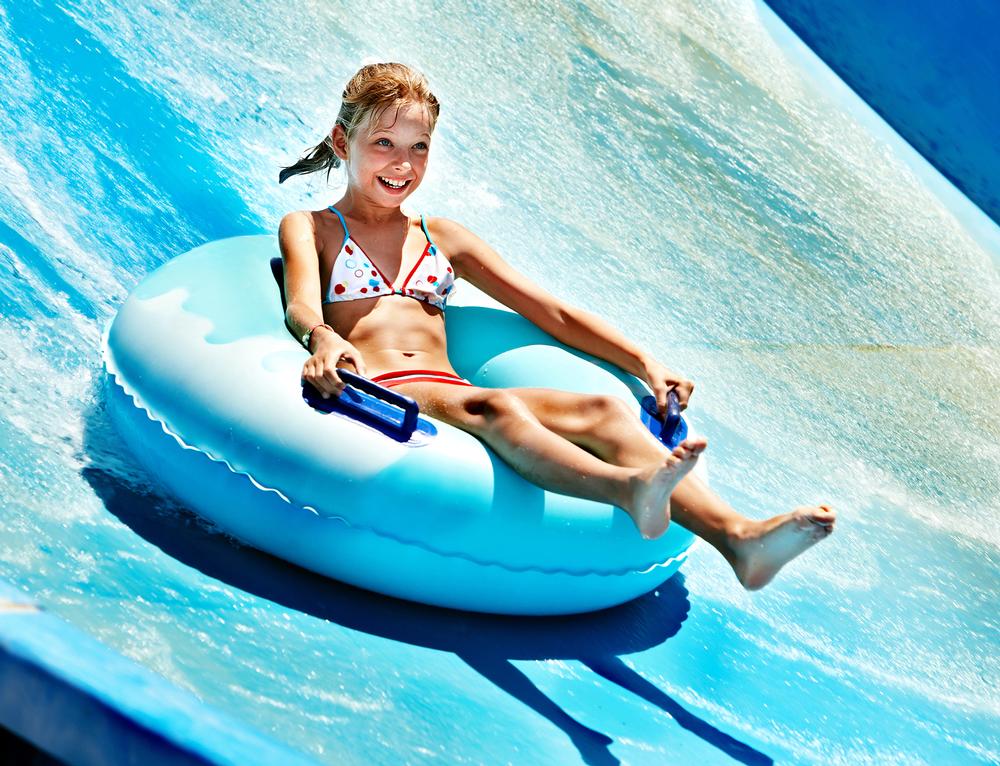
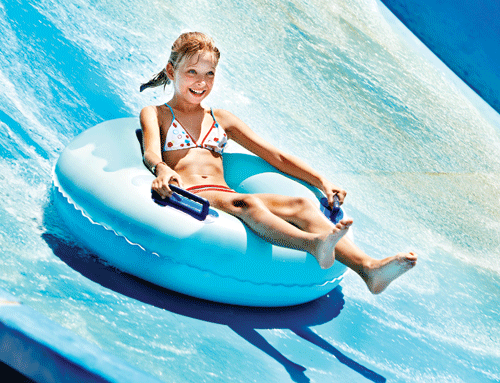
Waterparks need to ensure their attractions offer something for all the family, including dry offers too
The toughest decision in my career was to move from being an operator to working for a supplier. As one person put it, “there was a disturbance in the Force…” when I made that decision public, as some joke that becoming a supplier is going to the “dark side”.
But becoming a supplier is more like the other side of the same coin. We have the same objectives for creating great guest experiences. I’ve known the waterpark industry as an operator for more than 25 years and I’m very familiar with the product so it’s exciting to be working in concepting, designing, engineering, constructing, and delivering attractions to operators who are, like me, focused on the guest experience.
There are some big picture trends I’m seeing in the business that makes this new journey very exciting. The following are some of the trends I see now and going into the future.
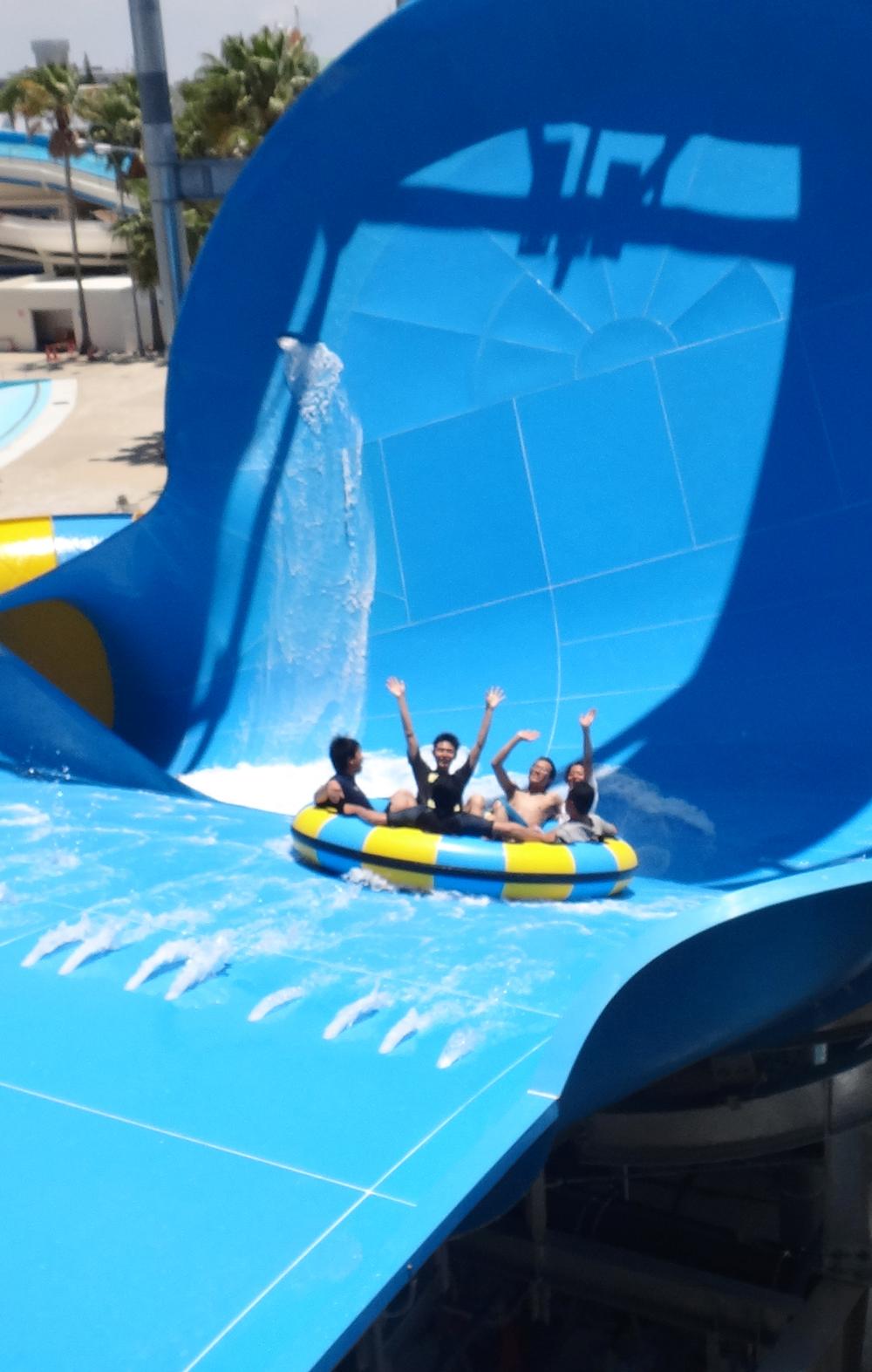
The Hero Shot Operators always want an iconic ride that will give them a competitive advantage, so they’ve focused on the ride experience for marketability. But that also means educating the would-be customer on what the product actually does and feels like.
Lately, I see many rides being developed that may not have significant thrills but look great. A nice paint scheme, some exaggerated curvature, graphics, or lighting effects are making the ride look great even if it isn’t the most thrilling ride. The trend in the short term will be for ‘sexy”’rides, but the most successful rides will have an appealing look and offer incredible thrills to the guest.
Great vistas and ‘hero shots’ are important elements to a ride not just for the ride experience, but for the marketing campaign. So it’s no surprise that a great looking ride is of value, but a ride where guests are raving about the experience will endure.
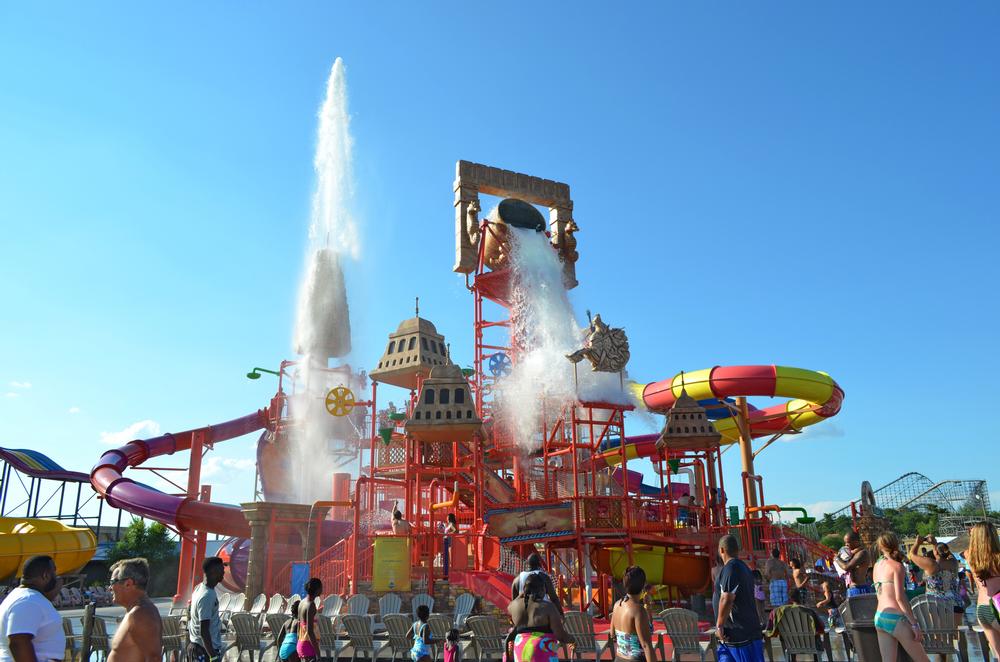
Hybridisation within parks There was a time when parks were classified as a theme park, waterpark, or family entertainment centre. The only hybrids were big theme parks that had standalone waterparks or FECs with a couple of waterslides. Today, parks are becoming more and more hybridised, making it hard to classify a park as strictly a waterpark. Many have incorporated dry rides, from huge rollercoasters to dry play areas or ropes courses.
Great success has come from combining large waterparks with state-of-art FEC attractions with arcade, bowling, mini-golf, and upscale restaurants. This hybridisation is meant to create some weather-resistance but to also appeal to those who don’t really want to wear a swimming costume.
Hybridisation within rides There’s an interesting phenomenon that occurs in our business. In years with little park development, there is a bit more innovation. Ride manufacturers need to come up with rides that set them apart from their competition as the few rides that will be purchased are likely to be iconic to drive the gate.
But in park development booming years, little innovation happens as manufacturers are spending their time on the standard capacity rides going into all those new parks. So it’s no surprise to see with booming development in Asia and other parts of the world that, with a few exceptions, we’re seeing tweaks to existing rides rather than completely new ride concepts.
An easy approach is to take aspects of the best existing rides and combine the experiences. This works to create iconic rides, but how those ride elements are combined and operate successfully remains to be seen. These combinations can look good, but how the ride forces work together needs significant engineering and testing. I see this trend sticking around, as there are some really good-looking ride elements that give not only the hero shot as stated earlier, but also offer thrill elements for a heightened ride experience.
Adventure and extreme sport Just as reality TV has become the norm, so has an appetite for adventure and extreme sport. There are any number of survivor shows that highlight the thrill of sport and the adrenalin that comes from perceived risk while pushing one’s body to achieve a goal.
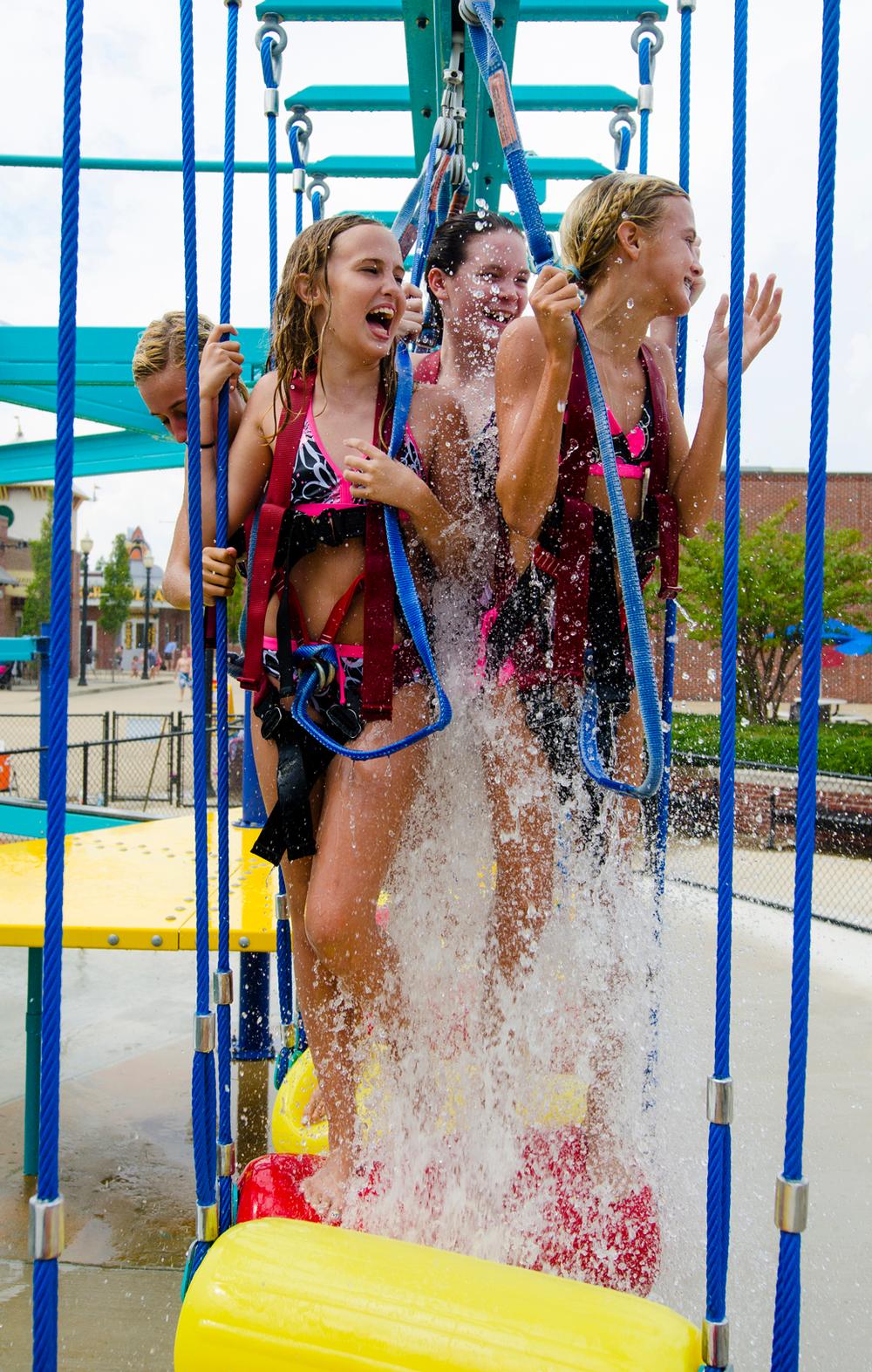
It’s this thrill that’s fuelling the boom in adventure and challenge courses. Take this concept and make it into a family-friendly, yet challenging attraction, and you could have an instant hit. We’ve seen playgrounds in public settings become bland as there are perceived risks municipalities don’t want to take on, but in our FEC environments, with trained supervision to enhance the experience, challenge courses can be great fun and a completely different, safe experience for kids and adults alike.
Zip lines, ropes courses, climbing walls, and other adventure sport elements are becoming ever popular and we’ll likely see advances in the equipment and large-scale applications in places like waterparks and theme parks instead of just eco-tourism attractions. This trend will likely endure despite the tendency of novel equipment to lose its appeal after a few years.
The difference is the application in high-quality environments with spectacular vistas or well-designed spectator viewing areas that drives revenue.
Waterproof phones I was looking through a catalogue and found a device that you wear to sound an alarm when your child, pet, or phone is too far away. It struck me that we now have electronic leashes for our devices as they’re just as important as our children and pets! So it’s no surprise that a trend we’re seeing is interactivity between rides and family experiences using our smartphones. Push notifications and text coupons are old hat – now it’s about an app that posts your pictures online with location tags or a video game app that mimics your ride experience while at the park.
Interactivity is what makes the difference. The communication is no longer just one-way, and as phones become water-resistant, this interactivity will go to the next level. RFID technology and interactive games have been innovative experiences more traditionally used in dry environments, but we’re now seeing this same technology being introduced into wet environments as these devices are easily submerged. If you don’t have a phone, you can still have that interactive fun through a wand, glove, tablet, or any number of devices.
Reinventing ageing assets All the trends could play a role in reinventing ageing assets. The waterpark industry is now well over 30 years-old and there are many slides and pools that need a new look. They’re probably still great attractions with plenty of appeal, but guests are always looking for something new.
It may be time to reinvent ageing assets by updating a colour scheme, layering in interactive technology, or perhaps adding an iconic element to an existing standard ride. These additions or changes could make rides more marketable, and all for a fairly limited capital expense.
The same goes for retheming play structures with new facades and new interactives. Video and lighting effects can be spectacular additions to a standard ride as well as adding video game elements. There are so many possibilities for existing rides that I anticipate we will see more of this at waterparks that may have limited capital or space for expansion.
As a former operator, I’m constantly thinking about the park guest. I love seeing innovation in our industry and it’s not just about the biggest capital projects, but also those smaller scale projects that have great impact on guest experience.
It’s heartening to see entrepreneurialism in hybridising attractions in parks, parks embracing technology in an environment not previously conducive to electronics, as well as parks reinventing. This is what keeps our industry innovative and progressive.
Read more from this issue of Spa Business magazine
View contents of Spa Business 2014 issue 1
Editor's letter: Creating Wealth
Great companies like Merlin Entertainments generate whole
ecosystems around themselves, with employees and their families,
shareholders, investors, suppliers, stakeholders and customers
benefiting from the wealth, energy and opportunity they create
Profile: Alberto Zamperla
The Italian ride entrepreneur is
attracting international attention for
his ambitious plans to build a new
cultural attraction in the heart of
Venice. Liz Terry finds out more
Planetariums: Science in the sky
We talk to Techmania's CEO Vlastimil
Volak and designer Glenn Smith
about the opening of the first 3D
Planetarium in the Czech Republic
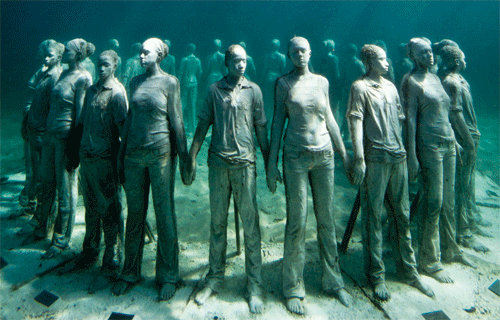
Museums: Sea Views
Exploring underwater museums with
eco-sculptor Jason deCaires Taylor
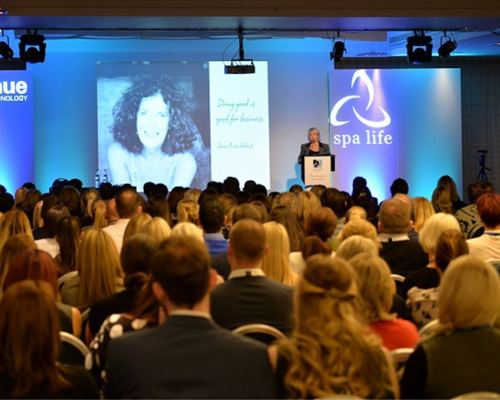
The Spa Life UK Convention returns from 21–23 June 2026 at Whittlebury Park Hotel, Spa &
Golf Resort, bringing together spa managers, directors and owners for two days of focused
education, meaningful connection and commercial insight. [more...]
How can waterparks keep their offer fresh and exciting, and what should they be investing in for the future? Franceen Gonzales outlines some of the key trends that are helping waterpark businesses entertain customers all year round
By Franceen Gonzales | Published in Attractions Management 2014 issue 1
Waterparks need to ensure their attractions offer something for all the family, including dry offers too
The toughest decision in my career was to move from being an operator to working for a supplier. As one person put it, “there was a disturbance in the Force…” when I made that decision public, as some joke that becoming a supplier is going to the “dark side”.
But becoming a supplier is more like the other side of the same coin. We have the same objectives for creating great guest experiences. I’ve known the waterpark industry as an operator for more than 25 years and I’m very familiar with the product so it’s exciting to be working in concepting, designing, engineering, constructing, and delivering attractions to operators who are, like me, focused on the guest experience.
There are some big picture trends I’m seeing in the business that makes this new journey very exciting. The following are some of the trends I see now and going into the future.
The Hero Shot Operators always want an iconic ride that will give them a competitive advantage, so they’ve focused on the ride experience for marketability. But that also means educating the would-be customer on what the product actually does and feels like.
Lately, I see many rides being developed that may not have significant thrills but look great. A nice paint scheme, some exaggerated curvature, graphics, or lighting effects are making the ride look great even if it isn’t the most thrilling ride. The trend in the short term will be for ‘sexy”’rides, but the most successful rides will have an appealing look and offer incredible thrills to the guest.
Great vistas and ‘hero shots’ are important elements to a ride not just for the ride experience, but for the marketing campaign. So it’s no surprise that a great looking ride is of value, but a ride where guests are raving about the experience will endure.
Hybridisation within parks There was a time when parks were classified as a theme park, waterpark, or family entertainment centre. The only hybrids were big theme parks that had standalone waterparks or FECs with a couple of waterslides. Today, parks are becoming more and more hybridised, making it hard to classify a park as strictly a waterpark. Many have incorporated dry rides, from huge rollercoasters to dry play areas or ropes courses.
Great success has come from combining large waterparks with state-of-art FEC attractions with arcade, bowling, mini-golf, and upscale restaurants. This hybridisation is meant to create some weather-resistance but to also appeal to those who don’t really want to wear a swimming costume.
Hybridisation within rides There’s an interesting phenomenon that occurs in our business. In years with little park development, there is a bit more innovation. Ride manufacturers need to come up with rides that set them apart from their competition as the few rides that will be purchased are likely to be iconic to drive the gate.
But in park development booming years, little innovation happens as manufacturers are spending their time on the standard capacity rides going into all those new parks. So it’s no surprise to see with booming development in Asia and other parts of the world that, with a few exceptions, we’re seeing tweaks to existing rides rather than completely new ride concepts.
An easy approach is to take aspects of the best existing rides and combine the experiences. This works to create iconic rides, but how those ride elements are combined and operate successfully remains to be seen. These combinations can look good, but how the ride forces work together needs significant engineering and testing. I see this trend sticking around, as there are some really good-looking ride elements that give not only the hero shot as stated earlier, but also offer thrill elements for a heightened ride experience.
Adventure and extreme sport Just as reality TV has become the norm, so has an appetite for adventure and extreme sport. There are any number of survivor shows that highlight the thrill of sport and the adrenalin that comes from perceived risk while pushing one’s body to achieve a goal.
It’s this thrill that’s fuelling the boom in adventure and challenge courses. Take this concept and make it into a family-friendly, yet challenging attraction, and you could have an instant hit. We’ve seen playgrounds in public settings become bland as there are perceived risks municipalities don’t want to take on, but in our FEC environments, with trained supervision to enhance the experience, challenge courses can be great fun and a completely different, safe experience for kids and adults alike.
Zip lines, ropes courses, climbing walls, and other adventure sport elements are becoming ever popular and we’ll likely see advances in the equipment and large-scale applications in places like waterparks and theme parks instead of just eco-tourism attractions. This trend will likely endure despite the tendency of novel equipment to lose its appeal after a few years.
The difference is the application in high-quality environments with spectacular vistas or well-designed spectator viewing areas that drives revenue.
Waterproof phones I was looking through a catalogue and found a device that you wear to sound an alarm when your child, pet, or phone is too far away. It struck me that we now have electronic leashes for our devices as they’re just as important as our children and pets! So it’s no surprise that a trend we’re seeing is interactivity between rides and family experiences using our smartphones. Push notifications and text coupons are old hat – now it’s about an app that posts your pictures online with location tags or a video game app that mimics your ride experience while at the park.
Interactivity is what makes the difference. The communication is no longer just one-way, and as phones become water-resistant, this interactivity will go to the next level. RFID technology and interactive games have been innovative experiences more traditionally used in dry environments, but we’re now seeing this same technology being introduced into wet environments as these devices are easily submerged. If you don’t have a phone, you can still have that interactive fun through a wand, glove, tablet, or any number of devices.
Reinventing ageing assets All the trends could play a role in reinventing ageing assets. The waterpark industry is now well over 30 years-old and there are many slides and pools that need a new look. They’re probably still great attractions with plenty of appeal, but guests are always looking for something new.
It may be time to reinvent ageing assets by updating a colour scheme, layering in interactive technology, or perhaps adding an iconic element to an existing standard ride. These additions or changes could make rides more marketable, and all for a fairly limited capital expense.
The same goes for retheming play structures with new facades and new interactives. Video and lighting effects can be spectacular additions to a standard ride as well as adding video game elements. There are so many possibilities for existing rides that I anticipate we will see more of this at waterparks that may have limited capital or space for expansion.
As a former operator, I’m constantly thinking about the park guest. I love seeing innovation in our industry and it’s not just about the biggest capital projects, but also those smaller scale projects that have great impact on guest experience.
It’s heartening to see entrepreneurialism in hybridising attractions in parks, parks embracing technology in an environment not previously conducive to electronics, as well as parks reinventing. This is what keeps our industry innovative and progressive.
Read more from this issue of Spa Business magazine
View contents of Spa Business 2014 issue 1
Editor's letter: Creating Wealth
Great companies like Merlin Entertainments generate whole
ecosystems around themselves, with employees and their families,
shareholders, investors, suppliers, stakeholders and customers
benefiting from the wealth, energy and opportunity they create
Profile: Alberto Zamperla
The Italian ride entrepreneur is
attracting international attention for
his ambitious plans to build a new
cultural attraction in the heart of
Venice. Liz Terry finds out more
Planetariums: Science in the sky
We talk to Techmania's CEO Vlastimil
Volak and designer Glenn Smith
about the opening of the first 3D
Planetarium in the Czech Republic
Museums: Sea Views
Exploring underwater museums with
eco-sculptor Jason deCaires Taylor
A recent survey by the UK Spa Association (UKSA) into the industry’s approach to cancer care
has revealed that almost half of participating respondents (46 per cent) are unaware that
cancer is a disability and guests with a cancer diagnosis must be given
Mexican operator, Solmar Hotels and Resorts, is hosting a series of events in celebration of
Global Wellness Day, including a Temazcal ceremony at its Playa Grande Resort and Spa in Los
Cabos.
Mandarin Oriental has announced a standalone residence brand, Mansions, which will debut at
Emirates Palace, Mandarin Oriental Mansions, Abu Dhabi, in 2029.
Four Seasons Resort The Nam Hai in Hoi An, Vietnam, has put together a Global Wellness Day
(GWD) agenda with activations rooted in nature and shaped by four pillars of Joy – in
alignment with the day’s theme #JoyMagenta.
The Global Wellness Summit (GWS) will celebrate its 20th anniversary at the 2026 event in
Phuket, Thailand, later this year with the theme: The Science, Art and Soul of Wellness.
Auko, an all-inclusive development, is opening in Phong Nha in Vietnam in Q3 2026, with a
series of 30 tented eco-lodges and wellness hospitality operations by Lumina Wellbeing.
Therme Manchester’s 28-acre development, which will include interconnected glass pavilions
that measure 65,000sq m, will be the largest bathing and wellbeing attraction in the world once
complete, according to prof David Russell, CEO of Therme UK.
Naples Beach Club, a Four Seasons Resort, has opened a 2,800sq m spa called The Sanctuary,
with the design and concept inspired by the Native American people that populated Florida’s
Southwest coast – the Calusa.
The Spa Life UK Convention returns from 21–23 June 2026 at Whittlebury Park Hotel, Spa &
Golf Resort, bringing together spa managers, directors and owners for two days of focused
education, meaningful connection and commercial insight. [more...]