Yes! Send me the FREE digital editions of Spa Business and Spa Business insider magazines and the FREE weekly Spa Business and Spa Business insider ezines and breaking news alerts!
The David Lynch Foundation helps people overcome extreme stress by using the power of meditation. Its goal is to touch 100 million lives in the next decade. Julie Cramer talks to co-founder Bob Roth to find out more
By Julie Cramer | Published in Spa Business 2015 issue 1
The foundation teaches meditation to those facing severe adversity including soldiers, the homeless and HIV/AIDS sufferers
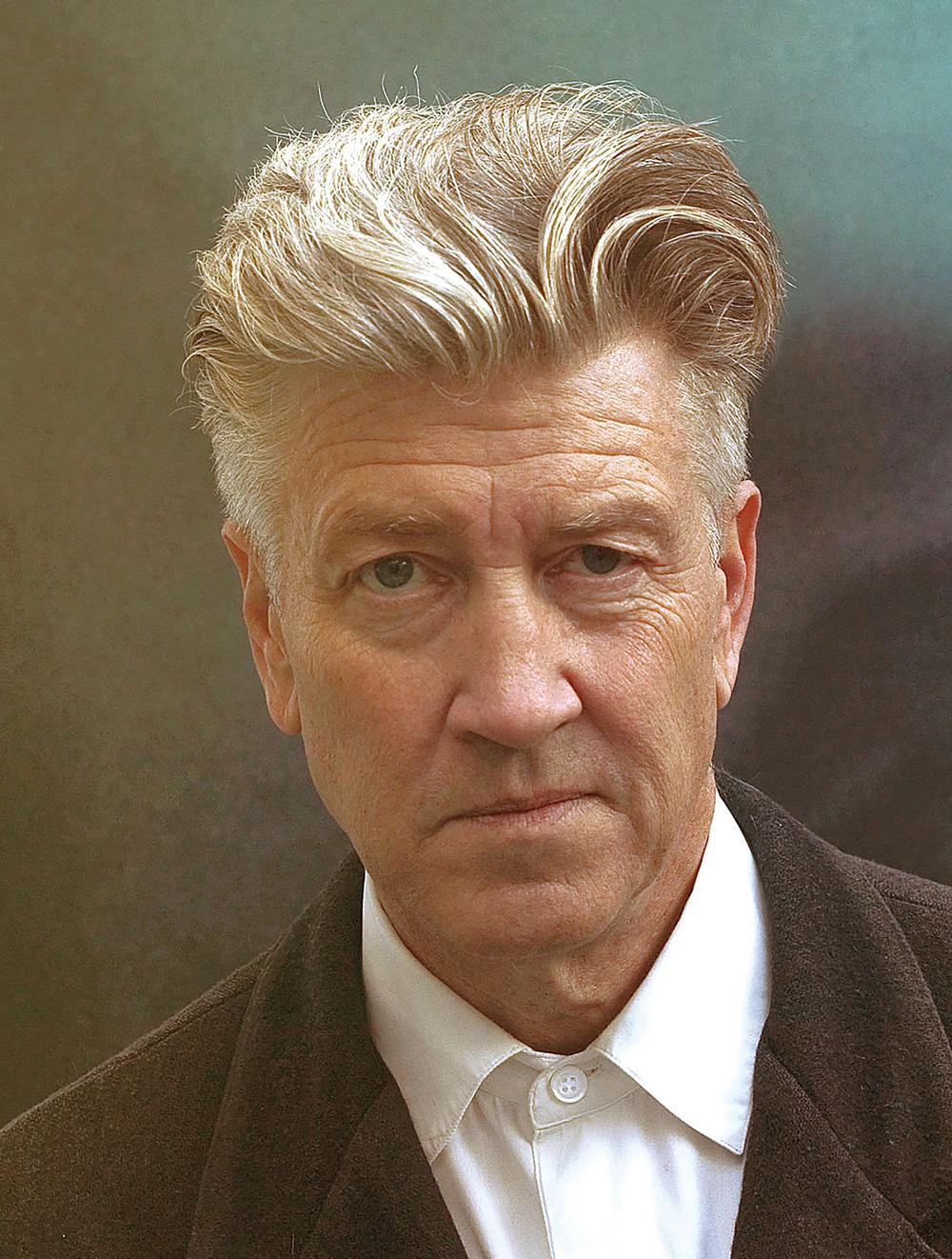
David Lynch is at the centre of much media attention of late as he starts filming a conclusion to cult TV series Twin Peaks after a 25 year break. The US director is famous for his surrealist style in films such as The Elephant Man, Mulholland Drive and Eraserhead. What many people may not know, is that he’s also a firm believer in the beneficial power of transcendental meditation. He says: “I started transcendental meditation in 1973 and have not missed a single meditation ever since. Twice a day, every day. It has given me effortless access to unlimited reserves of energy, creativity and happiness deep within.”
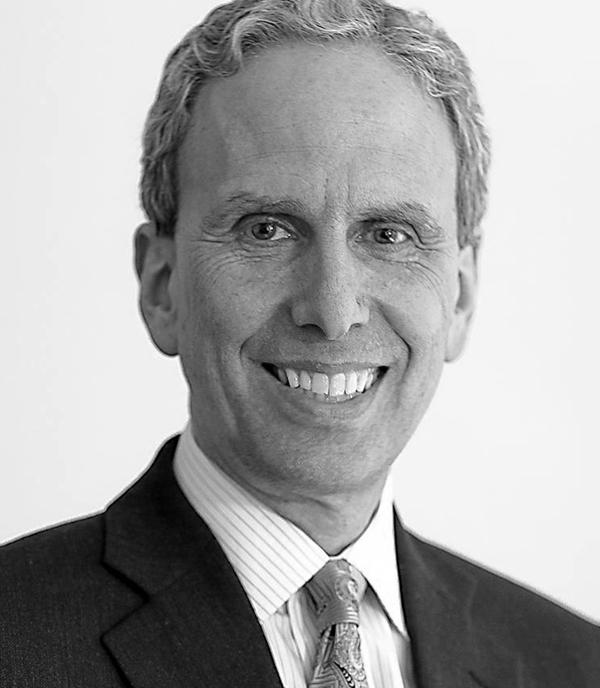
After a chance meeting with fellow practitioner Bob Roth a decade ago, the pair started the David Lynch Foundation and have since helped hundreds of thousands of at-risk people using this form of meditation.
Here Roth, the co-founder and executive director of the foundation, talks about its aim to help 100 million people in the next decade. Given the current surge in interest in mindfulness, now is the perfect time for spas to get involved he says.
What’s the main purpose of the David Lynch Foundation? We’re a non-profit organisation, founded in 2005 by the film director David Lynch, dedicated to making transcendental meditation (TM) accessible to many different areas of the population.
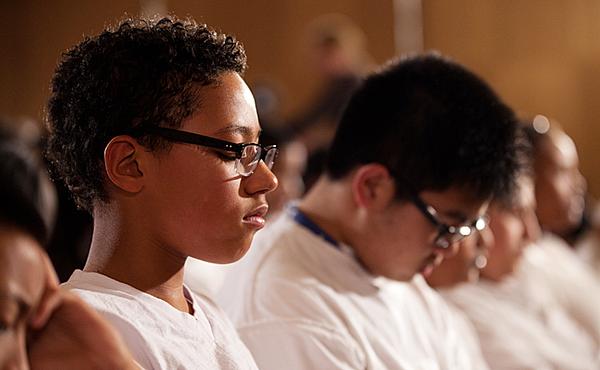
In the beginning, our focus was on helping at-risk children in low income urban schools to cope with the extreme stresses that they were facing. In less than 10 years, we’ve touched the lives of more than 500,000 students.
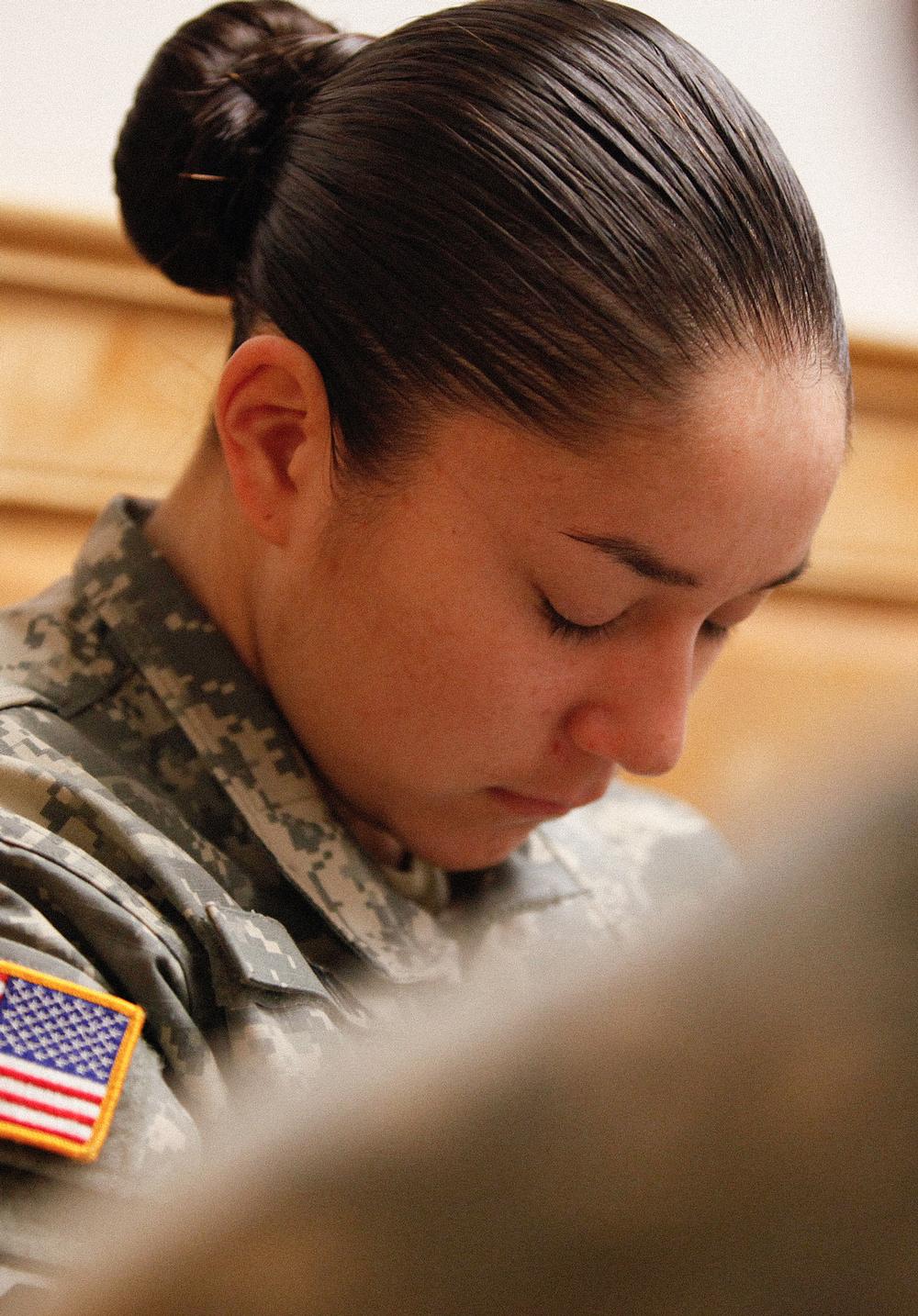
Over time, our work has spread to a wider range of people, from the homeless to victims of domestic violence, war veterans with post traumatic stress disorder and HIV/AIDS sufferers.
How did you meet David Lynch? I was organising a TM conference and David Lynch, who had been practising TM for around 30 years, was invited to attend.
He heard the horror stories about at-risk youth – of kids who witnessed and experienced domestic violence and gangland shootings and were then expected to go to school and learn algebra. The idea of the foundation was born from this meeting and we created it soon after.
How does TM differ from other forms of meditation? According to science, there are three basic approaches to meditation. The first is called ‘focused attention’, where you attempt to actively control your thoughts, clear your mind, or focus on your breath. This produces the gamma brainwaves that are associated with peak concentration.
The second is ‘open monitoring’ which includes many mindfulness techniques, where you learn to observe your thoughts or emotions dispassionately. This produces theta brainwaves, which are very slow and present during the REM stages of sleep.
Thirdly is ‘automatic self transcending’, which is transcendental meditation, where you learn to effortlessly transcend conscious thinking to achieve a profound state of calm, of inner wakefulness. It’s like diving underneath a choppy ocean to the calm waters beneath. In this state, deeply relaxing alpha brainwaves are present.
Because of its simplicity and naturalness TM is the easiest to learn – even a 10-year-old can practise it.
What are the benefits of TM? In a society where there’s an epidemic of stress, TM helps people achieve a profound state of rest at will. It’s been shown to instantly drop cortisol levels by 30 per cent – which is more than we get from a good night’s sleep. There’s also evidence that TM reduces high blood pressure as effectively as medication, reduces cholesterol, atherosclerosis and risk of stroke; and reduces anxiety, depression and insomnia.
In addition, much research indicates that TM improves memory, creativity and problem solving. It wakes up the brain!
How did you first discover TM? I was at the University of Berkeley in California, in the 1960s. It was a time of riots, strikes and anti-war demos. Students were being shot and tanks were parked outside.
I wasn’t a hippie or a druggie but I was looking for a natural way to overcome the intense pressures of going to school full time, working full time and dealing with the social upheaval all around me. A good friend who I trusted suggested I try TM. I’m a naturally sceptical person, but my friend was a no-nonsense kind of person so I decided to try it.
Its effect on me was immediate and profound. I experienced a state of rest and relaxation I never knew I could gain. My mind cleared up, I had so much energy and my grades soared. I knew I’d discovered something really special and I knew I wanted to teach this to inner city kids.
Did you always want to be a teacher? Actually no. I was heading for a career in politics – I had worked for senator Robert Kennedy during his 1968 presidential primary campaign. But after he was assassinated and the more I learnt about it, the more I saw corruption and greed.
So I switched my focus to education. Along the way, I learned to meditate and in 1972 I attended a teacher training course by TM founder Maharishi Mahesh Yogi in Europe with 2,000 others.
I returned to San Francisco where I started to teach the technique to kids in the inner city, to death row inmates as well as to people in the business world at companies like Apple and General Motors.
How do you teach TM? Well, it’s not mass meditation – it can’t be taught to a crowd of 50 people. It works best when it’s taught individually over four consecutive days, for an hour at a time. The first session must be one-to-one with a teacher, while subsequent sessions can be in smaller groups. If we’re going into a school with 3,000 kids we might initially send in 25 teachers so that each and every child gets an individual first hour.
How has your work helped people? There are so many transformational stories. There’s one about a young girl who arrived at school with red paint splattered all over her dress. The teacher told her she had to go home and change – until it transpired that the little girl had just witnessed the shooting of her uncle and those red stains were his blood. She’d run to school for a safe haven and because she didn’t want to miss her TM class.
Then there’s the [war] veteran mother who returned to her family from active service and was unable to sleep for three months. All she was offered was a handful of pills that didn’t work. She learned TM and within a few days she was able to sleep through the night – and she still continues to sleep through the night now, four months after learning to meditate. And the best thing, she says, is that her children got a loving mother back!
Has meditation and mindfulness now entered the mainstream? Yes, for sure. I speak regularly about TM at business and medical conferences, including the Google Zeitgeist Conference, which is attended by the top, most innovative thinkers. We are also offering the technique to Wall Street companies. In the 40 years of my practising and teaching TM, it’s really only in the last one to two years where I’ve seen a huge spike in interest.
There could be many reasons for this, but ultimately I think it’s the huge amount of scientific research which shows that meditation benefits the mind and body.
People today are plagued by anxiety, depression and insomnia. Their lives are simply unsustainable. Until now, the answer has mostly been medication, like anti-depressants, which only mask the symptoms. Our foundation wants people to self-meditate, not self-medicate.
What are the foundation’s goals? We have ambitious, but very doable, plans to bring TM to 100 million people around the world in the next 10 years. It’s a huge task but we think we can do it. We’re in discussions with the UN, and talking to NGOs all over the world.
TM is already taught in over 100 countries so all the channels and systems are in place. Our foundation also has a branch in the UK. We want to reach more at-risk populations and work with international thought leaders to spread the teaching of meditation.
We’re actively recruiting new TM teachers at college job fairs and we’re particularly interested in graduates with a masters in education or public health.
How will the field of TM develop? More companies are switching on to its value for their employees and their health. It can save them so much by reducing healthcare costs and absenteeism.
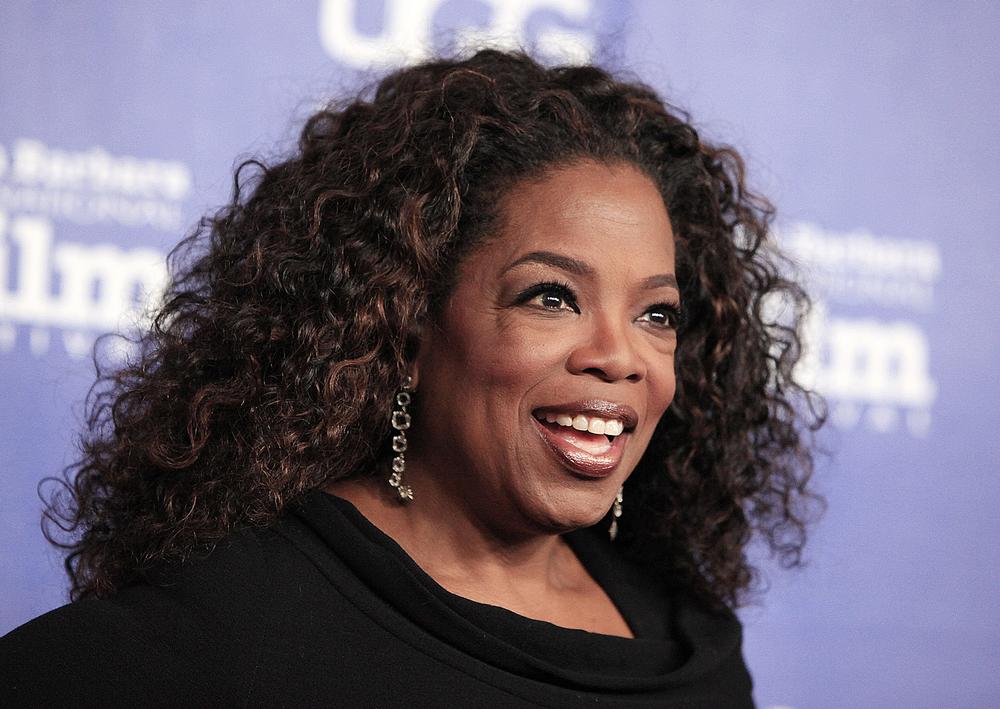
We’ve taught 400 employees at Oprah’s company and all 200 employees at Dr Oz’s TV production company and, as I said, top Wall Street firms. Some companies are even installing meditation rooms.
In schools where we deliver TM, it’s been shown to improve academic performance and behaviour. It’s even had an impact on obesity levels as children reduce stress-related eating.
Do you work with spas and is this a growth area for the future? We work with some spas, as well as with wellness organisations like yoga studios. But we’d love to make more connections.
A spa is the perfect environment for the teaching of TM. People go there for a period of time and want to switch off. So often, when they return to their stressed work or home environments, any cosmetic benefits quickly wash away. If spas can offer their guests TM, they’re giving them a powerful tool to improve their health for the rest of their life.
For spa operators who want to know how they can work with the foundation, email Bob Roth via the David Lynch Foundation website – www.davidlynchfoundation.org. Or visit www.tmbusinessnyc.org.
Read more from this issue of Spa Business magazine
View contents of Spa Business 2015 issue 1
Letters: Letters
We need sales people in spas says consultant Helen Merchant
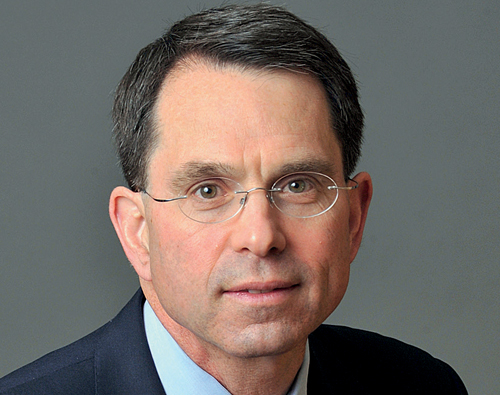
Interview -Rich Weissmann: Rich Weissmann
Weissmann, a partner at private equity firm KSL, talks spa investment with Rhianon Howells and reveals its plans for the Miraval brand
Wellness: All in the mind
Twin Peaks director David Lynch has a foundation which uses meditation to help those facing extreme trauma and stress. Julie Cramer talks to the foundation’s co-founder Bob Roth
Film director David Lynch meditates twice a day, every day
The Quiet Time programme is transforming schools in some of the most deprived areas in the US
Roth met Lynch at a TM conference
Since its inception in 2005, the David Lynch Foundation has worked with more than 500,000 students
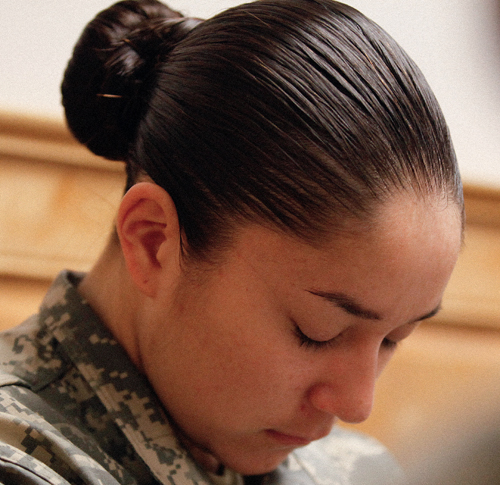
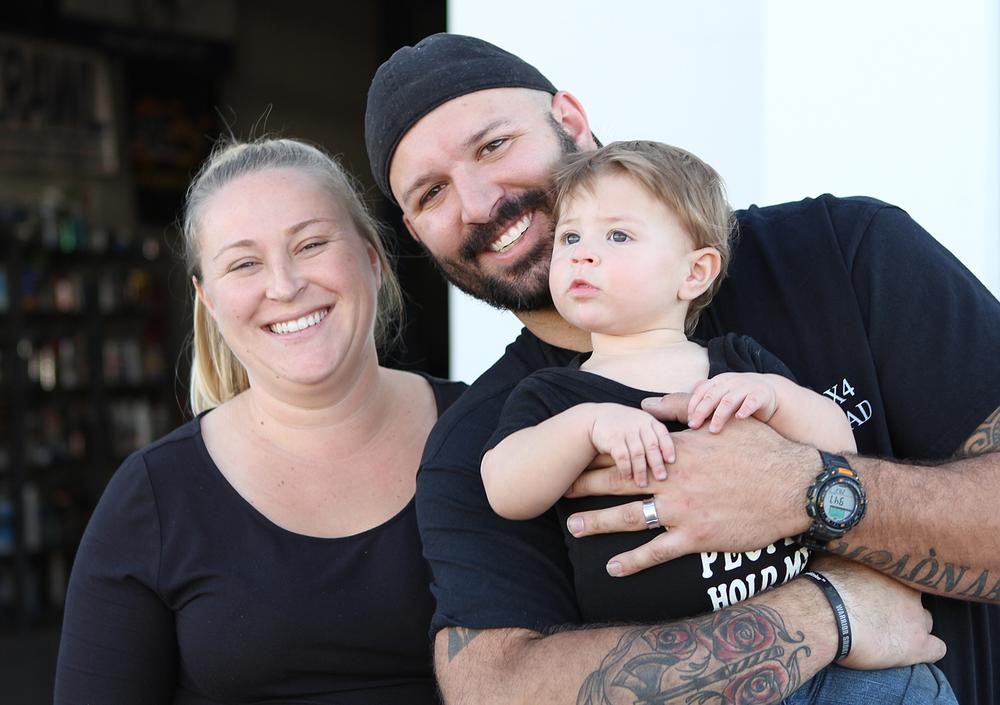
A service-disabled combat veteran lets go of anger and stress after learning TM and can finally sleep again
Oprah invited the foundation to work with 400 of her employees and Roth says more firms are starting to realise the value of teaching staff TM / shutterstock.com/Joe Seer
The David Lynch Foundation helps people overcome extreme stress by using the power of meditation. Its goal is to touch 100 million lives in the next decade. Julie Cramer talks to co-founder Bob Roth to find out more
By Julie Cramer | Published in Spa Business 2015 issue 1
The foundation teaches meditation to those facing severe adversity including soldiers, the homeless and HIV/AIDS sufferers
David Lynch is at the centre of much media attention of late as he starts filming a conclusion to cult TV series Twin Peaks after a 25 year break. The US director is famous for his surrealist style in films such as The Elephant Man, Mulholland Drive and Eraserhead. What many people may not know, is that he’s also a firm believer in the beneficial power of transcendental meditation. He says: “I started transcendental meditation in 1973 and have not missed a single meditation ever since. Twice a day, every day. It has given me effortless access to unlimited reserves of energy, creativity and happiness deep within.”
After a chance meeting with fellow practitioner Bob Roth a decade ago, the pair started the David Lynch Foundation and have since helped hundreds of thousands of at-risk people using this form of meditation.
Here Roth, the co-founder and executive director of the foundation, talks about its aim to help 100 million people in the next decade. Given the current surge in interest in mindfulness, now is the perfect time for spas to get involved he says.
What’s the main purpose of the David Lynch Foundation? We’re a non-profit organisation, founded in 2005 by the film director David Lynch, dedicated to making transcendental meditation (TM) accessible to many different areas of the population.
In the beginning, our focus was on helping at-risk children in low income urban schools to cope with the extreme stresses that they were facing. In less than 10 years, we’ve touched the lives of more than 500,000 students.
Over time, our work has spread to a wider range of people, from the homeless to victims of domestic violence, war veterans with post traumatic stress disorder and HIV/AIDS sufferers.
How did you meet David Lynch? I was organising a TM conference and David Lynch, who had been practising TM for around 30 years, was invited to attend.
He heard the horror stories about at-risk youth – of kids who witnessed and experienced domestic violence and gangland shootings and were then expected to go to school and learn algebra. The idea of the foundation was born from this meeting and we created it soon after.
How does TM differ from other forms of meditation? According to science, there are three basic approaches to meditation. The first is called ‘focused attention’, where you attempt to actively control your thoughts, clear your mind, or focus on your breath. This produces the gamma brainwaves that are associated with peak concentration.
The second is ‘open monitoring’ which includes many mindfulness techniques, where you learn to observe your thoughts or emotions dispassionately. This produces theta brainwaves, which are very slow and present during the REM stages of sleep.
Thirdly is ‘automatic self transcending’, which is transcendental meditation, where you learn to effortlessly transcend conscious thinking to achieve a profound state of calm, of inner wakefulness. It’s like diving underneath a choppy ocean to the calm waters beneath. In this state, deeply relaxing alpha brainwaves are present.
Because of its simplicity and naturalness TM is the easiest to learn – even a 10-year-old can practise it.
What are the benefits of TM? In a society where there’s an epidemic of stress, TM helps people achieve a profound state of rest at will. It’s been shown to instantly drop cortisol levels by 30 per cent – which is more than we get from a good night’s sleep. There’s also evidence that TM reduces high blood pressure as effectively as medication, reduces cholesterol, atherosclerosis and risk of stroke; and reduces anxiety, depression and insomnia.
In addition, much research indicates that TM improves memory, creativity and problem solving. It wakes up the brain!
How did you first discover TM? I was at the University of Berkeley in California, in the 1960s. It was a time of riots, strikes and anti-war demos. Students were being shot and tanks were parked outside.
I wasn’t a hippie or a druggie but I was looking for a natural way to overcome the intense pressures of going to school full time, working full time and dealing with the social upheaval all around me. A good friend who I trusted suggested I try TM. I’m a naturally sceptical person, but my friend was a no-nonsense kind of person so I decided to try it.
Its effect on me was immediate and profound. I experienced a state of rest and relaxation I never knew I could gain. My mind cleared up, I had so much energy and my grades soared. I knew I’d discovered something really special and I knew I wanted to teach this to inner city kids.
Did you always want to be a teacher? Actually no. I was heading for a career in politics – I had worked for senator Robert Kennedy during his 1968 presidential primary campaign. But after he was assassinated and the more I learnt about it, the more I saw corruption and greed.
So I switched my focus to education. Along the way, I learned to meditate and in 1972 I attended a teacher training course by TM founder Maharishi Mahesh Yogi in Europe with 2,000 others.
I returned to San Francisco where I started to teach the technique to kids in the inner city, to death row inmates as well as to people in the business world at companies like Apple and General Motors.
How do you teach TM? Well, it’s not mass meditation – it can’t be taught to a crowd of 50 people. It works best when it’s taught individually over four consecutive days, for an hour at a time. The first session must be one-to-one with a teacher, while subsequent sessions can be in smaller groups. If we’re going into a school with 3,000 kids we might initially send in 25 teachers so that each and every child gets an individual first hour.
How has your work helped people? There are so many transformational stories. There’s one about a young girl who arrived at school with red paint splattered all over her dress. The teacher told her she had to go home and change – until it transpired that the little girl had just witnessed the shooting of her uncle and those red stains were his blood. She’d run to school for a safe haven and because she didn’t want to miss her TM class.
Then there’s the [war] veteran mother who returned to her family from active service and was unable to sleep for three months. All she was offered was a handful of pills that didn’t work. She learned TM and within a few days she was able to sleep through the night – and she still continues to sleep through the night now, four months after learning to meditate. And the best thing, she says, is that her children got a loving mother back!
Has meditation and mindfulness now entered the mainstream? Yes, for sure. I speak regularly about TM at business and medical conferences, including the Google Zeitgeist Conference, which is attended by the top, most innovative thinkers. We are also offering the technique to Wall Street companies. In the 40 years of my practising and teaching TM, it’s really only in the last one to two years where I’ve seen a huge spike in interest.
There could be many reasons for this, but ultimately I think it’s the huge amount of scientific research which shows that meditation benefits the mind and body.
People today are plagued by anxiety, depression and insomnia. Their lives are simply unsustainable. Until now, the answer has mostly been medication, like anti-depressants, which only mask the symptoms. Our foundation wants people to self-meditate, not self-medicate.
What are the foundation’s goals? We have ambitious, but very doable, plans to bring TM to 100 million people around the world in the next 10 years. It’s a huge task but we think we can do it. We’re in discussions with the UN, and talking to NGOs all over the world.
TM is already taught in over 100 countries so all the channels and systems are in place. Our foundation also has a branch in the UK. We want to reach more at-risk populations and work with international thought leaders to spread the teaching of meditation.
We’re actively recruiting new TM teachers at college job fairs and we’re particularly interested in graduates with a masters in education or public health.
How will the field of TM develop? More companies are switching on to its value for their employees and their health. It can save them so much by reducing healthcare costs and absenteeism.
We’ve taught 400 employees at Oprah’s company and all 200 employees at Dr Oz’s TV production company and, as I said, top Wall Street firms. Some companies are even installing meditation rooms.
In schools where we deliver TM, it’s been shown to improve academic performance and behaviour. It’s even had an impact on obesity levels as children reduce stress-related eating.
Do you work with spas and is this a growth area for the future? We work with some spas, as well as with wellness organisations like yoga studios. But we’d love to make more connections.
A spa is the perfect environment for the teaching of TM. People go there for a period of time and want to switch off. So often, when they return to their stressed work or home environments, any cosmetic benefits quickly wash away. If spas can offer their guests TM, they’re giving them a powerful tool to improve their health for the rest of their life.
For spa operators who want to know how they can work with the foundation, email Bob Roth via the David Lynch Foundation website – www.davidlynchfoundation.org. Or visit www.tmbusinessnyc.org.
Read more from this issue of Spa Business magazine
View contents of Spa Business 2015 issue 1
Letters: Letters
We need sales people in spas says consultant Helen Merchant
Interview -Rich Weissmann: Rich Weissmann
Weissmann, a partner at private equity firm KSL, talks spa investment with Rhianon Howells and reveals its plans for the Miraval brand
Wellness: All in the mind
Twin Peaks director David Lynch has a foundation which uses meditation to help those facing extreme trauma and stress. Julie Cramer talks to the foundation’s co-founder Bob Roth
Film director David Lynch meditates twice a day, every day
The Quiet Time programme is transforming schools in some of the most deprived areas in the US
Roth met Lynch at a TM conference
Since its inception in 2005, the David Lynch Foundation has worked with more than 500,000 students
A service-disabled combat veteran lets go of anger and stress after learning TM and can finally sleep again
Oprah invited the foundation to work with 400 of her employees and Roth says more firms are starting to realise the value of teaching staff TM / shutterstock.com/Joe Seer
Manipulating the gut microbiome could become a powerful tool for preserving brain health and
resilience as people age, according to research led by Professor Paola Tognini, a neuroscientist
at the Sant'Anna School of Advanced Studies in Pisa, Italy.
Jessica Sloyan, a wellness operations and training expert, has established an independent
private training academy to provide professional qualifications for practitioners looking to offer
immersive wellness experiences.
The International Spa Association (ISPA) has published its full 2026 US Spa Industry Study,
providing further insights into the region’s total US$1 billion (€855 million, £780 million)
industry revenue increase from 2024 to 2025.
Ameyalli, the 78-acre wellbeing resort and residential community in Midway in Utah, US, has
broken ground on phase two of the hot spring development – the Ameyalli Resort and Spa –
which is due to open in 2028.
TLee Spas and Wellness has revealed the design concept for a high-tech spa with body
mapping scanners to improve public health, for AI company Midjourney.
Gran Hotel Taoro in northern Tenerife, Spain, has completed the final phase of its three-year
renovation with the debut of its Sandára Wellness Centre.
Hand and Stone Massage and Facial Spa, the spa business with more than 650 locations across
the US and Canada, has appointed franchise expert Carrie Walsh as CEO as the company plans
to expand.
Synergy – The Retreat Show, the global trade show for retreats, has launched a global research
initiative that will provide insights into the retreat sector from both consumer and industry
perspectives.
The Wellness Tourism Association (WTA) has published a non-regulatory global industry
framework designed to ensure the retreat market offers responsible experiences.