Latest
issue
Uniting the world of spa & wellness
Get Spa Business and Spa Business insider digital magazines FREE
Sign up here ▸
News   Features   Products   Company profilesProfiles   Press releasesProfiles   Magazine   Handbook   Advertise    Subscribe  
NEWS
Safety guidelines address dangers of cold water immersion
POSTED 27 Feb 2024 . BY Megan Whitby
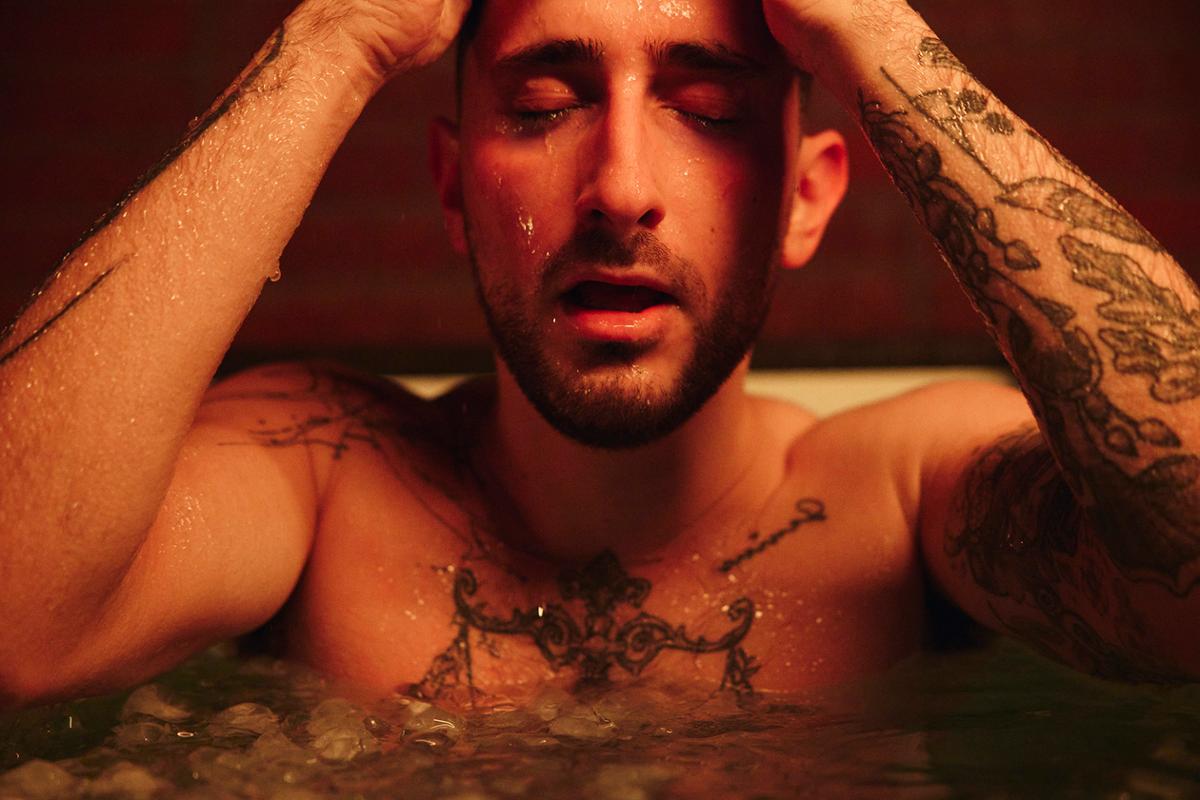
CWI has boomed in popularity in recent years in the spa and wellness industry Credit: Othership
A trio of Australian organisations have joined forces to create best practice guidelines for cold water immersion therapy
CWI has taken off globally in recent years and can be practised in a range of settings, such as at aquatic facilities, gyms, wellness centres, rehab centres, natural water environments or at home
However, without proper preparation and precautions, CWI can pose significant risks
The organisations' new statement features eight steps for users and providers of CWI programmes to best mitigate risks associated with the practice
Australian exercise and active health trade body, AUSactive, has partnered with the national Royal Life Saving and Swimming Pool & Spa Association to develop a position statement on cold water immersion therapy (CWI).

The new eight-step approach aims to equip individuals and businesses with essential safety considerations and practical advice.

CWI has experienced a surge in popularity in recent years, attributed to its potential health benefits ranging from immune system support to tumour suppression and body fat reduction.

However, without proper preparation and precautions, CWI can pose significant risks to participants. Click here to read Spa Business’ dedicated feature exploring how spas and wellness facilities can best mitigate these risks.

New demand
Chris Alexander, GM of standards and development at AUSactive, reported that CWI has exploded in popularity during the Australian summer.

“The position statement is about providing guidance and advice on safety considerations for users and providers of CWI programmes, such as those offered by AUSactive members and businesses,” he said.

“Like with any new trend, popularity can rise dramatically thanks to social media. As the peak association for the fitness and active health sector, AUSactive needs to provide useful and practical information to our members to keep them informed.”

Royal Life Saving and AUSactive advise that the below steps should be taken when facilitating or participating in CWI:

1. Screening and assessment: Participants should undergo a pre-activity screening to identify any contraindications or underlying health conditions that might increase their risk during CWI. Those at an elevated risk include pregnant women; individuals with any chronic or serious illness; those who are on certain medications and/or with heart problems, circulatory issues, high blood pressure, autoimmune disorders or increased sensitivity to cold (Raynaud’s disease).

2. Informed consent: Participants should receive a comprehensive briefing on the potential risks and benefits of CWI. This information is vital in ensuring participants understand what to expect and the precautions they should take and therefore should obtain medical guidance before commencing CWI activities.

3. Preparation and warm up: Participants should be trained to regulate their breathing during CWI to minimise the risks associated with shock response. They should also do an adequate warm-up/down before and after CWI to minimise the risk of hypothermia and injury.

4. Acclimatisation: Cold water exposure should begin with shorter durations and gradually progress as the participant's tolerance increases. In the context of cold plunge pools, the neck and head should always remain out of the water.

5. Water temperature: The water temperature should be carefully monitored and controlled. It should not be so cold as to cause extreme stress on the body. A temperature range of 10-15°C is generally considered safe for most individuals. Colder temperatures can be used but this increases the risk of extreme stress on the body and appropriate risk reduction steps are strongly advised.

6. Risk assessment: A thorough risk assessment should be undertaken, and the outcomes should feed into the organisation’s broader risk management plan and other critical safety systems such as emergency management and supervision planning, where applicable.

7. Supervision: In the context of an aquatic facility, a qualified and trained professional, e.g. a lifeguard, should be present at all times to monitor participants, provide guidance and respond to any adverse reactions or incidents. The supervision arrangements should be documented in the facility’s supervision plan.

8. Emergency management: Well-established emergency procedures should be in place and regularly practised. The emergency plan should document the roles and responsibilities of those responsible for supervision and response as well as access to rescue equipment, oxygen, defibrillators, thermal blankets and medical support.

AUSactive says the position statement is designed for users and providers of CWI programmes.

The trade body clarified: “This statement does not provide guidance on cold water swimming, the design or construction of facilities used for CWI, or the systems and equipment used to manage the water quality. However, these areas also warrant careful consideration and seeking out separate expert advice.”

For more information, visit AUSactive’s official website.

RELATED STORIES
  New studies reveal potential benefits of exposure to low temperatures and swimming in icy waters


Cold is the new hot in spa circles, but sceptics question whether the benefits of such practices are proven.
  FEATURE: Opinion: Cold water immersion


A new scientific paper warns of the significant risk of cold water therapies. Spa Business investigates how operators can protect those taking part in extreme bathing programmes
MORE NEWS
Taking GLP-1s is linked to falls in physical activity
People taking GLP-1 weight loss medications such as Ozempic, Wegovy, Mounjaro and Zepbound may be losing weight, but they’re also becoming less physically active, according to new research presented at the ENDO 2026 annual meeting of the Endocrine Society
Synergy The Retreat Show launches resource for retreat business leaders to showcase specialisms
Global retreat trade show, Synergy The Retreat Show, has launched a resource called The Source, which hosts an open-access online Transformation Series programme.
The SATCC announces first five-day Living with Cancer and Beyond retreat
The Standards Authority for Touch in Cancer Care (SATCC) charity has announced its first five- day Living with Cancer and Beyond retreat, which will be held at Carden Park Hotel and Spa in Cheshire, UK, between 1 and 5 September.
Palazzo di Varignana launches family wellbeing and longevity retreat in Emilia Romagna
Palazzo di Varignana, in the Emilia Romagna region of Italy, has created a new tailored health programme designed specifically for families.
+ More news   

FEATURED SUPPLIERS

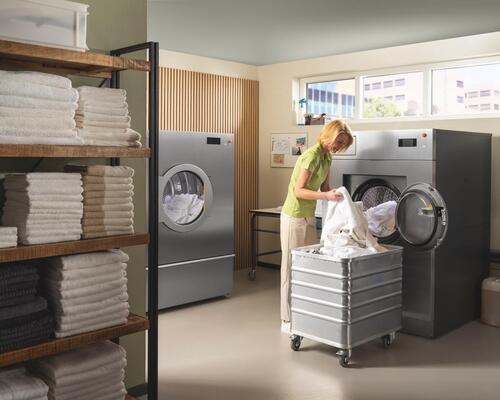
Why future-ready in-house laundry is the new luxury spa essential
In today’s premium spa environment, every detail shapes the guest experience – right down to the softness of towels and the freshness of linens. [more...]

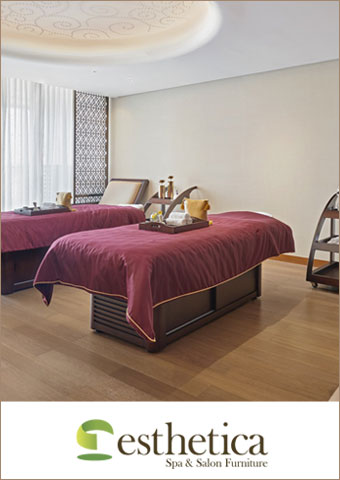
Le Atelier by C.O.D.E. - bespoke means moving beyond the catalogue to delivering contextual design responses
Le Atelier by C.O.D.E. doesn't offer a standard bespoke service, it provides a highly customised approach to designing massage beds and loungers in high-end wellness environments. [more...]
+ More featured suppliers  
COMPANY PROFILES
TAC | The Assistant Company

Founded in 2001, TAC is an owner-managed company with more than 110 employees and four locations: in [more...]
International SPA Association

Since 1991, the International SPA Association has been recognised worldwide as the professional orga [more...]
+ More profiles  
CATALOGUE GALLERY
 

+ More catalogues  

DIRECTORY
+ More directory  
DIARY


26-27 Jun 2026

The Longevity Show

Tobacco Docks, London, United Kingdom
03-05 Jul 2026

World Championship in Massage

Copenhagen, Copenhagen, Denmark
+ More diary  
 
ABOUT LEISURE MEDIA
LEISURE MEDIA MAGAZINES
LEISURE MEDIA HANDBOOKS
LEISURE MEDIA WEBSITES
LEISURE MEDIA PRODUCT SEARCH
 
SPA BUSINESS
SPA OPPORTUNITIES
SPA BUSINESS HANDBOOK
PRINT SUBSCRIPTIONS
FREE DIGITAL SUBSCRIPTIONS
ADVERTISE . CONTACT US

Leisure Media
Tel: +44 (0)1462 431385

©Cybertrek 2026
Uniting the world of spa & wellness
Get Spa Business and Spa Business insider digital magazines FREE
Sign up here ▸
News   Products   Magazine   Subscribe
NEWS
Safety guidelines address dangers of cold water immersion
POSTED 27 Feb 2024 . BY Megan Whitby
CWI has boomed in popularity in recent years in the spa and wellness industry Credit: Othership
A trio of Australian organisations have joined forces to create best practice guidelines for cold water immersion therapy
CWI has taken off globally in recent years and can be practised in a range of settings, such as at aquatic facilities, gyms, wellness centres, rehab centres, natural water environments or at home
However, without proper preparation and precautions, CWI can pose significant risks
The organisations' new statement features eight steps for users and providers of CWI programmes to best mitigate risks associated with the practice
Australian exercise and active health trade body, AUSactive, has partnered with the national Royal Life Saving and Swimming Pool & Spa Association to develop a position statement on cold water immersion therapy (CWI).

The new eight-step approach aims to equip individuals and businesses with essential safety considerations and practical advice.

CWI has experienced a surge in popularity in recent years, attributed to its potential health benefits ranging from immune system support to tumour suppression and body fat reduction.

However, without proper preparation and precautions, CWI can pose significant risks to participants. Click here to read Spa Business’ dedicated feature exploring how spas and wellness facilities can best mitigate these risks.

New demand
Chris Alexander, GM of standards and development at AUSactive, reported that CWI has exploded in popularity during the Australian summer.

“The position statement is about providing guidance and advice on safety considerations for users and providers of CWI programmes, such as those offered by AUSactive members and businesses,” he said.

“Like with any new trend, popularity can rise dramatically thanks to social media. As the peak association for the fitness and active health sector, AUSactive needs to provide useful and practical information to our members to keep them informed.”

Royal Life Saving and AUSactive advise that the below steps should be taken when facilitating or participating in CWI:

1. Screening and assessment: Participants should undergo a pre-activity screening to identify any contraindications or underlying health conditions that might increase their risk during CWI. Those at an elevated risk include pregnant women; individuals with any chronic or serious illness; those who are on certain medications and/or with heart problems, circulatory issues, high blood pressure, autoimmune disorders or increased sensitivity to cold (Raynaud’s disease).

2. Informed consent: Participants should receive a comprehensive briefing on the potential risks and benefits of CWI. This information is vital in ensuring participants understand what to expect and the precautions they should take and therefore should obtain medical guidance before commencing CWI activities.

3. Preparation and warm up: Participants should be trained to regulate their breathing during CWI to minimise the risks associated with shock response. They should also do an adequate warm-up/down before and after CWI to minimise the risk of hypothermia and injury.

4. Acclimatisation: Cold water exposure should begin with shorter durations and gradually progress as the participant's tolerance increases. In the context of cold plunge pools, the neck and head should always remain out of the water.

5. Water temperature: The water temperature should be carefully monitored and controlled. It should not be so cold as to cause extreme stress on the body. A temperature range of 10-15°C is generally considered safe for most individuals. Colder temperatures can be used but this increases the risk of extreme stress on the body and appropriate risk reduction steps are strongly advised.

6. Risk assessment: A thorough risk assessment should be undertaken, and the outcomes should feed into the organisation’s broader risk management plan and other critical safety systems such as emergency management and supervision planning, where applicable.

7. Supervision: In the context of an aquatic facility, a qualified and trained professional, e.g. a lifeguard, should be present at all times to monitor participants, provide guidance and respond to any adverse reactions or incidents. The supervision arrangements should be documented in the facility’s supervision plan.

8. Emergency management: Well-established emergency procedures should be in place and regularly practised. The emergency plan should document the roles and responsibilities of those responsible for supervision and response as well as access to rescue equipment, oxygen, defibrillators, thermal blankets and medical support.

AUSactive says the position statement is designed for users and providers of CWI programmes.

The trade body clarified: “This statement does not provide guidance on cold water swimming, the design or construction of facilities used for CWI, or the systems and equipment used to manage the water quality. However, these areas also warrant careful consideration and seeking out separate expert advice.”

For more information, visit AUSactive’s official website.

RELATED STORIES
New studies reveal potential benefits of exposure to low temperatures and swimming in icy waters


Cold is the new hot in spa circles, but sceptics question whether the benefits of such practices are proven.
FEATURE: Opinion: Cold water immersion


A new scientific paper warns of the significant risk of cold water therapies. Spa Business investigates how operators can protect those taking part in extreme bathing programmes
MORE NEWS
Taking GLP-1s is linked to falls in physical activity
People taking GLP-1 weight loss medications such as Ozempic, Wegovy, Mounjaro and Zepbound may be losing weight, but they’re also becoming less physically active, according to new research presented at the ENDO 2026 annual meeting of the Endocrine Society
Synergy The Retreat Show launches resource for retreat business leaders to showcase specialisms
Global retreat trade show, Synergy The Retreat Show, has launched a resource called The Source, which hosts an open-access online Transformation Series programme.
The SATCC announces first five-day Living with Cancer and Beyond retreat
The Standards Authority for Touch in Cancer Care (SATCC) charity has announced its first five- day Living with Cancer and Beyond retreat, which will be held at Carden Park Hotel and Spa in Cheshire, UK, between 1 and 5 September.
Palazzo di Varignana launches family wellbeing and longevity retreat in Emilia Romagna
Palazzo di Varignana, in the Emilia Romagna region of Italy, has created a new tailored health programme designed specifically for families.
Ansana Wellness and Spa debuts at Patmos Aktis as it joins Marriott
Patmos Aktis, a Luxury Collection Resort and Spa, has opened in Greece, with a renovated and rebranded wellness offering called Ansana Wellness and Spa.
Mauna Kea Beach Hotel launches destination spa with sacred Hawaiian cultural concept
The Mauna Kea Beach Hotel, an Autograph Collection property in Hawaii, US, has opened its 22,000 sq ft indoor-outdoor Spa at Mauna Kea as the final step in the property’s overall renovation, which has cost more than US$180 million (€166 million, £140 mill
+ More news   
 
FEATURED SUPPLIERS

Why future-ready in-house laundry is the new luxury spa essential
In today’s premium spa environment, every detail shapes the guest experience – right down to the softness of towels and the freshness of linens. [more...]

Le Atelier by C.O.D.E. - bespoke means moving beyond the catalogue to delivering contextual design responses
Le Atelier by C.O.D.E. doesn't offer a standard bespoke service, it provides a highly customised approach to designing massage beds and loungers in high-end wellness environments. [more...]
+ More featured suppliers  
COMPANY PROFILES
TAC | The Assistant Company

Founded in 2001, TAC is an owner-managed company with more than 110 employees and four locations: in [more...]
+ More profiles  
CATALOGUE GALLERY
+ More catalogues  

DIRECTORY
+ More directory  
DIARY


26-27 Jun 2026

The Longevity Show

Tobacco Docks, London, United Kingdom
03-05 Jul 2026

World Championship in Massage

Copenhagen, Copenhagen, Denmark
+ More diary  


ADVERTISE . CONTACT US

Leisure Media
Tel: +44 (0)1462 431385

©Cybertrek 2026

ABOUT LEISURE MEDIA
LEISURE MEDIA MAGAZINES
LEISURE MEDIA HANDBOOKS
LEISURE MEDIA WEBSITES
LEISURE MEDIA PRODUCT SEARCH
PRINT SUBSCRIPTIONS
FREE DIGITAL SUBSCRIPTIONS