A new scientific paper warns of the significant risk of cold water therapies.
What does this mean for spa operators offering extreme bathing programmes?
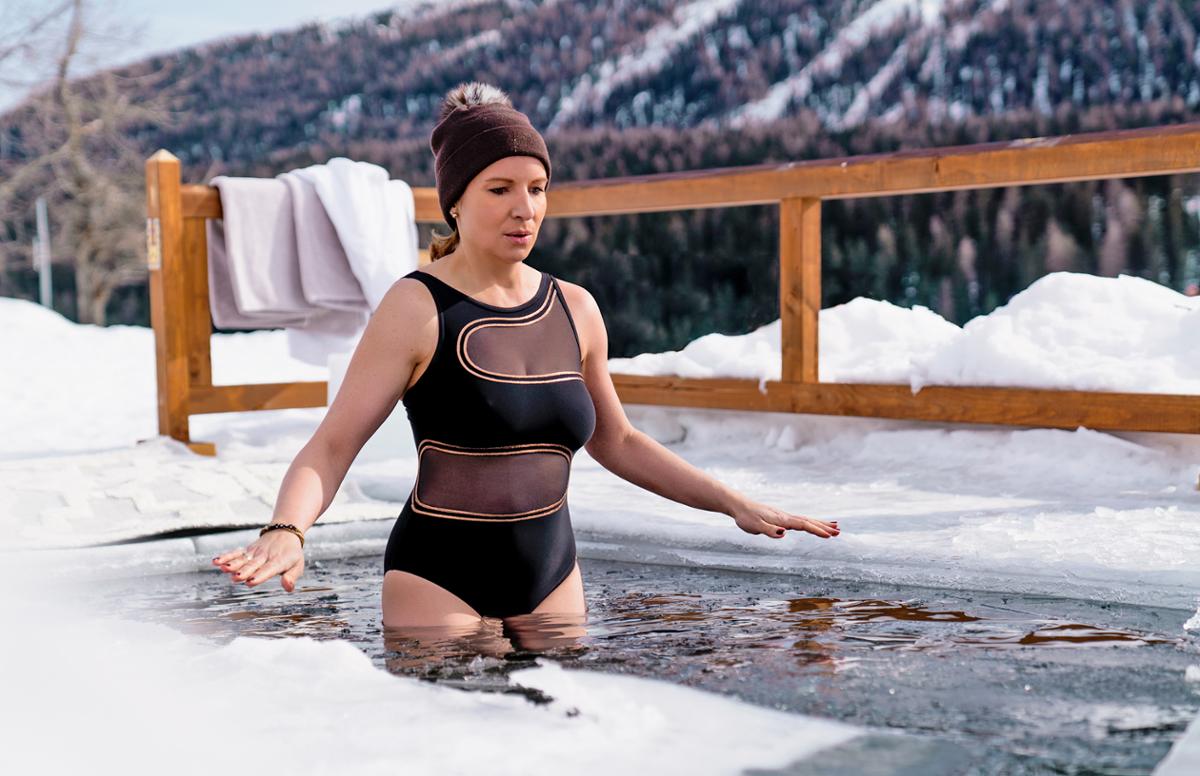
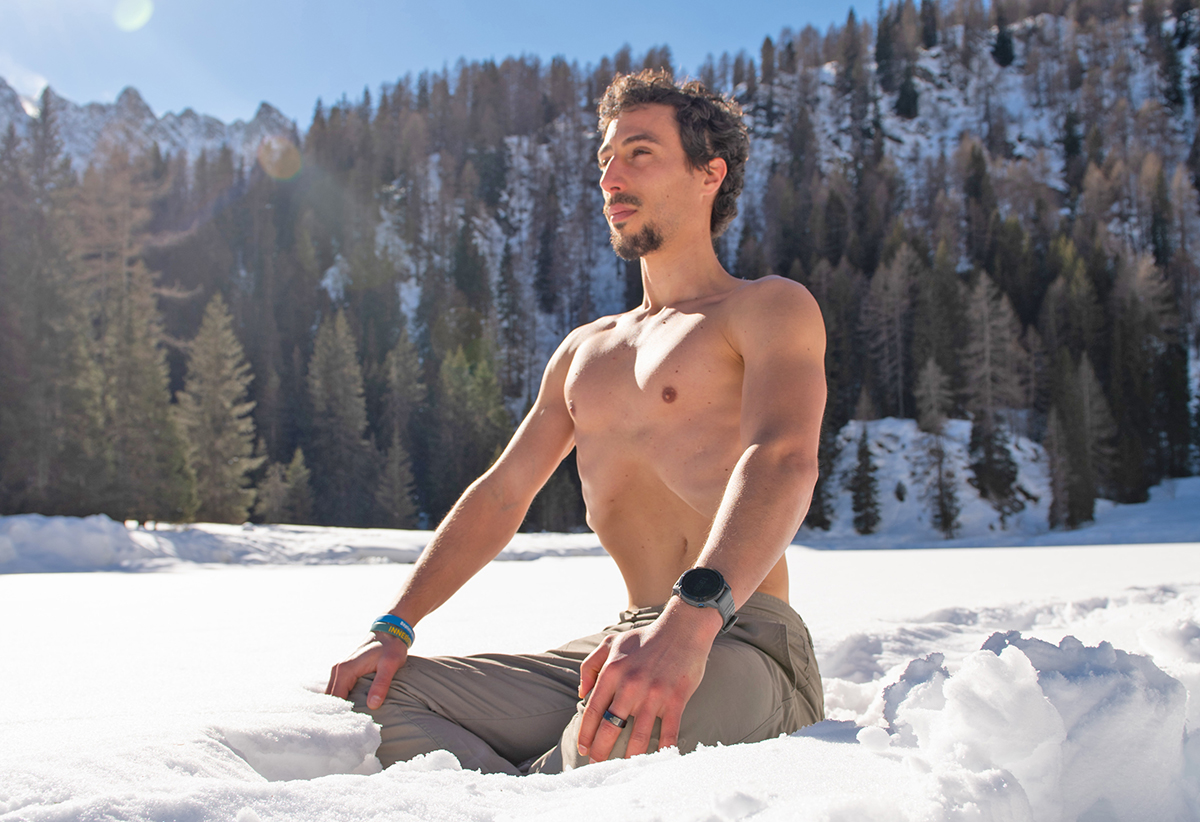
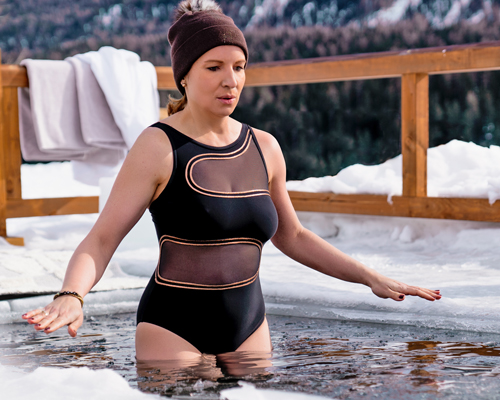
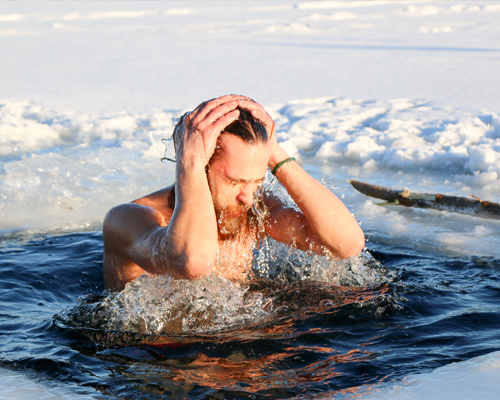
Stephanie Lehnort attended a Wim Hof Method course to create an ice bathing programme in Switzerland / photo: Carlton Hotel St Moritz
The reported benefits of cold water immersion (CWI), championed by the likes of ‘ice man’ Wim Hof, and a growing hunger for all things health-focused are driving a demand for extreme wellness.
It’s believed CWI can do everything from boosting the immune system and metabolism to improving cardiovascular health and sleep. Most recently, research also suggests that it has the potential to suppress tumours and reduce body fat (see p130).
From Marc Cohen’s Extreme Wellness retreats in New Zealand to Schloss Elmau in Germany, operators are offering CWI programmes themselves or partnering with specialists to deliver them – whether they include jumping into freezing lakes or braving icy plunge pools.
Experts, however, are warning that CWI carries a great risk if not done responsibly. For warm-blooded mammals like humans, it can potentially lead to respiratory, cardiovascular and, possibly, peripheral neurovascular injury. ‘Cold shock’, the most dangerous response, is caused by a rapid fall in skin temperature and includes gasping, hyperventilation, release of stress hormones, hypertension and arrhythmias.
A scientific paper, published in the British Journal of Sports Medicine* in September, outlines how to mitigate risks associated with CWI. These include taking a medical assessment before entering cold water, nominating a safety observer and entering the water slowly and gradually.
Michael Tipton, a professor of sport science at the University of Portsmouth, UK, co-led the study. He says: “This is a challenge that should not be undertaken casually; CWI is a major cause of accidental death internationally, but it is possible to reduce the risks to an extent.”
He’s hopeful the paper will act as a safety guide. But what specific advice does he and other experts have for spa and wellness operators? And what precautions are they already taking?
* Source: Tipton M, Massey H, Mayhew A, et al. Cold water therapies: minimising risks. British Journal of Sports Medicine. September 2022
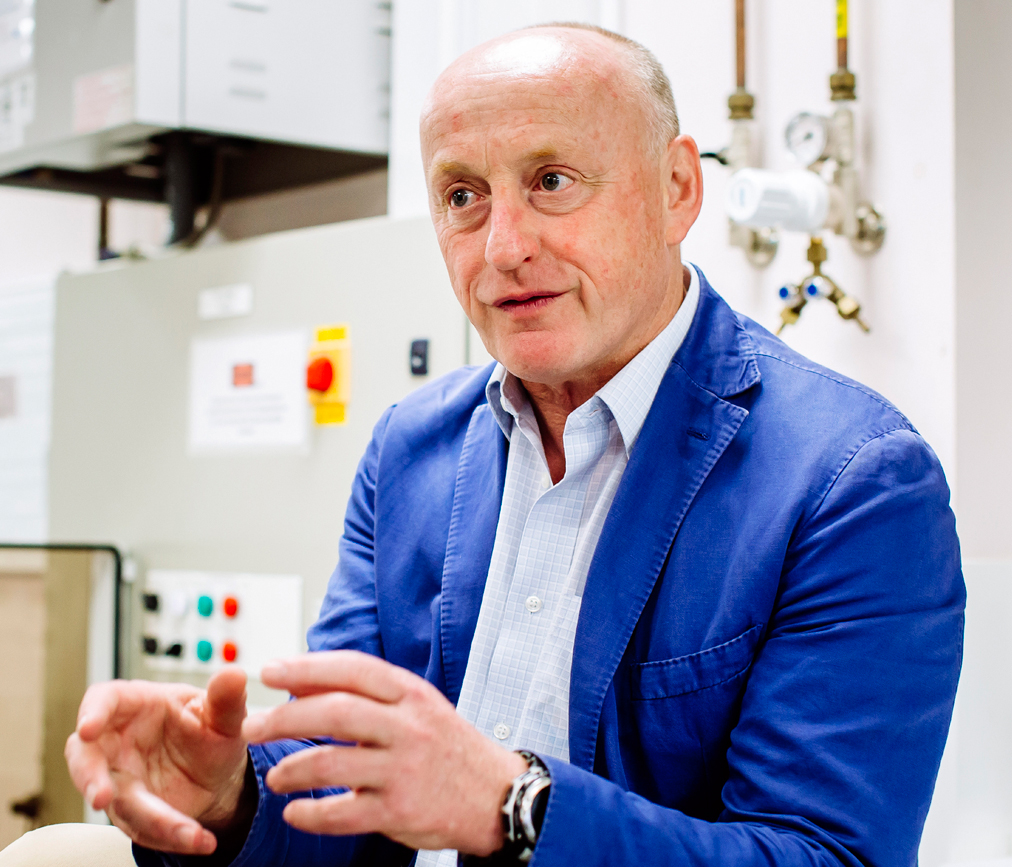
Mike Tipton
Professor of human and applied physiology, University of Portsmouth, UK
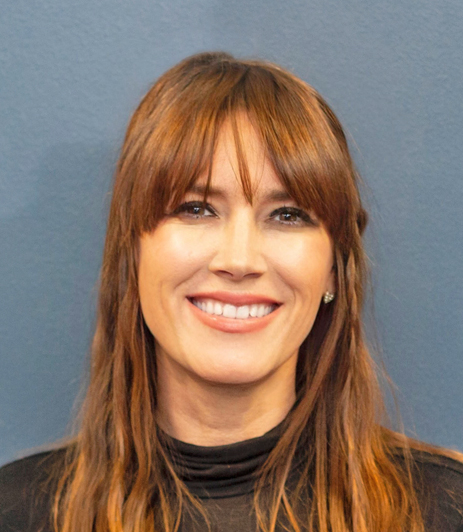
photo: Helen Yates
There are many anecdotal accounts of the physical and mental health benefits of cold water immersion (CWI) activities. In contrast, the scientific jury is still out with regard to the benefits and the underpinning mechanism; too few properly controlled studies have been completed and the findings are mixed.
One thing we are sure about is the potential risk associated with sudden immersion in cold water; in particular drowning and heart problems caused by the ‘cold shock’ response (CSR), evoked by rapid skin cooling on initial CWI. The uncontrollable breathing and sudden demand placed on the heart by the CSR account for about 60 per cent of the annual immersion deaths in the UK, so, it’s wise for spas to take some precautions before guests embark on CWI programmes.
They need to ensure participants have a medical check-up from their doctor to ensure they’re fit and healthy enough to expose themselves to the significant stress of CWI. Doctors should check if they have any relevant cardio-respiratory, peripheral vascular, neural or immune disorders that will be negatively affected by CWI, or are on any medications such as pro-arrhythmic drugs such as antihistamines that could increase the likelihood of a problem occurring.
If given the all-clear, people should only undertake CWI in safe places when supervised by a group with experience. It’s important they enter the water slowly, stay in their depth, only stay in for a few minutes (don’t just rely on how they feel). They should also avoid face immersion with breath holding.
In open water, swim parallel to the shore, wear luminous clothing and use a swim float and wetsuit if needed – and rewarm before driving.
These precautions should help minimise the risks and maximise any benefit of CWI.
People should only undertake CWI
in safe places when supervised
by a group with experience
Stephanie Lehnort
Co-director, Carlton Hotel St Moritz, Switzerland
photo: Carlton Hotel St Moritz
Ice bathing takes place in St Moritz lake directly in front of our property and is part of our signature Moving Mountains programme designed to restore vitality, reconnect with nature and celebrate joy.
We were one of the first hotels to offer ice bathing in St Moritz last winter and word spread very quickly in the village and among guests from other hotels, so we offered it a lot. The hour-long programme is free to hotel guests if it’s included in their stay or costs CHF150 (US$151, €155, £134) externally.
Moving Mountains is offered across the Tschuggen Collection’s four properties in Switzerland, but ours is the only one to offer CWI. We attended a special Wim Hof Method course for execution and guidance and take many precautions to avoid risks such as hypothermia and cold shock.
When registering, participants are asked about health problems – CWI isn’t suitable for people with cardiovascular disease and non-swimmers and should be avoided by people who have a cold or a weakened immune system – and fill out a waiver. We make sure they know what to expect and advise them to practise with alternating showers beforehand.
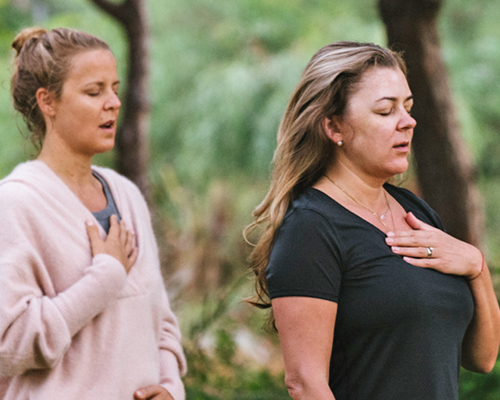
Our custom-made pool is cut into the ice so participants can easily get in and out of the water and descend into the deepest part at their own pace. Breathing meditation is performed five minutes before entering the ice hole and guests can take one or more dips.
All of this is overseen by a trained member of staff, such as myself or our fitness instructor and at least two accompanying people from the spa team. While one of them is leading the programme, the others are supervising those in and outside of the water – offering towels, blankets, hot tea, muesli bars, bananas, warm shoes, gloves and hats. A vehicle is available for the return transport.
We were one of the first hotels to offer
ice bathing in St Moritz last winter
Leo Pelagotti
Founder, Inspire Potential
Since the pandemic, my retreats and workshops, based on breathing techniques and CWI, have gained attention across Europe. Over the last seven years, I’ve guided about 7,000 people who are looking to improve immunity, stress management and learn to deal with the cold.
Personally, I do it to test my willpower, for mental focus, to strengthen my immune system and to give me an energy boost.
My courses take place mainly in nature (lakes, rivers, sea, waterfalls) in Italy and France, but sometimes in big cities (Milan, Florence and Paris) where I partner with hotels and spas with cold plunge pools, showers and warmer whirlpools and saunas.
The main risk comes from over-doing CWI when starting and not having proper knowledge about the timings – one minute in the water may be enough initially and building slowly up to staying in for two to three minutes for maximum benefit and safety.
It’s especially risky for people with cardiac conditions or pregnant women and if not done properly, hypothermia and frostbite are also a concern.
Until people know what they’re doing, it’s best to be guided by professionals who have learned by mistakes and through years of practice. I’m a yoga teacher, Animal Flow coach, Oxygen Advantage master instructor and also a Wim Hof Method instructor.
I’ve developed my own cold water programmes based on the Wim Hof Method as it places importance on safety, the theory and science of cold water exposure and human physiology.
The Wim Hof Method has a three-step protocol which involves learning how to do cold showers, ice baths and any other kind of CWI. The steps include preparation and concentration; relaxing once in the water; and then gaining back core body temperature once out. The participants on my course learn how to do this and then reproduce it correctly.
I’ve also developed specific movements and breathing exercises for warming up and avoiding extra cooling down when in the cold.
It’s especially risky for people with
cardiac conditions or pregnant
women. Hypothermia and
frostbite are also a concern
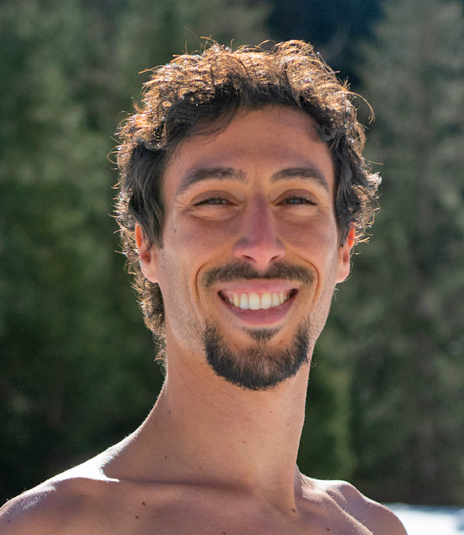
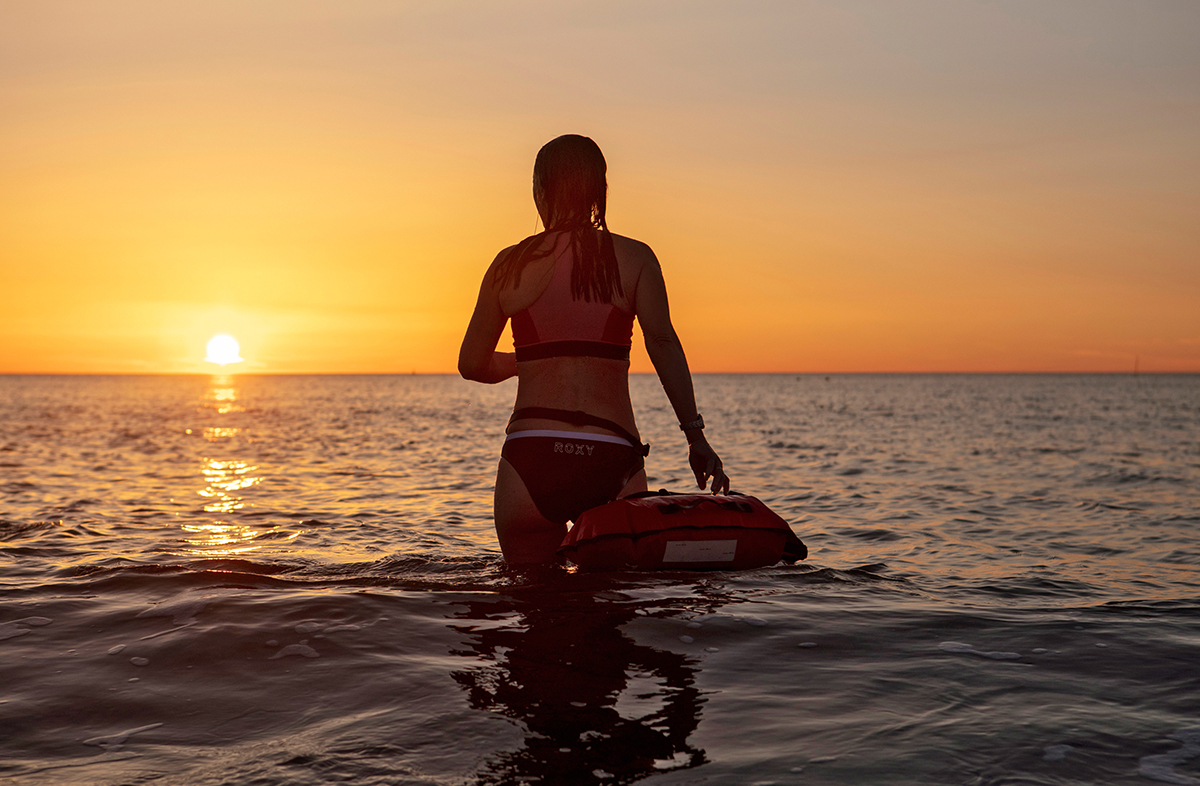
Pelagotti runs cold therapy programmes in Italy and France / photos: Inspire Potential
Hayley Dorian
Cold water therapy specialist; founder, XHayle
Safety is paramount when dealing with cold water exposure and was my top priority when I developed a series of workshops for Serenity Spa at Seaham Hall in the UK.
Risk mitigation starts pre-arrival with thorough checks and detailed preparation guidelines.
The 6.5-hour programme, which costs £155 (US$173, €178), focuses on the importance of breathwork and the power of the mind, as well as CWI. We look at the science behind them and practice specific techniques – such as exhaling for longer and how to reduce the perception of pain – that will help keep the mind and body relaxed when going into the cold, enabling participants to overcome the natural fight or flight response.
It’s important to enter the water slowly and to build up exposure time gradually. Participants are invited to stay in for up to two minutes, though this is completely optional.
Although the spa offers a comforting environment, some participants can take a little longer to warm up afterwards and there’s risk of an ‘after drop’ which can cause the body to shiver and feel cold to the core. This is prevented by sticking to the recommended exposure times and by warming the body up using slow, gentle movements in a way which generates heat from the thigh muscles. CV exercise which puts a strain on the heart is avoided.
As a cold water exposure coach, I carefully observe the participants and look for any signs of panic or adverse reactions. I hold an up-to-date first aid certificate and continually keep my knowledge current with the latest science relating to CWI.
If CWI is done under proper instruction, health risks can be minimised.
For the majority, this type of workshop is a fantastic way to improve mental and physical health and leave feeling empowered, happy and fulfilled.
For the majority, it’s a fantastic way to
improve mental and physical health
photo: Dan Prince
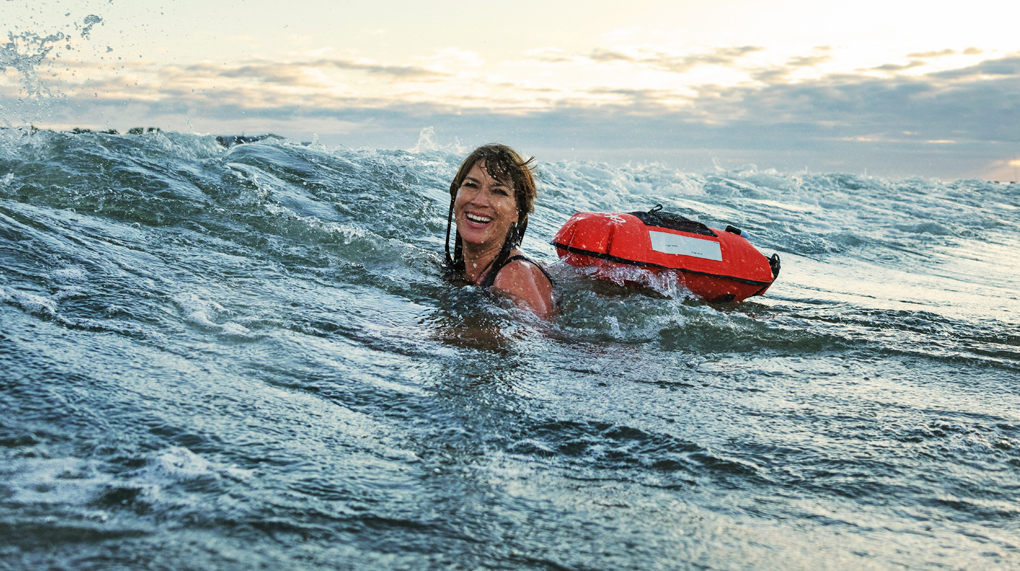
Dorian heads up the Wild Sea Women community and takes cold dips weekly / photo: Dan Prince
Read more from this issue of Spa Business magazine
Spa People: Marc Cohen
Leading medical, research, science and educational activities are all part of the new medical director’s role at the Peninsula Hot Springs Group in Australia
Menu engineering: At your service
Get inspired by the latest wellness services including a high-tech diagnostic circuit at SHA and a Zita West fertility programme at Bürgenstock
Interview: Stephan Wagner
As Saudi Arabia taps into tourism, the man heading up wellness at Amaala talks to Spa Business about what the major development is looking to bring to a previously undiscovered part of the Kingdom
Interview: Aradhana Khowala
The chair of the advisory board of the Red Sea – a Saudi development the size of Belgium – shares her passion for regenerative tourism with Spa Business
Sponsored: RKF: Dressed to impress
Following exciting new launches at Equip Hotel in Paris, including the new DresSoft line, RKF Luxury Linen is gearing up for an eco-friendly and fashion-conscious 2023
Everyone’s talking about...: Cold water immersion
A new scientific paper warns of the significant risk of cold water therapies. Spa Business investigates how operators can protect those taking part in extreme bathing programmes
Event report: Healing summit
Self-help and self-love were the key messages from this wellness event in Portugal, says Spa Business’ Lisa Starr
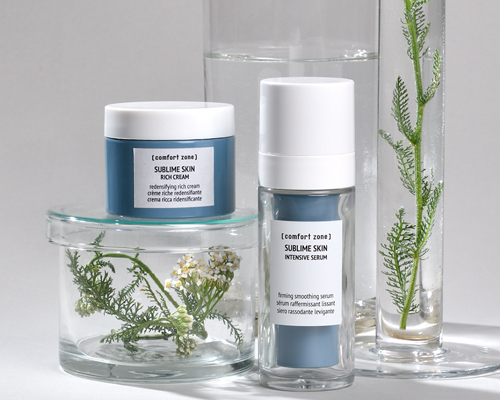
Sponsored: Comfort Zone: Effective by nature
Comfort Zone has revealed three new
products, including a new neck and
décolleté fluid, leveraging the power of
botanical bioactive extracts
Interview: Alex & Sue Glasscock
Editor-at-large, Jane Kitchen is put through her paces at The Ranch's new outpost in Palazzo Fiuggi, Italy and catches up with the owners
Event Report: Global Wellness Summit
The 16th annual GWS, held in Tel Aviv, Israel, homed in on the sector’s biggest issues following the pandemic. Spa Business reports on the highlights
Research: Wellness for all
A new study by the Global Wellness Institute provides a framework for businesses and governments to make healthy lifestyles accessible to all
Sponsored: TechnoAlpin Snowroom
The TechnoAlpin Snowroom made our Grand Aufguss Masters event extra special, says Robert Heinevetter
Finishing Touch: Cold call
Tumor suppression and boosting ‘good fat’ are two potential benefits of exposure to cool temperatures and swimming in icy waters, scientists reveal
A new scientific paper warns of the significant risk of cold water therapies.
What does this mean for spa operators offering extreme bathing programmes?
Stephanie Lehnort attended a Wim Hof Method course to create an ice bathing programme in Switzerland / photo: Carlton Hotel St Moritz
The reported benefits of cold water immersion (CWI), championed by the likes of ‘ice man’ Wim Hof, and a growing hunger for all things health-focused are driving a demand for extreme wellness.
It’s believed CWI can do everything from boosting the immune system and metabolism to improving cardiovascular health and sleep. Most recently, research also suggests that it has the potential to suppress tumours and reduce body fat (see p130).
From Marc Cohen’s Extreme Wellness retreats in New Zealand to Schloss Elmau in Germany, operators are offering CWI programmes themselves or partnering with specialists to deliver them – whether they include jumping into freezing lakes or braving icy plunge pools.
Experts, however, are warning that CWI carries a great risk if not done responsibly. For warm-blooded mammals like humans, it can potentially lead to respiratory, cardiovascular and, possibly, peripheral neurovascular injury. ‘Cold shock’, the most dangerous response, is caused by a rapid fall in skin temperature and includes gasping, hyperventilation, release of stress hormones, hypertension and arrhythmias.
A scientific paper, published in the British Journal of Sports Medicine* in September, outlines how to mitigate risks associated with CWI. These include taking a medical assessment before entering cold water, nominating a safety observer and entering the water slowly and gradually.
Michael Tipton, a professor of sport science at the University of Portsmouth, UK, co-led the study. He says: “This is a challenge that should not be undertaken casually; CWI is a major cause of accidental death internationally, but it is possible to reduce the risks to an extent.”
He’s hopeful the paper will act as a safety guide. But what specific advice does he and other experts have for spa and wellness operators? And what precautions are they already taking?
* Source: Tipton M, Massey H, Mayhew A, et al. Cold water therapies: minimising risks. British Journal of Sports Medicine. September 2022
Mike Tipton
Professor of human and applied physiology, University of Portsmouth, UK
photo: Helen Yates
There are many anecdotal accounts of the physical and mental health benefits of cold water immersion (CWI) activities. In contrast, the scientific jury is still out with regard to the benefits and the underpinning mechanism; too few properly controlled studies have been completed and the findings are mixed.
One thing we are sure about is the potential risk associated with sudden immersion in cold water; in particular drowning and heart problems caused by the ‘cold shock’ response (CSR), evoked by rapid skin cooling on initial CWI. The uncontrollable breathing and sudden demand placed on the heart by the CSR account for about 60 per cent of the annual immersion deaths in the UK, so, it’s wise for spas to take some precautions before guests embark on CWI programmes.
They need to ensure participants have a medical check-up from their doctor to ensure they’re fit and healthy enough to expose themselves to the significant stress of CWI. Doctors should check if they have any relevant cardio-respiratory, peripheral vascular, neural or immune disorders that will be negatively affected by CWI, or are on any medications such as pro-arrhythmic drugs such as antihistamines that could increase the likelihood of a problem occurring.
If given the all-clear, people should only undertake CWI in safe places when supervised by a group with experience. It’s important they enter the water slowly, stay in their depth, only stay in for a few minutes (don’t just rely on how they feel). They should also avoid face immersion with breath holding.
In open water, swim parallel to the shore, wear luminous clothing and use a swim float and wetsuit if needed – and rewarm before driving.
These precautions should help minimise the risks and maximise any benefit of CWI.
People should only undertake CWI
in safe places when supervised
by a group with experience
Stephanie Lehnort
Co-director, Carlton Hotel St Moritz, Switzerland
photo: Carlton Hotel St Moritz
Ice bathing takes place in St Moritz lake directly in front of our property and is part of our signature Moving Mountains programme designed to restore vitality, reconnect with nature and celebrate joy.
We were one of the first hotels to offer ice bathing in St Moritz last winter and word spread very quickly in the village and among guests from other hotels, so we offered it a lot. The hour-long programme is free to hotel guests if it’s included in their stay or costs CHF150 (US$151, €155, £134) externally.
Moving Mountains is offered across the Tschuggen Collection’s four properties in Switzerland, but ours is the only one to offer CWI. We attended a special Wim Hof Method course for execution and guidance and take many precautions to avoid risks such as hypothermia and cold shock.
When registering, participants are asked about health problems – CWI isn’t suitable for people with cardiovascular disease and non-swimmers and should be avoided by people who have a cold or a weakened immune system – and fill out a waiver. We make sure they know what to expect and advise them to practise with alternating showers beforehand.
Our custom-made pool is cut into the ice so participants can easily get in and out of the water and descend into the deepest part at their own pace. Breathing meditation is performed five minutes before entering the ice hole and guests can take one or more dips.
All of this is overseen by a trained member of staff, such as myself or our fitness instructor and at least two accompanying people from the spa team. While one of them is leading the programme, the others are supervising those in and outside of the water – offering towels, blankets, hot tea, muesli bars, bananas, warm shoes, gloves and hats. A vehicle is available for the return transport.
We were one of the first hotels to offer
ice bathing in St Moritz last winter
Leo Pelagotti
Founder, Inspire Potential
Since the pandemic, my retreats and workshops, based on breathing techniques and CWI, have gained attention across Europe. Over the last seven years, I’ve guided about 7,000 people who are looking to improve immunity, stress management and learn to deal with the cold.
Personally, I do it to test my willpower, for mental focus, to strengthen my immune system and to give me an energy boost.
My courses take place mainly in nature (lakes, rivers, sea, waterfalls) in Italy and France, but sometimes in big cities (Milan, Florence and Paris) where I partner with hotels and spas with cold plunge pools, showers and warmer whirlpools and saunas.
The main risk comes from over-doing CWI when starting and not having proper knowledge about the timings – one minute in the water may be enough initially and building slowly up to staying in for two to three minutes for maximum benefit and safety.
It’s especially risky for people with cardiac conditions or pregnant women and if not done properly, hypothermia and frostbite are also a concern.
Until people know what they’re doing, it’s best to be guided by professionals who have learned by mistakes and through years of practice. I’m a yoga teacher, Animal Flow coach, Oxygen Advantage master instructor and also a Wim Hof Method instructor.
I’ve developed my own cold water programmes based on the Wim Hof Method as it places importance on safety, the theory and science of cold water exposure and human physiology.
The Wim Hof Method has a three-step protocol which involves learning how to do cold showers, ice baths and any other kind of CWI. The steps include preparation and concentration; relaxing once in the water; and then gaining back core body temperature once out. The participants on my course learn how to do this and then reproduce it correctly.
I’ve also developed specific movements and breathing exercises for warming up and avoiding extra cooling down when in the cold.
It’s especially risky for people with
cardiac conditions or pregnant
women. Hypothermia and
frostbite are also a concern
Pelagotti runs cold therapy programmes in Italy and France / photos: Inspire Potential
Hayley Dorian
Cold water therapy specialist; founder, XHayle
Safety is paramount when dealing with cold water exposure and was my top priority when I developed a series of workshops for Serenity Spa at Seaham Hall in the UK.
Risk mitigation starts pre-arrival with thorough checks and detailed preparation guidelines.
The 6.5-hour programme, which costs £155 (US$173, €178), focuses on the importance of breathwork and the power of the mind, as well as CWI. We look at the science behind them and practice specific techniques – such as exhaling for longer and how to reduce the perception of pain – that will help keep the mind and body relaxed when going into the cold, enabling participants to overcome the natural fight or flight response.
It’s important to enter the water slowly and to build up exposure time gradually. Participants are invited to stay in for up to two minutes, though this is completely optional.
Although the spa offers a comforting environment, some participants can take a little longer to warm up afterwards and there’s risk of an ‘after drop’ which can cause the body to shiver and feel cold to the core. This is prevented by sticking to the recommended exposure times and by warming the body up using slow, gentle movements in a way which generates heat from the thigh muscles. CV exercise which puts a strain on the heart is avoided.
As a cold water exposure coach, I carefully observe the participants and look for any signs of panic or adverse reactions. I hold an up-to-date first aid certificate and continually keep my knowledge current with the latest science relating to CWI.
If CWI is done under proper instruction, health risks can be minimised.
For the majority, this type of workshop is a fantastic way to improve mental and physical health and leave feeling empowered, happy and fulfilled.
For the majority, it’s a fantastic way to
improve mental and physical health
photo: Dan Prince
Dorian heads up the Wild Sea Women community and takes cold dips weekly / photo: Dan Prince
Read more from this issue of Spa Business magazine
Spa People: Marc Cohen
Leading medical, research, science and educational activities are all part of the new medical director’s role at the Peninsula Hot Springs Group in Australia
Menu engineering: At your service
Get inspired by the latest wellness services including a high-tech diagnostic circuit at SHA and a Zita West fertility programme at Bürgenstock
Interview: Stephan Wagner
As Saudi Arabia taps into tourism, the man heading up wellness at Amaala talks to Spa Business about what the major development is looking to bring to a previously undiscovered part of the Kingdom
Interview: Aradhana Khowala
The chair of the advisory board of the Red Sea – a Saudi development the size of Belgium – shares her passion for regenerative tourism with Spa Business
Sponsored: RKF: Dressed to impress
Following exciting new launches at Equip Hotel in Paris, including the new DresSoft line, RKF Luxury Linen is gearing up for an eco-friendly and fashion-conscious 2023
Everyone’s talking about...: Cold water immersion
A new scientific paper warns of the significant risk of cold water therapies. Spa Business investigates how operators can protect those taking part in extreme bathing programmes
Event report: Healing summit
Self-help and self-love were the key messages from this wellness event in Portugal, says Spa Business’ Lisa Starr
Sponsored: Comfort Zone: Effective by nature
Comfort Zone has revealed three new
products, including a new neck and
décolleté fluid, leveraging the power of
botanical bioactive extracts
Interview: Alex & Sue Glasscock
Editor-at-large, Jane Kitchen is put through her paces at The Ranch's new outpost in Palazzo Fiuggi, Italy and catches up with the owners
Event Report: Global Wellness Summit
The 16th annual GWS, held in Tel Aviv, Israel, homed in on the sector’s biggest issues following the pandemic. Spa Business reports on the highlights
Research: Wellness for all
A new study by the Global Wellness Institute provides a framework for businesses and governments to make healthy lifestyles accessible to all
Sponsored: TechnoAlpin Snowroom
The TechnoAlpin Snowroom made our Grand Aufguss Masters event extra special, says Robert Heinevetter
Finishing Touch: Cold call
Tumor suppression and boosting ‘good fat’ are two potential benefits of exposure to cool temperatures and swimming in icy waters, scientists reveal
A new survey of UK and international spa practitioners shows that stress, burnout and
wellbeing concerns have caused one in three respondents to consider leaving the industry.
The UK's four Chief Medical Officers have published a refreshed edition of Physical activity
guidelines: UK Chief Medical Officers' report, updating the evidence that underpins the nation's
physical activity recommendations and placing greater emphasis on strength, balance, reducing
sedentary behaviour and, for the first time, supporting people taking weight loss medications.
Anna Bjurstam has left her role as Wellness Pioneer at Six Senses Hotels and Resorts and
launched a new wellness, longevity and “consciousness consultancy” called Wahayla.
Fairmont Cheshire, The Mere, has opened today (10 July) in the Northwest of England
with a
1,715sq m Fairmont Spa that has been designed using a ‘Wellness without Walls’
concept.
Wellness hotels generating less than US$1 million (€932,700, £785,200) – or 10 per cent of
total revenue from wellness and leisure – recorded the strongest RevPAR and TRevPAR growth
in 2025 across categories when compared with 2024, according to the latest Wellness Real
Estate Report by RLA Global, produced in partnership with P and L benchmarking firm HotStats.
Lefay Resorts, the portfolio of two luxury wellness properties in Italy, has added emotional
dance classes and group cold plunge sessions in response to market demand for social
connection.
Aditya Saluja, an industry leader in luxury wellness hospitality, has been
appointed as
commercial director of spa and wellness for the spa management division of
Minor Hotels,
MSpa International.