Latest
issue
Uniting the world of spa & wellness
Get Spa Business and Spa Business insider digital magazines FREE
Sign up here ▸
News   Features   Products   Company profilesProfiles   Press releasesProfiles   Magazine   Handbook   Advertise    Subscribe  
NEWS
Active adults maintained their exercise habits during 2020, but 710,000 more people became inactive
POSTED 30 Apr 2021 . BY Tom Walker
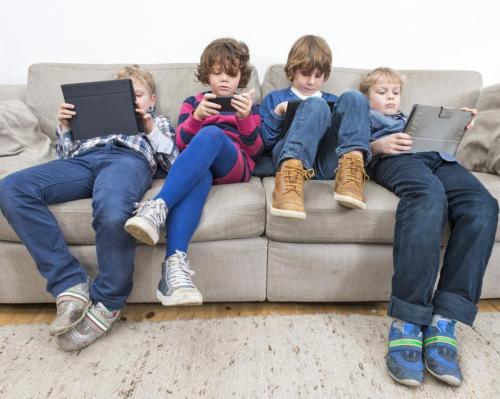
The pandemic has caused people to change their exercise habits Credit: Shutterstock/fizkes
Sport England has published its latest Active Lives Adult Survey
Most physically active adults in England have maintained their exercise habits during the pandemic
But there has been a drop of 710,000 in the number of people classed as "active"
Detail in the report reveals that activity levels were hit hardest during the initial phase of the pandemic
Sport England has reported a drop of 710,000 in the number of people classed as active in England during 2020.

In total, more than a quarter of England's adult population (27.1 per cent) is now classed as physically inactive, ie, those undertaking less than 30 minutes of exercise each week.

In spite of this, the good news is that most adults who are classed as physically active maintained their exercise habits during lockdown.

The figures come from Sport England's latest Active Lives Adult Survey, which also shows that there has been a worrying increase in the number of people who are inactive.

Data in the report reveals that activity levels were hit hardest during the initial phase of the pandemic – the national lockdown between mid-March and mid-May 2020 – when the proportion of the population classed as physically active fell by 7.1 per cent (or more than 3m adults).

During the second phase, as restrictions were eased, activity levels were still down, compared to 2019, but the reductions were smaller. There were 4.4 per cent (2.0m) fewer active adults from mid-May to mid-July 2020, and 3.1 per cent (1.4m) fewer active adults from mid-July to mid-September.

In the third phase of the pandemic, as new restrictions were imposed – but before the full impact of the new national lockdown in November was felt – activity levels decreased by 1.8 per cent and there were 810,000 fewer active adults than in 2019.

The fall in activity more than double in lower socio-economic groups (-2.1 per cent) than those from higher groups (-0.9 per cent) – White British activity levels fell by 1.5 per cent, while Black and Asian fell by 4.5 per cent.

There were patterns in the way that different groups and demographics responded to the easing of restrictions, however, with women less likely to return to activity than men.

Tim Hollingsworth, CEO, Sport England, said: "We know the pandemic has had a huge impact on people’s ability to engage in sport and physical activity, but the reality is it could have been worse.

"It's encouraging to see in the survey that so many still found ways to be active despite the majority of opportunities being unavailable or severely restricted.  

"The response of the sector has been remarkable, and I pay tribute to everyone who has worked so hard to keep sport and physical activity going despite the most challenging situation of our lifetime.

"However, today’s report has also reminded us that not everyone has been impacted equally and we owe it to the groups disproportionately affected – women, young people, disabled people, people with a long-term health condition, and those from a Black or Asian background in particular – to do everything we can to help them to return to activity in the coming weeks and months.

"In particular, the decline in activity levels in the 16-24 age group is of major concern - helping and inspiring young people to re-engage with sport and physical activity has now to be a number one priority not just for Sport England but for us all."

Responding to the publication of the report, Huw Edwards, ukactive CEO, told HCM: "The drop in physical activity levels during a period of restricted opportunities for exercise is no surprise, coming at a time when gyms, pools and leisure centres were closed for five months out of 12.

“Fitness and leisure facilities are essential for our nation’s health, forming a vital part of our activity ecosystem, which is evidenced by the impact of their closure, particularly on vulnerable groups such as older adults, ethnic minorities, people with long-term conditions, and those from lower socio-economic backgrounds.

“Reopening these facilities on 12 April was an important step, signalled by the safe return of millions of people to their local clubs and centres. The return of exercise classes on 17 May is the next milestone in our nation’s physical and mental recovery, especially given their popularity among women, who make up 76% of participants.

“However, it is vital the Government recognises the difference between being open and staying open, with fitness and leisure facilities continuing to operate in a restricted capacity due to the safety measures in place.

“Our sector’s ability to survive and then develop to play its fullest role depends on its financial viability but the level of bespoke support has been insufficient to date.

“The Spring Budget failed to deliver support on VAT relief for our sector or to extend the National Leisure Recovery Fund, which was an oversight from the Government. The longer this admission remains unaddressed, the more likely that market failure will lead to more closures across the whole sector.

“These closures mean communities will not be able to access their facilities once again, however, this time it will be through a failure to provide sufficient financial support.
“Further closures will have the greatest impact on the vulnerable in our society, threatening their physical, mental and social wellbeing.

“The Government needs to move with energy and urgency to address this and support the sector that is once again showing it is the nation’s engine room of physical activity.”

RELATED STORIES
  COVID-19: majority of children now fail to meet recommended exercise levels


Less than half (44.9 per cent) of children and young people in England met the recommended levels for exercise (60 minutes or more a day) during 2020.
  House of Lords committee to scrutinise UK government's record on increasing participation in physical activity


The House of Lords' 'National Plan for Sport and Recreation committee' has invited sporting organisations and members of the public in the UK, to provide their views on how to tackle the barriers which prevent people from taking part in sport and physical activity, as part of an inquiry into the government's performance in relation to participation.
  Parliamentary debate will happen on Monday 23 November, as UK gyms are threatened with January lockdown


UK Parliament will debate COVID-19 restrictions on gyms and leisure centres on Monday 23 November, it has been confirmed.
MORE NEWS
Barons Eden rebrands to Hiddenwell ahead of spa hotel portfolio expansion
Barons Eden, the UK parent company that operates luxury destination properties in England, has rebranded to become Hiddenwell.
Belgin Aksoy marks 15 years of Global Wellness Day
Global Wellness Day (GWD) marked its 15th anniversary on Saturday 13 June 2026, with the theme: #JoyMagenta – a celebration of the healing qualities of simple gestures and activities that spark joy.
HUM2N launches longevity clinic at Six Senses London
Global luxury hospitality brand, Six Senses, has partnered with longevity healthcare provider, HUM2N, to launch a clinic at Six Senses London, at The Whiteley.
Mayrlife opens first hotel day clinic in partnership with Rosewood Vienna
As part of its first hotel partnership, Mayrlife – the medical health resort company known for its site in Altaussee, Austria – has launched a day clinic at the Rosewood Vienna.
+ More news   

FEATURED SUPPLIERS

Why future-ready in-house laundry is the new luxury spa essential
In today’s premium spa environment, every detail shapes the guest experience – right down to the softness of towels and the freshness of linens. [more...]

Meet Desert Therapy: Aromatherapy Associates' first new blend in seven years
There is a particular quality of stillness found only in the desert. [more...]
+ More featured suppliers  
COMPANY PROFILES
Nilo Spa Design

Nilo SPA Design, part of the Maletti group, has led the Beauty & Wellness sector for over 35 years p [more...]
Wellhub

Wellhub (formerly Gympass) is the world’s leading corporate wellness platform, trusted by 70,000+ [more...]
+ More profiles  
CATALOGUE GALLERY
 

+ More catalogues  

DIRECTORY
+ More directory  
DIARY


21-23 Jun 2026

Spa Life International (UK)

Midlands (Venue TBA), Liphook, United Kingdom
22-22 Jun 2026

World Bathing Day

Worldwide,
+ More diary  
 
ABOUT LEISURE MEDIA
LEISURE MEDIA MAGAZINES
LEISURE MEDIA HANDBOOKS
LEISURE MEDIA WEBSITES
LEISURE MEDIA PRODUCT SEARCH
 
SPA BUSINESS
SPA OPPORTUNITIES
SPA BUSINESS HANDBOOK
PRINT SUBSCRIPTIONS
FREE DIGITAL SUBSCRIPTIONS
ADVERTISE . CONTACT US

Leisure Media
Tel: +44 (0)1462 431385

©Cybertrek 2026
Uniting the world of spa & wellness
Get Spa Business and Spa Business insider digital magazines FREE
Sign up here ▸
News   Products   Magazine   Subscribe
NEWS
Active adults maintained their exercise habits during 2020, but 710,000 more people became inactive
POSTED 30 Apr 2021 . BY Tom Walker
The pandemic has caused people to change their exercise habits Credit: Shutterstock/fizkes
Sport England has published its latest Active Lives Adult Survey
Most physically active adults in England have maintained their exercise habits during the pandemic
But there has been a drop of 710,000 in the number of people classed as "active"
Detail in the report reveals that activity levels were hit hardest during the initial phase of the pandemic
Sport England has reported a drop of 710,000 in the number of people classed as active in England during 2020.

In total, more than a quarter of England's adult population (27.1 per cent) is now classed as physically inactive, ie, those undertaking less than 30 minutes of exercise each week.

In spite of this, the good news is that most adults who are classed as physically active maintained their exercise habits during lockdown.

The figures come from Sport England's latest Active Lives Adult Survey, which also shows that there has been a worrying increase in the number of people who are inactive.

Data in the report reveals that activity levels were hit hardest during the initial phase of the pandemic – the national lockdown between mid-March and mid-May 2020 – when the proportion of the population classed as physically active fell by 7.1 per cent (or more than 3m adults).

During the second phase, as restrictions were eased, activity levels were still down, compared to 2019, but the reductions were smaller. There were 4.4 per cent (2.0m) fewer active adults from mid-May to mid-July 2020, and 3.1 per cent (1.4m) fewer active adults from mid-July to mid-September.

In the third phase of the pandemic, as new restrictions were imposed – but before the full impact of the new national lockdown in November was felt – activity levels decreased by 1.8 per cent and there were 810,000 fewer active adults than in 2019.

The fall in activity more than double in lower socio-economic groups (-2.1 per cent) than those from higher groups (-0.9 per cent) – White British activity levels fell by 1.5 per cent, while Black and Asian fell by 4.5 per cent.

There were patterns in the way that different groups and demographics responded to the easing of restrictions, however, with women less likely to return to activity than men.

Tim Hollingsworth, CEO, Sport England, said: "We know the pandemic has had a huge impact on people’s ability to engage in sport and physical activity, but the reality is it could have been worse.

"It's encouraging to see in the survey that so many still found ways to be active despite the majority of opportunities being unavailable or severely restricted.  

"The response of the sector has been remarkable, and I pay tribute to everyone who has worked so hard to keep sport and physical activity going despite the most challenging situation of our lifetime.

"However, today’s report has also reminded us that not everyone has been impacted equally and we owe it to the groups disproportionately affected – women, young people, disabled people, people with a long-term health condition, and those from a Black or Asian background in particular – to do everything we can to help them to return to activity in the coming weeks and months.

"In particular, the decline in activity levels in the 16-24 age group is of major concern - helping and inspiring young people to re-engage with sport and physical activity has now to be a number one priority not just for Sport England but for us all."

Responding to the publication of the report, Huw Edwards, ukactive CEO, told HCM: "The drop in physical activity levels during a period of restricted opportunities for exercise is no surprise, coming at a time when gyms, pools and leisure centres were closed for five months out of 12.

“Fitness and leisure facilities are essential for our nation’s health, forming a vital part of our activity ecosystem, which is evidenced by the impact of their closure, particularly on vulnerable groups such as older adults, ethnic minorities, people with long-term conditions, and those from lower socio-economic backgrounds.

“Reopening these facilities on 12 April was an important step, signalled by the safe return of millions of people to their local clubs and centres. The return of exercise classes on 17 May is the next milestone in our nation’s physical and mental recovery, especially given their popularity among women, who make up 76% of participants.

“However, it is vital the Government recognises the difference between being open and staying open, with fitness and leisure facilities continuing to operate in a restricted capacity due to the safety measures in place.

“Our sector’s ability to survive and then develop to play its fullest role depends on its financial viability but the level of bespoke support has been insufficient to date.

“The Spring Budget failed to deliver support on VAT relief for our sector or to extend the National Leisure Recovery Fund, which was an oversight from the Government. The longer this admission remains unaddressed, the more likely that market failure will lead to more closures across the whole sector.

“These closures mean communities will not be able to access their facilities once again, however, this time it will be through a failure to provide sufficient financial support.
“Further closures will have the greatest impact on the vulnerable in our society, threatening their physical, mental and social wellbeing.

“The Government needs to move with energy and urgency to address this and support the sector that is once again showing it is the nation’s engine room of physical activity.”

RELATED STORIES
COVID-19: majority of children now fail to meet recommended exercise levels


Less than half (44.9 per cent) of children and young people in England met the recommended levels for exercise (60 minutes or more a day) during 2020.
House of Lords committee to scrutinise UK government's record on increasing participation in physical activity


The House of Lords' 'National Plan for Sport and Recreation committee' has invited sporting organisations and members of the public in the UK, to provide their views on how to tackle the barriers which prevent people from taking part in sport and physical activity, as part of an inquiry into the government's performance in relation to participation.
Parliamentary debate will happen on Monday 23 November, as UK gyms are threatened with January lockdown


UK Parliament will debate COVID-19 restrictions on gyms and leisure centres on Monday 23 November, it has been confirmed.
MORE NEWS
Barons Eden rebrands to Hiddenwell ahead of spa hotel portfolio expansion
Barons Eden, the UK parent company that operates luxury destination properties in England, has rebranded to become Hiddenwell.
Belgin Aksoy marks 15 years of Global Wellness Day
Global Wellness Day (GWD) marked its 15th anniversary on Saturday 13 June 2026, with the theme: #JoyMagenta – a celebration of the healing qualities of simple gestures and activities that spark joy.
HUM2N launches longevity clinic at Six Senses London
Global luxury hospitality brand, Six Senses, has partnered with longevity healthcare provider, HUM2N, to launch a clinic at Six Senses London, at The Whiteley.
Mayrlife opens first hotel day clinic in partnership with Rosewood Vienna
As part of its first hotel partnership, Mayrlife – the medical health resort company known for its site in Altaussee, Austria – has launched a day clinic at the Rosewood Vienna.
KX Chelsea invests £15 million to upgrade its wellness offering
Premium London health club, KX Chelsea, will imminently unveil its most significant redevelopment since its launch in 2002 to create an integrated wellness model combining training, recovery and relaxation.
Rosewood Le Guanahani St Barth offers ocean-themed yoga for Global Wellness Day
Rosewood Le Guanahani St Barth, on the northeast coast of Saint Barthélemy in the French West Indies, is offering a programme of ocean-inspired yoga classes between 8-14 June to celebrate Global Wellness Day (GWD).
+ More news   
 
FEATURED SUPPLIERS

Why future-ready in-house laundry is the new luxury spa essential
In today’s premium spa environment, every detail shapes the guest experience – right down to the softness of towels and the freshness of linens. [more...]

Meet Desert Therapy: Aromatherapy Associates' first new blend in seven years
There is a particular quality of stillness found only in the desert. [more...]
+ More featured suppliers  
COMPANY PROFILES
Nilo Spa Design

Nilo SPA Design, part of the Maletti group, has led the Beauty & Wellness sector for over 35 years p [more...]
+ More profiles  
CATALOGUE GALLERY
+ More catalogues  

DIRECTORY
+ More directory  
DIARY


21-23 Jun 2026

Spa Life International (UK)

Midlands (Venue TBA), Liphook, United Kingdom
22-22 Jun 2026

World Bathing Day

Worldwide,
+ More diary  


ADVERTISE . CONTACT US

Leisure Media
Tel: +44 (0)1462 431385

©Cybertrek 2026

ABOUT LEISURE MEDIA
LEISURE MEDIA MAGAZINES
LEISURE MEDIA HANDBOOKS
LEISURE MEDIA WEBSITES
LEISURE MEDIA PRODUCT SEARCH
PRINT SUBSCRIPTIONS
FREE DIGITAL SUBSCRIPTIONS