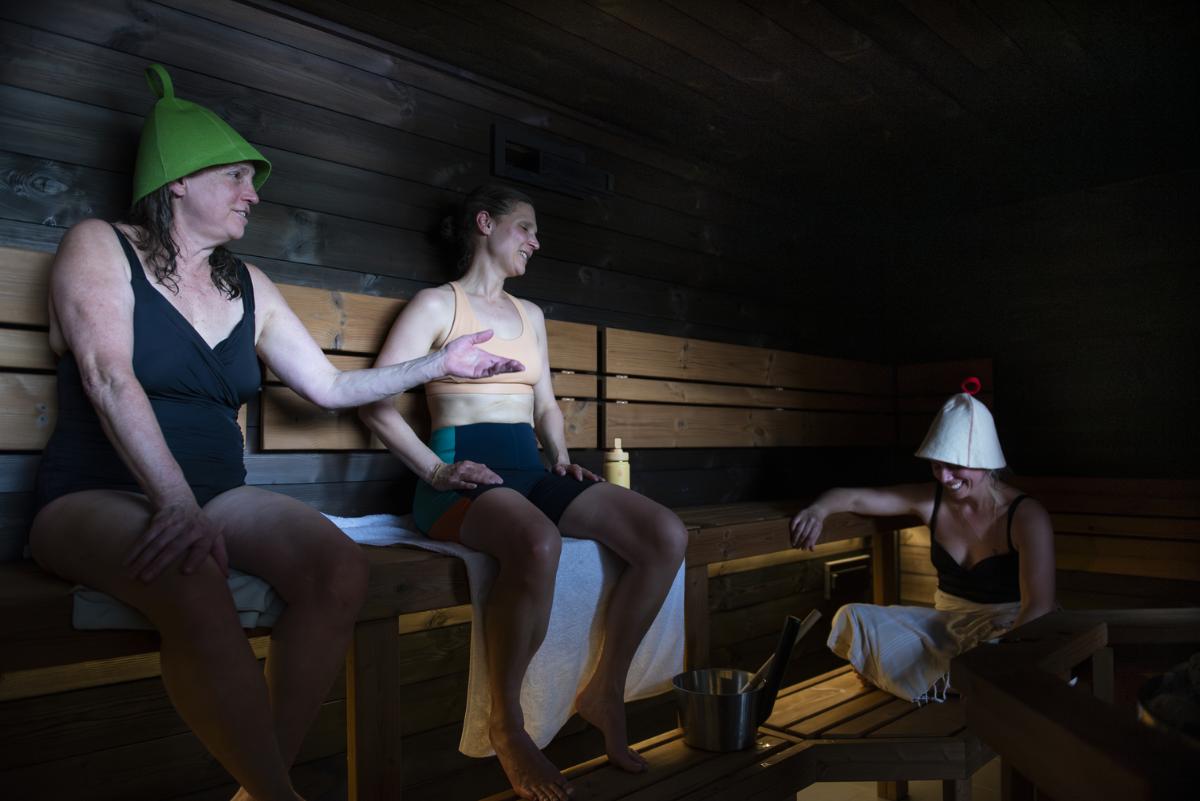
The draft of the new charter was unveiled at the World Sauna Forum in June
The charter will be signed by a body of sauna practitioners that will be called the Public Sauna Alliance
The charter does not follow one singular sauna culture and can be translated globally
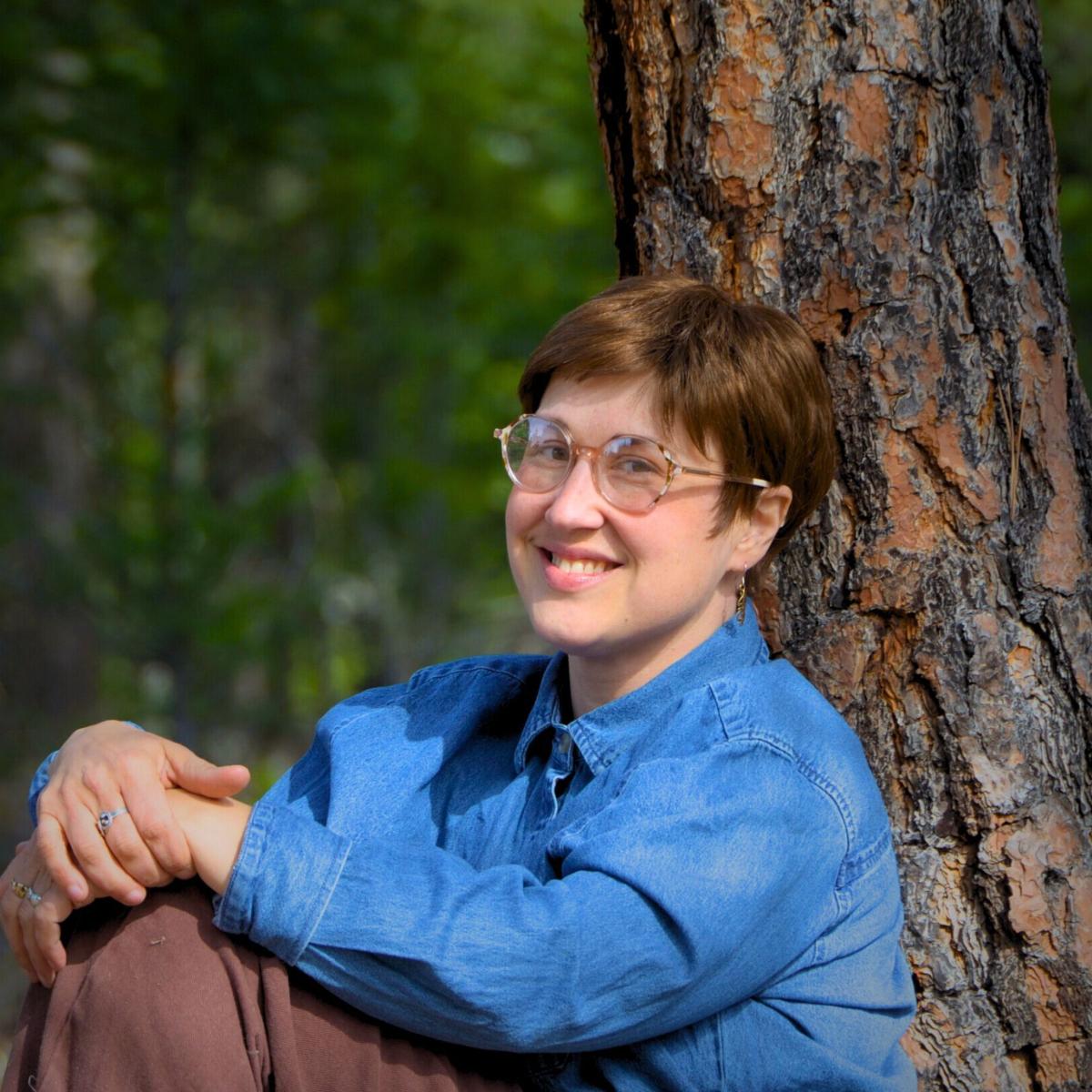
Becky Pelkonen, the sauna advocate and researcher, has unveiled the draft of a global public sauna-bathing charter.
The ten guiding principles form the foundation for people building, running and championing public sauna-bathing.
The draft, which was first unveiled at the World Sauna Forum between 9 and 11 June 2026, emphasises the importance of sauna-bathing for public good, a means of providing shared social infrastructure built on equality, providing local benefits and cultural depth and where access comes before profit.
The charter has been created in response to the growing uptake of sauna bathing worldwide, offering a shared reference point for responsible and accessible public experiences as the movement scales. The guiding principles aim to get ahead of the gaps in the growing market left open by underregulation.
The aim of the charter is also to contextualise public sauna bathing within international sustainability frameworks as a culturally-rooted movement with a low carbon footprint and community-led infrastructure.
Communities signing the charter must adhere to principles found in UN programmes, such as the UN Harmony with Nature Programme, which recognises that humanity is an interconnected part of nature and calls for a shift away from exploitative consumption in favour of ecological balance.
The charter has not been created to follow one singular sauna culture and can be translated by practitioners globally. It is currently being circulated internationally among sauna practitioners and supporters before refinement and publication later this year. The charter will be signed by a body of practitioners that is also under development, called the Public Sauna Alliance.
Pelkonen, a doctoral researcher at the University of Eastern Finland, created a founding steering group for the charter as a result of her dissertation examining sauna bathing as a form of cultural infrastructure and the possibilities of regenerative tourism in rural and non-urban ecosystems.
Pelkonen is also co-founder and owner of sauna manufacturer and operator Kamu Sauna and botanical shop Ilomaa Forest Farm in British Columbia, Canada. She contributes to Sauna from Finland, the Finnish sauna association that organises the World Sauna Forum, and served as a main stage facilitator at the 2026 forum. She led a panel and workshop called ‘Sauna for society: global action for community sauna’.
Pelkonen told Spa Business: "Public sauna is having a moment and this charter says out loud what a lot of us already believed: that sauna is at its best when it's shared. If that moment is going to turn into something lasting, that belief needs some structure behind it, built on access and care rather than just growth."
Pelkonen believes the closest comparable model internationally to this new charter is the Swimmable Cities movement, which has a charter and open signatory system to advocate for public access to safe, swimmable urban waterways. This project in London will adhere to the Swimmable Cities charter.
Steering group
Community sauna networks around the world are engaged in the project, which is being led by Pelkonen. Below are the members of the founding steering group.
-
Charlie Duckworth and Polly Wilson, Community Sauna Baths (UK)
-
Freddie Mehigan, Community Sauna Network (UK)
-
Ian Whelan and Steve Crosbie, Fad Saoil Saunas (Ireland)
-
Jason Wong, Kotisauna (Canada)
-
Azar Eskandarpour, Humans Who Bathe (Mexico and Canada)
-
Becky Pelkonen, Juho Pelkonen and Niamh Murphy, Kamu Sauna (Canada)
The charter
The ten principles are grouped into four themes.
Practice (foundational values)
Access for all – public sauna-bathing should be accessible to all people
Shared heat, shared space – a shared civic place built on equality and presence, tended by everyone who enters
Honour every tradition – supporting the cultures and knowledge holders who keep sweat-bathing alive, entered as guests
Keeping (run for public good)
Public good before private gain – whatever the ownership model, run for the public good; profit may serve the mission but never override it
A sense of place – shaped by where it stands, carrying both tradition and local story, keeping value in community rather than extracting it
Community first – answers to its community, with visitors welcomed as guests in ways that sustain rather than strain the place
Tending (ongoing care)
Tended with care – built to best practice, maintained for safety, operated on safer-space principles
Reciprocity with the natural world – powered, built and run to tread lightly, giving back more than it takes
Stewardship (shared future)
Wellbeing that circulates – care that spreads outward for body, mind, spirit, community bonds and local economies, with learning shared across borders
Recognised and resourced – resilient social infrastructure that deserves recognition and support from government and investors who value it as a public good, not a private bet