Yes! Send me the FREE digital editions of Spa Business and Spa Business insider magazines and the FREE weekly Spa Business and Spa Business insider ezines and breaking news alerts!
Arup Foresight talks to CLAD about healthy wellness buildings and holistic design
POSTED 05 May 2016 . BY Kim Megson
Hargrave said the increasingly sophisticated demands we make of our buildings necessitate a more holistic approach in how they are designed and developed Credit: Arup
The global foresight manager at international architecture and engineering firm Arup has told CLAD that closer collaboration between architects, designers, developers and investors is essential if the buildings of the future are to successfully boost our health and wellbeing.
Josef Hargrave said the increasingly sophisticated demands we make of our buildings necessitate a more holistic approach in how they are designed and developed.
“We’re moving from a world where building design has been driven to a large degree by sustainability targets to one where the impact on user and health and wellbeing is being increasingly considered,” he said.
“The horizon and breadth of things that architects and designers have to consider to achieve this is always increasing, and as a consequence the complexity of getting it right grows.”
“Energy systems will become more complex going forward so we need a more reactive and responsive way of design,” he said. “The only way to thrive is to embrace total architecture – the idea that everyone on the project team should be aware of everyone's needs and capabilities and the agreed path forwards. Everyone should have a basic understanding of lighting, for example.
“Without this, you can create something that has components which are all designed in an excellent way, but doesn't work as a whole.
“There are always competing interests from various stakeholders – from the investor who wants to see a return, to the community who want to make sure their needs are considered, and the designer who wants the best quality outcome. Our work is to bring them together holistically.”
Arup’s Foresight team is an internal think-tank and consultancy which tracks the changing design trends impacting built environments, and how they might overcome challenges such as growing and shrinking populations, climate change and inequality. They have recently released a report on how our cities could look and function in the year 2050.
Asked by CLAD to outline how the design of leisure buildings is changing, Hargrave said they are increasingly being created and controlled “like the operating system on your phone.”
“It's going to be much more platform based in the future,” he explained. “In hotels, for example, you’ll download an app to control your lighting and control your heating and cooling system in a way that is much more compatible and integrated than it is right now.
“Going from this notion of a silo system to something that follows the principles of an app will create many more opportunities to customise solutions within buildings and cities and provide greater control for the individual.”
“There will also be new forms of leisure and new forms of sport – drone racing for example – so there’s lots of cool stuff happening in that space that can be explored.
“A whole raft of consumer-focused trends will be driven by tech, but these are very difficult to project. There will always be new surprises – like the scale and capability of virtual reality – but how that will change people’s experiences of spaces and places remains a big unknown.”
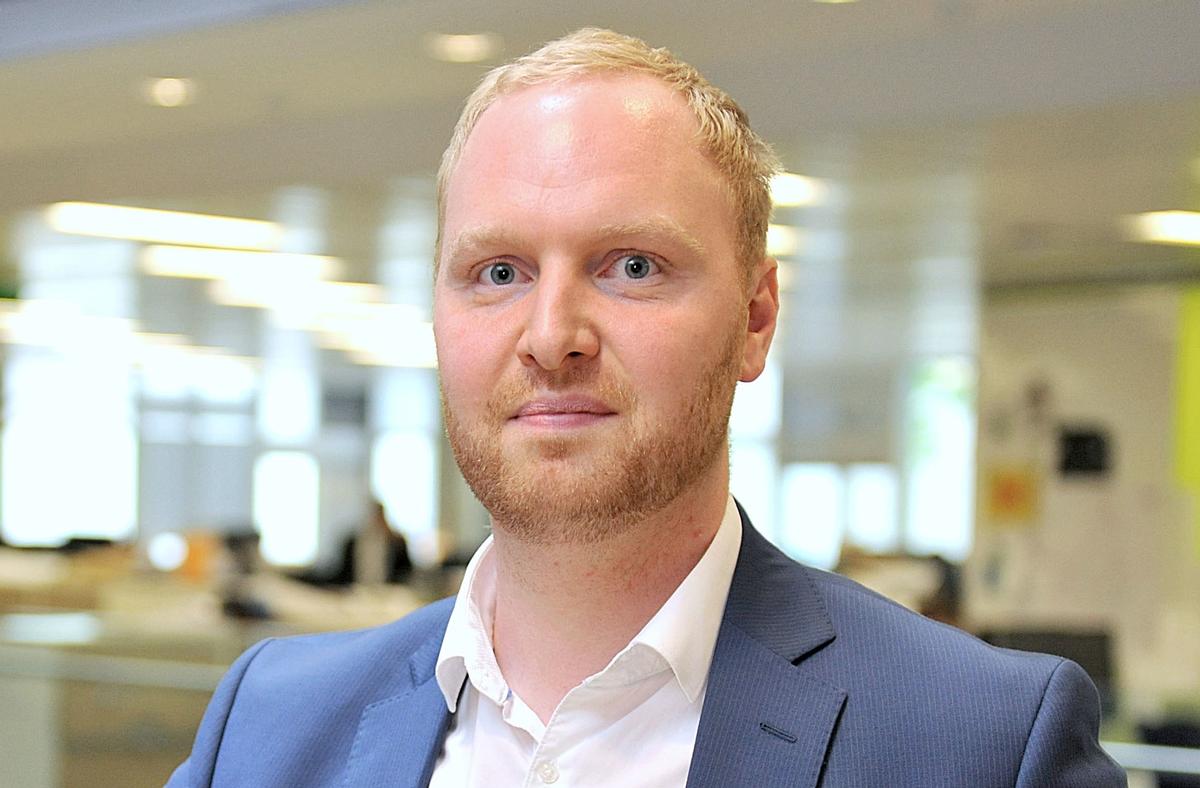
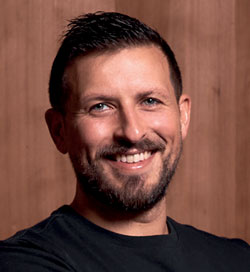
Josef Hargrave is global foresight manager at Arup Credit: Arup
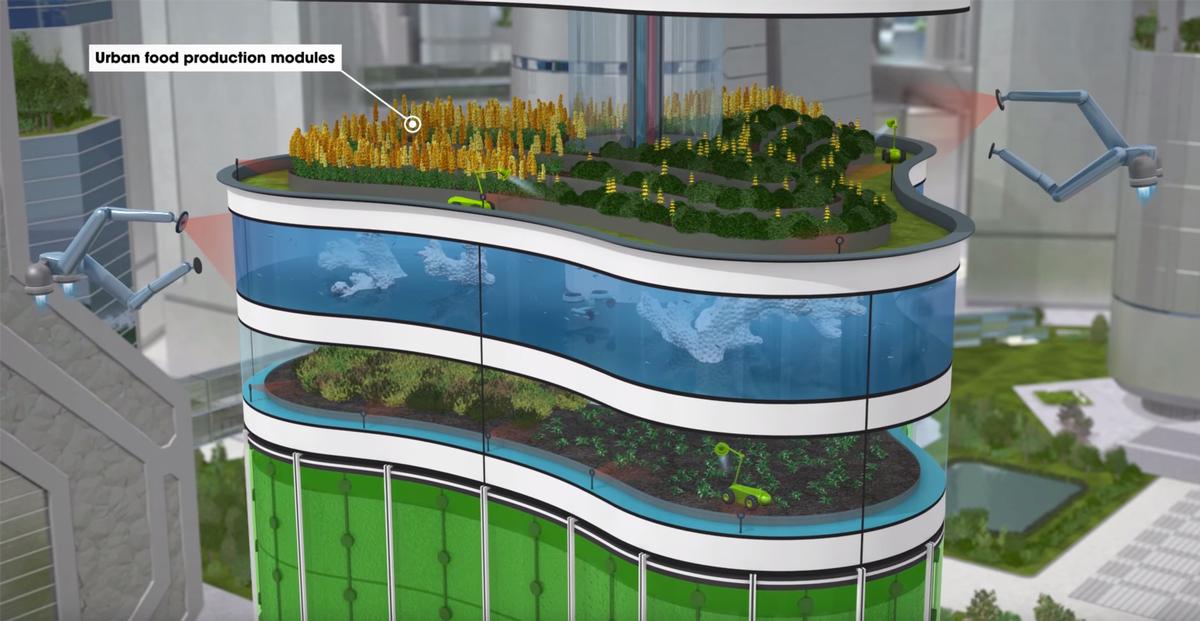
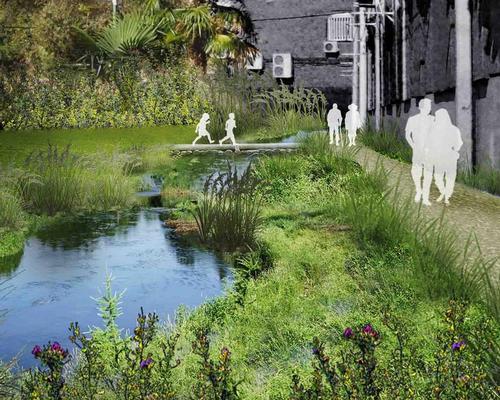
Hargrave said things like green roofs and sustainable energy systems can only be achieved by everyone on a project working together Credit: Arup
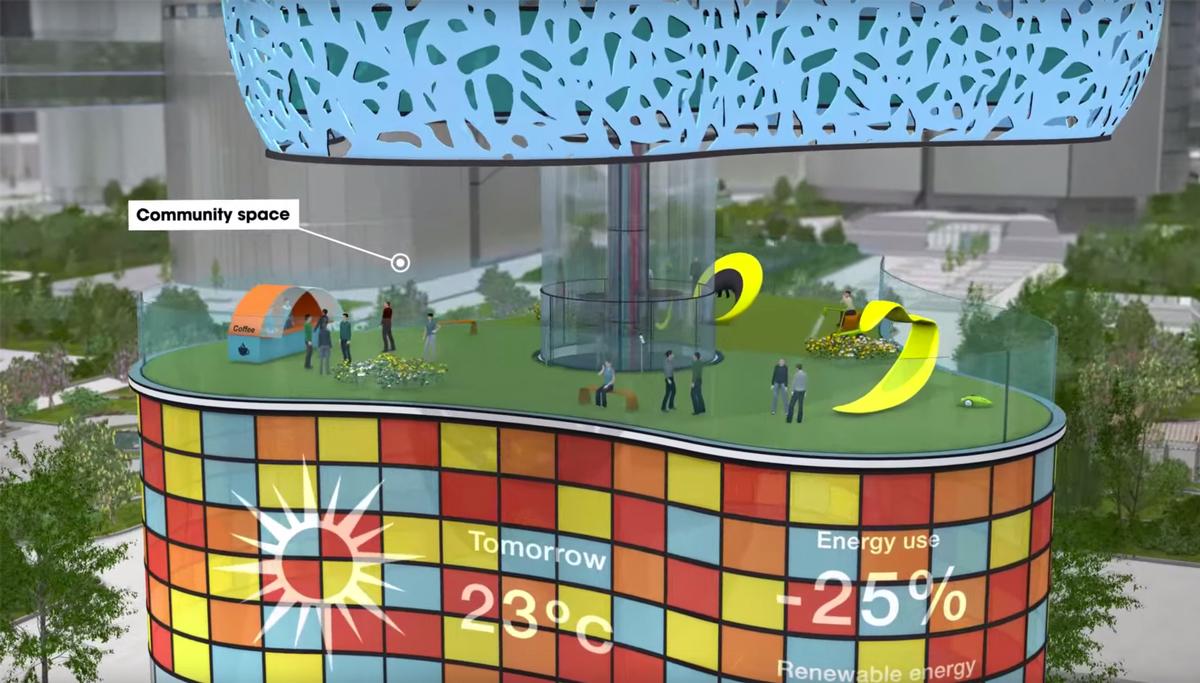
Hargrave said leisure buildings are increasingly being created and controlled 'like the operating system on your phone', allowing you to control elements like temperature at the touch of a button Credit: Arup
RELATED STORIES
Arup predict a future of smart, interactive, conscious cities POSTED 01 Mar 2016. BY Kim Megson Josef Hargrave, an associate with Arup’s global Foresight + Research + Innovation team,
has predicted that the cities of the future will “identify, understand, manage and solve
social, environmental and economic shifts and shocks”.
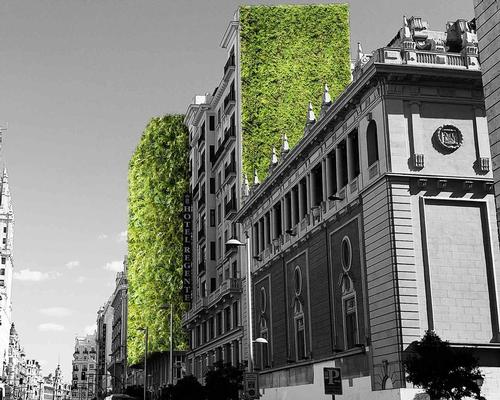
Madrid kickstarts unprecedented bid to make city greener POSTED 15 Feb 2016. BY Kim Megson City planners in Madrid are responding to the threat of climate change by covering the
Spanish capital’s unused spaces in plants and greenery.
Arup outline vision for greener global cities POSTED 10 Dec 2015. BY Kim Megson International architecture and engineering practice Arup have published a report declaring
city planners around the world must do more to create green urban environments that
promote the health and wellbeing of residents.
Hand and Stone Massage and Facial Spa, the spa business with more than 650 locations across
the US and Canada, has appointed franchise expert Carrie Walsh as CEO as the company plans
to expand.
Synergy – The Retreat Show, the global trade show for retreats, has launched a global research
initiative that will provide insights into the retreat sector from both consumer and industry
perspectives.
Arup Foresight talks to CLAD about healthy wellness buildings and holistic design
POSTED 05 May 2016 . BY Kim Megson
Hargrave said the increasingly sophisticated demands we make of our buildings necessitate a more holistic approach in how they are designed and developed Credit: Arup
The global foresight manager at international architecture and engineering firm Arup has told CLAD that closer collaboration between architects, designers, developers and investors is essential if the buildings of the future are to successfully boost our health and wellbeing.
Josef Hargrave said the increasingly sophisticated demands we make of our buildings necessitate a more holistic approach in how they are designed and developed.
“We’re moving from a world where building design has been driven to a large degree by sustainability targets to one where the impact on user and health and wellbeing is being increasingly considered,” he said.
“The horizon and breadth of things that architects and designers have to consider to achieve this is always increasing, and as a consequence the complexity of getting it right grows.”
“Energy systems will become more complex going forward so we need a more reactive and responsive way of design,” he said. “The only way to thrive is to embrace total architecture – the idea that everyone on the project team should be aware of everyone's needs and capabilities and the agreed path forwards. Everyone should have a basic understanding of lighting, for example.
“Without this, you can create something that has components which are all designed in an excellent way, but doesn't work as a whole.
“There are always competing interests from various stakeholders – from the investor who wants to see a return, to the community who want to make sure their needs are considered, and the designer who wants the best quality outcome. Our work is to bring them together holistically.”
Arup’s Foresight team is an internal think-tank and consultancy which tracks the changing design trends impacting built environments, and how they might overcome challenges such as growing and shrinking populations, climate change and inequality. They have recently released a report on how our cities could look and function in the year 2050.
Asked by CLAD to outline how the design of leisure buildings is changing, Hargrave said they are increasingly being created and controlled “like the operating system on your phone.”
“It's going to be much more platform based in the future,” he explained. “In hotels, for example, you’ll download an app to control your lighting and control your heating and cooling system in a way that is much more compatible and integrated than it is right now.
“Going from this notion of a silo system to something that follows the principles of an app will create many more opportunities to customise solutions within buildings and cities and provide greater control for the individual.”
“There will also be new forms of leisure and new forms of sport – drone racing for example – so there’s lots of cool stuff happening in that space that can be explored.
“A whole raft of consumer-focused trends will be driven by tech, but these are very difficult to project. There will always be new surprises – like the scale and capability of virtual reality – but how that will change people’s experiences of spaces and places remains a big unknown.”
Josef Hargrave is global foresight manager at Arup Credit: Arup
Hargrave said things like green roofs and sustainable energy systems can only be achieved by everyone on a project working together Credit: Arup
Hargrave said leisure buildings are increasingly being created and controlled 'like the operating system on your phone', allowing you to control elements like temperature at the touch of a button Credit: Arup
RELATED STORIES
Arup predict a future of smart, interactive, conscious cities POSTED 01 Mar 2016. BY Kim Megson Josef Hargrave, an associate with Arup’s global Foresight + Research + Innovation team,
has predicted that the cities of the future will “identify, understand, manage and solve
social, environmental and economic shifts and shocks”.
Madrid kickstarts unprecedented bid to make city greener POSTED 15 Feb 2016. BY Kim Megson City planners in Madrid are responding to the threat of climate change by covering the
Spanish capital’s unused spaces in plants and greenery.
Arup outline vision for greener global cities POSTED 10 Dec 2015. BY Kim Megson International architecture and engineering practice Arup have published a report declaring
city planners around the world must do more to create green urban environments that
promote the health and wellbeing of residents.
Hand and Stone Massage and Facial Spa, the spa business with more than 650 locations across
the US and Canada, has appointed franchise expert Carrie Walsh as CEO as the company plans
to expand.
Synergy – The Retreat Show, the global trade show for retreats, has launched a global research
initiative that will provide insights into the retreat sector from both consumer and industry
perspectives.
The Wellness Tourism Association (WTA) has published a non-regulatory global industry
framework designed to ensure the retreat market offers responsible experiences.
A new survey of UK and international spa practitioners shows that stress, burnout and
wellbeing concerns have caused one in three respondents to consider leaving the industry.