Latest
issue
Uniting the world of spa & wellness
Get Spa Business and Spa Business insider digital magazines FREE
Sign up here ▸
News   Features   Products   Company profilesProfiles   Press releasesProfiles   Magazine   Handbook   Advertise    Subscribe  
NEWS
Isometric exercise best way to lower blood pressure. Researchers call for review of exercise guidelines
POSTED 27 Jul 2023 . BY Tom Walker
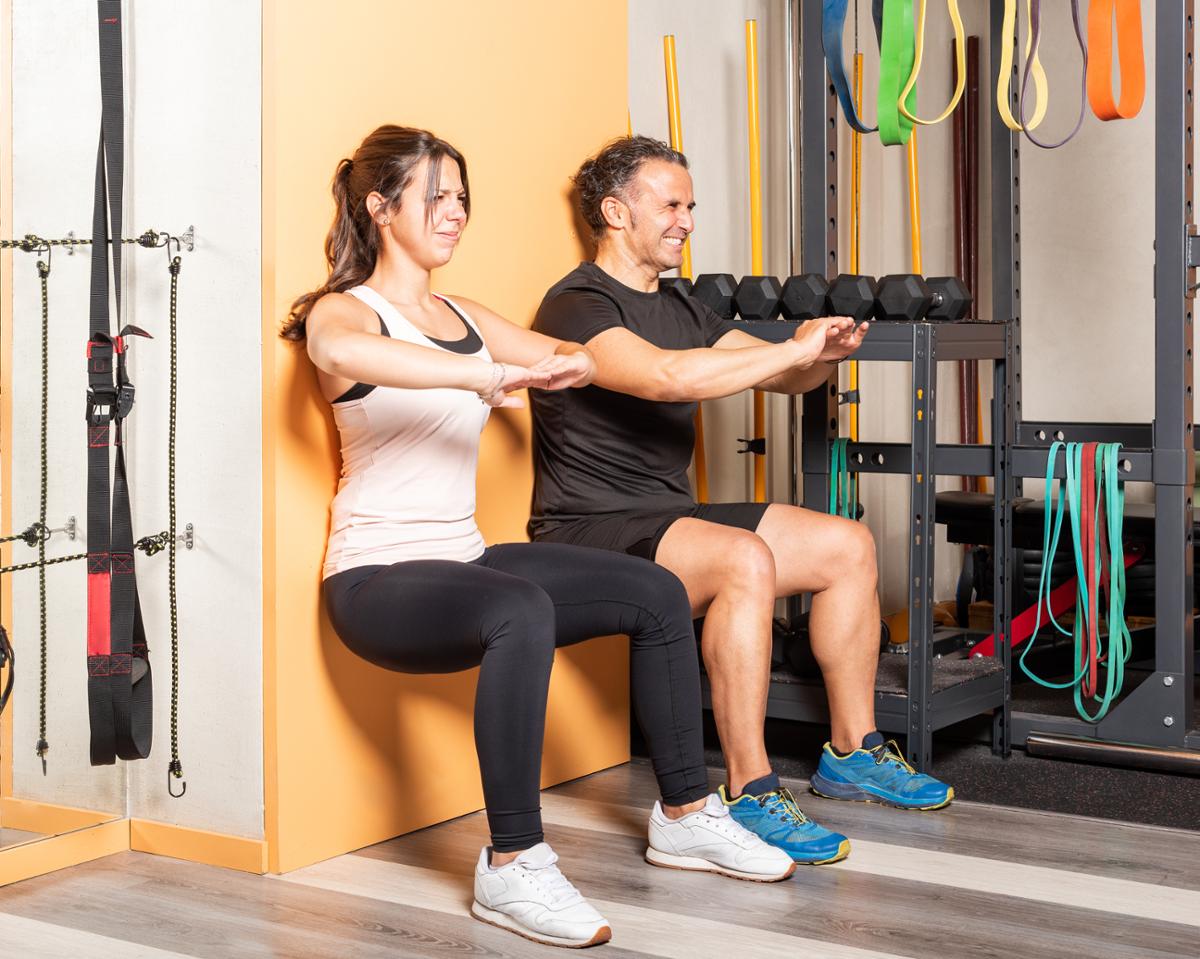
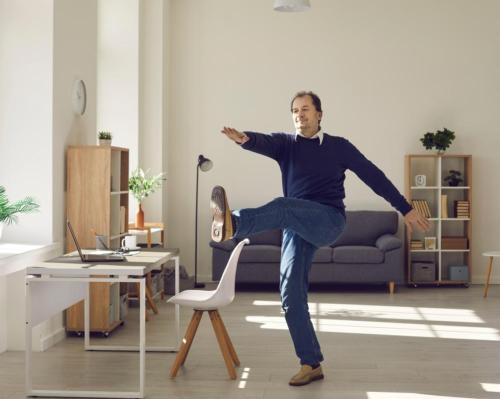
Wall squats and other isometric exercises offer the best results for those looking to lower their blood pressure through physical activity Credit: Shutterstock/Ivan Moreno sl
Isometric training exercises offer the best results for lowering blood pressure
The finding comes from a study, published in the BJSM
The study found that all types of physical activities were "significantly effective" in reducing resting blood pressure
Isometric training was the most effective mode in reducing both systolic and diastolic blood pressure
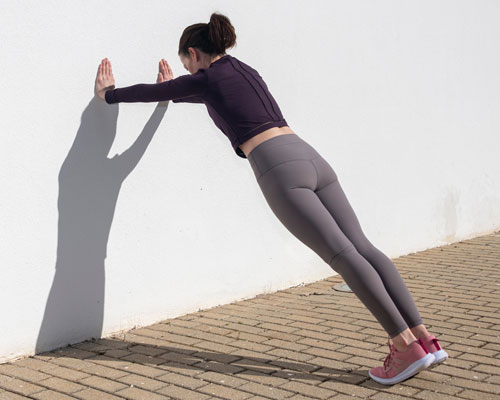
Many turn to cardio to keep their blood pressure healthy, however, new research from the team at Canterbury Christ Church and Leicester universities in the UK has found isometric exercises, such as wall squats and planking, which involve engaging muscles without movement, offer the best results for those looking to lower their blood pressure through physical activity.

The finding comes from a study, published in the British Journal of Sports Medicine (BJSM), which looked at randomised controlled trials involving nearly 16,000 people between 1990 and 2023. For the study, researchers only included trials which featured an exercise intervention that was at least two weeks long and had an eligible non-intervention control group.

The study found that all types of physical activities, from aerobic exercise and strength training to high-intensity interval training (HIIT), were "significantly effective" in reducing resting blood pressure, however, isometric exercise – movement which involves the static contraction of a muscle without any visible movement in the angle of the joint – was most effective in reducing both systolic (SBP) and diastolic blood pressure (DBP).

"We analysed data from 270 trials to establish optimal exercise prescription practices in the management of resting arterial blood pressure," said Jamie O’Driscoll, a reader in cardiovascular physiology at Canterbury Christ Church university and senior author of the report.

"To our knowledge, only two previous large-scale meta-analyses of similar proportion have been performed and this present study is the first to incorporate HIIT as a novel exercise mode, as well as providing advanced sub-mode analyses of a range of other exercise types – from walking, cycling and running to strength and mixed training.

"As a novel intervention, HIIT produced clinically relevant reductions in both systolic blood pressure (SBP) and diastolic blood pressure (DBP), but ranked as the least effective among all primary modes for SBP.

"Overall, isometric exercise training is the most effective mode in reducing both systolic and diastolic blood pressure."

O’Driscoll told The Guardian that the static contractions of isometric exercises "squeeze the vessels that supply blood to the working muscles – which reduces the flow of blood to the muscle during the exercise and therefore the oxygen supply to the muscle.

"When the muscle relaxes afterwards, it causes a large flow of blood through the vessels (this was different to other modes of exercise) and was likely to be the trigger driving these greater improvements in blood flow regulation," he said.

Isometric exercises were almost twice as effective in lowering blood pressure when compared with the government recommended exercise guidelines and the study calls for a review of exercise guidelines for the prevention and treatment of hypertension in light of the findings.

Analysis showed significant reductions in both resting SBP and and DBP as follows:

Aerobic exercise training (−4.49/–2.53 mm Hg, p<0.001)
Dynamic resistance training (–4.55/–3.04 mm Hg, p<0.001)
Combined training (–6.04/–2.54 mm Hg, p<0.001)
High-Intensity Interval Training (–4.08/–2.50 mm Hg, p<0.001)
Isometric exercise training (–8.24/–4.00 mm Hg, p<0.001).

The order of effectiveness were:
Isometric exercise training – 98.3 per cent
Combined training – 75.7 per cent
Dynamic resistance training – 46.1 per cent
Aerobic exercise training 40.5per cent
High-Intensity Interval Training 39.4 per cent.
Isometric wall squat and running reduced SBP (90.4 per cent) and DBP (91.3 pr cent), respectively.

To read the full research paper, click here for the BJSM website.

RELATED STORIES
  Exercise is 'highly beneficial' in maintaining mental health


Physical activity should be a “mainstay approach” for doctors treating patients with depression, anxiety and psychological distress. This is the evidenced-based conclusion published in a recent study from the University of South Australia, published in the British Journal of Sports Medicine, which was devised to help doctors improve management of patients with mental health disorders.
  FEATURE: Research: In praise of eccentricity


New research from Edith Cowan University has shown eccentric muscle contractions create the strongest training effect, as Liz Terry discovers
  30 minutes of daily exercise 'not enough' for those who spend days sitting down


A new study claims that being physically active for 30 minutes a day, five days a week, is not enough for those who spend the rest of their time sedentary.
MORE NEWS
Barons Eden rebrands to Hiddenwell ahead of spa hotel portfolio expansion
Barons Eden, the UK parent company that operates luxury destination properties in England, has rebranded to become Hiddenwell.
Belgin Aksoy marks 15 years of Global Wellness Day
Global Wellness Day (GWD) marked its 15th anniversary on Saturday 13 June 2026, with the theme: #JoyMagenta – a celebration of the healing qualities of simple gestures and activities that spark joy.
HUM2N launches longevity clinic at Six Senses London
Global luxury hospitality brand, Six Senses, has partnered with longevity healthcare provider, HUM2N, to launch a clinic at Six Senses London, at The Whiteley.
Mayrlife opens first hotel day clinic in partnership with Rosewood Vienna
As part of its first hotel partnership, Mayrlife – the medical health resort company known for its site in Altaussee, Austria – has launched a day clinic at the Rosewood Vienna.
+ More news   

FEATURED SUPPLIERS

Longevity in spas: a strategic choice, not a default setting
Longevity has become one of the most debated concepts in contemporary wellness. [more...]

Introducing Glass Act by Templespa
Introducing Glass Act, your new go-to eye serum for brighter, smoother, beautifully awakened eyes. [more...]
+ More featured suppliers  
COMPANY PROFILES
Capsix

Founded in 2016 by Carole Eyssautier, PhD in AI, François Eyssautier, robotics engineer, and Stéphan [more...]
The Wildsmith Collection Limited

Launched in 2018, The Wildsmith Collection takes its name from 19th century botanist William Wildsmi [more...]
+ More profiles  
CATALOGUE GALLERY
 

+ More catalogues  

DIRECTORY
+ More directory  
DIARY


21-23 Jun 2026

Spa Life International (UK)

Midlands (Venue TBA), Liphook, United Kingdom
22-22 Jun 2026

World Bathing Day

Worldwide,
+ More diary  
 
ABOUT LEISURE MEDIA
LEISURE MEDIA MAGAZINES
LEISURE MEDIA HANDBOOKS
LEISURE MEDIA WEBSITES
LEISURE MEDIA PRODUCT SEARCH
 
SPA BUSINESS
SPA OPPORTUNITIES
SPA BUSINESS HANDBOOK
PRINT SUBSCRIPTIONS
FREE DIGITAL SUBSCRIPTIONS
ADVERTISE . CONTACT US

Leisure Media
Tel: +44 (0)1462 431385

©Cybertrek 2026
Uniting the world of spa & wellness
Get Spa Business and Spa Business insider digital magazines FREE
Sign up here ▸
News   Products   Magazine   Subscribe
NEWS
Isometric exercise best way to lower blood pressure. Researchers call for review of exercise guidelines
POSTED 27 Jul 2023 . BY Tom Walker
Wall squats and other isometric exercises offer the best results for those looking to lower their blood pressure through physical activity Credit: Shutterstock/Ivan Moreno sl
Isometric training exercises offer the best results for lowering blood pressure
The finding comes from a study, published in the BJSM
The study found that all types of physical activities were "significantly effective" in reducing resting blood pressure
Isometric training was the most effective mode in reducing both systolic and diastolic blood pressure
Many turn to cardio to keep their blood pressure healthy, however, new research from the team at Canterbury Christ Church and Leicester universities in the UK has found isometric exercises, such as wall squats and planking, which involve engaging muscles without movement, offer the best results for those looking to lower their blood pressure through physical activity.

The finding comes from a study, published in the British Journal of Sports Medicine (BJSM), which looked at randomised controlled trials involving nearly 16,000 people between 1990 and 2023. For the study, researchers only included trials which featured an exercise intervention that was at least two weeks long and had an eligible non-intervention control group.

The study found that all types of physical activities, from aerobic exercise and strength training to high-intensity interval training (HIIT), were "significantly effective" in reducing resting blood pressure, however, isometric exercise – movement which involves the static contraction of a muscle without any visible movement in the angle of the joint – was most effective in reducing both systolic (SBP) and diastolic blood pressure (DBP).

"We analysed data from 270 trials to establish optimal exercise prescription practices in the management of resting arterial blood pressure," said Jamie O’Driscoll, a reader in cardiovascular physiology at Canterbury Christ Church university and senior author of the report.

"To our knowledge, only two previous large-scale meta-analyses of similar proportion have been performed and this present study is the first to incorporate HIIT as a novel exercise mode, as well as providing advanced sub-mode analyses of a range of other exercise types – from walking, cycling and running to strength and mixed training.

"As a novel intervention, HIIT produced clinically relevant reductions in both systolic blood pressure (SBP) and diastolic blood pressure (DBP), but ranked as the least effective among all primary modes for SBP.

"Overall, isometric exercise training is the most effective mode in reducing both systolic and diastolic blood pressure."

O’Driscoll told The Guardian that the static contractions of isometric exercises "squeeze the vessels that supply blood to the working muscles – which reduces the flow of blood to the muscle during the exercise and therefore the oxygen supply to the muscle.

"When the muscle relaxes afterwards, it causes a large flow of blood through the vessels (this was different to other modes of exercise) and was likely to be the trigger driving these greater improvements in blood flow regulation," he said.

Isometric exercises were almost twice as effective in lowering blood pressure when compared with the government recommended exercise guidelines and the study calls for a review of exercise guidelines for the prevention and treatment of hypertension in light of the findings.

Analysis showed significant reductions in both resting SBP and and DBP as follows:

Aerobic exercise training (−4.49/–2.53 mm Hg, p<0.001)
Dynamic resistance training (–4.55/–3.04 mm Hg, p<0.001)
Combined training (–6.04/–2.54 mm Hg, p<0.001)
High-Intensity Interval Training (–4.08/–2.50 mm Hg, p<0.001)
Isometric exercise training (–8.24/–4.00 mm Hg, p<0.001).

The order of effectiveness were:
Isometric exercise training – 98.3 per cent
Combined training – 75.7 per cent
Dynamic resistance training – 46.1 per cent
Aerobic exercise training 40.5per cent
High-Intensity Interval Training 39.4 per cent.
Isometric wall squat and running reduced SBP (90.4 per cent) and DBP (91.3 pr cent), respectively.

To read the full research paper, click here for the BJSM website.
RELATED STORIES
Exercise is 'highly beneficial' in maintaining mental health


Physical activity should be a “mainstay approach” for doctors treating patients with depression, anxiety and psychological distress. This is the evidenced-based conclusion published in a recent study from the University of South Australia, published in the British Journal of Sports Medicine, which was devised to help doctors improve management of patients with mental health disorders.

FEATURE: Research: In praise of eccentricity


New research from Edith Cowan University has shown eccentric muscle contractions create the strongest training effect, as Liz Terry discovers
30 minutes of daily exercise 'not enough' for those who spend days sitting down


A new study claims that being physically active for 30 minutes a day, five days a week, is not enough for those who spend the rest of their time sedentary.
MORE NEWS
Barons Eden rebrands to Hiddenwell ahead of spa hotel portfolio expansion
Barons Eden, the UK parent company that operates luxury destination properties in England, has rebranded to become Hiddenwell.
Belgin Aksoy marks 15 years of Global Wellness Day
Global Wellness Day (GWD) marked its 15th anniversary on Saturday 13 June 2026, with the theme: #JoyMagenta – a celebration of the healing qualities of simple gestures and activities that spark joy.
HUM2N launches longevity clinic at Six Senses London
Global luxury hospitality brand, Six Senses, has partnered with longevity healthcare provider, HUM2N, to launch a clinic at Six Senses London, at The Whiteley.
Mayrlife opens first hotel day clinic in partnership with Rosewood Vienna
As part of its first hotel partnership, Mayrlife – the medical health resort company known for its site in Altaussee, Austria – has launched a day clinic at the Rosewood Vienna.
KX Chelsea invests £15 million to upgrade its wellness offering
Premium London health club, KX Chelsea, will imminently unveil its most significant redevelopment since its launch in 2002 to create an integrated wellness model combining training, recovery and relaxation.
Rosewood Le Guanahani St Barth offers ocean-themed yoga for Global Wellness Day
Rosewood Le Guanahani St Barth, on the northeast coast of Saint Barthélemy in the French West Indies, is offering a programme of ocean-inspired yoga classes between 8-14 June to celebrate Global Wellness Day (GWD).
+ More news   
 
FEATURED SUPPLIERS

Longevity in spas: a strategic choice, not a default setting
Longevity has become one of the most debated concepts in contemporary wellness. [more...]

Introducing Glass Act by Templespa
Introducing Glass Act, your new go-to eye serum for brighter, smoother, beautifully awakened eyes. [more...]
+ More featured suppliers  
COMPANY PROFILES
Capsix

Founded in 2016 by Carole Eyssautier, PhD in AI, François Eyssautier, robotics engineer, and Stéphan [more...]
+ More profiles  
CATALOGUE GALLERY
+ More catalogues  

DIRECTORY
+ More directory  
DIARY


21-23 Jun 2026

Spa Life International (UK)

Midlands (Venue TBA), Liphook, United Kingdom
22-22 Jun 2026

World Bathing Day

Worldwide,
+ More diary  


ADVERTISE . CONTACT US

Leisure Media
Tel: +44 (0)1462 431385

©Cybertrek 2026

ABOUT LEISURE MEDIA
LEISURE MEDIA MAGAZINES
LEISURE MEDIA HANDBOOKS
LEISURE MEDIA WEBSITES
LEISURE MEDIA PRODUCT SEARCH
PRINT SUBSCRIPTIONS
FREE DIGITAL SUBSCRIPTIONS