Latest
issue
Uniting the world of spa & wellness
Get Spa Business and Spa Business insider digital magazines FREE
Sign up here ▸
News   Features   Products   Company profilesProfiles   Press releasesProfiles   Magazine   Handbook   Advertise    Subscribe  
NEWS
Disruptions between memory and appetite linked to obesity
POSTED 26 Sep 2023 . BY Tom Walker
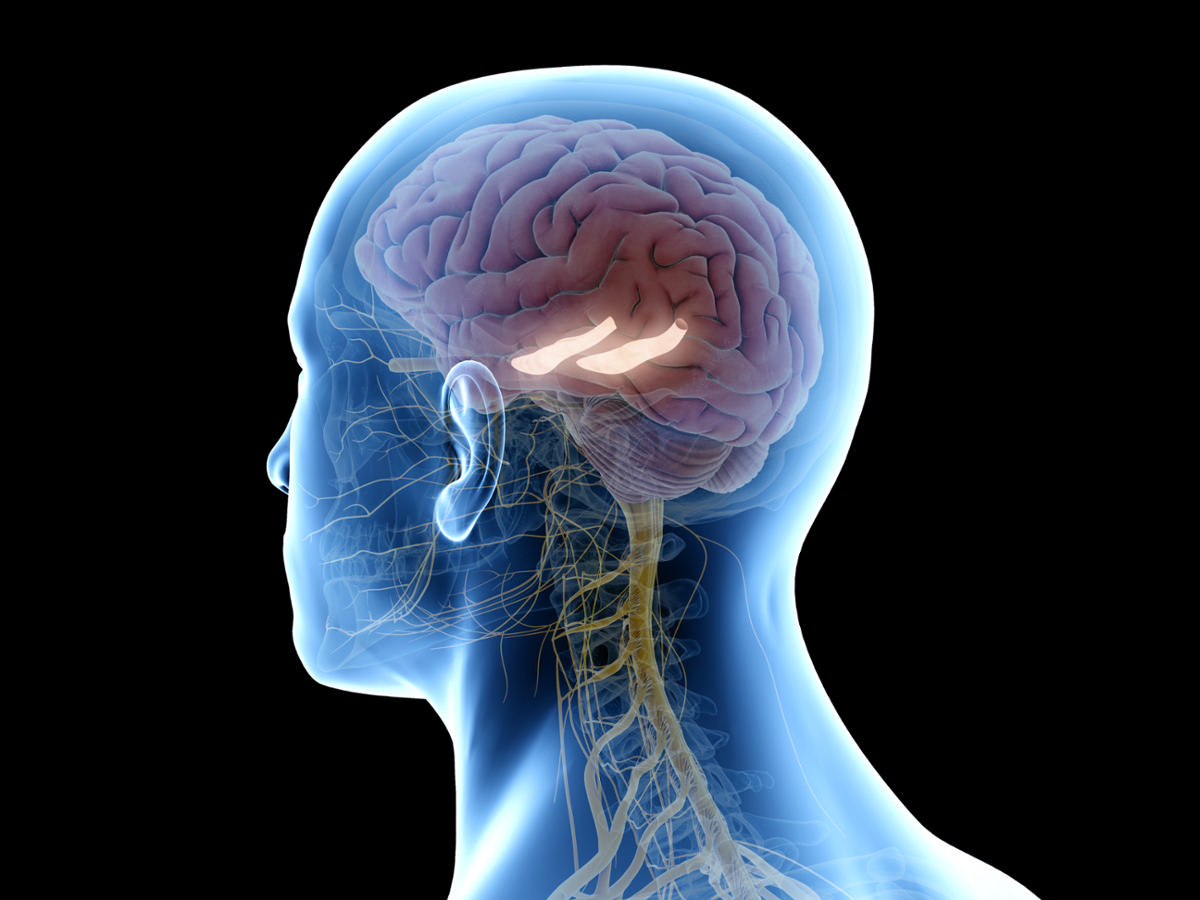
The research found disrupted connections between memory and appetite-regulation in the Hippocampus are directly proportional to BMI Credit: Shutterstock/Sciepro
Disruptions in the way the human brain links memory and appetite could help explain some disorders associated with obesity
The finding comes from research by the Perelman School of Medicine at the University of Pennsylvania, US
The link is most notable in patients who suffer from disordered overeating that can lead to obesity, such as binge eating disorder
The study was published in the journal Nature
Disruptions in the way the human brain links memory and appetite could help explain some disorders associated with obesity.

Research from the Perelman School of Medicine at the University of Pennsylvania, US, suggests that disrupted connections between memory and appetite-regulating brain circuits are directly proportional to body mass index (BMI).

The link is most notable in patients who suffer from disordered overeating that can lead to obesity, such as binge eating disorder (BED).

Published in the journal, Nature, the research – titled An orexigenic subnetwork within the human hippocampus – found that individuals who are obese have impaired connections between the dorsolateral hippocampus (dlHPC) and the lateral hypothalamus (LH), which may impact their ability to control or regulate emotional responses when anticipating rewarding meals or treats.

The dlHPC is located in the region of the brain that processes memory and the LH is in the region of the brain that is responsible for keeping the body in a stable state – homeostasis.

In the study, researchers were able to evaluate patients whose brains were already being monitored electrically in an epilepsy monitoring unit.

The team monitored brain activity as patients anticipated – and then received – a sweet treat (a chocolate milkshake).

Results showed that both the dlHPC and the LH activated simultaneously when participants anticipated receiving the rewarding meal. The dlHPC and LH also exhibited extremely strong connectivity.

In individuals with obesity, researchers found that the impairment of this hypothalamus-hippocampus circuit was directly proportional to their BMI.

In addition, for participants with a high BMI, the connection was even more disturbed.

To further validate the connection, the research team used a technique called “brain clearing,” to analyse brain tissue.

The technique revealed melanin-concentrating hormone, a hormone known to regulate feeding behaviour that is produced in the LH. They found the presence of MCH in the dlHPC, and nowhere else, confirming a link between the two regions.

Previous research has found an association with loss of function in the human hippocampus in individuals with obesity and related disordered eating, such as BED.

However, outside of imaging techniques such as magnetic resonance imaging (MRI), the role of the hippocampus has been difficult to study in humans with obesity and related eating disorders.

Casey Halpern, associate professor of neurosurgery and one of the study authors, said: "These findings underscore that some individual’s brains can be fundamentally different in regions that increase the risk of obesity.

“Conditions such as disordered eating and obesity are a lot more complicated than simply managing self-control and eating healthier.

"What these individuals need is not more willpower, but the therapeutic equivalent of an electrician that can make right these connections inside their brain.

“The hippocampus has never been targeted to treat obesity, or the disordered eating that can sometimes cause obesity.

"We hope to be able to use this research to both identify which individuals who are likely to develop obesity later in life, and to develop novel therapies – both invasive and not – to help improve function of this critical circuit that seems to go awry in patients who are obese.”

To read the full research paper, click here for Nature

RELATED STORIES
  Max Planck Institute for Metabolism Research finds anti-obesity drugs restore normal brain function and reboot people's relationship with food


Drugs that help normalise insulin sensitivity to reduce body fat in people suffering from obesity can improve learning outcomes.
  'Fat burning zones' on much commercial gym equipment are not accurate, finds research


The best heart rate for burning fat differs hugely between individuals and often does not align with the suggested “fat burning zone” on commercial gym equipment and exercise machines.
  Sleeping well helps people achieve exercise and diet goals


People who get regular, uninterrupted sleep do a better job sticking to their exercise and diet plans while trying to lose weight, according to new research.
MORE NEWS
Barons Eden rebrands to Hiddenwell ahead of spa hotel portfolio expansion
Barons Eden, the UK parent company that operates luxury destination properties in England, has rebranded to become Hiddenwell.
Belgin Aksoy marks 15 years of Global Wellness Day
Global Wellness Day (GWD) marked its 15th anniversary on Saturday 13 June 2026, with the theme: #JoyMagenta – a celebration of the healing qualities of simple gestures and activities that spark joy.
HUM2N launches longevity clinic at Six Senses London
Global luxury hospitality brand, Six Senses, has partnered with longevity healthcare provider, HUM2N, to launch a clinic at Six Senses London, at The Whiteley.
Mayrlife opens first hotel day clinic in partnership with Rosewood Vienna
As part of its first hotel partnership, Mayrlife – the medical health resort company known for its site in Altaussee, Austria – has launched a day clinic at the Rosewood Vienna.
+ More news   

FEATURED SUPPLIERS

Glow beyond protection: meet Comfort Zone Hydramemory Hybrid Glow SPF 30
Sun protection is no longer just about shielding the skin – it's about enhancing it. [more...]

Meet Desert Therapy: Aromatherapy Associates' first new blend in seven years
There is a particular quality of stillness found only in the desert. [more...]
+ More featured suppliers  
COMPANY PROFILES
Unbescheiden GmbH

Unbescheiden GmbH was founded in 1869 in Baden- Baden, Germany [more...]
We Work Well Inc

In 2019 Monica Helmstetter and Lucy Hugo founded the American hosted buyer event company We Work Wel [more...]
+ More profiles  
CATALOGUE GALLERY
 

+ More catalogues  

DIRECTORY
+ More directory  
DIARY


21-23 Jun 2026

Spa Life International (UK)

Midlands (Venue TBA), Liphook, United Kingdom
22-22 Jun 2026

World Bathing Day

Worldwide,
+ More diary  
 
ABOUT LEISURE MEDIA
LEISURE MEDIA MAGAZINES
LEISURE MEDIA HANDBOOKS
LEISURE MEDIA WEBSITES
LEISURE MEDIA PRODUCT SEARCH
 
SPA BUSINESS
SPA OPPORTUNITIES
SPA BUSINESS HANDBOOK
PRINT SUBSCRIPTIONS
FREE DIGITAL SUBSCRIPTIONS
ADVERTISE . CONTACT US

Leisure Media
Tel: +44 (0)1462 431385

©Cybertrek 2026
Uniting the world of spa & wellness
Get Spa Business and Spa Business insider digital magazines FREE
Sign up here ▸
News   Products   Magazine   Subscribe
NEWS
Disruptions between memory and appetite linked to obesity
POSTED 26 Sep 2023 . BY Tom Walker
The research found disrupted connections between memory and appetite-regulation in the Hippocampus are directly proportional to BMI Credit: Shutterstock/Sciepro
Disruptions in the way the human brain links memory and appetite could help explain some disorders associated with obesity
The finding comes from research by the Perelman School of Medicine at the University of Pennsylvania, US
The link is most notable in patients who suffer from disordered overeating that can lead to obesity, such as binge eating disorder
The study was published in the journal Nature
Disruptions in the way the human brain links memory and appetite could help explain some disorders associated with obesity.

Research from the Perelman School of Medicine at the University of Pennsylvania, US, suggests that disrupted connections between memory and appetite-regulating brain circuits are directly proportional to body mass index (BMI).

The link is most notable in patients who suffer from disordered overeating that can lead to obesity, such as binge eating disorder (BED).

Published in the journal, Nature, the research – titled An orexigenic subnetwork within the human hippocampus – found that individuals who are obese have impaired connections between the dorsolateral hippocampus (dlHPC) and the lateral hypothalamus (LH), which may impact their ability to control or regulate emotional responses when anticipating rewarding meals or treats.

The dlHPC is located in the region of the brain that processes memory and the LH is in the region of the brain that is responsible for keeping the body in a stable state – homeostasis.

In the study, researchers were able to evaluate patients whose brains were already being monitored electrically in an epilepsy monitoring unit.

The team monitored brain activity as patients anticipated – and then received – a sweet treat (a chocolate milkshake).

Results showed that both the dlHPC and the LH activated simultaneously when participants anticipated receiving the rewarding meal. The dlHPC and LH also exhibited extremely strong connectivity.

In individuals with obesity, researchers found that the impairment of this hypothalamus-hippocampus circuit was directly proportional to their BMI.

In addition, for participants with a high BMI, the connection was even more disturbed.

To further validate the connection, the research team used a technique called “brain clearing,” to analyse brain tissue.

The technique revealed melanin-concentrating hormone, a hormone known to regulate feeding behaviour that is produced in the LH. They found the presence of MCH in the dlHPC, and nowhere else, confirming a link between the two regions.

Previous research has found an association with loss of function in the human hippocampus in individuals with obesity and related disordered eating, such as BED.

However, outside of imaging techniques such as magnetic resonance imaging (MRI), the role of the hippocampus has been difficult to study in humans with obesity and related eating disorders.

Casey Halpern, associate professor of neurosurgery and one of the study authors, said: "These findings underscore that some individual’s brains can be fundamentally different in regions that increase the risk of obesity.

“Conditions such as disordered eating and obesity are a lot more complicated than simply managing self-control and eating healthier.

"What these individuals need is not more willpower, but the therapeutic equivalent of an electrician that can make right these connections inside their brain.

“The hippocampus has never been targeted to treat obesity, or the disordered eating that can sometimes cause obesity.

"We hope to be able to use this research to both identify which individuals who are likely to develop obesity later in life, and to develop novel therapies – both invasive and not – to help improve function of this critical circuit that seems to go awry in patients who are obese.”

To read the full research paper, click here for Nature

RELATED STORIES
Max Planck Institute for Metabolism Research finds anti-obesity drugs restore normal brain function and reboot people's relationship with food


Drugs that help normalise insulin sensitivity to reduce body fat in people suffering from obesity can improve learning outcomes.
'Fat burning zones' on much commercial gym equipment are not accurate, finds research


The best heart rate for burning fat differs hugely between individuals and often does not align with the suggested “fat burning zone” on commercial gym equipment and exercise machines.
Sleeping well helps people achieve exercise and diet goals


People who get regular, uninterrupted sleep do a better job sticking to their exercise and diet plans while trying to lose weight, according to new research.
MORE NEWS
Barons Eden rebrands to Hiddenwell ahead of spa hotel portfolio expansion
Barons Eden, the UK parent company that operates luxury destination properties in England, has rebranded to become Hiddenwell.
Belgin Aksoy marks 15 years of Global Wellness Day
Global Wellness Day (GWD) marked its 15th anniversary on Saturday 13 June 2026, with the theme: #JoyMagenta – a celebration of the healing qualities of simple gestures and activities that spark joy.
HUM2N launches longevity clinic at Six Senses London
Global luxury hospitality brand, Six Senses, has partnered with longevity healthcare provider, HUM2N, to launch a clinic at Six Senses London, at The Whiteley.
Mayrlife opens first hotel day clinic in partnership with Rosewood Vienna
As part of its first hotel partnership, Mayrlife – the medical health resort company known for its site in Altaussee, Austria – has launched a day clinic at the Rosewood Vienna.
KX Chelsea invests £15 million to upgrade its wellness offering
Premium London health club, KX Chelsea, will imminently unveil its most significant redevelopment since its launch in 2002 to create an integrated wellness model combining training, recovery and relaxation.
Rosewood Le Guanahani St Barth offers ocean-themed yoga for Global Wellness Day
Rosewood Le Guanahani St Barth, on the northeast coast of Saint Barthélemy in the French West Indies, is offering a programme of ocean-inspired yoga classes between 8-14 June to celebrate Global Wellness Day (GWD).
+ More news   
 
FEATURED SUPPLIERS

Glow beyond protection: meet Comfort Zone Hydramemory Hybrid Glow SPF 30
Sun protection is no longer just about shielding the skin – it's about enhancing it. [more...]

Meet Desert Therapy: Aromatherapy Associates' first new blend in seven years
There is a particular quality of stillness found only in the desert. [more...]
+ More featured suppliers  
COMPANY PROFILES
Unbescheiden GmbH

Unbescheiden GmbH was founded in 1869 in Baden- Baden, Germany [more...]
+ More profiles  
CATALOGUE GALLERY
+ More catalogues  

DIRECTORY
+ More directory  
DIARY


21-23 Jun 2026

Spa Life International (UK)

Midlands (Venue TBA), Liphook, United Kingdom
22-22 Jun 2026

World Bathing Day

Worldwide,
+ More diary  


ADVERTISE . CONTACT US

Leisure Media

Tel: +44 (0)1462 431385

©Cybertrek 2026

ABOUT LEISURE MEDIA
LEISURE MEDIA MAGAZINES
LEISURE MEDIA HANDBOOKS
LEISURE MEDIA WEBSITES
LEISURE MEDIA PRODUCT SEARCH
PRINT SUBSCRIPTIONS
FREE DIGITAL SUBSCRIPTIONS