French mineral water companies are awaiting a ruling on what level of filtration is considered illegal 'treatment'
As water scarcity and contamination fears loom, it’s unclear what impact this news will have on natural mineral water bathing facilities
Hydrologists say a combination of overpumping and a lack of replenishment due to droughts means contamination can now be more concentrated
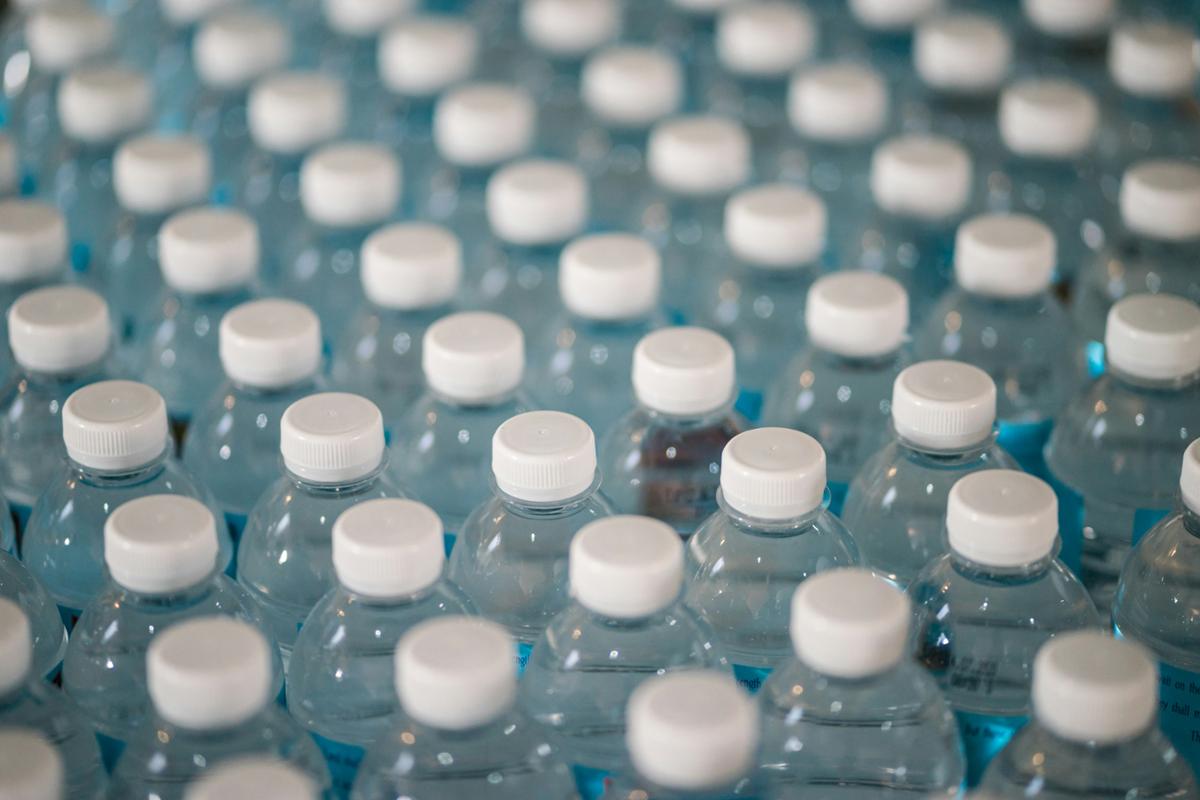
As water scarcity and water table contamination fears loom, the mineral water industry has been rocked by news that Perrier is under investigation for potentially breaking EU law in relation to the way it bottles its water.
Under EU law, “natural mineral water” is meant to be unaltered between the underground source and the bottle. This purity is what warrants the higher price than that of tap water.
A year ago, however, an investigation by media outlets
Le Monde and Radio France found that “at least a third of mineral water sold in France” had been illegally treated. These treatments include the use of ultra-violet light, carbon filters or ultra-fine micro-meshes to filter out bacteria.
The investigations alleged the French government considered the mineral water industry so important to the economy that it agreed to suppress contamination reports at Nestlé-owned Perrier, so the company could continue to use micro-filtration.
The issue is not one of public health, as Perrier is safe to drink, it’s simply unclear what level of filtration is permissible in law – if any – for a product to still be deemed ‘natural’.
A senate hearing earlier this year into the industry’s practices confirmed that Perrier had used filtration to treat its water and the French government has asked the European Commission to rule on what level of micro-filtration is acceptable for a product to be labelled natural mineral water. The decision is due in the coming months.
Climate change and growing concerns about the water industry’s environmental impact are at the heart of the debate.
Perrier’s water is pumped from deep aquifers in the plain between Nîmes and Montpellier, in an area that has seen a big climate shift, with a succession of droughts since 2017.
Hydrologists claim contaminants such as farming chemicals or human waste that drain off the land, for example during flash floods, can make their way from the surface aquifers to deeper ones previously thought to be protected.
A combination of overpumping and a lack of replenishment due to droughts means contamination can now be more concentrated.
Nestlé's CEO Laurent Freixe told the senate enquiry that an official hydrologists’ report recommended against renewing “natural mineral water” status for Perrier’s output.
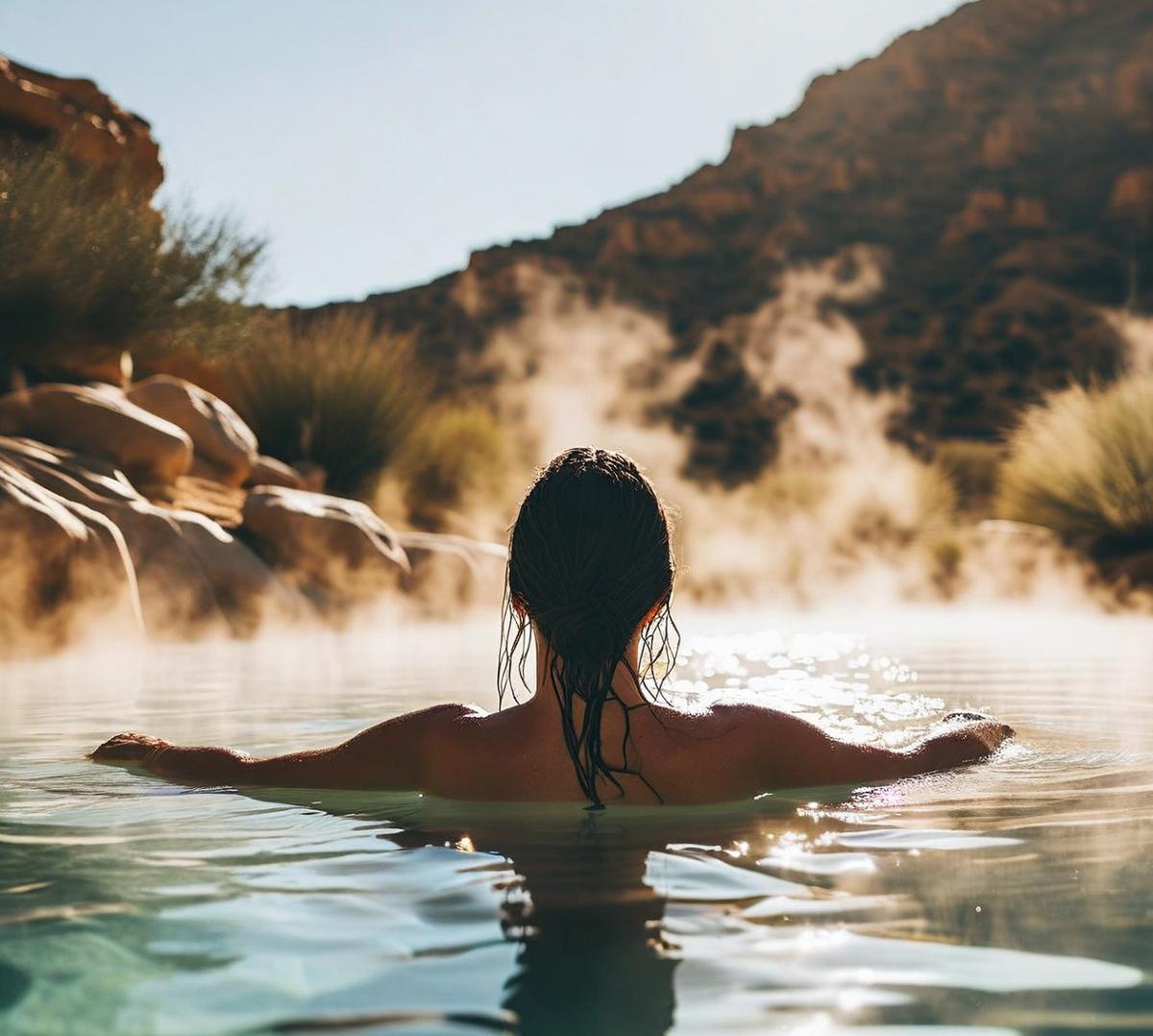
It’s unclear what impact this news will have on natural mineral water bathing facilities, including those that also bottle their water.
As people continue to seek out thermal and mineral spring water spa experiences, a struggle between filtration for safety and original authenticity may mean compromising the “purity” of the water.
A negative outcome in the Perrier case could impact consumer trust in the mineral water industry and associated bathing facilities, such as hot springs.
One solution might be the formulation of mineral water experiences using an existing filtered base water.
An example of this would be the US company
WorldSprings and its three facilities with pools that have different engineered water to replicate the experiences in places such as the Blue Lagoon in Iceland or Vichy in France.