Latest
issue
GET SPA BUSINESS
magazine
Yes! Send me the FREE digital editions of Spa Business and Spa Business insider magazines and the FREE weekly Spa Business and Spa Business insider ezines and breaking news alerts!
Not right now, thanksclose this window I've already subscribed.
Uniting the world of spa & wellness
Get Spa Business and Spa Business insider digital magazines FREE
Sign up here ▸
News   Features   Products   Company profilesProfiles   Press releasesProfiles   Magazine   Handbook   Advertise    Subscribe  
NEWS
People exercise less and drink more during lockdowns
POSTED 12 Jan 2021 . BY Tom Walker
Overall, there was a 20 per cent reduction in days where participants were doing 30 minutes or more moderate to vigorous physical activity Credit: Shutterstock.com/Timothy Kuiper
Some Brits drop their exercise habits, eat unhealthily and drink more alcohol during lockdowns, according to research from the University of East Anglia (UEA).

A study of 1,000 people, currently being tracked for the new tier 5 restrictions, shows how lifestyle behaviours changed in the first month of initial COVID-19 lockdown in April 2020, with a 20 per cent reduction in days where participants were doing 30 minutes or more moderate to vigorous physical activity.

The study, C‐19 health behaviour and well‐being daily tracker study, found some of the people at greatest risk of COVID-19 – including those who are overweight – demonstrated the most unhealthy behaviour changes.

At the start of the UK’s first lockdown, UEA researchers launched a project to track people’s lifestyle behaviours to understand the impact of lockdown on the health of the nation.

Participants were followed every day for three months in what the university says is the first study of its kind.

The study began on April 8 – two weeks after the lockdown was announced on 23 March – with participants completing a baseline questionnaire.

The team collected information on age, gender, ethnicity, weight, height, the number of adults and children in a household, whether people have any pre-existing medical conditions and whether they are in an at-risk group for COVID-19. Employment status and average monthly income were also taken into account.

Participants were asked to share information daily on their smoking habits, alcohol consumption, mental wellbeing, physical activity levels, sleep, and nutrition – as well as whether they are suffering COVID-19 relevant symptoms such as a persistent cough or fever.

According to UEA's Dr Felix Naughton, who led the study, the lockdown saw a dramatic drop in physical activity levels.

"We found that participants were doing significantly less exercise," he said.

"Our figures show that overall, there was a 20 per cent reduction in days where participants were doing 30 minutes or more moderate to vigorous physical activity. But interestingly people did report that they were doing a bit more strength training – with a 15 per cent increase in strength training per week.

“We found that those groups most at risk of COVID-19 were undertaking the least activity.

“We know that exercise helps improve immune function and could contribute to an increase in deconditioning and functional decline, particularly among older people – so the fact that those who are most at risk of being severely affected by COVID-19 were doing the least exercise is a worry.

"We recognise that social distancing and shielding can make exercise more difficult, so finding ways around this is important."

The team also found that people were also drinking more alcohol in total – with women drinking more frequently, but men drinking greater quantities per drinking occasion.

"Both of these are concerning because even relatively small changes in alcohol consumption can have a marked impact on long-term health," Naughton said.

"We found that being a key worker, older and male was associated with a greater number of drinks consumed on a typical day’s drinking, and consuming alcohol on a greater number of days was associated with being older and female.”

UEA's Prof Caitlin Notley who, alongside Naughton, worked on the study, added: “Our findings indicate that on average, people’s health behaviours worsened in the early stages of the COVID-19 pandemic measures.

"It is critical now that we reflect on these changes so that we can advise people of how best to protect their health in future lockdowns.

“If short term changes turn into longer-term habits, then people’s health could be compromised as a result. Changes may also become more entrenched with more restrictions in place – this is something the team will be tracking through our follow up data collection.

“Overall, it seems to be that worsening unhealthy behaviours were most associated with being younger, female and having a higher BMI.

RELATED STORIES
  UK gyms will lose around £400m a month during lockdown


The UK physical activity sector will lose around £400m a month during lockdown.
  UK gym industry calls for sector-specific government financial support


ukactive has called on the UK government to draft a new National Physical Activity Plan and provide further sector-specific financial protection for operators in the activity sector, to support the industry through the UK's third lockdown.
  Glenn Earlam pushes back on reports of 'material uncertainty' at David Lloyd


David Lloyd Leisure has become the latest operator to have its auditors flag up the detrimental effect of the pandemic on the business.
MORE NEWS
One in three spa practitioners have considered leaving the industry due to concerns about their own wellbeing
A new survey of UK and international spa practitioners shows that stress, burnout and wellbeing concerns have caused one in three respondents to consider leaving the industry.
UK updates physical activity guidelines with focus on daily movement
The UK's four Chief Medical Officers have published a refreshed edition of Physical activity guidelines: UK Chief Medical Officers' report, updating the evidence that underpins the nation's physical activity recommendations and placing greater emphasis on strength, balance, reducing sedentary behaviour and, for the first time, supporting people taking weight loss medications.
Sauna advocate Becky Pelkonen drafts global public sauna-bathing charter
Becky Pelkonen, the sauna advocate and researcher, has unveiled the draft of a global public sauna-bathing charter.
Marriott International partners with Fitwel for wellness solutions across its residential portfolio
Marriott International has partnered with Fitwel, a healthy building certification system that aims to optimise occupant health.
+ More news   

FEATURED SUPPLIERS

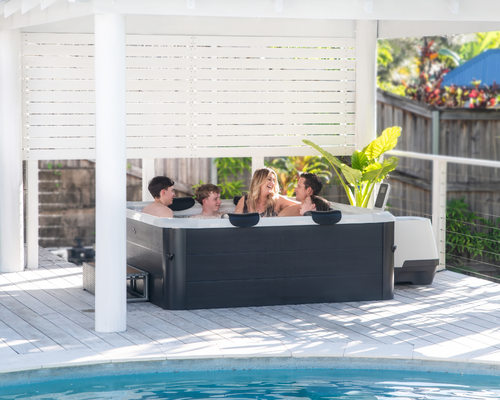
MSpa Oslo series: a timeless bestseller
The MSpa Oslo series is a perennial bestseller in global markets. With innovative engineering and premium performance, this completely portable spa line-up is expertly designed to meet the needs of customers worldwide. [more...]

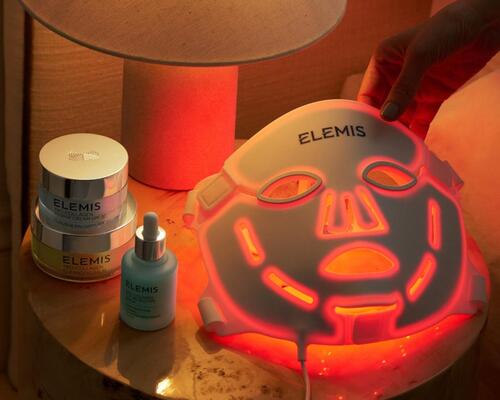
Elemis launches its first Red Light Mask, lighting the way to advanced skin health and restoration
Elemis has branched into LED skincare with the launch of its breakthrough Red Light Mask. [more...]
+ More featured suppliers  
COMPANY PROFILES
Agilysys UK Ltd

Agilysys, Inc. (Nasdaq: AGYS), is a leading global provider of hospitality software solutions that [more...]
The Wellness

Founded in 2007, headquartered in Dubai and based in Hong Kong and Singapore, The Wellness is an int [more...]
+ More profiles  
CATALOGUE GALLERY
 

+ More catalogues  

DIRECTORY
+ More directory  
DIARY


23-26 Aug 2026

Elevate Spa Riviera Maya Edition

The Riviera Maya Edition Kanai, Playa del Carmen, Mexico
10-12 Sep 2026

ASEAN Patio Pool Spa Expo 2026

MITEC Kuala Lumpur,Malaysia, Malaysia
+ More diary  
 
ABOUT LEISURE MEDIA
LEISURE MEDIA MAGAZINES
LEISURE MEDIA HANDBOOKS
LEISURE MEDIA WEBSITES
LEISURE MEDIA PRODUCT SEARCH
 
SPA BUSINESS
SPA OPPORTUNITIES
SPA BUSINESS HANDBOOK
PRINT SUBSCRIPTIONS
FREE DIGITAL SUBSCRIPTIONS
ADVERTISE . CONTACT US

Leisure Media
Tel: +44 (0)1462 431385

©Cybertrek 2026
Uniting the world of spa & wellness
Get Spa Business and Spa Business insider digital magazines FREE
Sign up here ▸
News   Products   Magazine   Subscribe
NEWS
People exercise less and drink more during lockdowns
POSTED 12 Jan 2021 . BY Tom Walker
Overall, there was a 20 per cent reduction in days where participants were doing 30 minutes or more moderate to vigorous physical activity Credit: Shutterstock.com/Timothy Kuiper
Some Brits drop their exercise habits, eat unhealthily and drink more alcohol during lockdowns, according to research from the University of East Anglia (UEA).

A study of 1,000 people, currently being tracked for the new tier 5 restrictions, shows how lifestyle behaviours changed in the first month of initial COVID-19 lockdown in April 2020, with a 20 per cent reduction in days where participants were doing 30 minutes or more moderate to vigorous physical activity.

The study, C‐19 health behaviour and well‐being daily tracker study, found some of the people at greatest risk of COVID-19 – including those who are overweight – demonstrated the most unhealthy behaviour changes.

At the start of the UK’s first lockdown, UEA researchers launched a project to track people’s lifestyle behaviours to understand the impact of lockdown on the health of the nation.

Participants were followed every day for three months in what the university says is the first study of its kind.

The study began on April 8 – two weeks after the lockdown was announced on 23 March – with participants completing a baseline questionnaire.

The team collected information on age, gender, ethnicity, weight, height, the number of adults and children in a household, whether people have any pre-existing medical conditions and whether they are in an at-risk group for COVID-19. Employment status and average monthly income were also taken into account.

Participants were asked to share information daily on their smoking habits, alcohol consumption, mental wellbeing, physical activity levels, sleep, and nutrition – as well as whether they are suffering COVID-19 relevant symptoms such as a persistent cough or fever.

According to UEA's Dr Felix Naughton, who led the study, the lockdown saw a dramatic drop in physical activity levels.

"We found that participants were doing significantly less exercise," he said.

"Our figures show that overall, there was a 20 per cent reduction in days where participants were doing 30 minutes or more moderate to vigorous physical activity. But interestingly people did report that they were doing a bit more strength training – with a 15 per cent increase in strength training per week.

“We found that those groups most at risk of COVID-19 were undertaking the least activity.

“We know that exercise helps improve immune function and could contribute to an increase in deconditioning and functional decline, particularly among older people – so the fact that those who are most at risk of being severely affected by COVID-19 were doing the least exercise is a worry.

"We recognise that social distancing and shielding can make exercise more difficult, so finding ways around this is important."

The team also found that people were also drinking more alcohol in total – with women drinking more frequently, but men drinking greater quantities per drinking occasion.

"Both of these are concerning because even relatively small changes in alcohol consumption can have a marked impact on long-term health," Naughton said.

"We found that being a key worker, older and male was associated with a greater number of drinks consumed on a typical day’s drinking, and consuming alcohol on a greater number of days was associated with being older and female.”

UEA's Prof Caitlin Notley who, alongside Naughton, worked on the study, added: “Our findings indicate that on average, people’s health behaviours worsened in the early stages of the COVID-19 pandemic measures.

"It is critical now that we reflect on these changes so that we can advise people of how best to protect their health in future lockdowns.

“If short term changes turn into longer-term habits, then people’s health could be compromised as a result. Changes may also become more entrenched with more restrictions in place – this is something the team will be tracking through our follow up data collection.

“Overall, it seems to be that worsening unhealthy behaviours were most associated with being younger, female and having a higher BMI.
RELATED STORIES
UK gyms will lose around £400m a month during lockdown


The UK physical activity sector will lose around £400m a month during lockdown.

UK gym industry calls for sector-specific government financial support


ukactive has called on the UK government to draft a new National Physical Activity Plan and provide further sector-specific financial protection for operators in the activity sector, to support the industry through the UK's third lockdown.
Glenn Earlam pushes back on reports of 'material uncertainty' at David Lloyd


David Lloyd Leisure has become the latest operator to have its auditors flag up the detrimental effect of the pandemic on the business.
MORE NEWS
One in three spa practitioners have considered leaving the industry due to concerns about their own wellbeing
A new survey of UK and international spa practitioners shows that stress, burnout and wellbeing concerns have caused one in three respondents to consider leaving the industry.
UK updates physical activity guidelines with focus on daily movement
The UK's four Chief Medical Officers have published a refreshed edition of Physical activity guidelines: UK Chief Medical Officers' report, updating the evidence that underpins the nation's physical activity recommendations and placing greater emphasis on strength, balance, reducing sedentary behaviour and, for the first time, supporting people taking weight loss medications.
Sauna advocate Becky Pelkonen drafts global public sauna-bathing charter
Becky Pelkonen, the sauna advocate and researcher, has unveiled the draft of a global public sauna-bathing charter.
Marriott International partners with Fitwel for wellness solutions across its residential portfolio
Marriott International has partnered with Fitwel, a healthy building certification system that aims to optimise occupant health.
Anna Bjurstam steps down from Six Senses to build new company Wahayla
Anna Bjurstam has left her role as Wellness Pioneer at Six Senses Hotels and Resorts and launched a new wellness, longevity and “consciousness consultancy” called Wahayla.
Fairmont Cheshire, The Mere, opens with spa philosophy of ‘Wellness without Walls’
Fairmont Cheshire, The Mere, has opened today (10 July) in the Northwest of England with a 1,715sq m Fairmont Spa that has been designed using a ‘Wellness without Walls’ concept.
+ More news   
 
FEATURED SUPPLIERS

MSpa Oslo series: a timeless bestseller
The MSpa Oslo series is a perennial bestseller in global markets. With innovative engineering and premium performance, this completely portable spa line-up is expertly designed to meet the needs of customers worldwide. [more...]

Elemis launches its first Red Light Mask, lighting the way to advanced skin health and restoration
Elemis has branched into LED skincare with the launch of its breakthrough Red Light Mask. [more...]
+ More featured suppliers  
COMPANY PROFILES
Agilysys UK Ltd

Agilysys, Inc. (Nasdaq: AGYS), is a leading global provider of hospitality software solutions that [more...]
+ More profiles  
CATALOGUE GALLERY
+ More catalogues  

DIRECTORY
+ More directory  
DIARY


23-26 Aug 2026

Elevate Spa Riviera Maya Edition

The Riviera Maya Edition Kanai, Playa del Carmen, Mexico
10-12 Sep 2026

ASEAN Patio Pool Spa Expo 2026

MITEC Kuala Lumpur,Malaysia, Malaysia
+ More diary  


ADVERTISE . CONTACT US

Leisure Media
Tel: +44 (0)1462 431385

©Cybertrek 2026

ABOUT LEISURE MEDIA
LEISURE MEDIA MAGAZINES
LEISURE MEDIA HANDBOOKS
LEISURE MEDIA WEBSITES
LEISURE MEDIA PRODUCT SEARCH
PRINT SUBSCRIPTIONS
FREE DIGITAL SUBSCRIPTIONS