Latest
issue
GET SPA BUSINESS
magazine
Yes! Send me the FREE digital editions of Spa Business and Spa Business insider magazines and the FREE weekly Spa Business and Spa Business insider ezines and breaking news alerts!
Not right now, thanksclose this window I've already subscribed.
Uniting the world of spa & wellness
Get Spa Business and Spa Business insider digital magazines FREE
Sign up here ▸
News   Features   Products   Company profilesProfiles   Press releasesProfiles   Magazine   Handbook   Advertise    Subscribe  
NEWS
Study: obesity linked with 13 common cancers globally
POSTED 09 Jan 2019 . BY Tom Walker
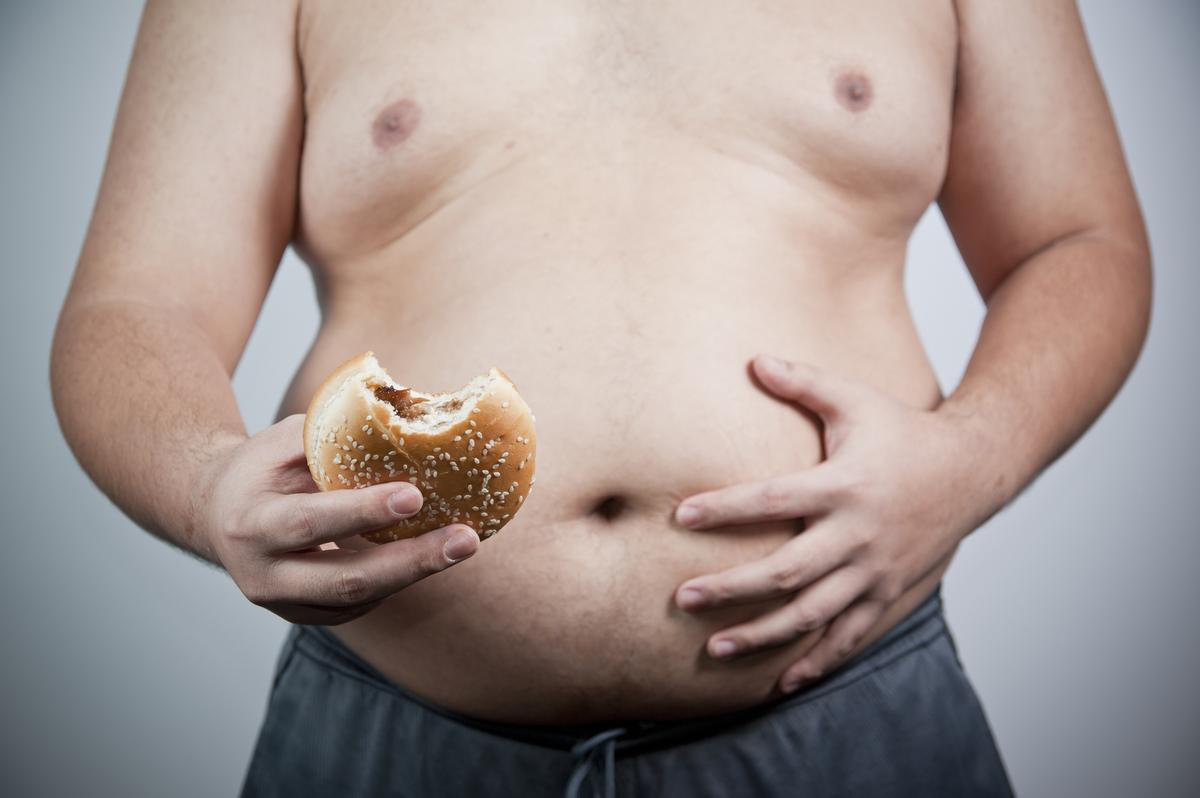
The study concludes that obesity is a leading factor in around 4 per cent of all worldwide cancer cases
Obese people have an increased risk of developing 13 types of cancer – and the threat is greatest in developed nations with sedentary populations.

The finding comes from a report published in the American Cancer Society's A Cancer Journal for Clinicians publication, which collected and studied datasets from around the world.

Titled Global patterns in excess body weight and the associated cancer burden, the study concludes that obesity is a leading factor in around 4 per cent of all worldwide cancer cases.

The study cites a report from the International Agency for Research on Cancer Working Group on Body Fatness in 2016, which concluded that there is "sufficient evidence" to link body fatness with the risk of 13 cancers – including breast cancer in women and colon, rectum, oesophagus, kidney, liver and stomach (cardia) cancer in both genders.

The total number of cancer cases attributable to excess body weight was more than twice as high in women (368,500 cases) as in men (175,800 cases).

Breast cancer was the largest contributor (114,800 cases or 31 per cent) among women, followed by endometrial cancer (98,400 cases or 27 per cent) and colorectal cancer (42,300 cases or 12 per cent).

In contrast, the largest contributor among men was liver cancer (54,600 cases or 31 per cent), followed by colorectal cancer (42,200 cases or 24 per cent) and kidney cancer (37,400 cases or 21 per cent).

Geographically, it is developed countries which seem to have the highest rates of cancers with a potential link to obesity.

Almost one half (46 per cent) of cancer cases attributable to excess body weight occurred in high-income, developed (or "Western") countries, reflecting both higher prevalence of excess body weight and higher incidence rates for many obesity‐related cancers.

Despite a relatively low prevalence of excess body weight, the East and South‐Eastern Asia region had the second largest share (87,600 cases or 16 per cent) – which the researchers attribute to its large population and high burden of liver cancer.

Central and Eastern Europe had the third largest share (or 14 per cent), followed by Latin America and the Caribbean (9 per cent), and Central Asia, the Middle East, and North Africa (6 per cent).

The study also outlines some of the reasons for obesity in modern societies.

"Built environments and transportation systems influence opportunities for physical activity, and consequently body weight," the report reads.

"A study conducted in eight provinces in China demonstrated that the likelihood of being obese was 80 per cent higher for men and women in households that owned a motorised vehicle, compared with those that did not own a vehicle.

"An international study showed that adults in the most activity‐supportive environments were twice as likely to meet physical activity guidelines as those in the least supportive neighbourhoods. The high prevalence of active transport (cycling) in the Netherlands likely contributes to the country's relatively low obesity."

The report also highlights that cultural body‐size preferences can have an effect on obesity rates. Increased food access and reduced physical activity may have a stronger influence in countries where large body size is associated with positive attributes – compared with countries where small body size is valued.

"In the United States, the percentage of overweight (but not obese) individuals who described their weight as “about right” increased significantly between the early 1990s and the early 2010s, suggesting changes in perceptions about healthy body size", the researchers suggest.

To read the full report, click here for A Cancer Journal for Clinicians publication

RELATED STORIES
  Clear advice and empathy from doctors accelerates weight loss


People who seek medical advice about weight loss have hugely different outcomes depending on how their doctor addresses the matter and how sympathetic they feel their doctor to be.
  Study: exercise more important than diet in maintaining weight loss


Physical activity is crucial in order to maintain substantial weight loss – and more important than a person's diet.
  University study to investigate 'important role' of exercise in cancer care


Northumbria University (NU) has set out to uncover in detail the important role that structured exercise programmes can play in living with and beyond cancer.
  Physical activity boosts brain function in overweight individuals


Exercise has the ability to improve brain function in previously sedentary, overweight individuals.
MORE NEWS
UK updates physical activity guidelines with focus on daily movement
The UK's four Chief Medical Officers have published a refreshed edition of Physical activity guidelines: UK Chief Medical Officers' report, updating the evidence that underpins the nation's physical activity recommendations and placing greater emphasis on strength, balance, reducing sedentary behaviour and, for the first time, supporting people taking weight loss medications.
Sauna advocate Becky Pelkonen drafts global public sauna-bathing charter
Becky Pelkonen, the sauna advocate and researcher, has unveiled the draft of a global public sauna-bathing charter.
Marriott International partners with Fitwel for wellness solutions across its residential portfolio
Marriott International has partnered with Fitwel, a healthy building certification system that aims to optimise occupant health.
Anna Bjurstam steps down from Six Senses to build new company Wahayla
Anna Bjurstam has left her role as Wellness Pioneer at Six Senses Hotels and Resorts and launched a new wellness, longevity and “consciousness consultancy” called Wahayla.
+ More news   

FEATURED SUPPLIERS

MSpa Oslo series: a timeless bestseller
The MSpa Oslo series is a perennial bestseller in global markets. With innovative engineering and premium performance, this completely portable spa line-up is expertly designed to meet the needs of customers worldwide. [more...]

Elemis launches its first Red Light Mask, lighting the way to advanced skin health and restoration
Elemis has branched into LED skincare with the launch of its breakthrough Red Light Mask. [more...]
+ More featured suppliers  
COMPANY PROFILES
Beautylizer

Beautylizer brings its deep aesthetic expertise and strong R&D focus to holistic wellness, offeri [more...]
Nilo Spa Design

Nilo SPA Design, part of the Maletti group, has led the Beauty & Wellness sector for over 35 years p [more...]
+ More profiles  
CATALOGUE GALLERY
 

+ More catalogues  

DIRECTORY
+ More directory  
DIARY


23-26 Aug 2026

Elevate Spa Riviera Maya Edition

The Riviera Maya Edition Kanai, Playa del Carmen, Mexico
10-12 Sep 2026

ASEAN Patio Pool Spa Expo 2026

MITEC Kuala Lumpur,Malaysia, Malaysia
+ More diary  
 
ABOUT LEISURE MEDIA
LEISURE MEDIA MAGAZINES
LEISURE MEDIA HANDBOOKS
LEISURE MEDIA WEBSITES
LEISURE MEDIA PRODUCT SEARCH
 
SPA BUSINESS
SPA OPPORTUNITIES
SPA BUSINESS HANDBOOK
PRINT SUBSCRIPTIONS
FREE DIGITAL SUBSCRIPTIONS
ADVERTISE . CONTACT US

Leisure Media
Tel: +44 (0)1462 431385

©Cybertrek 2026
Uniting the world of spa & wellness
Get Spa Business and Spa Business insider digital magazines FREE
Sign up here ▸
News   Products   Magazine   Subscribe
NEWS
Study: obesity linked with 13 common cancers globally
POSTED 09 Jan 2019 . BY Tom Walker
The study concludes that obesity is a leading factor in around 4 per cent of all worldwide cancer cases
Obese people have an increased risk of developing 13 types of cancer – and the threat is greatest in developed nations with sedentary populations.

The finding comes from a report published in the American Cancer Society's A Cancer Journal for Clinicians publication, which collected and studied datasets from around the world.

Titled Global patterns in excess body weight and the associated cancer burden, the study concludes that obesity is a leading factor in around 4 per cent of all worldwide cancer cases.

The study cites a report from the International Agency for Research on Cancer Working Group on Body Fatness in 2016, which concluded that there is "sufficient evidence" to link body fatness with the risk of 13 cancers – including breast cancer in women and colon, rectum, oesophagus, kidney, liver and stomach (cardia) cancer in both genders.

The total number of cancer cases attributable to excess body weight was more than twice as high in women (368,500 cases) as in men (175,800 cases).

Breast cancer was the largest contributor (114,800 cases or 31 per cent) among women, followed by endometrial cancer (98,400 cases or 27 per cent) and colorectal cancer (42,300 cases or 12 per cent).

In contrast, the largest contributor among men was liver cancer (54,600 cases or 31 per cent), followed by colorectal cancer (42,200 cases or 24 per cent) and kidney cancer (37,400 cases or 21 per cent).

Geographically, it is developed countries which seem to have the highest rates of cancers with a potential link to obesity.

Almost one half (46 per cent) of cancer cases attributable to excess body weight occurred in high-income, developed (or "Western") countries, reflecting both higher prevalence of excess body weight and higher incidence rates for many obesity‐related cancers.

Despite a relatively low prevalence of excess body weight, the East and South‐Eastern Asia region had the second largest share (87,600 cases or 16 per cent) – which the researchers attribute to its large population and high burden of liver cancer.

Central and Eastern Europe had the third largest share (or 14 per cent), followed by Latin America and the Caribbean (9 per cent), and Central Asia, the Middle East, and North Africa (6 per cent).

The study also outlines some of the reasons for obesity in modern societies.

"Built environments and transportation systems influence opportunities for physical activity, and consequently body weight," the report reads.

"A study conducted in eight provinces in China demonstrated that the likelihood of being obese was 80 per cent higher for men and women in households that owned a motorised vehicle, compared with those that did not own a vehicle.

"An international study showed that adults in the most activity‐supportive environments were twice as likely to meet physical activity guidelines as those in the least supportive neighbourhoods. The high prevalence of active transport (cycling) in the Netherlands likely contributes to the country's relatively low obesity."

The report also highlights that cultural body‐size preferences can have an effect on obesity rates. Increased food access and reduced physical activity may have a stronger influence in countries where large body size is associated with positive attributes – compared with countries where small body size is valued.

"In the United States, the percentage of overweight (but not obese) individuals who described their weight as “about right” increased significantly between the early 1990s and the early 2010s, suggesting changes in perceptions about healthy body size", the researchers suggest.

To read the full report, click here for A Cancer Journal for Clinicians publication

RELATED STORIES
Clear advice and empathy from doctors accelerates weight loss


People who seek medical advice about weight loss have hugely different outcomes depending on how their doctor addresses the matter and how sympathetic they feel their doctor to be.
Study: exercise more important than diet in maintaining weight loss


Physical activity is crucial in order to maintain substantial weight loss – and more important than a person's diet.
University study to investigate 'important role' of exercise in cancer care


Northumbria University (NU) has set out to uncover in detail the important role that structured exercise programmes can play in living with and beyond cancer.
Physical activity boosts brain function in overweight individuals


Exercise has the ability to improve brain function in previously sedentary, overweight individuals.
MORE NEWS
UK updates physical activity guidelines with focus on daily movement
The UK's four Chief Medical Officers have published a refreshed edition of Physical activity guidelines: UK Chief Medical Officers' report, updating the evidence that underpins the nation's physical activity recommendations and placing greater emphasis on strength, balance, reducing sedentary behaviour and, for the first time, supporting people taking weight loss medications.
Sauna advocate Becky Pelkonen drafts global public sauna-bathing charter
Becky Pelkonen, the sauna advocate and researcher, has unveiled the draft of a global public sauna-bathing charter.
Marriott International partners with Fitwel for wellness solutions across its residential portfolio
Marriott International has partnered with Fitwel, a healthy building certification system that aims to optimise occupant health.

Anna Bjurstam steps down from Six Senses to build new company Wahayla
Anna Bjurstam has left her role as Wellness Pioneer at Six Senses Hotels and Resorts and launched a new wellness, longevity and “consciousness consultancy” called Wahayla.
Fairmont Cheshire, The Mere, opens with spa philosophy of ‘Wellness without Walls’
Fairmont Cheshire, The Mere, has opened today (10 July) in the Northwest of England with a 1,715sq m Fairmont Spa that has been designed using a ‘Wellness without Walls’ concept.
'Minor wellness hotels' recorded the strongest growth across top KPIs in 2025, finds RLA Global
Wellness hotels generating less than US$1 million (€932,700, £785,200) – or 10 per cent of total revenue from wellness and leisure – recorded the strongest RevPAR and TRevPAR growth in 2025 across categories when compared with 2024, according to the latest Wellness Real Estate Report by RLA Global, produced in partnership with P and L benchmarking firm HotStats.
+ More news   
 
FEATURED SUPPLIERS

MSpa Oslo series: a timeless bestseller
The MSpa Oslo series is a perennial bestseller in global markets. With innovative engineering and premium performance, this completely portable spa line-up is expertly designed to meet the needs of customers worldwide. [more...]

Elemis launches its first Red Light Mask, lighting the way to advanced skin health and restoration

Elemis has branched into LED skincare with the launch of its breakthrough Red Light Mask. [more...]
+ More featured suppliers  
COMPANY PROFILES
Beautylizer

Beautylizer brings its deep aesthetic expertise and strong R&D focus to holistic wellness, offeri [more...]
+ More profiles  
CATALOGUE GALLERY
+ More catalogues  

DIRECTORY
+ More directory  
DIARY


23-26 Aug 2026

Elevate Spa Riviera Maya Edition

The Riviera Maya Edition Kanai, Playa del Carmen, Mexico

10-12 Sep 2026

ASEAN Patio Pool Spa Expo 2026

MITEC Kuala Lumpur,Malaysia, Malaysia
+ More diary  


ADVERTISE . CONTACT US

Leisure Media
Tel: +44 (0)1462 431385

©Cybertrek 2026

ABOUT LEISURE MEDIA
LEISURE MEDIA MAGAZINES
LEISURE MEDIA HANDBOOKS
LEISURE MEDIA WEBSITES
LEISURE MEDIA PRODUCT SEARCH
PRINT SUBSCRIPTIONS
FREE DIGITAL SUBSCRIPTIONS