Latest
issue
GET SPA BUSINESS
magazine
Yes! Send me the FREE digital editions of Spa Business and Spa Business insider magazines and the FREE weekly Spa Business and Spa Business insider ezines and breaking news alerts!
Not right now, thanksclose this window I've already subscribed.
Uniting the world of spa & wellness
Get Spa Business and Spa Business insider digital magazines FREE
Sign up here ▸
News   Features   Products   Company profilesProfiles   Press releasesProfiles   Magazine   Handbook   Advertise    Subscribe  
NEWS
TrendsWatch annual report says radical reshaping of the workplace will affect museums sector
POSTED 09 Mar 2016 . BY Tom Anstey
The report says flexible work hours combined with the mutation of work into a 24/7 proposition means time is being freed up for more flexible leisure activities Credit: Shutterstock.com
The 2016 edition of the TrendsWatch report – which highlights trends to watch out for in
museums in the coming year – has predicted culture of work, the spectrum of ability, and the struggle over representation to be prominent trends in the sector.

Written by Elizabeth Merritt of the Center for the Future of Museums (CFM), the report, from the CFM and the American Alliance of Museums (AAM), annually identifies the major trends that will shape the way museums worldwide will handle affairs, do business and engage visitors.

At the top of this year’s agenda is the concept of Labor 3.0 – the radical reshaping of the workplace thanks to technology, culture and economic forces.

“The continued mutation of work into a 24/7 proposition may leave people even less time for leisure,” says the report. “On the other hand, flexible work hours, the rise of freelance and contract labour, as well as “sharing economy” jobs, create a large class of people with the flexibility to visit when it suits them.”

Additionally, the report says that the evolving economy and job market will redefine what people expect from museums in terms of education and training opportunities, with museums finding themselves using more part-time and outsourced labour, characterised by temporary teams of skilled specialists.

The document also looks at how the next quarter of a century might unfold in relation to the disabled and how advancing technology is expanding the spectrum of human ability. It’s suggested that museums are about to meet a “new kind of visitor” – people who experience the world in ways no human ever has before.

Merritt encourages museums to play a leadership role in society, acting as thought leaders, educators and ethicists. For that to work though, museums must stand at the forefront of disability rights, rather than treading the narrowly legal trailing edge. Additionally, significant numbers of people choosing to enhance and expand their senses through technology would profoundly alter the experience of art and music created in a pre-augmentation era. The report added that museums will have to adapt everything right down to exhibit and public space design to accommodate the augmentable era.

Not only is augmented reality going to play a huge role in the future of museums; so too will virtual reality. With museums needing to stay one step ahead of the game when it comes to future tech, as VR and AR become more affordable, these institutions will need to be able to develop experiences which will draw visitors to their attraction. Increasingly sophisticated AR and VR
experiences will heighten the impact museums can make as they push their content out into the world via these platforms.

The struggle over representation and identity was also spotlighted in the report, with museums finding themselves often in delicate positions in a sometimes volatile social media age.

“Objects – powerful symbols of individuals, groups, history and society as a whole – have become explosive points of contention.” reads the report. “Museums, as public stewards of our collective history, find themselves enmeshed in the struggle over representation, identity and material culture.”

What this means for museums, says Merritt, is they are being called to act as “cultural hazmat teams”, for example taking down confederate flags or removing commemorative plaques. As time goes on, museums will have to address how they cover certain topics, deciding whether and how to play a role in decommissioning or relocating culturally explosive icons in their states, cities and communities.

The final trend identifies a rebellion against financial focus, with museums using non-financial metrics such as happiness, wellbeing and satisfaction for its workers. In the absence of shared measures of wellbeing, museums often fall back on trying to demonstrate financial impact. Given traditionally low museum salaries, the report suggests it may be more realistic for the sector to focus on employee happiness and wellbeing, as well as trying to budget financial incentives.

To read the full report click here.

RELATED STORIES
  Wearable tech revolution, open culture and ethical scrutiny all forecast in 2015 museums TrendsWatch report


The 2015 edition of the TrendsWatch report, which highlights trends to watch out for in museums in the coming year has been released, with rising tides, wearable tech and open culture all on the agenda.
  2014 TrendsWatch forecasts museum innovation


The 2014 TrendsWatch report has highlighted a number of predicted museum trends for the coming year, including robots, big data, the rise of social entrepreneurs and the economy of collaborative consumption.
MORE NEWS
Marriott International partners with Fitwel for wellness solutions across its residential portfolio
Marriott International has partnered with Fitwel, a healthy building certification system that aims to optimise occupant health.
Anna Bjurstam steps down from Six Senses to build new company Wahayla
Anna Bjurstam has left her role as Wellness Pioneer at Six Senses Hotels and Resorts and launched a new wellness, longevity and “consciousness consultancy” called Wahayla.
Fairmont Cheshire, The Mere, opens with spa philosophy of ‘Wellness without Walls’
Fairmont Cheshire, The Mere, has opened today (10 July) in the Northwest of England with a 1,715sq m Fairmont Spa that has been designed using a ‘Wellness without Walls’ concept.
'Minor wellness hotels' recorded the strongest growth across top KPIs in 2025, finds RLA Global
Wellness hotels generating less than US$1 million (€932,700, £785,200) – or 10 per cent of total revenue from wellness and leisure – recorded the strongest RevPAR and TRevPAR growth in 2025 across categories when compared with 2024, according to the latest Wellness Real Estate Report by RLA Global, produced in partnership with P and L benchmarking firm HotStats.
+ More news   

FEATURED SUPPLIERS

Elemis launches its first Red Light Mask, lighting the way to advanced skin health and restoration
Elemis has branched into LED skincare with the launch of its breakthrough Red Light Mask. [more...]

Embrace the chill: TechnoAlpin's Snowsky revolutionises post-fitness recovery with falling snow
In the fast-paced world of fitness and wellness, where high-intensity workouts push us to our limits and the sweat pours, the importance of efficient recovery cannot be overstated. [more...]
+ More featured suppliers  
COMPANY PROFILES
Comfort Zone

Comfort Zone’s comprehensive face and body professional and retail range allows clients to experien [more...]
Elemental Herbology

Founded in 2008 by a Traditional Chinese Medicine Practitioner, Elemental Herbology is a spa, retail [more...]
+ More profiles  
CATALOGUE GALLERY
 

+ More catalogues  

DIRECTORY
+ More directory  
DIARY


23-26 Aug 2026

Elevate Spa Riviera Maya Edition

The Riviera Maya Edition Kanai, Playa del Carmen, Mexico
10-12 Sep 2026

ASEAN Patio Pool Spa Expo 2026

MITEC Kuala Lumpur,Malaysia, Malaysia
+ More diary  
 
ABOUT LEISURE MEDIA
LEISURE MEDIA MAGAZINES
LEISURE MEDIA HANDBOOKS
LEISURE MEDIA WEBSITES
LEISURE MEDIA PRODUCT SEARCH
 
SPA BUSINESS
SPA OPPORTUNITIES
SPA BUSINESS HANDBOOK
PRINT SUBSCRIPTIONS
FREE DIGITAL SUBSCRIPTIONS
ADVERTISE . CONTACT US

Leisure Media
Tel: +44 (0)1462 431385

©Cybertrek 2026
Uniting the world of spa & wellness
Get Spa Business and Spa Business insider digital magazines FREE
Sign up here ▸
News   Products   Magazine   Subscribe
NEWS
TrendsWatch annual report says radical reshaping of the workplace will affect museums sector
POSTED 09 Mar 2016 . BY Tom Anstey
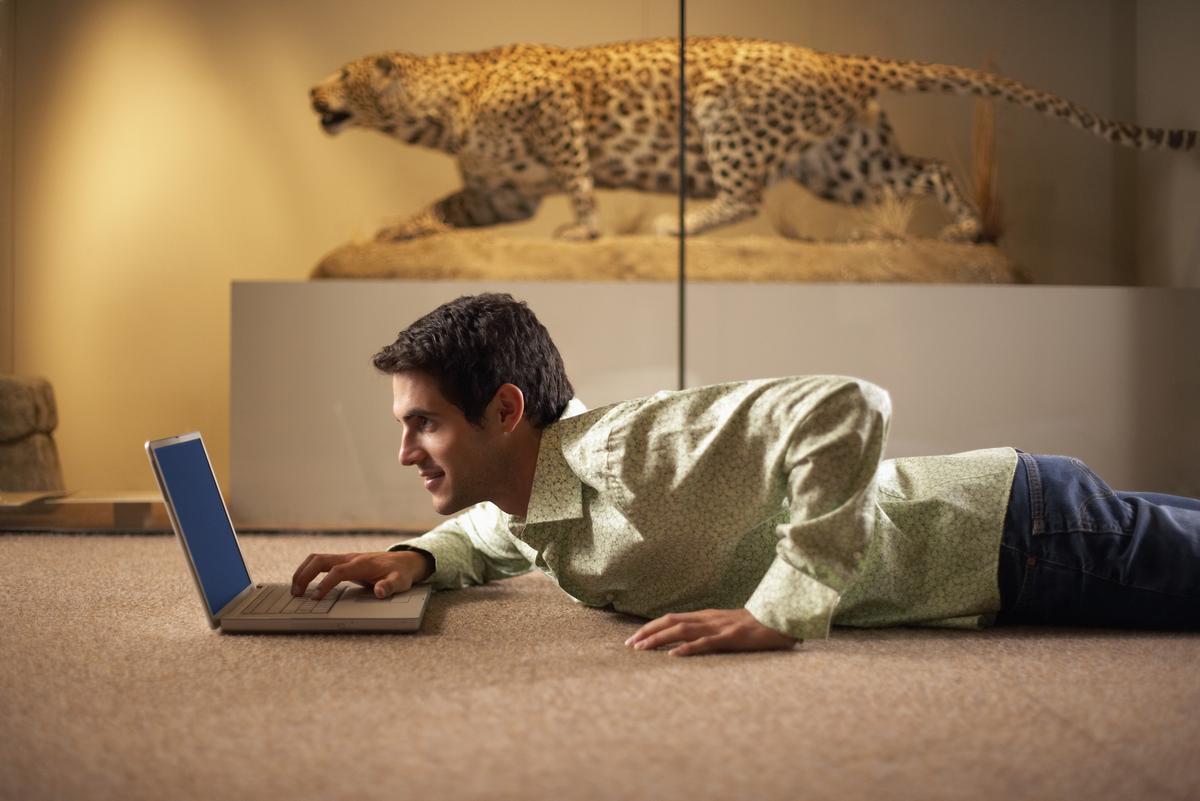
The report says flexible work hours combined with the mutation of work into a 24/7 proposition means time is being freed up for more flexible leisure activities Credit: Shutterstock.com
The 2016 edition of the TrendsWatch report – which highlights trends to watch out for in
museums in the coming year – has predicted culture of work, the spectrum of ability, and the struggle over representation to be prominent trends in the sector.

Written by Elizabeth Merritt of the Center for the Future of Museums (CFM), the report, from the CFM and the American Alliance of Museums (AAM), annually identifies the major trends that will shape the way museums worldwide will handle affairs, do business and engage visitors.

At the top of this year’s agenda is the concept of Labor 3.0 – the radical reshaping of the workplace thanks to technology, culture and economic forces.

“The continued mutation of work into a 24/7 proposition may leave people even less time for leisure,” says the report. “On the other hand, flexible work hours, the rise of freelance and contract labour, as well as “sharing economy” jobs, create a large class of people with the flexibility to visit when it suits them.”

Additionally, the report says that the evolving economy and job market will redefine what people expect from museums in terms of education and training opportunities, with museums finding themselves using more part-time and outsourced labour, characterised by temporary teams of skilled specialists.

The document also looks at how the next quarter of a century might unfold in relation to the disabled and how advancing technology is expanding the spectrum of human ability. It’s suggested that museums are about to meet a “new kind of visitor” – people who experience the world in ways no human ever has before.

Merritt encourages museums to play a leadership role in society, acting as thought leaders, educators and ethicists. For that to work though, museums must stand at the forefront of disability rights, rather than treading the narrowly legal trailing edge. Additionally, significant numbers of people choosing to enhance and expand their senses through technology would profoundly alter the experience of art and music created in a pre-augmentation era. The report added that museums will have to adapt everything right down to exhibit and public space design to accommodate the augmentable era.

Not only is augmented reality going to play a huge role in the future of museums; so too will virtual reality. With museums needing to stay one step ahead of the game when it comes to future tech, as VR and AR become more affordable, these institutions will need to be able to develop experiences which will draw visitors to their attraction. Increasingly sophisticated AR and VR
experiences will heighten the impact museums can make as they push their content out into the world via these platforms.

The struggle over representation and identity was also spotlighted in the report, with museums finding themselves often in delicate positions in a sometimes volatile social media age.

“Objects – powerful symbols of individuals, groups, history and society as a whole – have become explosive points of contention.” reads the report. “Museums, as public stewards of our collective history, find themselves enmeshed in the struggle over representation, identity and material culture.”

What this means for museums, says Merritt, is they are being called to act as “cultural hazmat teams”, for example taking down confederate flags or removing commemorative plaques. As time goes on, museums will have to address how they cover certain topics, deciding whether and how to play a role in decommissioning or relocating culturally explosive icons in their states, cities and communities.

The final trend identifies a rebellion against financial focus, with museums using non-financial metrics such as happiness, wellbeing and satisfaction for its workers. In the absence of shared measures of wellbeing, museums often fall back on trying to demonstrate financial impact. Given traditionally low museum salaries, the report suggests it may be more realistic for the sector to focus on employee happiness and wellbeing, as well as trying to budget financial incentives.

To read the full report click here.

RELATED STORIES
Wearable tech revolution, open culture and ethical scrutiny all forecast in 2015 museums TrendsWatch report


The 2015 edition of the TrendsWatch report, which highlights trends to watch out for in museums in the coming year has been released, with rising tides, wearable tech and open culture all on the agenda.

2014 TrendsWatch forecasts museum innovation


The 2014 TrendsWatch report has highlighted a number of predicted museum trends for the coming year, including robots, big data, the rise of social entrepreneurs and the economy of collaborative consumption.
MORE NEWS
Marriott International partners with Fitwel for wellness solutions across its residential portfolio
Marriott International has partnered with Fitwel, a healthy building certification system that aims to optimise occupant health.
Anna Bjurstam steps down from Six Senses to build new company Wahayla
Anna Bjurstam has left her role as Wellness Pioneer at Six Senses Hotels and Resorts and launched a new wellness, longevity and “consciousness consultancy” called Wahayla.
Fairmont Cheshire, The Mere, opens with spa philosophy of ‘Wellness without Walls’
Fairmont Cheshire, The Mere, has opened today (10 July) in the Northwest of England with a 1,715sq m Fairmont Spa that has been designed using a ‘Wellness without Walls’ concept.
'Minor wellness hotels' recorded the strongest growth across top KPIs in 2025, finds RLA Global
Wellness hotels generating less than US$1 million (€932,700, £785,200) – or 10 per cent of total revenue from wellness and leisure – recorded the strongest RevPAR and TRevPAR growth in 2025 across categories when compared with 2024, according to the latest Wellness Real Estate Report by RLA Global, produced in partnership with P and L benchmarking firm HotStats.
Lefay Resorts introduces emotional dance classes to offer experiences that foster connection
Lefay Resorts, the portfolio of two luxury wellness properties in Italy, has added emotional dance classes and group cold plunge sessions in response to market demand for social connection.
Robert Thurman: a life dedicated to enlightenment
Robert Thurman, an expert on Tibetan Buddhism and the spiritual director of Menla Retreat and Dewa Spa in Woodstock, has died, aged 84.
+ More news   
 
FEATURED SUPPLIERS

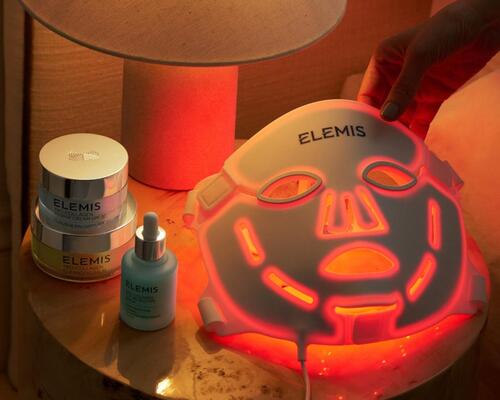
Elemis launches its first Red Light Mask, lighting the way to advanced skin health and restoration
Elemis has branched into LED skincare with the launch of its breakthrough Red Light Mask. [more...]

Embrace the chill: TechnoAlpin's Snowsky revolutionises post-fitness recovery with falling snow
In the fast-paced world of fitness and wellness, where high-intensity workouts push us to our limits and the sweat pours, the importance of efficient recovery cannot be overstated. [more...]
+ More featured suppliers  
COMPANY PROFILES
Comfort Zone

Comfort Zone’s comprehensive face and body professional and retail range allows clients to experien [more...]
+ More profiles  
CATALOGUE GALLERY
+ More catalogues  

DIRECTORY
+ More directory  
DIARY


23-26 Aug 2026

Elevate Spa Riviera Maya Edition

The Riviera Maya Edition Kanai, Playa del Carmen, Mexico
10-12 Sep 2026

ASEAN Patio Pool Spa Expo 2026

MITEC Kuala Lumpur,Malaysia, Malaysia
+ More diary  


ADVERTISE . CONTACT US

Leisure Media
Tel: +44 (0)1462 431385

©Cybertrek 2026

ABOUT LEISURE MEDIA
LEISURE MEDIA MAGAZINES
LEISURE MEDIA HANDBOOKS
LEISURE MEDIA WEBSITES
LEISURE MEDIA PRODUCT SEARCH
PRINT SUBSCRIPTIONS
FREE DIGITAL SUBSCRIPTIONS