Latest
issue
Uniting the world of spa & wellness
Get Spa Business and Spa Business insider digital magazines FREE
Sign up here ▸
News   Features   Products   Company profilesProfiles   Press releasesProfiles   Magazine   Handbook   Advertise    Subscribe  
NEWS
Yale study shows HIIT can reverse nerve damage caused by Parkinson’s
POSTED 28 Feb 2024 . BY Kath Hudson
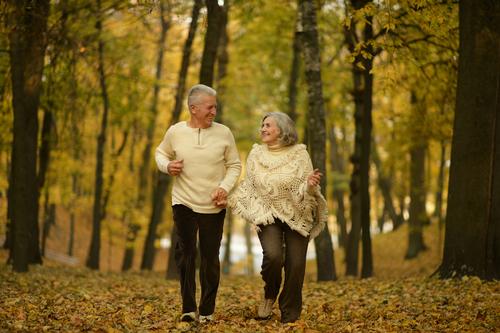
Research shows HIIT can roll back the damage of Parkinson's disease Credit: Shutterstock/Shevtsovy
Study by Yale School of Medicine reveals HIIT can reverse neurodegeneration associated with Parkinson’s disease
For the first time, brain scans were used in Parkinson’s research
HIIT three times weekly shown to rebuild dopamine-producing neurons
Researchers say exercise should be prescribed as part of the treatment
According to a pilot study by Yale School of Medicine, exercise can not only slow down the neurodegeneration associated with Parkinson’s Disease, there is evidence it can also reverse the damage.

Parkinson’s is currently the most increasingly prevalent neurological disease and estimated to impact more than 12 million people worldwide by 2040. It currently has no cure – only medication to treat the symptoms – so this new study by Yale holds promise that exercise could help to mitigate the enormous personal and economic costs the disease presents.

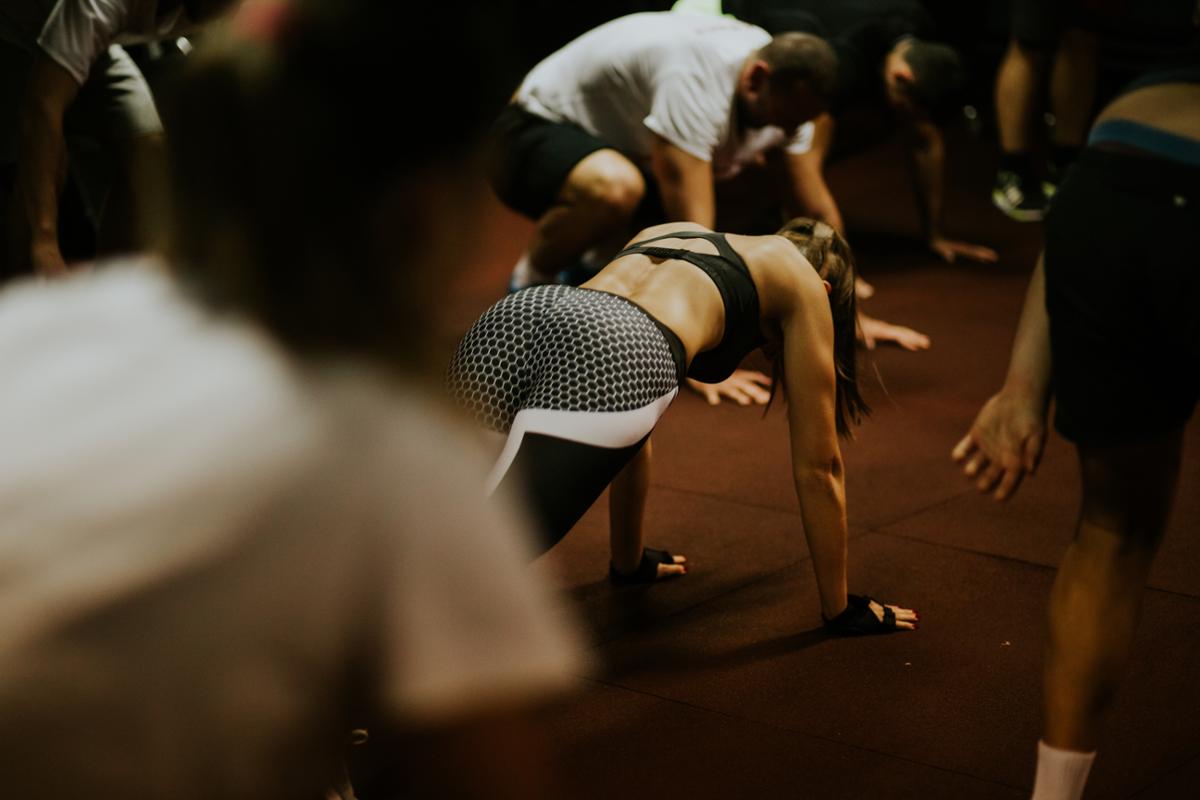
Two previous clinical trials have shown that engaging in high-intensity exercise three times a week for six months is correlated with less severe motor symptoms. This study, published in npj Parkinson’s Disease earlier this year, went one step further and for the first time, used brain scans to find evidence of further health benefits.

Parkinson’s disease is caused by the misfolding of alpha synuclein protein, which accumulates within neurons and damages them. As the cells die off, the lack of dopamine creates the physical symptoms, particularly motor tremors and slowed movements. As it’s such a gradual progression, by the time patients are diagnosed they have usually lost more than half of their dopamine-producing neurons.

“By the time patients clinically manifest the typical motor symptoms of Parkinson’s, you can assume that the neurodegenerative process actually started much earlier, maybe a decade or two,” says Sue Tinaz, associate professor of neurology and co-principal investigator.

The most common available medication replaces the dopamine, which alleviates the symptoms but doesn’t prevent the ongoing neurodegeneration. Long-term use can also cause undesirable side effects, such as uncontrolled excessive movements.

However, high-intensity aerobic exercise has been shown to preserve the dopamine-producing neurons, which are the brain cells most vulnerable to destruction in patients with the disease and also the chemical in the brain which helps cells communicate with each other.

Yale’s proof-of-concept study involved 10 patients who had been diagnosed for less than four years and had not lost all of their dopamine-producing neurons. They went through a two-week trial to check they could handle the training, after which they received MRI and PET scans to measure the amount of neuromelanine found in dopamine-producing neurons and the protein dopamine transporter (DAT) which helps the neurons maintain proper dopamine levels.

After six months of HIIT three times a week, the scans were repeated and the brain imaging showed a significant increase in both the neuromelanin and DAT signals in the part of the brain called the substantia nigra. Researchers say this suggests high-intensity exercise not only slowed down the neurodegenerative process but help the dopaminergic system grow healthier.

“Where we would have ordinarily expected to see a decline in the DAT and neuromelanin signals, we saw an increase,” says Bart de Laat, associate professor adjunct in psychiatry and the study’s first author. “We had hoped to see that the neurodegeneration would not progress as quickly or stop temporarily, but instead we saw an increase in nine out of 10 people. That was remarkable.”

Tinaz says the study highlights the importance of including an exercise regimen as part of a Parkinson’s treatment plan: “The medications we have available are only for symptomatic treatment. They do not change the disease course. But exercise seems to go one step beyond and protect the brain at the neuronal level.”

The team hopes its work will inspire other scientists to prioritise research into exercise and its disease-modifying potential.

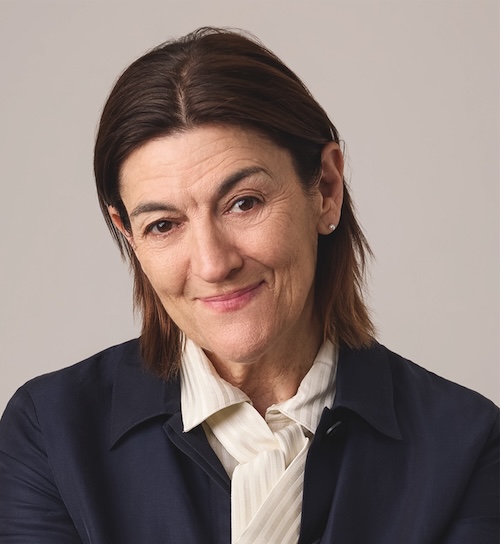
HCM editor, Liz Terry said: "Although we've known for many years that exercise benefits overall health, new and exciting research such this study from the team at Yale is proving that physical activity, when delivered with expertise, can also create extraordinary results for people living with the most challenging health conditions, such as Parkinson's and stroke.

"Historically, people with conditions such as these would not have ventured into the realm of exercise, but we know now that it can be transformational and also that they can take part safely and this will increasingly open up opportunities for the physical activity sector to work with the medical profession to transform lives."

Life Fitness founder, Augie Nieto was an example of how exercise can ameliorate the effects of a neurological disorder.

Nieto was convinced his strict exercise regime and adapted equipment helped him to live better and longer with ALS.

Following his diagnosis in 2005, Nieto lived with the condition for an exceptional 18 years and with his wife Lynne by his side, overcame successive setbacks and physical decline, using an exercise and wellness regime to improve his prognosis, with regular visits to work with physical therapist at Claremont Club’s Project Walk and home workouts on specially adapted Hammer Strength and Life Fitness machines. He also followed a special nutrition programme that was delivered via his feeding tube.

Read more about Augie Nieto's extraordinary life here.



RELATED STORIES
  Those living with Parkinson’s can benefit from physical activity, research shows


Physical activity can improve the health and quality of life of people living Parkinson's disease (PD), researchers have concluded.
  Cutting sedentary behaviour helps combat Parkinson's symptoms: study


Keeping up daily doses of regular activity, rather than sporadic exercise sessions, is the best way to combat the debilitating symptoms of Parkinson's disease.
MORE NEWS
HCM News: Taking GLP-1s is linked to a decline in physical activity
People taking GLP-1 weight loss medications such as Ozempic, Wegovy, Mounjaro and Zepbound may be losing weight, but they’re also becoming less physically active, according to new research presented at the ENDO 2026 annual meeting of the Endocrine Society
Mubadala makes €1 billion bid for Pierre and Vacances
Abu Dhabi-based investment firm Mubadala Capital has made a binding, fully financed €1 billion offer to acquire Pierre and Vacances SA, the European holiday resort operator behind the continental European Center Parcs business.
Synergy The Retreat Show launches resource for retreat business leaders to showcase specialisms
Global retreat trade show, Synergy The Retreat Show, has launched a resource called The Source, which hosts an open-access online Transformation Series programme.
The SATCC announces first five-day Living with Cancer and Beyond retreat
The Standards Authority for Touch in Cancer Care (SATCC) charity has announced its first five- day Living with Cancer and Beyond retreat, which will be held at Carden Park Hotel and Spa in Cheshire, UK, between 1 and 5 September.
+ More news   

FEATURED SUPPLIERS

Why future-ready in-house laundry is the new luxury spa essential
In today’s premium spa environment, every detail shapes the guest experience – right down to the softness of towels and the freshness of linens. [more...]

Embrace the chill: TechnoAlpin's Snowsky revolutionises post-fitness recovery with falling snow
In the fast-paced world of fitness and wellness, where high-intensity workouts push us to our limits and the sweat pours, the importance of efficient recovery cannot be overstated. [more...]
+ More featured suppliers  
COMPANY PROFILES
HPO.Tech Hyperbaric Systems

Founded in 2020 in Istanbul, HPO.Tech combines 15+ years of expertise in hyperbaric technology, divi [more...]
Life Fitness/Hammer Strength

Life Fitness / Hammer Strength works with some of the world’s most recognised hospitality brands, su [more...]
+ More profiles  
CATALOGUE GALLERY
 

+ More catalogues  

DIRECTORY
+ More directory  
DIARY


03-05 Jul 2026

World Championship in Massage

Copenhagen, Copenhagen, Denmark
23-26 Aug 2026

Elevate Spa Riviera Maya Edition

The Riviera Maya Edition Kanai, Playa del Carmen, Mexico
+ More diary  
 
ABOUT LEISURE MEDIA
LEISURE MEDIA MAGAZINES
LEISURE MEDIA HANDBOOKS
LEISURE MEDIA WEBSITES
LEISURE MEDIA PRODUCT SEARCH
 
SPA BUSINESS
SPA OPPORTUNITIES
SPA BUSINESS HANDBOOK
PRINT SUBSCRIPTIONS
FREE DIGITAL SUBSCRIPTIONS
ADVERTISE . CONTACT US

Leisure Media
Tel: +44 (0)1462 431385

©Cybertrek 2026
Uniting the world of spa & wellness
Get Spa Business and Spa Business insider digital magazines FREE
Sign up here ▸
News   Products   Magazine   Subscribe
NEWS
Yale study shows HIIT can reverse nerve damage caused by Parkinson’s
POSTED 28 Feb 2024 . BY Kath Hudson
Research shows HIIT can roll back the damage of Parkinson's disease Credit: Shutterstock/Shevtsovy
Study by Yale School of Medicine reveals HIIT can reverse neurodegeneration associated with Parkinson’s disease
For the first time, brain scans were used in Parkinson’s research
HIIT three times weekly shown to rebuild dopamine-producing neurons
Researchers say exercise should be prescribed as part of the treatment
According to a pilot study by Yale School of Medicine, exercise can not only slow down the neurodegeneration associated with Parkinson’s Disease, there is evidence it can also reverse the damage.

Parkinson’s is currently the most increasingly prevalent neurological disease and estimated to impact more than 12 million people worldwide by 2040. It currently has no cure – only medication to treat the symptoms – so this new study by Yale holds promise that exercise could help to mitigate the enormous personal and economic costs the disease presents.

Two previous clinical trials have shown that engaging in high-intensity exercise three times a week for six months is correlated with less severe motor symptoms. This study, published in npj Parkinson’s Disease earlier this year, went one step further and for the first time, used brain scans to find evidence of further health benefits.

Parkinson’s disease is caused by the misfolding of alpha synuclein protein, which accumulates within neurons and damages them. As the cells die off, the lack of dopamine creates the physical symptoms, particularly motor tremors and slowed movements. As it’s such a gradual progression, by the time patients are diagnosed they have usually lost more than half of their dopamine-producing neurons.

“By the time patients clinically manifest the typical motor symptoms of Parkinson’s, you can assume that the neurodegenerative process actually started much earlier, maybe a decade or two,” says Sue Tinaz, associate professor of neurology and co-principal investigator.

The most common available medication replaces the dopamine, which alleviates the symptoms but doesn’t prevent the ongoing neurodegeneration. Long-term use can also cause undesirable side effects, such as uncontrolled excessive movements.

However, high-intensity aerobic exercise has been shown to preserve the dopamine-producing neurons, which are the brain cells most vulnerable to destruction in patients with the disease and also the chemical in the brain which helps cells communicate with each other.

Yale’s proof-of-concept study involved 10 patients who had been diagnosed for less than four years and had not lost all of their dopamine-producing neurons. They went through a two-week trial to check they could handle the training, after which they received MRI and PET scans to measure the amount of neuromelanine found in dopamine-producing neurons and the protein dopamine transporter (DAT) which helps the neurons maintain proper dopamine levels.

After six months of HIIT three times a week, the scans were repeated and the brain imaging showed a significant increase in both the neuromelanin and DAT signals in the part of the brain called the substantia nigra. Researchers say this suggests high-intensity exercise not only slowed down the neurodegenerative process but help the dopaminergic system grow healthier.

“Where we would have ordinarily expected to see a decline in the DAT and neuromelanin signals, we saw an increase,” says Bart de Laat, associate professor adjunct in psychiatry and the study’s first author. “We had hoped to see that the neurodegeneration would not progress as quickly or stop temporarily, but instead we saw an increase in nine out of 10 people. That was remarkable.”

Tinaz says the study highlights the importance of including an exercise regimen as part of a Parkinson’s treatment plan: “The medications we have available are only for symptomatic treatment. They do not change the disease course. But exercise seems to go one step beyond and protect the brain at the neuronal level.”

The team hopes its work will inspire other scientists to prioritise research into exercise and its disease-modifying potential.

HCM editor, Liz Terry said: "Although we've known for many years that exercise benefits overall health, new and exciting research such this study from the team at Yale is proving that physical activity, when delivered with expertise, can also create extraordinary results for people living with the most challenging health conditions, such as Parkinson's and stroke.

"Historically, people with conditions such as these would not have ventured into the realm of exercise, but we know now that it can be transformational and also that they can take part safely and this will increasingly open up opportunities for the physical activity sector to work with the medical profession to transform lives."

Life Fitness founder, Augie Nieto was an example of how exercise can ameliorate the effects of a neurological disorder.

Nieto was convinced his strict exercise regime and adapted equipment helped him to live better and longer with ALS.

Following his diagnosis in 2005, Nieto lived with the condition for an exceptional 18 years and with his wife Lynne by his side, overcame successive setbacks and physical decline, using an exercise and wellness regime to improve his prognosis, with regular visits to work with physical therapist at Claremont Club’s Project Walk and home workouts on specially adapted Hammer Strength and Life Fitness machines. He also followed a special nutrition programme that was delivered via his feeding tube.

Read more about Augie Nieto's extraordinary life here.



RELATED STORIES
Those living with Parkinson’s can benefit from physical activity, research shows


Physical activity can improve the health and quality of life of people living Parkinson's disease (PD), researchers have concluded.
Cutting sedentary behaviour helps combat Parkinson's symptoms: study


Keeping up daily doses of regular activity, rather than sporadic exercise sessions, is the best way to combat the debilitating symptoms of Parkinson's disease.
MORE NEWS
HCM News: Taking GLP-1s is linked to a decline in physical activity
People taking GLP-1 weight loss medications such as Ozempic, Wegovy, Mounjaro and Zepbound may be losing weight, but they’re also becoming less physically active, according to new research presented at the ENDO 2026 annual meeting of the Endocrine Society
Mubadala makes €1 billion bid for Pierre and Vacances
Abu Dhabi-based investment firm Mubadala Capital has made a binding, fully financed €1 billion offer to acquire Pierre and Vacances SA, the European holiday resort operator behind the continental European Center Parcs business.
Synergy The Retreat Show launches resource for retreat business leaders to showcase specialisms
Global retreat trade show, Synergy The Retreat Show, has launched a resource called The Source, which hosts an open-access online Transformation Series programme.
The SATCC announces first five-day Living with Cancer and Beyond retreat
The Standards Authority for Touch in Cancer Care (SATCC) charity has announced its first five- day Living with Cancer and Beyond retreat, which will be held at Carden Park Hotel and Spa in Cheshire, UK, between 1 and 5 September.
Palazzo di Varignana launches family wellbeing and longevity retreat in Emilia Romagna
Palazzo di Varignana, in the Emilia Romagna region of Italy, has created a new tailored health programme designed specifically for families.
Ansana Wellness and Spa debuts at Patmos Aktis as it joins Marriott
Patmos Aktis, a Luxury Collection Resort and Spa, has opened in Greece, with a renovated and rebranded wellness offering called Ansana Wellness and Spa.
+ More news   
 
FEATURED SUPPLIERS

Why future-ready in-house laundry is the new luxury spa essential
In today’s premium spa environment, every detail shapes the guest experience – right down to the softness of towels and the freshness of linens. [more...]

Embrace the chill: TechnoAlpin's Snowsky revolutionises post-fitness recovery with falling snow
In the fast-paced world of fitness and wellness, where high-intensity workouts push us to our limits and the sweat pours, the importance of efficient recovery cannot be overstated. [more...]
+ More featured suppliers  
COMPANY PROFILES
HPO.Tech Hyperbaric Systems

Founded in 2020 in Istanbul, HPO.Tech combines 15+ years of expertise in hyperbaric technology, divi [more...]
+ More profiles  
CATALOGUE GALLERY
+ More catalogues  

DIRECTORY
+ More directory  
DIARY


03-05 Jul 2026

World Championship in Massage

Copenhagen, Copenhagen, Denmark
23-26 Aug 2026

Elevate Spa Riviera Maya Edition

The Riviera Maya Edition Kanai, Playa del Carmen, Mexico
+ More diary  


ADVERTISE . CONTACT US

Leisure Media
Tel: +44 (0)1462 431385

©Cybertrek 2026

ABOUT LEISURE MEDIA
LEISURE MEDIA MAGAZINES
LEISURE MEDIA HANDBOOKS
LEISURE MEDIA WEBSITES
LEISURE MEDIA PRODUCT SEARCH
PRINT SUBSCRIPTIONS
FREE DIGITAL SUBSCRIPTIONS